
 English
 русский
 Español
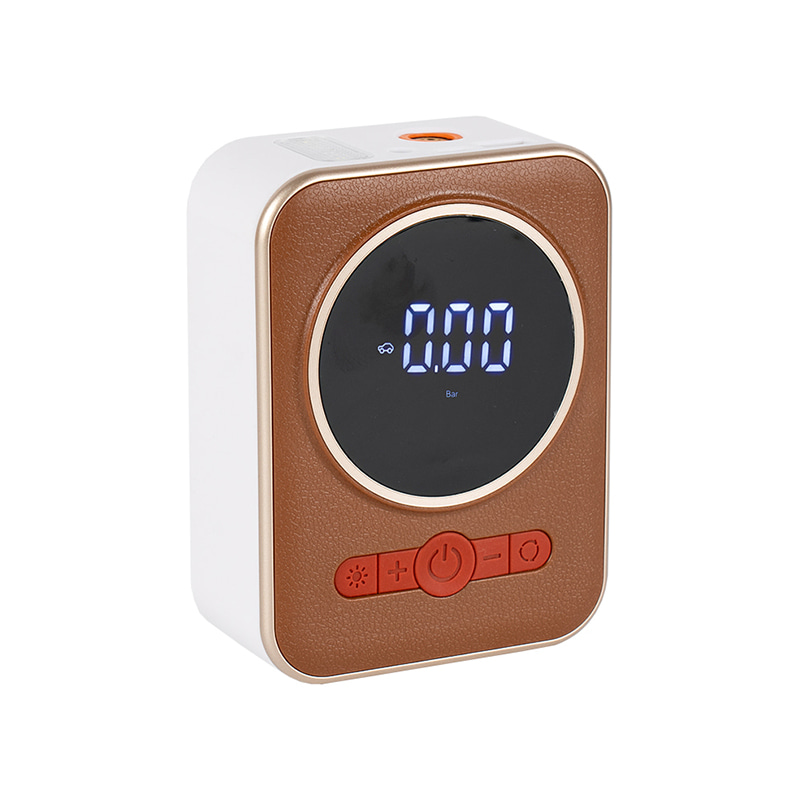
The RT-502 Mini Portable Vehicle-Mounted Air Pump is an intelligent, all-in-one device that combines precise tire pressure detection, rapid inflation, multiple inflation modes, and emergency rescue ca...
See DetailsIndustry News 2026/06/15
Are Portable Tire Inflators Worth It? (Why Every Driver Needs One)
Content
- 1 What a Portable Tire Inflator Actually Does
- 2 The Real Cost Argument: Inflator vs. Alternatives
- 3 How Portable Tire Inflators Affect Tire Life and Fuel Economy
- 4 Types of Portable Tire Inflators: Which One Fits Your Needs
- 5 Key Specs to Evaluate Before You Buy
- 6 Who Benefits Most from Owning a Portable Tire Inflator
- 7 Limitations You Should Know Before Buying
- 8 Portable Tire Inflator vs. Slime or Fix-a-Flat Sealant Cans
- 9 What to Expect When Using a Portable Inflator for the First Time
- 10 The Verdict: Are Portable Tire Inflators Worth the Investment
Yes, portable tire inflators are worth it for most drivers—especially if you commute regularly, drive in areas with limited gas stations, or own multiple vehicles. A quality unit costs $30–$100 and can save you a $50–$150 roadside service call the first time you use it. Beyond emergencies, the ability to maintain correct tire pressure on a weekly basis improves fuel economy by up to 3% and extends tire life by thousands of miles. This article breaks down exactly when they're worth it, what to expect from different models, and what to watch out for before buying.
What a Portable Tire Inflator Actually Does
A portable tire inflator is a compact air compressor designed to inflate vehicle tires without needing a gas station or garage. Most models connect to your car's 12V DC outlet (cigarette lighter) or use a built-in rechargeable battery. They pump air through a hose fitted with a Schrader valve connector—the same type used on virtually all passenger car, SUV, and truck tires.
Modern units do more than just inflate. Most include a built-in digital pressure gauge, an auto-shutoff feature that stops inflation at your target PSI, and an LED light for nighttime use. Higher-end models add a rechargeable lithium battery so you're not dependent on your car being on, and some include adapters for bike tires, sports balls, and inflatable mattresses.
The Real Cost Argument: Inflator vs. Alternatives
The value of a portable tire inflator becomes clear when you compare it against the real cost of the alternatives most drivers rely on.
| Option | Upfront Cost | Per-Use Cost | Availability |
|---|---|---|---|
| Portable tire inflator | $30–$100 | ~$0 | Anywhere, anytime |
| Gas station air pump | $0 | $1–$2 per session | Limited to stations |
| Roadside assistance call | $0 (AAA) or $50–$150 | $50–$150 per incident | 30–90 min wait |
| Tire shop inflation | $0 | Usually free, but time cost | Business hours only |
If you check and top off your tires twice a month (as recommended), a portable inflator pays for itself within a year compared to paying for gas station air—and it pays for itself on the first emergency use compared to a roadside call.
How Portable Tire Inflators Affect Tire Life and Fuel Economy
The financial case for a portable inflator goes beyond emergencies. The U.S. Department of Energy estimates that properly inflated tires improve fuel economy by 0.5%–3%, and the National Highway Traffic Safety Administration (NHTSA) reports that underinflated tires wear out up to 25% faster than correctly inflated ones.
In practice, this means a driver putting 15,000 miles per year on a car getting 30 MPG and paying $3.50/gallon could save roughly $26–$157 per year in fuel costs alone by keeping tires at the correct pressure. Over the life of a set of tires, the savings on replacement intervals add up considerably.
Tires naturally lose 1–2 PSI per month through normal permeation and more during temperature drops—about 1 PSI for every 10°F decrease in temperature. Having a portable inflator makes it practical to check and correct pressure monthly, something most drivers skip when it requires a trip to a gas station.
Types of Portable Tire Inflators: Which One Fits Your Needs
Not all portable inflators are built the same. The right choice depends on what you drive and how you plan to use it.
12V DC Corded Inflators
These plug into your car's 12V outlet and draw power directly from the vehicle. They're lightweight, affordable ($25–$60), and reliable as long as your car is running. The main limitation is the cord length—typically 10–12 feet—which may not reach all four tires depending on your outlet placement. Best for: everyday drivers who want a reliable, low-cost option stored in the trunk.
Cordless Battery-Powered Inflators
Built-in lithium-ion batteries (typically 2,000–6,000mAh) allow these inflators to work independently of your car. A fully charged unit can usually inflate 3–6 standard car tires before needing a recharge. They cost more ($50–$120) but offer maximum flexibility, especially if you also want to inflate bike tires, sports equipment, or air mattresses away from a vehicle. Best for: outdoor enthusiasts, cyclists, and anyone who wants one device for multiple uses.
Heavy-Duty Inflators for Trucks and SUVs
Standard compact inflators struggle with larger tire volumes. Heavy-duty models feature higher CFM (cubic feet per minute) airflow ratings and are designed for truck tires (LT-rated), SUV tires, and off-road use. These typically connect via 12V or direct battery clamps. Expect to pay $60–$150. Best for: truck owners, 4x4 drivers, and anyone running tires above 30" in diameter.
Key Specs to Evaluate Before You Buy
Marketing language on inflator packaging is often vague. These are the specifications that actually determine performance:
| Spec | What It Means | Good Benchmark |
|---|---|---|
| Max PSI | Maximum pressure output | 100 PSI+ for passenger cars |
| Inflation speed (L/min or CFM) | How fast it fills tires | 35–40 L/min for car tires |
| Auto-shutoff accuracy | Stops at target PSI | ±1 PSI accuracy or better |
| Continuous run time | Before overheating cutoff | 10+ minutes without pause |
| Hose length | Reach to valve stem | Minimum 18 inches |
| Battery capacity (cordless) | Number of tires per charge | 4,000mAh+ for 3–4 tires |
Inflation speed matters more than most buyers realize. A unit rated at only 15–20 L/min will take 8–12 minutes per tire when starting from flat—an uncomfortable wait on a roadside. A model rated at 35–40 L/min inflates a standard passenger tire from flat in 4–6 minutes.
Who Benefits Most from Owning a Portable Tire Inflator
While most drivers would benefit, certain situations make a portable inflator close to essential:
- Daily commuters: Frequent driving means more exposure to slow leaks, nails, and temperature-related pressure drops. Having an inflator in the car means a 5-PSI drop never becomes a roadside emergency.
- Drivers in cold climates: Tire pressure drops 1 PSI for every 10°F temperature decrease. In a region that swings 50°F between seasons, that's a 5 PSI difference—enough to trigger a TPMS warning and noticeably affect handling.
- Rural drivers: Far from gas stations or tire shops, a slow leak can become a full flat. An inflator buys time to reach a repair facility safely.
- EV owners: Many EVs no longer come with a spare tire—they're replaced by run-flat tires or a tire inflator kit. In these cases, an inflator isn't optional; it's the designed solution.
- Multi-vehicle households: One inflator serves all vehicles, bikes, sports equipment, and inflatables. The per-item value increases with each use case.
- Off-road and overlanding drivers: Airing down tires for traction (to 15–20 PSI) and re-inflating for road use is standard practice—a portable inflator is mandatory equipment.
Limitations You Should Know Before Buying
Portable inflators are valuable tools, but they're not without genuine limitations worth understanding:
- They don't fix flat tires: A portable inflator only adds air. If you have a puncture larger than a nail hole, or a bead seal failure, the air will escape as fast as it goes in. You'll still need a patch kit, plug kit, or spare tire for a true flat.
- Cheap models overheat quickly: Low-cost units often have a thermal cutoff that kicks in after just 5–8 minutes. Inflating all four tires on a cold flat could require multiple cooling breaks, stretching a 20-minute job into 45 minutes.
- Cordless battery life degrades: Li-ion batteries lose capacity over time. A unit that inflated 4 tires per charge when new may only manage 2–3 after 2–3 years of use.
- Noise level: Portable inflators are loud—typically 70–85 dB, comparable to a vacuum cleaner. This is a consideration in quiet neighborhoods at night or in enclosed parking garages.
- PSI gauge accuracy varies: Budget models can be off by 3–5 PSI, which defeats the purpose of precise inflation. Look for units with verified ±1 PSI accuracy in independent reviews.
Portable Tire Inflator vs. Slime or Fix-a-Flat Sealant Cans
Many drivers keep aerosol tire sealant cans (like Slime or Fix-a-Flat) instead of an inflator. It's worth comparing these directly, since they serve overlapping but different purposes.
| Factor | Portable Inflator | Aerosol Sealant |
|---|---|---|
| Fixes punctures | No | Small punctures only (up to ~¼") |
| Reusable | Yes, indefinitely | Single use |
| Damage to TPMS sensors | None | Can clog and damage sensors ($50–$200 to replace) |
| Routine maintenance use | Yes | No |
| Cost over 5 years | $40–$100 (one purchase) | $10–$15 per can, per incident |
The two tools complement each other rather than compete. The ideal car emergency kit includes both: a sealant can for genuine punctures and a portable inflator for pressure maintenance and post-sealant re-inflation.
What to Expect When Using a Portable Inflator for the First Time
First-time users are sometimes surprised by the process. Here's what a normal experience looks like:
- Check your vehicle's recommended PSI on the sticker inside the driver's door jamb—not on the tire sidewall (that's the maximum, not the recommended).
- Remove the valve stem cap and attach the inflator hose fitting by pressing and twisting clockwise until it's snug.
- Set your target PSI on the digital display (most units default to 35 PSI).
- Power on the unit. Expect 70–85 dB of noise for 1–5 minutes depending on how much air the tire needs.
- The auto-shutoff will stop inflation when the target is reached—remove the hose promptly to avoid releasing pressure.
- Reattach the valve cap and move to the next tire.
For a tire that's only 5 PSI low, the entire process per tire takes under 2 minutes. From flat (0 PSI) to road-ready on a standard 205/55R16 tire takes approximately 5–7 minutes on a mid-range unit.
The Verdict: Are Portable Tire Inflators Worth the Investment
For the vast majority of drivers, a portable tire inflator is one of the highest-value items you can keep in your vehicle. A $50–$80 mid-range unit with auto-shutoff, digital pressure gauge, and at least 35 L/min inflation speed covers every practical need for a standard passenger car or SUV driver.
The value compounds over time: savings on fuel efficiency, extended tire life, avoided roadside service calls, and the simple convenience of never having to drive to a gas station just to add air. The break-even point versus gas station air is roughly 20–50 uses—easily achieved within the first year for an active driver.
The only drivers for whom it may not be worth it: those who rarely drive, live walking distance from a free-air service, and have zero interest in cycling, camping, or other inflation use cases. For everyone else, it earns its trunk space.
Let's Talk
Keep in touch with us
Related products
-
-
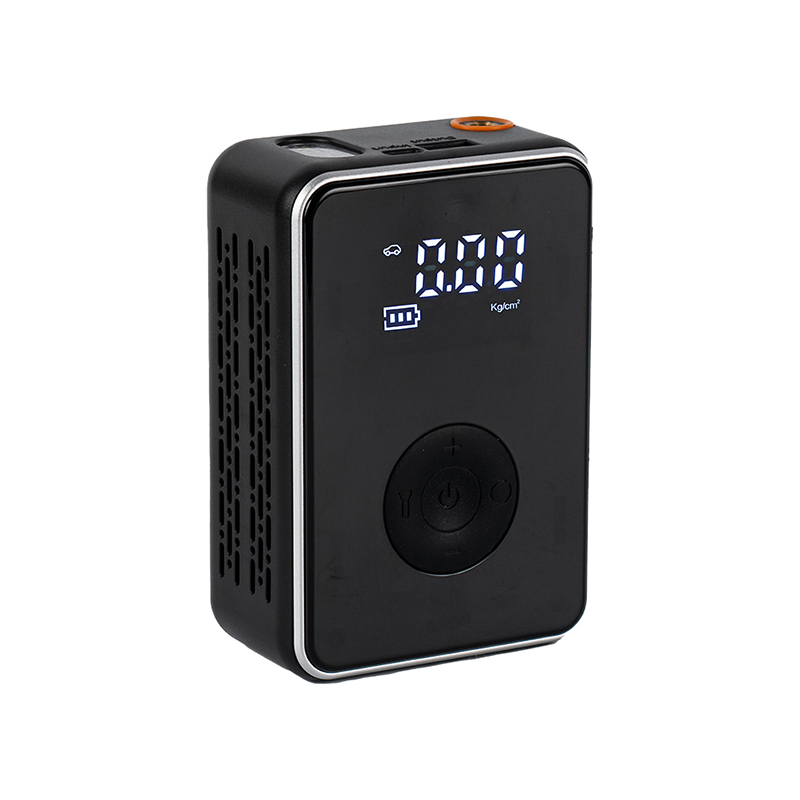
The RT-601 Mini Air Compressor is a highly efficient, multi-functional portable air pump and tire inflator designed for vehicle use. Equipped with an 18650 lithium-ion battery—available in various cap...
See Details -
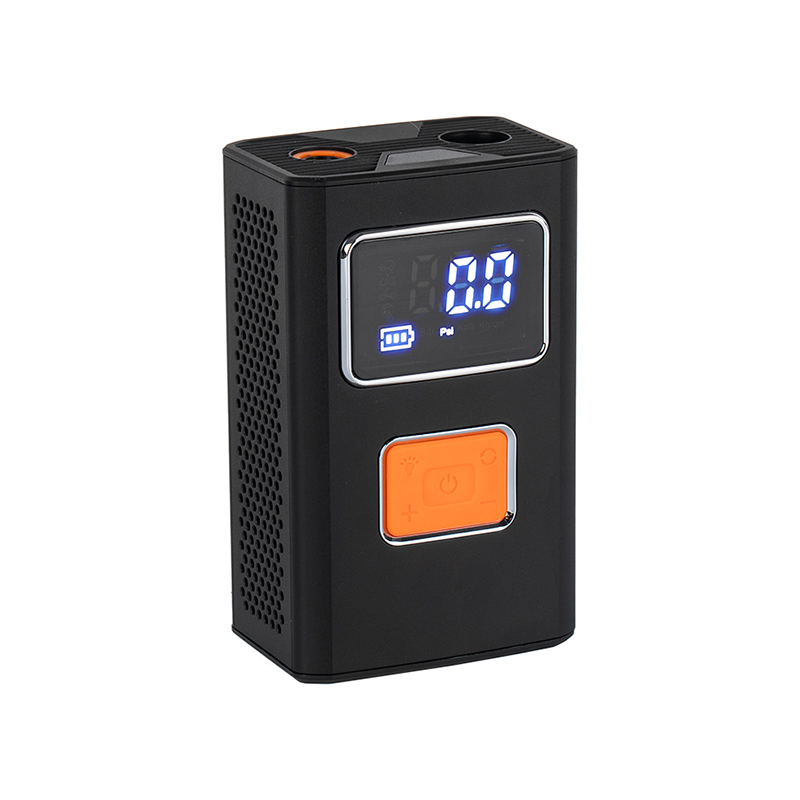
RT-606B Mini 150PSI wireless Portable Tire Inflator equipped with 18650 lithium-ion batteries, the RT-606B offers selectable capacity options of 1,800mAh x 2, 2,000mAh x 2, or 2,500mAh x 2, and suppor...
See Details -
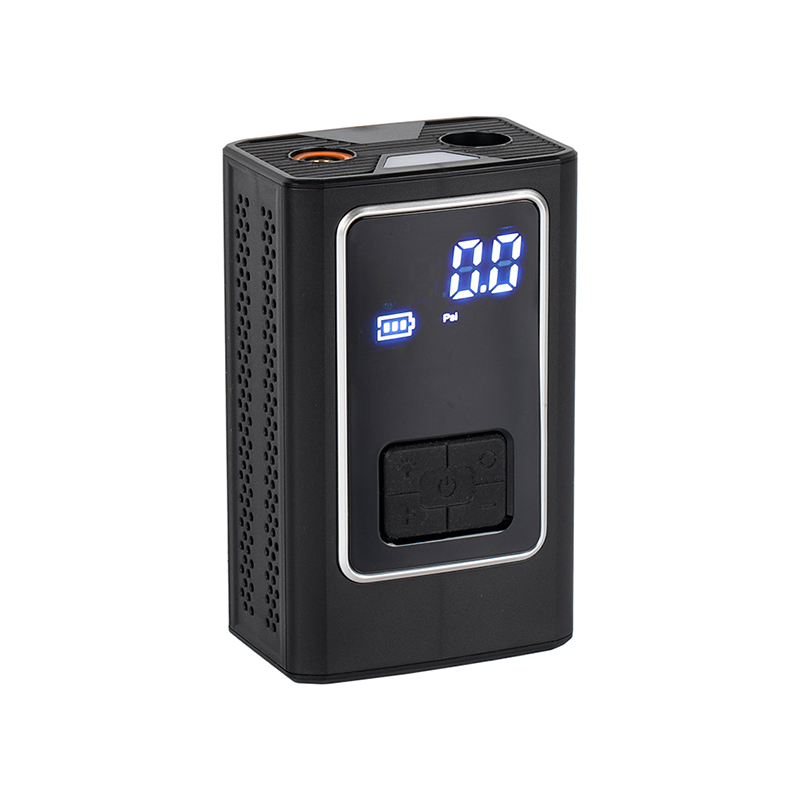
RT-606A Mini cordless USB output Portable Tire Inflator equipped with 18650 lithium-ion batteries, this unit offers selectable capacity options of 1,800mAh x 2, 2,000mAh x 2, or 2,500mAh x 2, and oper...
See Details -
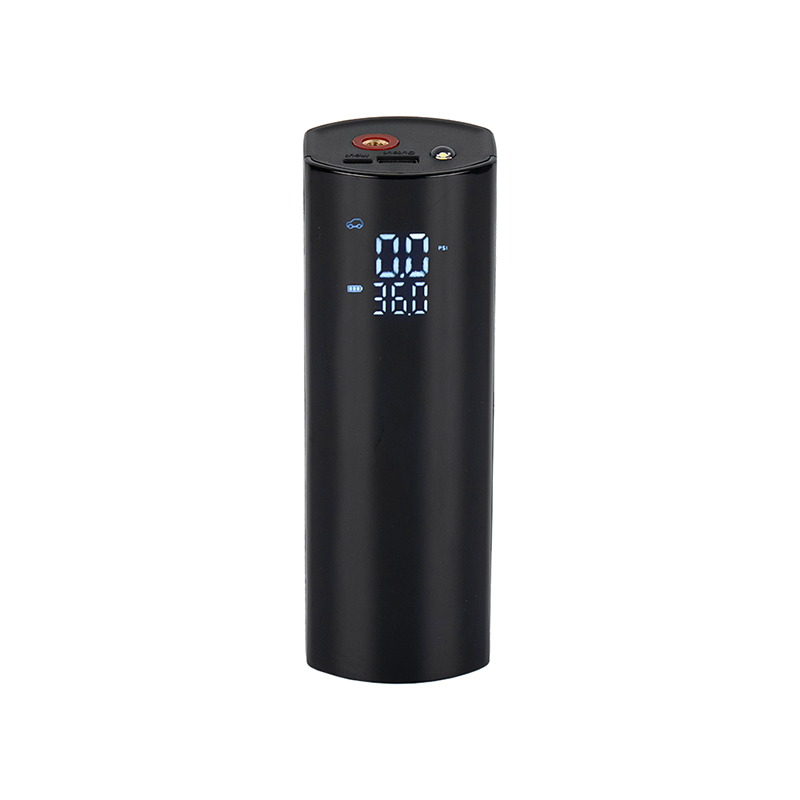
The RT-605 Air Compressor is a versatile, vehicle-mounted tire inflator featuring a USB output. Suitable for cars, motorcycles, bicycles, and sports balls, it is equipped with an integrated 18650 lith...
See Details -
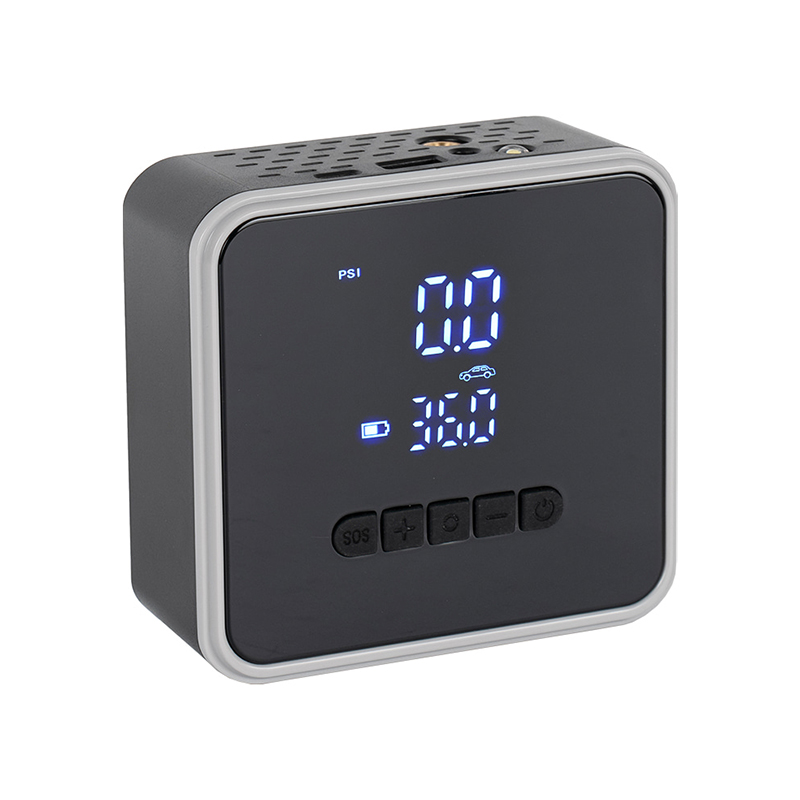
The RT-503 High-Capacity Portable Tire Inflator features five inflation modes—Car, Motorcycle, Bicycle, Ball, and Free Mode—covering a pressure range of 0.35 to 10.3 Bar (5 to 150 PSI), enabling it to...
See Details
News
-
A portable tire inflator is a compact, self-contained air pump designed to inflate vehicle tires, bicycle tires, motorcy...
READ MORE -
It is a Wednesday morning, the temperature has dropped overnight, and your dashboard tire pressure warning light is glo...
READ MORE -
Which Best Tyre Inflator to Buy and Why The best tyre inflator for most car owners is a cordless digital portable tire ...
READ MORE -
Car tire inflators are core accessories for automotive emergency and maintenance. With the increasing number of vehicle...
READ MORE -
How to inflate tires correctly is a routine skill that every driver eventually faces, yet it is also a task many people...
READ MORE -
Steam vacuum cleaning works, and it is one of the few home methods that both lifts embedded dirt and kills a large sha...
READ MORE
Message Us Right Now!
Get Connected
 Whatsapp
 Wechat
Copyright © Ningbo Rongteng Auto Accessories Co.,Ltd. All rights reserved.
 Custom Vehicle Tire Inflators Manufacturers