
 English
 русский
 Español
RT-807 Handhold Air Car Vacuum Cleaner Cordless Wet & Dry With Display Dust Lamp equipped with 18650 lithium-ion batteries—available in 1,800mAh x 2 or 2,000mAh x 2 configurations—this unit operat...
See DetailsIndustry News 2026/07/20
Does Steam Vacuum Cleaning Actually Work, and Can You Clean a Car With It
Content
- 1 What Is Steam Vacuum Cleaning and How It Works
- 2 Vacuum Cleaner With Steam Cleaning: What Makes This Machine Type Different
- 3 Steam Clean Car Seats: A Full Step by Step Process
- 4 How to Clean a Car With Steam Beyond the Seats
- 5 Steam Vacuum Cleaning vs Traditional Methods
- 6 Benefits of Steam Vacuum Cleaning Backed by Data
- 7 Safety Precautions and Materials to Avoid
- 8 How to Choose a Steam Vacuum for Car and Home Use
- 9 Maintenance Tips to Keep a Steam Vacuum Working Well
- 10 Frequently Asked Questions
- 10.1 Is steam vacuum cleaning safe for all car seat materials?
- 10.2 How often should I steam clean my car seats?
- 10.3 Does steam cleaning remove pet odor from car seats?
- 10.4 How long does it take for car seats to dry after steam cleaning?
- 10.5 Can a steam vacuum replace a regular household vacuum?
- 10.6 Is steam cleaning better than using chemical upholstery cleaners?
- 10.7 Can steam vacuum cleaning damage a car's electronics?
- 10.8 What temperature does a steam vacuum cleaner reach?
- 10.9 Do I need to vacuum before steam cleaning car seats?
- 10.10 Is it worth buying a steam vacuum just for car detailing?
Steam vacuum cleaning works, and it is one of the few home methods that both lifts embedded dirt and kills a large share of common household bacteria at the same time, because it combines high temperature vapor with immediate suction instead of leaving moisture behind. A vacuum cleaner with steam cleaning heats water to roughly 200°F to 250°F, forces it through a nozzle as pressurized vapor to loosen grime, then pulls that loosened dirt and moisture back into a collection tank in the same pass, so surfaces come out clean rather than damp.
As for cars specifically, yes, you can steam clean car seats safely on most fabric and many leather surfaces, and it is widely considered the most effective way to remove ground in stains, odors, and allergens from upholstery without soaking the padding underneath the way a standard carpet shampooer does. The rest of this guide covers exactly how the process works, a full step by step method for car seats, what to avoid, and how to choose the right machine.
What Is Steam Vacuum Cleaning and How It Works
Steam vacuum cleaning, sometimes called vapor steam cleaning, combines two functions that are normally separate: a steam cleaner that heats water into pressurized vapor, and a wet vacuum that immediately extracts the moisture along with the dirt it loosened. Traditional steam cleaners release vapor onto a surface and leave the operator to wipe it away with a cloth. Traditional vacuums only pick up dry debris and cannot touch grease, sticky residue, or set in stains. A combined steam vacuum does both jobs in a single pass.
The science behind why this works comes down to heat and agitation. Water turns to steam at 212°F at sea level, and commercial steam vacuum machines typically generate vapor in the 200°F to 250°F range at the nozzle. At this temperature, steam breaks down the bonds that hold dirt, oil, and biological residue to fabric and hard surfaces far more effectively than room temperature water or standard cleaning sprays. Once loosened, the same machine's suction pulls the dirt laden moisture into a separate holding tank, so very little water soaks into the material underneath.
Why Suction Matters as Much as the Steam
A common mistake people make is assuming steam alone is the entire benefit. In practice, a steam only cleaner without extraction can leave a surface more saturated with moisture than before you started, which slows drying time and increases the risk of mildew forming inside cushions or carpet padding. The vacuum component is what makes the method practical for upholstery, car interiors, and other absorbent surfaces where trapped moisture is a real problem.
Vacuum Cleaner With Steam Cleaning: What Makes This Machine Type Different
Not every machine labeled a steam cleaner includes true vacuum extraction, so it helps to understand the categories before buying one specifically for a task like car interiors.
Steam Only Cleaners
These release pressurized vapor through a nozzle or brush head but have no suction. They are useful for grout, stovetops, and quick sanitizing, but leave surfaces wet and are not ideal for fabric or upholstery.
Wet and Dry Vacuums With a Steam Attachment
These combine a shop style vacuum with an add on steam function, offering reasonable performance for hard floors and light upholstery work at a lower price point than dedicated units.
True Steam Vacuum Extractors
These are purpose built machines with separate clean water and dirty water tanks, adjustable steam pressure, and dedicated upholstery or detailing nozzles. This category delivers the strongest, most consistent results for car seats and carpet.
For anyone specifically searching for a vacuum cleaner with steam cleaning for car detailing, the third category is worth the added cost, since the separated tank design and dedicated nozzles are what actually prevent water damage to cushions and padding.
Steam Clean Car Seats: A Full Step by Step Process
Car seats collect a mix of body oils, food residue, dust, and in many households pet hair and dander, all of which sit deep in the fabric weave where a standard vacuum cannot reach. Below is the process professional detailers commonly follow when they steam clean car seats.
- Vacuum the seats first with a standard crevice and upholstery attachment to remove loose debris, crumbs, and surface dust, since steaming over loose dirt just pushes it deeper into the fabric.
- Pretreat visible stains with a small amount of fabric safe cleaner and let it sit for two to three minutes so the steam has less work to do on stubborn spots.
- Fill the steam vacuum's clean water tank and allow the unit to reach full operating temperature, which usually takes three to eight minutes depending on the model.
- Work in small sections roughly 12 inches by 12 inches, applying steam through the upholstery nozzle while simultaneously running the extraction pass so moisture never has time to soak in.
- Move in overlapping straight lines rather than circles, which prevents streaking and ensures even coverage across the seat's fabric grain.
- Pay extra attention to seams, headrest bases, and side bolsters, since these areas trap the most debris and are frequently missed during a quick pass.
- Run a final dry vacuum pass over the entire seat without steam to pull out any remaining moisture and speed up drying time.
- Leave doors open or park in a ventilated area for one to two hours to allow full drying before the vehicle is used again.
Following this sequence, most fabric car seats are dry to the touch within two hours and fully dry through the padding within four to six hours, compared to twelve hours or more when using a traditional wet shampoo method without extraction.
How to Clean a Car With Steam Beyond the Seats
Once the seats are handled, the same machine can address nearly every other interior surface, which is one of the biggest advantages of steam cleaning a car compared to using separate products for each material.
Carpets and Floor Mats
Steam lifts ground in dirt and road salt residue from carpet fibers far more effectively than dry vacuuming alone, and the extraction step prevents the sogginess that leads to musty odors in floor padding.
Dashboard and Trim
A lower steam setting with a smaller nozzle safely lifts dust from vents, cup holders, and textured trim without the streaking that spray cleaners often leave behind on plastic surfaces.
Door Panels and Armrests
These high contact areas accumulate skin oils and grime quickly. Steam breaks down oily residue that all purpose cleaners often only smear around rather than remove.
Headliner
The fabric ceiling of a car is delicate and prone to sagging if soaked, so a light, brief steam pass followed by immediate extraction is important here, and heavy saturation should always be avoided.
Steam Vacuum Cleaning vs Traditional Methods
The table below compares steam vacuum cleaning against the two most common alternatives people use for car interiors and household upholstery.
| Method | Removes Deep Dirt | Kills Bacteria | Drying Time |
|---|---|---|---|
| Dry vacuuming only | Low | No | Immediate |
| Wet shampoo without extraction | High | Partial | 12 to 24 hours |
| Steam vacuum cleaning | High | Yes, high heat reduces common bacteria and dust mites | 2 to 6 hours |
The comparison makes the practical advantage clear: steam vacuum cleaning is the only common method that combines deep dirt removal with sanitizing and a short drying window, which is exactly why it has become the preferred approach among professional auto detailers over the past decade.
Benefits of Steam Vacuum Cleaning Backed by Data
99%
Independent testing on high heat steam sanitizing shows it can eliminate a very large share of common household bacteria and dust mites on contact, since most of these organisms cannot survive sustained exposure above 175°F.
0
Chemical cleaning products are required for most steam vacuum jobs, since heat and agitation alone are enough to break down oil, grease, and biological residue on fabric and hard surfaces.
70%
Faster drying time is typical when using a true steam vacuum extractor compared to a wet shampoo method without built in suction, based on manufacturer testing across upholstery materials.
Beyond the numbers, three practical benefits stand out for anyone deciding whether the investment in a steam vacuum is worthwhile.
- Odor removal at the source. Sprays and air fresheners mask smells, while high heat steam breaks down the organic residue causing the odor in the first place, whether that is spilled food, pet accidents, or general body oil buildup in car seats.
- Allergen reduction. Dust mites and their waste particles are a major trigger for indoor allergy symptoms, and sustained steam heat is one of the few non chemical methods proven to reduce their presence in fabric.
- Material friendly cleaning. Because there is no heavy soaking involved, steam vacuum cleaning is generally gentler on foam padding, adhesives, and seat frames than a fully saturated wet shampoo treatment.
Safety Precautions and Materials to Avoid
Steam vacuum cleaning is safe for most common surfaces, but a few precautions prevent avoidable damage.
- Test an inconspicuous area first on unfamiliar upholstery, especially colored or dyed fabric, since high heat can occasionally cause color bleeding on lower quality dyes.
- Avoid prolonged steam exposure on genuine leather, since excess heat and moisture can dry out and crack natural leather over time if not followed immediately by a conditioning product.
- Keep the nozzle moving at all times rather than holding it still on one spot, which prevents heat damage to delicate trim, electronics, or painted surfaces near the seats.
- Never point steam directly at electronic components such as seat heaters, airbag sensors, or wiring housed beneath upholstery panels.
- Always let treated areas fully dry before closing the vehicle up for an extended period, since trapped moisture in an enclosed space is what leads to mildew and musty odors.
How to Choose a Steam Vacuum for Car and Home Use
Tank Design
Look for a machine with separate clean and dirty water tanks. Combined single tank systems are cheaper but risk redepositing dirty water back onto the surface during use.
Adjustable Steam Pressure
Delicate materials like headliners and leather need a lower setting, while heavily soiled carpet or floor mats benefit from maximum pressure. A machine with at least two or three pressure levels offers far more control.
Nozzle and Attachment Variety
A dedicated upholstery nozzle, a narrow crevice tool for seams and vents, and a wider floor head cover the range of surfaces found in a typical car interior. Machines sold with only one attachment are usually less versatile than the price suggests.
Tank Capacity and Runtime
A larger tank means fewer refill interruptions during a full interior detail. As a general guide, a 48 ounce or larger clean water tank typically supports a full car interior without needing a mid job refill.
Heat Up Time
Some machines reach full operating temperature in under two minutes, while others take closer to ten. For anyone doing frequent quick cleanups rather than full details, a fast heat up model saves meaningful time over repeated use.
Maintenance Tips to Keep a Steam Vacuum Working Well
- Empty and rinse the dirty water tank after every use rather than letting residue sit, since dried grime buildup can clog the extraction path over time.
- Use distilled or filtered water when possible, since mineral deposits from hard tap water gradually reduce heating element efficiency and can cause premature failure.
- Descale the internal boiler or tank periodically according to the manufacturer's schedule, typically every one to three months depending on water hardness and frequency of use.
- Check and clean the nozzle attachments regularly, since dried residue at the tip reduces steam output and extraction suction.
- Store the unit with tanks fully drained to prevent stagnant water buildup and mineral scaling between uses.
Frequently Asked Questions
Is steam vacuum cleaning safe for all car seat materials?
It is safe for most fabric and vinyl surfaces. Genuine leather can be steam cleaned but requires a lower heat setting, shorter exposure, and a conditioning treatment afterward to prevent drying and cracking.
How often should I steam clean my car seats?
For most households, every three to four months is sufficient to prevent buildup, while households with children, pets, or frequent food consumption in the car may benefit from monthly steaming.
Does steam cleaning remove pet odor from car seats?
Yes, since high heat breaks down the organic compounds causing pet odor rather than simply masking the smell, which is why steam vacuum cleaning is frequently recommended for pet owners over spray deodorizers.
How long does it take for car seats to dry after steam cleaning?
Using a true steam vacuum extractor, seats are typically dry to the touch within two hours and fully dry through the padding within four to six hours with adequate ventilation.
Can a steam vacuum replace a regular household vacuum?
Not entirely. Steam vacuums are best used for deep periodic cleaning of upholstery, carpet, and hard floors, while a lighter standard vacuum remains more convenient for quick daily dry debris pickup.
Is steam cleaning better than using chemical upholstery cleaners?
Steam cleaning removes the need for most chemical products entirely, using heat and moisture instead, which makes it a gentler option for households concerned about chemical residue on frequently touched surfaces.
Can steam vacuum cleaning damage a car's electronics?
Direct, prolonged steam exposure near seat heaters, sensors, or exposed wiring can pose a risk, which is why keeping the nozzle moving and avoiding direct contact with these components is an important safety step.
What temperature does a steam vacuum cleaner reach?
Most consumer and professional steam vacuum extractors operate in the 200°F to 250°F range at the nozzle, which is hot enough to loosen embedded dirt and reduce common bacteria without scorching most fabrics.
Do I need to vacuum before steam cleaning car seats?
Yes, a standard dry vacuum pass first removes loose debris and crumbs so the steam step can focus on embedded dirt and stains rather than pushing loose particles deeper into the fabric.
Is it worth buying a steam vacuum just for car detailing?
For anyone detailing a car more than a few times a year, or managing pet hair, odors, or frequent spills, a steam vacuum typically pays for itself compared to repeated professional detailing appointments, while also working across household carpets and upholstery.
Let's Talk
Keep in touch with us
Related products
-
-
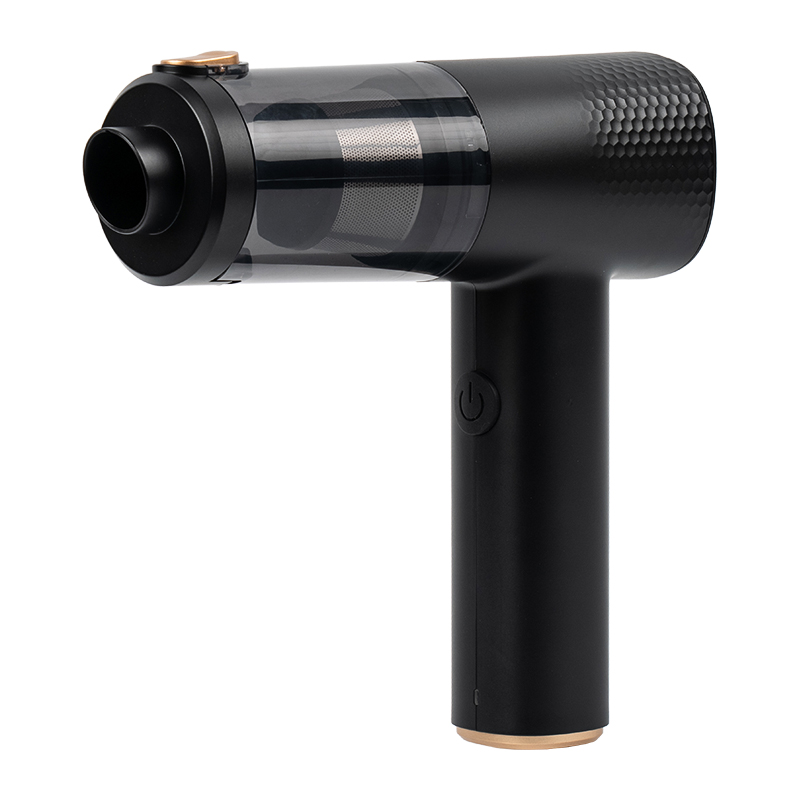
RT-806 7.4V 12600Pa Wet & Dry Car Air Vacuum Cleaner With Li-Ion Battery equipped with 18650 lithium-ion batteries (available in 1,800mAh x 2 or 2,000mAh x 2 configurations), the RT-806 operates a...
See Details -
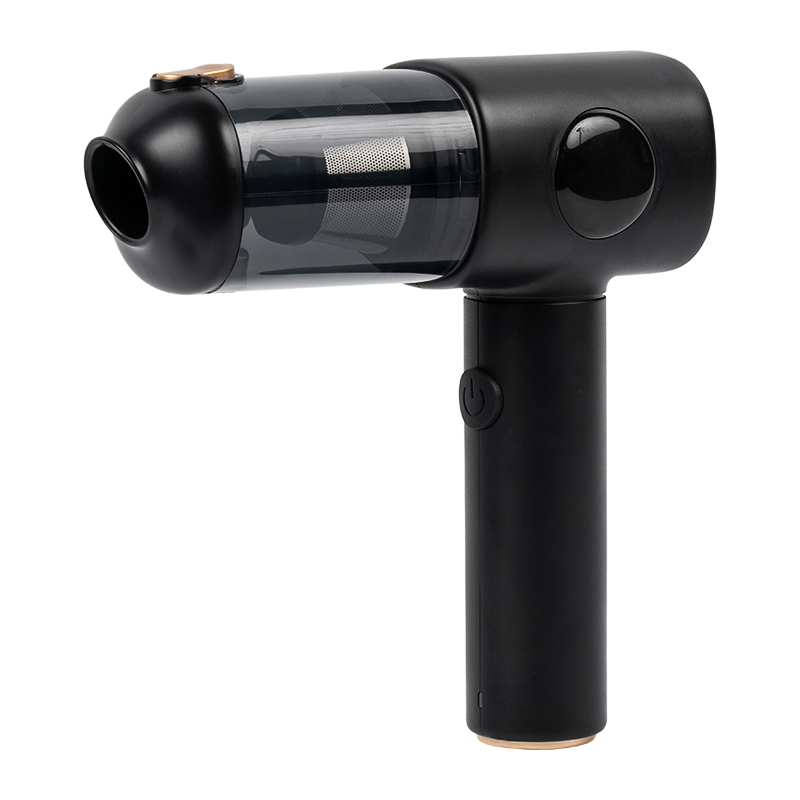
The RT-805 Cordless Car Vacuum Cleaner features a smart display that provides real-time battery status updates, allowing you to precisely monitor the remaining usage time. Boasting a powerful suction ...
See Details -
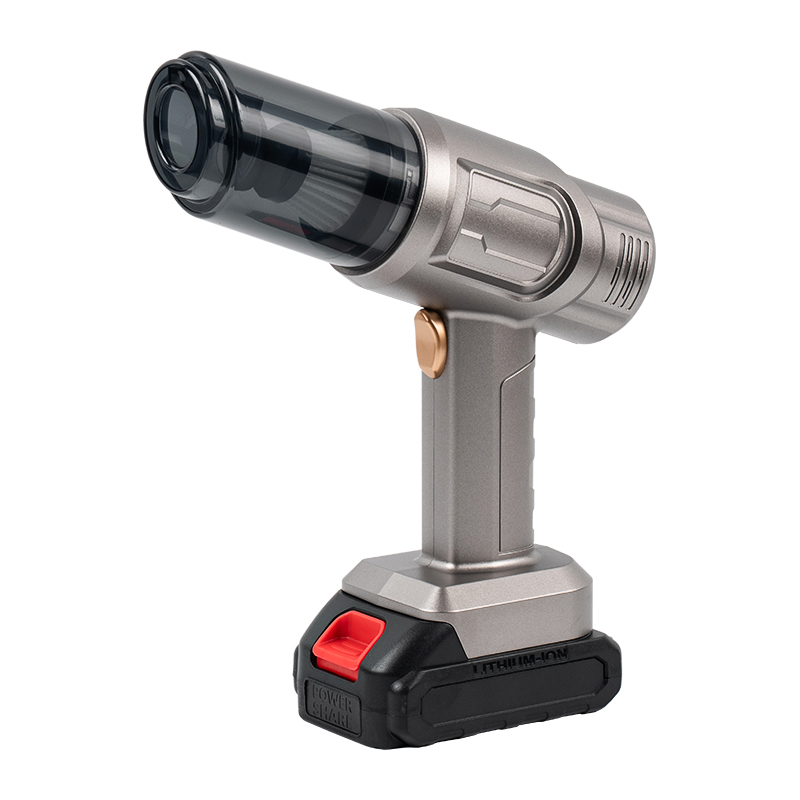
The RT-802 Handhold Vacuum Cleaner features a detachable battery design, supporting external power tool battery packs and compatible with various battery options to flexibly adapt to different usage n...
See Details -
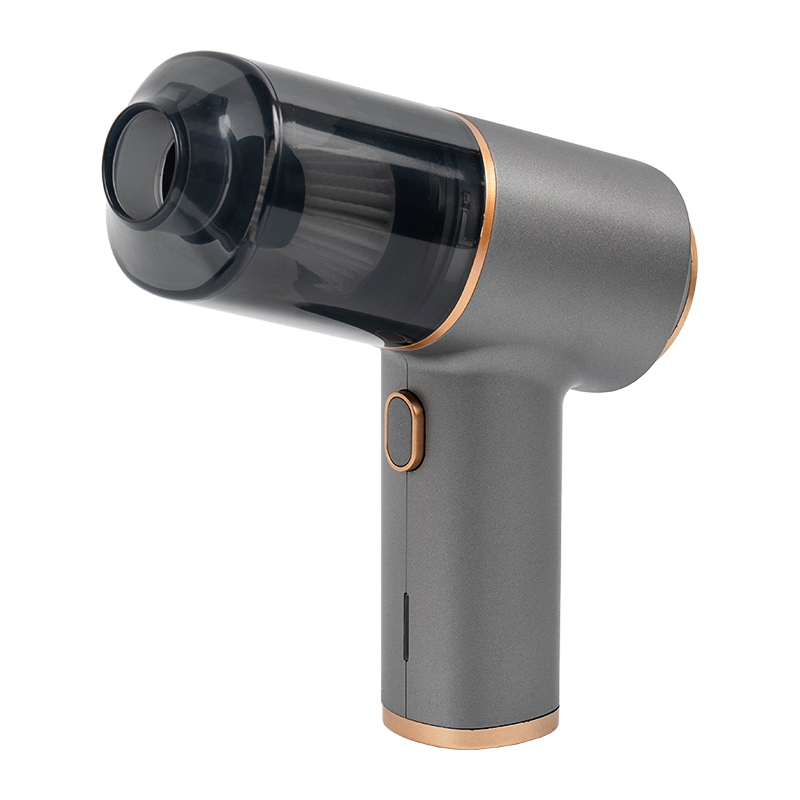
RT-8822 Mini 7.4V Handhold car portable vacuum cleaner powered by an 18650 lithium-ion battery—available in various capacity options—this unit operates at a 7.4V working voltage, ensuring stable and ...
See Details -
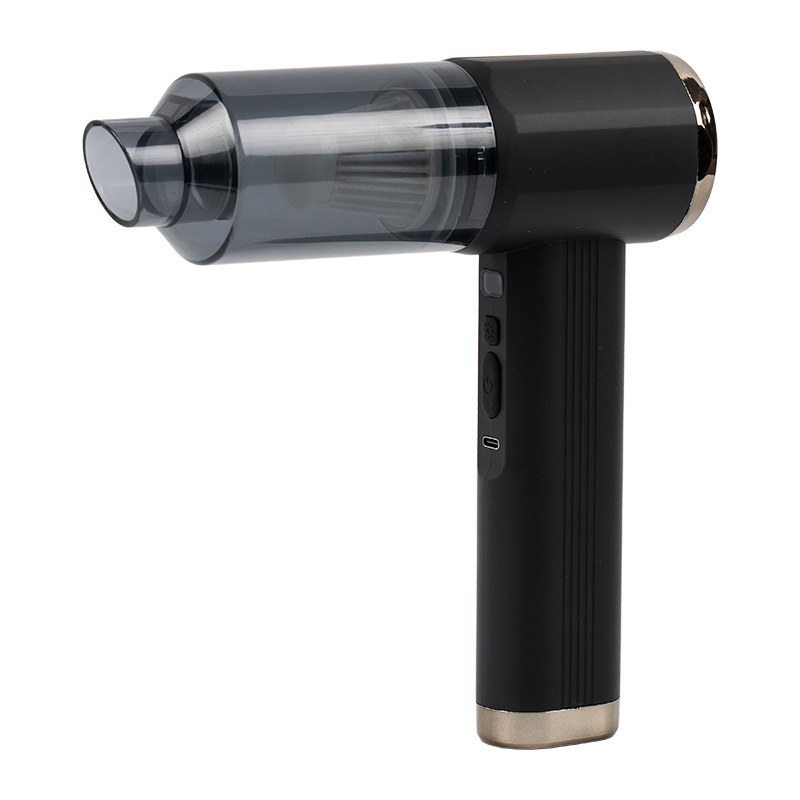
The RT-808 Portable Car Vacuum Cleaner features a brushless motor, a digital display, and an integrated dust-detection light. Powered by a 18650 lithium-ion battery pack—available in 2,000mAh x 3 or 2...
See Details
News
-
A driver walks out at 7:40 a.m., sees a rear tire sitting lower than the others, and finds a floor pump in the trunk. T...
READ MORE -
You just vacuumed the car, and the same handheld unit is sitting next to your sofa with a few crumbs scattered around. ...
READ MORE -
A Car Vacuum Cleaner is an electric appliance that heats water above 100 degrees Celsius in a sealed boiler to produce p...
READ MORE -
The short answer for how to clean car seats with steam cleaner equipment is this: vacuum the seats thoroughly first to ...
READ MORE -
Car vacuum cleaners are essential tools for in-car cleaning. With the improvement of users' requirements for in-car env...
READ MORE -
You open the rear door and see the evidence: crushed cereal under the child seat, fine sand worked into the carpet, dog...
READ MORE
Message Us Right Now!
Get Connected
 Whatsapp
 Wechat
Copyright © Ningbo Rongteng Auto Accessories Co.,Ltd. All rights reserved.
 Custom Vehicle Tire Inflators Manufacturers
Exhibition Name: Automechanika Shanghai 2026
Date: December 2 to 5, 2026
Location: National Exhibition and Convention Center (Shanghai)
Booth Number: 1.2B96