
 English
 русский
 Español
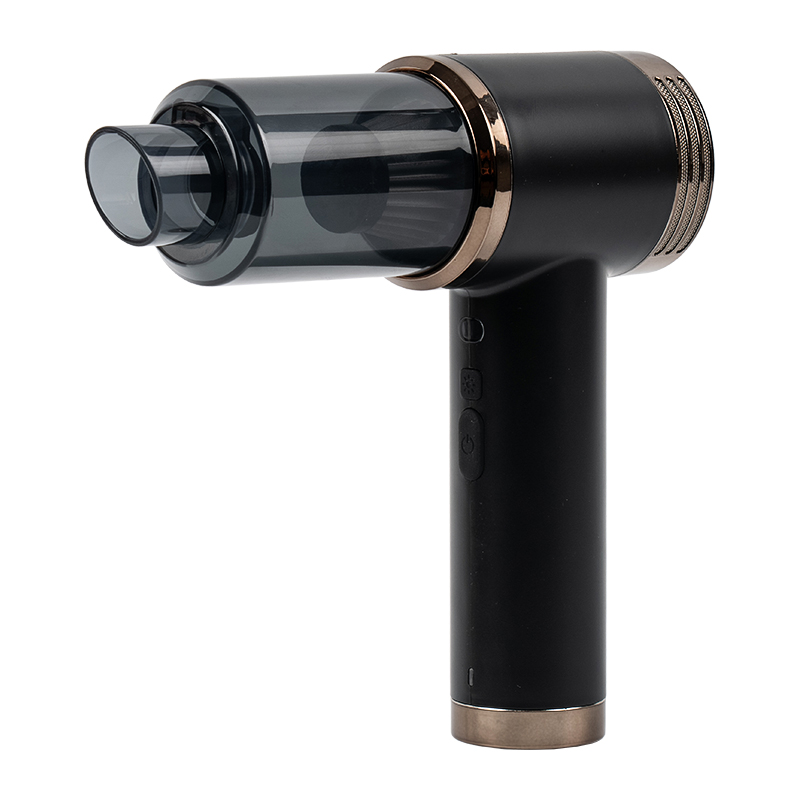
RT-807 Handhold Air Car Vacuum Cleaner Cordless Wet & Dry With Display Dust Lamp equipped with 18650 lithium-ion batteries—available in 1,800mAh x 2 or 2,000mAh x 2 configurations—this unit operat...
See DetailsIndustry News 2026/07/27
What is the difference between a tire inflator and an air pump?
Content
- 1 Fundamental Mechanics of Pneumatic Inflation and Pressure Engineering
- 2 Structural and Functional Distinctions Between Inflators and Standard Air Pumps
- 3 Performance Characteristics of Portable Tire Inflators
- 4 Comparing Pneumatic Devices Across Practical Service Environments
- 5 Qualitative Operational Comparison of Inflation Technologies
- 6 Selecting the Appropriate Device for Specific Inflation Demands
- 7 Operational Safety Protocols and Maintenance Guidelines
Selecting the correct pneumatic equipment for vehicle maintenance, outdoor recreation, or industrial servicing requires a clear understanding of mechanical airflow principles, working pressure parameters, and structural component design. While both tire inflators and standard air pumps are engineered to move atmospheric air into enclosed inflatable structures, their internal mechanisms, operational capabilities, and intended delivery profiles differ significantly. Misunderstanding these differences can lead to inefficient operation, premature tool wear, or structural damage to tires and inflatable equipment. Examining the mechanical architecture, pressure limits, volume delivery rates, and power configurations of these two pneumatic tools highlights their unique functional roles.
Fundamental Mechanics of Pneumatic Inflation and Pressure Engineering
The basic function of any air transfer device relies on creating a pressure differential between the internal compression chamber and the external environment or recipient vessel. However, the physical methods used to achieve this pressure differential vary depending on whether the primary goal is high pressure output or high volumetric flow.
Understanding Volumetric Displacement versus High Pressure Generation
The fundamental mechanical distinction between a tire inflator and a general air pump centers on the balance between airflow volume and maximum achievable pressure. Air displacement devices operate along a spectrum defined by force and volume.
A high pressure device, such as a dedicated tire inflator, is engineered to force air into heavy, reinforced rubber vessels that already contain significant internal pressure. Vehicle tires possess thick rubber sidewalls and steel belting that resist expansion. Introducing additional air into a vehicle tire requires overcoming this substantial internal static pressure. To accomplish this, the device utilizes small diameter compression pistons driven by high torque motor gearing. While the total volume of air moved per piston stroke is relatively small, the force applied per square inch is high, enabling the device to achieve working pressures ranging from thirty to over one hundred pounds per square inch or PSI.
Conversely, a general air pump is designed for volumetric efficiency rather than extreme pressure capability. Standard air pumps move large quantities of ambient air quickly into low resistance structures like air mattresses, inflatable boats, or recreational pool toys. These unreinforced vinyl or fabric vessels expand easily and operate at internal pressures below five pounds per square inch. To fill these large spaces rapidly, a general air pump utilizes wide diameter impellers, flexible diaphragms, or broad bellows that move massive volumes of air per minute but lack the mechanical leverage to push air against high structural resistance.
Internal Motor Architectures and Compression Chamber Designs
The mechanical components contained within the housing of a pneumatic device reflect its operational purpose. The internal geometry of the motor, gear assembly, and cylinder determines whether the unit functions as a high pressure compressor or a high volume blower.
In a portable tire inflator, the driving power originates from a compact electric motor connected to a precision engineered reduction gearbox. This gearbox turns a counterweighted crankshaft attached to a solid metal or high strength polymer piston operating inside a polished cylinder bore. As the piston retracts during the intake stroke, ambient air enters through a one way inlet valve. As the piston pushes forward during the compression stroke, the air is compressed into a tight volume before exiting through a spring loaded outlet check valve. The tight tolerances between the piston seal and cylinder wall prevent air blowby, allowing the unit to build continuous force against dense pressure resistance.
General air pumps, especially low pressure electric models, typically dispense with reciprocating pistons entirely. Instead, they rely on high speed rotary impellers or flexible rubber diaphragms. Rotary centrifugal air pumps utilize multi bladed fans spinning at high revolutions per minute to draw air into a central inlet and hurl it outward through a directional scroll casing. This continuous flow design provides high cubic feet per minute or CFM output with minimal internal friction. However, because the clearance between the rotating blades and the outer housing is relatively loose, air easily bypasses the blades if high backpressure is encountered, making rotary pumps incapable of inflating heavy vehicle tires.
The Critical Role of Auto Shut Off Pressure Sensing Systems
Precise pressure management is a defining functional characteristic of modern tire inflation technology. Maintaining correct inflation levels in automotive tires is essential for vehicle safety, fuel economy, and tire tread longevity.
A portable tire inflator is frequently built with integrated electronic pressure transducers or mechanical pressure switches that constantly monitor the backpressure inside the inflation hose. When connected to a tire valve, the internal sensor measures the exact static pressure within the rubber vessel. Advanced electronic models allow the user to input a desired target pressure level using a digital interface. The internal microprocessor reads continuous voltage changes from the pressure transducer during operation. Once the measured internal pressure matches the targeted setpoint, the controller cuts power to the motor instantly. This automatic shut off feature prevents over inflation and eliminates the need for manual monitoring with external hand gauges.
Standard air pumps rarely incorporate precision pressure sensing or auto shut off capabilities. Because low pressure inflatables operate under loose pressure requirements where visual expansion or tactile firmness dictates completion, high precision digital control is unnecessary. Standard pumps usually rely on simple manual rocker switches that run the motor continuously until the operator turns off the device or disconnects the nozzle.
Structural and Functional Distinctions Between Inflators and Standard Air Pumps
Evaluating the structural components and functional attachments reveals clear physical differences between these two categories of air moving tools. Every component from the power supply down to the final connection nozzle is optimized for specific pressure thresholds.
High Pressure Low Volume versus Low Pressure High Volume Airflow
The relationship between pressure output and volumetric flow rate is inversely proportional in compact pneumatic machinery. Understanding this trade off helps clarify why a single general tool cannot efficiently perform all inflation tasks.
A portable tire inflator delivers low volume air velocity measured in small fractions of cubic feet per minute or liters per minute. While it may take several minutes to elevate a truck tire from twenty pounds per square inch to thirty five pounds per square inch, the inflator maintains steady mechanical force throughout the process. The narrow air passages inside the unit are built to withstand heavy internal wall stress without bursting or expanding.
In contrast, a high volume air pump delivers large volumetric airflow, moving dozens of cubic feet of air per minute. However, this high volume flow occurs only when backpressure remains near zero. If a high volume air pump is connected to an automotive Schrader valve, the extreme resistance presented by the small valve opening and the high internal pressure of the tire brings the pump airflow to a complete halt. The impeller simply spins inside the housing without generating enough force to open the tire valve core.
Valve Connector Mechanics and Airtight Seals
The physical interface between the delivery hose and the target object must match the operating pressure of the system. High pressure delivery demands threaded or mechanically clamped connections, whereas low pressure delivery relies on simple friction fittings.
A portable tire inflator utilizes reinforced delivery hoses capable of holding high working pressures without bulging or rupture. These hoses feature heavy synthetic braiding beneath a durable rubber or neoprene outer jacket. The terminal end of the hose is equipped with a threaded brass connector or a lever lock quick release chuck designed to attach securely onto standard Schrader or Presta tire valves. This mechanical connection depresses the internal spring loaded valve pin while establishing a completely airtight seal capable of containing over one hundred pounds per square inch without blowouts.
General air pumps utilize unreinforced, wide diameter flexible plastic hoses or direct connection nozzles. The attachments consist of tapered plastic cones that push into simple rubber flap valves found on inflatable recreational goods. These friction fit nozzles rely solely on gentle operator pressure or basic plastic barbs to stay in place. While easy to insert and remove, these press fit connections cannot hold against high internal line pressure and would instantly pop off if exposed to automotive inflation levels.
Integrated Pressure Gauges and Digital Readout Accuracy
Accurate measurement instruments are necessary when handling high pressure vessels where slight variations in pressure impact performance and safety.
Tire inflation equipment includes integrated measurement gauges directly plumbed into the high pressure air line. Mechanical Bourdon tube gauges or digital piezoresistive display screens display internal pressure levels in real time. Digital readouts on modern tire inflators often feature calibration accuracy within fractions of a pound per square inch. This accuracy is essential because operating a vehicle tire just five pounds per square inch below the manufacturer specification can reduce fuel economy, accelerate shoulder tread wear, and increase internal tire heat during highway driving.
General air pumps rarely feature integrated pressure gauges. Because items like air beds, beach balls, and pool floats are inflated until visually firm, precise numeric monitoring is unnecessary. In cases where high volume inflatables require pressure monitoring, such as professional inflatable kayaks or paddleboards, separate low range pressure gauges calibrated between zero and fifteen pounds per square inch are used.
Performance Characteristics of Portable Tire Inflators
The design evolution of the portable tire inflator has made it an essential roadside emergency tool. Modern engineering focus has centered on power versatility, thermal control, and motor durability to ensure reliable field performance.
Cordless Battery Systems versus Twelve Volt Direct Current Power Adapters
Power delivery options define how and where an inflation tool can be used. Portable tire inflators are primarily designed around mobile power sources to ensure utility during emergency breakdowns far from electrical grid infrastructure.
Twelve volt direct current power adapters represent a common power configuration for automotive inflators. These units plug directly into a vehicle standard auxiliary power outlet or cigarette lighter socket. The twelve volt system draws power from the vehicle lead acid battery, providing steady voltage for continuous operation without the risk of battery depletion in the inflator itself. However, the current draw must be regulated to prevent blowing internal vehicle electrical fuses, typically limiting the electric motor to fifteen amps or less.
Cordless models powered by removable or integrated lithium ion battery packs offer complete operational freedom from vehicle power cords. High discharge lithium ion cells supply high peak currents to compact brushless motors, enabling rapid compression cycles and impressive pressure limits. Cordless units eliminate tangled cords and allow users to move freely around a vehicle to service all four tires quickly. The trade off involves managing battery charge levels, as high pressure air compression generates heavy energy demand that can drain small battery packs during extensive multi tire topping sessions.
Thermal Management and Heat Dissipation During Extended Operation
Compressing atmospheric air generates substantial thermal energy as a physical byproduct of molecular compression and mechanical friction. Managing this internal heat is a major engineering challenge in compact tire inflator construction.
As the reciprocating piston moves rapidly within the cylinder bore, both the compressed air and the cylinder walls reach high operating temperatures. Standard portable tire inflators feature aluminum alloy cylinder heads equipped with external cooling fins designed to radiate heat into the ambient air. Small internal cooling fans attached to the motor shaft draw air through ventilation slots in the plastic outer housing. Despite these cooling mechanisms, high pressure inflators become hot during extended operation. Operators must exercise care when touching metallic hose fittings after pumping high pressure tires for several minutes.
Standard air pumps operate at significantly lower pressure thresholds, resulting in far less molecular heat generation during air delivery. While their high speed motors generate moderate operational heat from electrical resistance, the low pressure air stream itself remains near ambient temperature, eliminating the need for heavy heat sinks or specialized thermal isolation zones.
Duty Cycle Thresholds and Continuous Operating Duration
Duty cycle refers to the percentage of time a device can operate within a given total time interval without overheating or sustaining mechanical damage. A device with a fifty percent duty cycle can run for five minutes out of a ten minute window before requiring a five minute cooling period.
Due to intense heat build up within small compression chambers, many portable tire inflator models operate with strict duty cycle limits. Smaller personal emergency inflators may feature a duty cycle of fifteen to thirty minutes before requiring an equivalent resting period. Operating a compact inflator continuously past its duty cycle limit can degrade internal piston ring seals, melt synthetic valve seats, and cause motor winding insulation failure. Heavy duty commercial grade tire inflators utilize solid brass or iron cylinders, high performance PTFE piston rings, and advanced thermal overload switches to achieve higher duty cycle ratings suitable for large commercial vehicle tires.
Comparing Pneumatic Devices Across Practical Service Environments
Selecting between a tire inflator and a general air pump depends heavily on the specific application environment. Matching the tool to the intended task ensures fast operation, proper equipment performance, and user safety.
Vehicle Emergency Roadside Tire Inflation Applications
In roadside emergency scenarios involving low or flat tires, a dedicated portable tire inflator is essential. Vehicle tires require precise pressure maintenance under heavy load conditions, making general air pumps completely ineffective.
When a tire experiences a pressure loss on the highway, a portable tire inflator powered by a twelve volt outlet or lithium ion battery allows the driver to restore recommended pressure levels without calling towing services. The secure threaded valve stem connector guarantees that no air escapes during delivery, while the built in digital pressure display allows accurate monitoring even in low light conditions. The ability of the device to push air against thirty to forty pounds per square inch of resistance ensures the tire bead remains properly seated against the wheel rim.
High Volume Inflatables and Outdoor Recreation Equipment
Outdoor recreation often involves inflating large volume equipment such as air beds, stand up paddleboards, inflatable rafts, and large family camping tents.
Attempting to inflate a large multi person raft using a small portable tire inflator is highly inefficient. While the tire inflator possesses more than enough pressure capability, its low volumetric delivery rate means filling a large raft could take hours of continuous running, likely exceeding the duty cycle limit of the tool and causing motor burnout. A high volume electric or manual air pump is the correct choice for this application. The high airflow quickly fills the large internal volume of the raft in minutes. For specialty items like stand up paddleboards that require moderate final pressure between twelve and fifteen pounds per square inch, multi stage pumps are used, combining an initial high volume rotary stage with a secondary high pressure piston stage.
Professional Automotive Workshop and Commercial Fleet Service
In professional garage settings and fleet maintenance facilities, pneumatic needs are met using heavy duty commercial systems rather than consumer grade portable devices.
Professional automotive service centers rely on large stationary air compressors equipped with large steel storage tanks holding compressed air at over one hundred and fifty pounds per square inch. These central systems supply high pressure air through overhead hose reels equipped with specialized tire inflation wands. For mobile service technicians managing commercial fleets, high output heavy duty portable tire inflators featuring direct battery clamp connections and continuous duty motors are deployed. These commercial units handle the massive air volume and high operating pressures required by commercial semi truck tires, which frequently operate at eighty to one hundred and twenty pounds per square inch.
Qualitative Operational Comparison of Inflation Technologies
To summarize the functional and structural differences between tire inflators and standard air pumps, the following qualitative matrix compares key engineering metrics across device categories.
Selecting the Appropriate Device for Specific Inflation Demands
Choosing the correct inflation device requires analyzing the physical parameters of the target object, available power sources, and frequency of use.
Evaluating Targeted Pressure Requirements and Air Volume Ratios
The primary deciding factor when choosing between an inflator and an air pump is the internal operating pressure requirement of the vessel being inflated.
Tires for passenger cars, light trucks, commercial trailers, motorcycles, and road bicycles fall strictly into the high pressure category. These items require precise force to push air through restrictive valve stems into pre pressurized rubber cavities. Using any device other than a dedicated tire inflator or high pressure compressor is ineffective.
Conversely, items designed for human seating, sleeping, or water flotation operate under low pressure high volume conditions. For these objects, an air pump designed for volumetric output is necessary to complete the task within a reasonable timeframe. Using a low volume tire inflator for a large air mattress is inefficient and risks damaging the tool from thermal overload.
Power Source Accessibility and Field Portability Considerations
Matching the power interface of the inflation tool to the operating environment ensures functional reliability when needed.
For emergency vehicle kit items, a portable tire inflator powered by a twelve volt direct current vehicle socket or a dedicated lithium ion battery is the most practical choice. These tools store easily in trunk compartments, glove boxes, or under seat storage spaces. If the intended usage involves remote outdoor areas far from vehicles, cordless rechargeable models or manual high pressure bicycle pumps provide power independence.
When selecting an air pump for camping or water sports, versatile models offering multiple power options are advantageous. Many high volume pumps feature dual power capability, allowing operation from standard household wall outlets during preparation at home, or switching to twelve volt vehicle sockets or internal rechargeable batteries while at the beach or campsite.
Mechanical Durability and Internal Component Longevity
The material construction of internal components directly influences how long an inflation tool maintains performance over repeated usage cycles.
In tire inflators, high quality models feature solid metal motor housing frames, cast aluminum cylinders, brass valve fittings, and heat resistant PTFE piston rings. These durable materials withstand the high mechanical stresses and thermal loads generated during high pressure air compression. Lower cost consumer inflators featuring plastic internal gears and thin polymer cylinders are susceptible to rapid wear if subjected to heavy usage on high pressure truck tires.
For standard air pumps, structural stress is significantly lower due to minimal internal operating pressure. However, resistance to environmental factors like sand, water splash, and rough physical handling during outdoor activities becomes important. Selecting air pumps with sealed housing bodies and impact resistant plastic shells ensures long term service life during recreational trips.
Operational Safety Protocols and Maintenance Guidelines
Proper operation and routine maintenance preserve the functionality of inflation tools, extend operational life, and protect users from hazards associated with pressurized equipment.
Preventing Over Inflation and Temperature Induced Pressure Spikes
Operating high pressure inflation equipment requires strict adherence to safe pressure limits. Over inflating a vehicle tire or structural vessel can cause sudden material rupture, leading to loss of vehicle control or physical injury.
When using a portable tire inflator without an automatic shut off feature, the operator must constantly monitor the integrated pressure gauge throughout the inflation process. Always reference the recommended cold tire inflation pressure printed on the vehicle door jamb placard rather than the maximum pressure molded into the tire sidewall. The placard pressure reflects the engineered specification determined by vehicle manufacturers for optimal handling, braking, and load carrying capacity.
Additionally, operators must account for thermal pressure expansion. Driving a vehicle generates friction heat that warms the air inside the tire, causing the pressure to increase naturally by three to five pounds per square inch above cold baseline levels. Always measure and adjust tire pressure when the tires are cold, meaning the vehicle has been stationary for at least three hours, to ensure accurate pressure settings.
Moisture Accumulation Control and Condensation Prevention
Compressing atmospheric air concentrates ambient water vapor inside the compression chamber and delivery hose. As the warm compressed air cools, this moisture condenses into liquid water.
In small portable tire inflators, internal moisture accumulation can cause corrosion on metal cylinder walls, degrade internal check valve seals, and skew digital pressure sensor readings. To minimize moisture damage, store inflation tools in clean, dry environments with stable ambient temperatures. Avoid storing tools in vehicle trunks exposed to extreme humidity or temperature fluctuations that promote condensation inside the plastic housing.
For high pressure systems used in stationary shop environments, dedicated inline moisture traps and air filters should be installed to strip water droplets from the air stream before it enters tire valves or air tools. Periodically running a portable inflator for a few seconds in dry ambient air without attaching it to a tire helps purge lingering moisture vapor from the internal hose line.
Cable Storage and Hose Protection Best Practices
The air delivery hose and electrical power cables are vulnerable to mechanical damage if handled carelessly during field operation.
Always inspect the air delivery hose for outer jacket cracking, deep abrasions, or fitting corrosion before starting an inflation cycle. Never kink or sharply bend reinforced high pressure hoses, as structural damage to the internal synthetic braiding can cause localized hose bulging and sudden pressure failure. When coiling power cords and air hoses for storage, avoid wrapping them tightly around the hot housing body immediately after operation. Allow the motor housing to cool completely before packing the unit away.
Keep valve connectors, quick release chucks, and nozzle adapters clean and free of dirt, road grit, or mud. Foreign particles entering the valve chuck can clog the internal check valve of the inflator or contaminate the delicate Schrader valve core on the vehicle wheel, leading to slow air leaks after inflation is complete. Storing adapters inside a protective pouch or dedicated housing compartment keeps them clean and ready for immediate deployment.
Let's Talk
Keep in touch with us
Related products
-
-
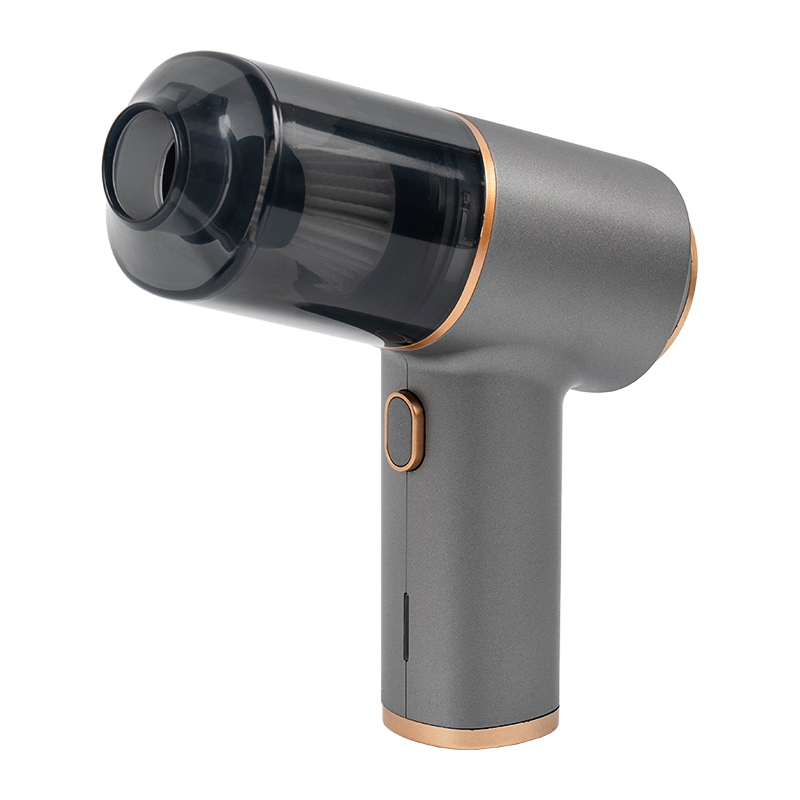
RT-8822 Mini 7.4V Handhold car portable vacuum cleaner powered by an 18650 lithium-ion battery—available in various capacity options—this unit operates at a 7.4V working voltage, ensuring stable and ...
See Details -
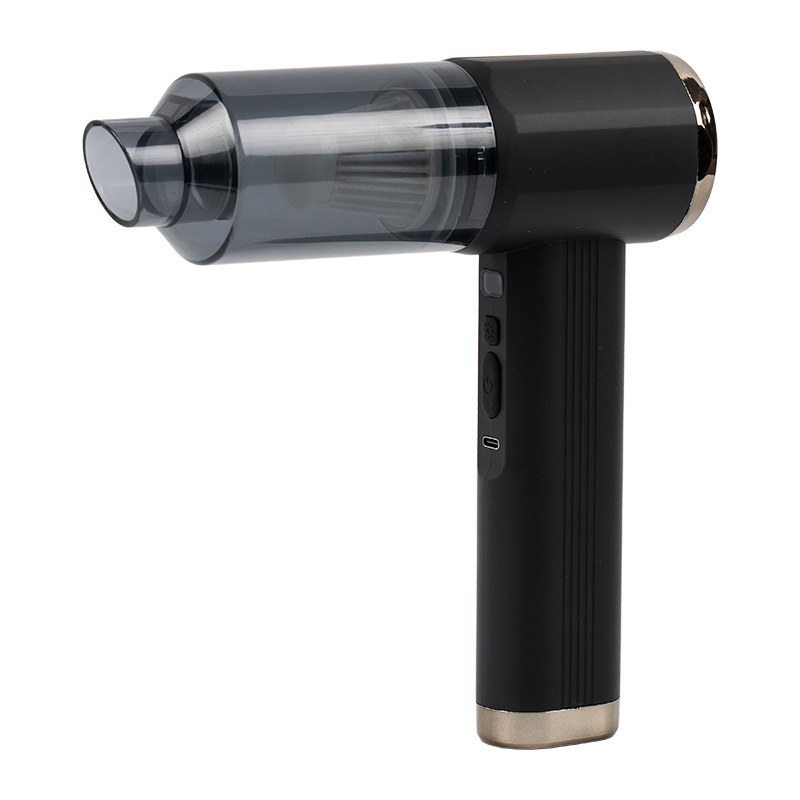
The RT-808 Portable Car Vacuum Cleaner features a brushless motor, a digital display, and an integrated dust-detection light. Powered by a 18650 lithium-ion battery pack—available in 2,000mAh x 3 or 2...
See Details -
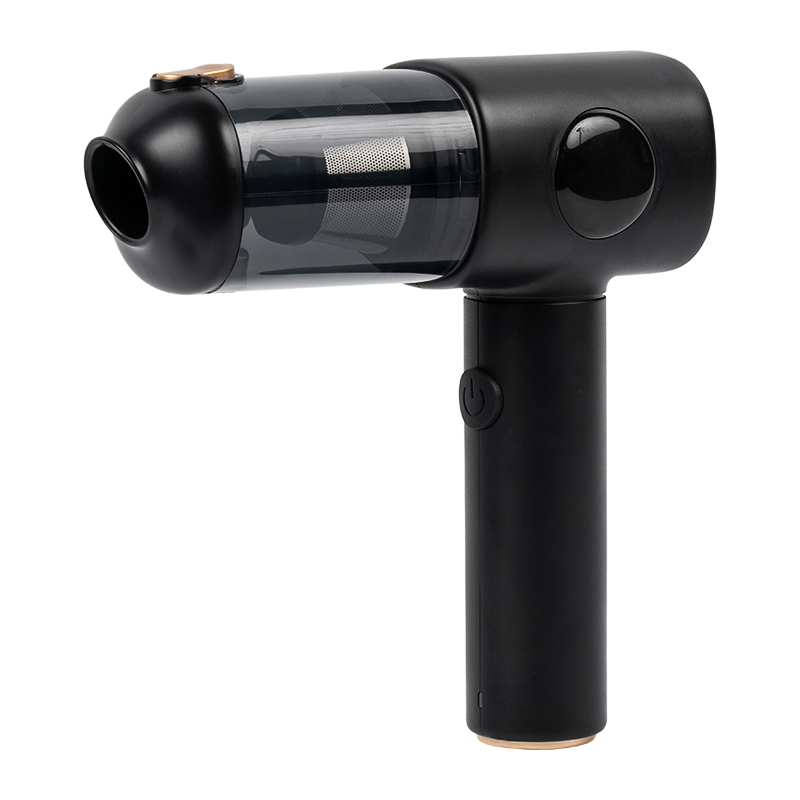
The RT-805 Cordless Car Vacuum Cleaner features a smart display that provides real-time battery status updates, allowing you to precisely monitor the remaining usage time. Boasting a powerful suction ...
See Details -
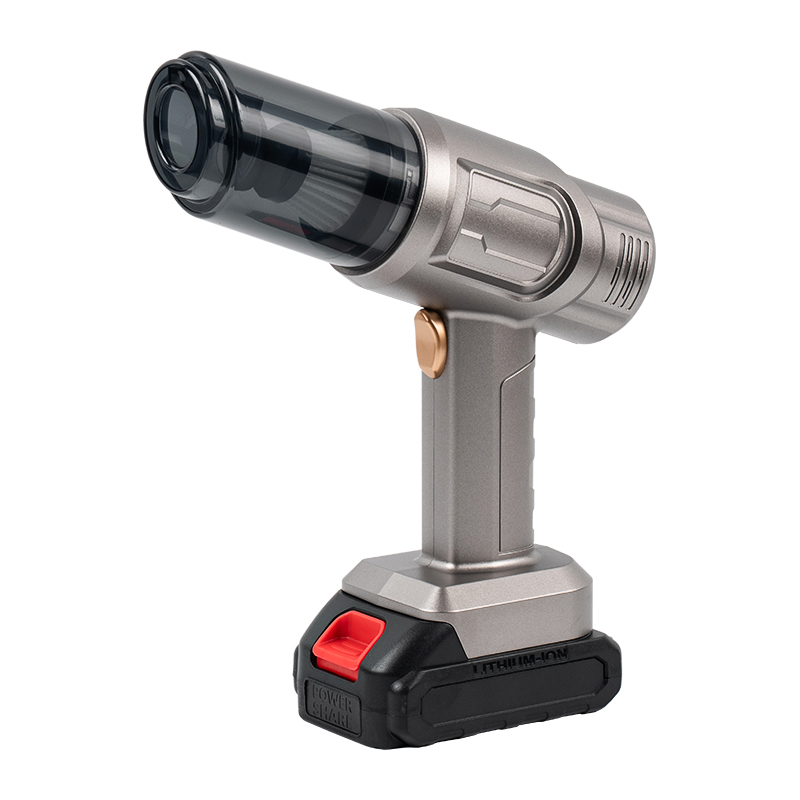
The RT-802 Handhold Vacuum Cleaner features a detachable battery design, supporting external power tool battery packs and compatible with various battery options to flexibly adapt to different usage n...
See Details -
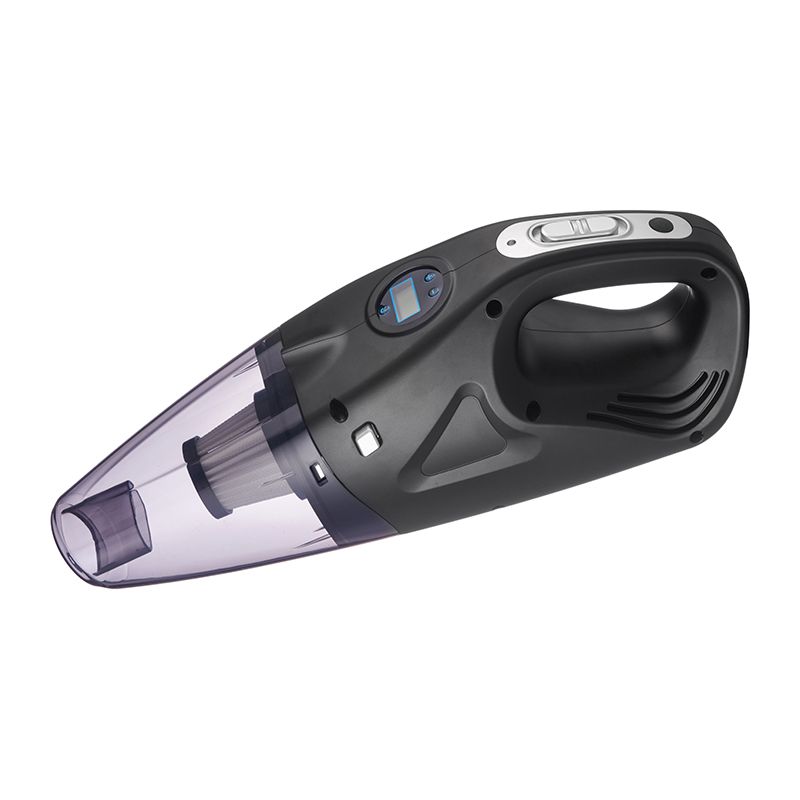
The RT-8822-S 4-in-1 Vehicle-Mounted Vacuum Cleaner—available in both cordless and corded versions—is powered by an 18650 lithium-ion battery (offering various capacity options) and operates at a 12V ...
See Details
News
-
Two handheld vacuums sit on the same workbench. One is a 7.4 V cordless unit rated at 12,600 Pa with a washable filter ...
READ MORE -
You open the back door after a short drive, and your dog jumps out leaving a layer of fur across the rear seat. You rea...
READ MORE -
A Reliable Air Source Belongs In Every Vehicle A portable tire inflator is one of the most practical tools you can keep...
READ MORE -
A portable tire inflator is a compact, self-contained air pump designed to inflate vehicle tires, bicycle tires, motorcy...
READ MORE -
A Car Vacuum Cleaner is an electric appliance that heats water above 100 degrees Celsius in a sealed boiler to produce p...
READ MORE -
Car tire inflators are core accessories for automotive emergency and maintenance. With the increasing number of vehicle...
READ MORE
Message Us Right Now!
Get Connected
 Whatsapp
 Wechat
Copyright © Ningbo Rongteng Auto Accessories Co.,Ltd. All rights reserved.
 Custom Vehicle Tire Inflators Manufacturers
Exhibition Name: Automechanika Shanghai 2026
Date: December 2 to 5, 2026
Location: National Exhibition and Convention Center (Shanghai)
Booth Number: 1.2B96