
 English
 русский
 Español
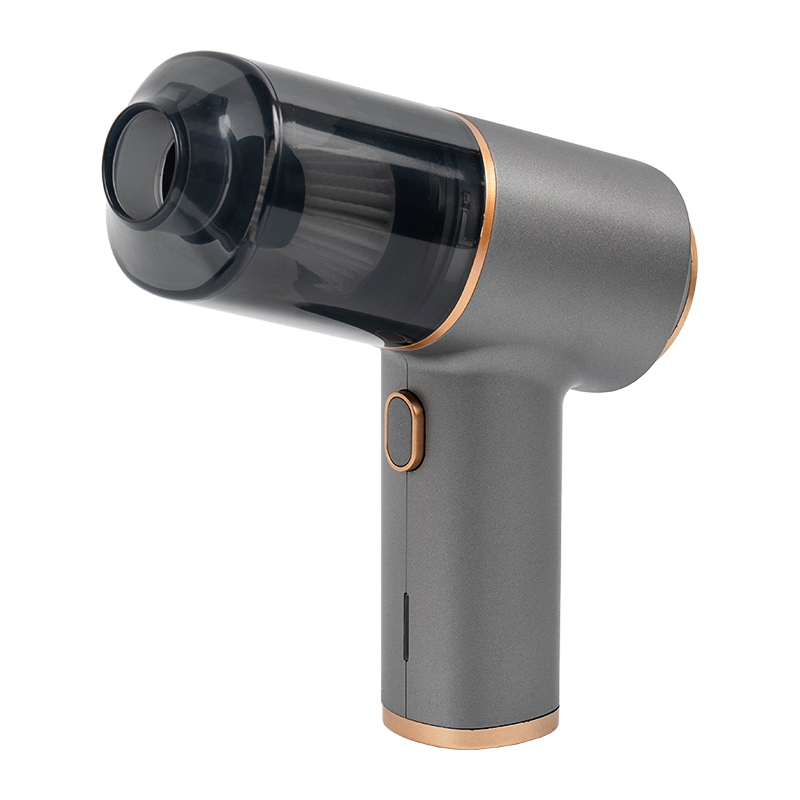
RT-8822 Mini 7.4V Handhold car portable vacuum cleaner powered by an 18650 lithium-ion battery—available in various capacity options—this unit operates at a 7.4V working voltage, ensuring stable and ...
See DetailsIndustry News 2026/09/24
Best Handheld Vacuum for Pet Hair: How to Choose the Right One for Your Car and Home
Content
- 1 Why Pet Hair Is a Unique Test for a Handheld Vacuum
- 2 What “Best” Means: Start with the Cleaning Environment
- 3 Suction Power: How Much Is Enough for Pet Hair?
- 4 Filtration Matters More Than You Think
- 5 Power Source: Cordless Freedom vs. Corded Consistency
- 6 Design and Attachments That Beat Embedded Hair
- 7 Real-World Car Cleaning: Three Points to Consider
- 8 What Our Manufacturing Experience Tells Us to Look For
- 9 Practical Buying Checklist
- 10 Maintenance Tips to Keep Pet Hair Suction Strong
You open the back door after a short drive, and your dog jumps out leaving a layer of fur across the rear seat. You reach for your old handheld vacuum, but it has lost its pull, the filter is clogged, and the brush only pushes hair deeper into the fabric. If you are searching for the best handheld vacuum for pet hair, you already know the real challenge: pet hair is not like ordinary dust. It clings, it tangles, and it hides.
Based on our experience manufacturing car vacuum cleaners and other automotive cleaning tools, we believe the best handheld vacuum for pet hair is not the one with the most expensive logo. It is the one that matches your primary cleaning surface, has enough suction to pull embedded hair from fabric, uses a filtration system that does not blow allergens back into the air, and remains comfortable enough to use in tight spaces like a car interior. This article explains how to compare models on those points, and where our own product range fits into the decision.
We will not give you a single model name and tell you to buy it blindly. Instead, we will walk through the physical reasons why pet hair is hard to clean, the specifications that actually matter, the design details that separate a two-year tool from a six-month disappointment, and the real-world routine of cleaning pet hair from a vehicle. By the end, you should be able to look at any handheld vacuum and judge whether it deserves a place in your car or home.
Why Pet Hair Is a Unique Test for a Handheld Vacuum
Pet hair has physical properties that make it harder to vacuum than dry cereal or beach sand. It is lightweight, which means a weak air stream can simply push it sideways. It is also electrostatic; the same static that makes it stick to your clothes also makes it cling to synthetic car seat fabric and upholstery. Once hair is ground into a fabric weave by a pet sitting or a person kneeling on the seat, it becomes a tangled mat that requires both strong airflow and a mechanical agitator to remove.
The hair itself is not the only problem. A dog or cat also leaves behind dander, saliva residue, dust mites, and outdoor pollen collected during a walk. These particles are small enough to pass through a poorly sealed vacuum and be exhausted back into the cabin. That is why a machine with high peak suction but no proper filter can make a car smell worse and leave sensitive passengers sneezing. In our factory quality checks, we see filters and seams as important as the motor itself.
Pet hair also creates hidden clogs. Hair wraps around brush roller bearings, or collects at the inlet of the dust cup in a dense ball that blocks airflow. Unless the vacuum is designed with smooth air paths and easy-to-clean openings, performance drops within weeks. This is why surface-level specs often tell less than the design details. A model with an impressive-sounding pressure rating may still fail in real use if the air path is badly shaped or the filter is undersized.
Finally, the type of pet coat changes the difficulty. Short, stiff hairs such as those from a German Shepherd can poke into carpet loops and are hard to brush out. Long, fine hairs such as those from a cat can wrap around any rotating part and form felt-like clumps. Curly coats such as those of a poodle produce small springy spirals that bounce away from a brush if the suction is not strong enough. Each coat type needs a proactive approach, not just a big motor.
Understanding these failure points helps you evaluate any “best handheld vacuum” claim. When a review says a model is good on pet hair, ask what kind of pet hair, on what surface, and after how many weeks of use. The best answer is the one that anticipates the messy, tangled, allergen-loaded reality of life with animals.
What “Best” Means: Start with the Cleaning Environment
There is no single handheld vacuum that is objectively best for every pet hair scenario, because a quick wipe of a leather seat and a deep clean of a wool sofa demand different tools. Before you compare models, decide where you will use it most. The three most common areas are the car interior, furniture, and hard floors. Each favors different features.
Car Interiors
Inside a car, you have limited space, awkward angles between seats, and fabric or carpet made of tightly looped material that traps hair. The vacuum should be compact, preferably cordless for freedom of movement, with a narrow crevice tool and a brush head. Wet capability is useful if you also clean muddy paws or a water bowl spill.
Car seats are often shaped with deep bolsters, so the vacuum body must fit between the side cushion and the center console. A long, tube-shaped model tends to slide into these gaps better than a square box. Weight distribution also matters because you will be holding the vacuum away from your body to reach the footwell. A front-heavy unit turns a two-minute cleanup into a wrist-straining chore.
Furniture and Upholstery
Sofas and pet beds require deeper suction and a wide mouth that does not suck the fabric too hard. A motorized brush or rubber bristle head helps lift hair from woven textiles. The dust cup needs to be emptied often, so a one-click empty design is a major convenience. If you clean multiple pieces in one session, a larger dust cup, say 0.5 liters or more, saves you from frequent trips to the bin.
Hard Floors and Stairs
On hardwood or tile, pet hair appears as a line of fluff that can be blown away by a poorly directed outlet. A vacuum with a soft brush or a flexible hose attachment and moderate suction may be enough. Stairs demand low weight and balanced grip. A crevice nozzle with a small brush built into its end makes stair edges much easier to clean.
For many pet owners, the car is the most neglected but highest-frequency area. If you already spend ten minutes a week brushing hair off the seat, a specialized handheld for car use will get more practical use than another living-room stick vacuum. This is why our recommendations later in the article focus on models that are genuinely usable inside a vehicle. The novelty of a perfect sofa cleaner fades if you cannot reach the area beneath the front seat.
Suction Power: How Much Is Enough for Pet Hair?
The industry often expresses suction as static pressure in pascals (Pa). A low-power handheld might generate 3,000 to 5,000 Pa, enough for light dust and cereal crumbs. For pet hair that has been pressed into fabric by body weight, you should look for a figure around 10,000 Pa or higher. Our RT806 model, for example, is rated at 12,600 Pa. In practical terms, this is enough to lift a drinking straw from a surface at a short distance, and more importantly, it can pull hair out of the tight 3D weave of an automobile carpet.
However, raw suction number is not everything. Airflow is also important. A high static pressure at a sealed nozzle does not guarantee that air flows quickly through a wide brush head. The design of the suction inlet, the diameter of the hose, and the fit of the attachment all determine whether the motor’s effort reaches the hair. In engineering terms, you need a balance between pressure and flow. Too much pressure with no flow creates a vacuum that just holds itself tight to the surface, making the brush hard to slide over fabric.
You can test this in a store or with a new purchase by running the vacuum over a car floor mat covered with pet hair. If the machine skates over the surface and leaves a visible trace of hair, the airflow path is not efficient even if the bracket says a high Pa value. Another simple test is to hold the nozzle a few millimeters above the mat. A good motor should still draw hair upward from the weave, not just grab it when the nozzle is pressed down so hard that the gap is sealed.
The table below gives a rough idea of what different suction ranges mean in daily use. We have created this based on our own product testing and on feedback from automotive and pet cleaning customers. It is not a universal standard, but it helps translate a number into a practical expectation.
| Suction range | Typical performance | Best suited tasks |
|---|---|---|
| 3,000–6,000 Pa | Light crumbs, loose hair on hard surfaces | Dashboard, console quick wipe |
| 6,000–10,000 Pa | Moderate clean, visible hair from fabric surface | General interior dusting |
| 10,000–12,600+ Pa | Can pull embedded pet hair, handle wet/dry use | Seat fabric, carpets, pet beds |
The exact value you need depends on how deeply the hair is embedded. If your dog rides daily, choose the upper class. If you only clean up after occasional trips, the middle range may suffice. But keep in mind that suction numbers are often measured with an empty dust cup and a clean filter. In real use, a 10,000 Pa vacuum with a half-full cup and a slightly clogged filter may operate like a 6,000 Pa machine. That is why a design with a large filter area and a short air path is more valuable than a marginal increase in the peak number.
Filtration Matters More Than You Think
Pet hair itself is caught by a pre-filter or a cyclonic chamber, but the particles that carry allergens are much smaller. Dander particles, for instance, are typically 2.5 to 10 microns in size, while dust mite waste can be under 1 micron. If the vacuum exhausts these back into the air, you will feel the effect in your throat and eyes next time you are in the car.
That is why many higher-tier portable vacuums use HEPA filters. A true HEPA filter can remove at least 99.97% of particles 0.3 microns in diameter. For a pet-owning household, this is not a marketing toy; it is the difference between cleaning the seat and redistributing allergens across the cabin. When comparing models, check whether the HEPA filter is rated to the H13 or H14 standard, and whether the filter is replaceable or washable.
Equally important is the filter seal. A vacuum can have a HEPA filter but leak dirty air through a loose seam between the dust cup and the motor housing. Look for silicone gaskets and a mechanism that locks the dust cup into place. Some manufacturers, including our own design team, place extra attention on this point because we have seen how poorly sealed filters cause customer complaints. A simple cigarette smoke test around the seam can reveal leaks, but you should not try that indoors. Instead, shine a bright light and look for any gap where you can see the motor chamber from outside.
There are also different grades of washable filters. A nylon or polycarbonate pre-filter is easy to rinse, but it does not capture the smallest allergens. A pleated HEPA cartridge provides more surface area and slows the airflow less than a small flat filter. Larger filter surface means longer service life between replacements, which is a cost factor in the long run. When we design our RT809 portable vacuum, we balance the filter area against the compact body size so that the vacuum does not lose suction quickly as the filter loads.
For more detail on the quality standards relevant to car vacuum cleaners, see our buying guide and industry quality standards.
Power Source: Cordless Freedom vs. Corded Consistency
Handheld vacuums fall into three broad camps: cordless battery models, corded models that plug into a household outlet or a 12V car socket, and hybrid models that support both. Your choice affects weight, runtime, and reliability.
Cordless Battery Models
Cordless models give you freedom to move around the car, stairs, and furniture without finding an outlet. However, batteries add weight and have limited capacity. For pet hair, a cordless vacuum used at high suction might drain a battery in 10–20 minutes. That is usually enough for a thorough seat cleaning, but not for a whole house. Look for a battery capacity suitable to your cleaning sessions, and consider whether the battery is detachable. A detachable battery lets you carry a spare or replace a worn battery after two years, extending the whole unit’s life.
Battery chemistry also matters. Older nickel-cadmium cells suffer from memory effect, while lithium-ion cells do not. Modern handheld vacuums use lithium-ion because it has a higher energy density and discharges power more steadily. You will see voltage ratings like 7.4V, 10.8V, 12V, or 20V. Higher voltage usually allows a more powerful motor, but the number alone can be misleading if the battery capacity is very small. A 12V battery with 2000 mAh provides less total energy than a 7.4V battery with 4000 mAh, because energy is voltage multiplied by capacity. For a better comparison, look at watt-hours (Wh), which is simply the rated voltage multiplied by the amp-hour rating.
Corded Models
A corded 12V car vacuum can run as long as the car battery has power, but the cable restricts movement and can tangle. In a large SUV, even a 5-metre cord may not reach the rear cargo area effortlessly. Household corded versions have the same limitation. They are usually cheaper and do not suffer from battery aging, but they are less convenient for quick touch-ups.
If you store the vacuum in the garage and plug it into a wall outlet, a corded model is a dependable choice for deep cleaning sessions. The disadvantage is that the cord itself becomes another object to store in a car already crowded with pet carriers and supplies. Some car owners prefer to keep a small cordless unit in the trunk for emergencies and rely on a larger corded model for the house. That gives the best of both worlds without paying extra for a single hybrid machine.
Wired and Wireless Hybrid Designs
Hybrid models, such as some of our RT8800 series vacuums, offer the best of both: you can unplug for a fast interior clean, then plug into the 12V socket for extended work or when the battery runs out. This is particularly useful if you store the vacuum in the trunk. You never worry about forgetting to charge it, because the car’s electrical system can provide backup power.
Voltage is another clue. Many compact car vacuums are 7.4V, which is manageable for light cleaning. Higher voltage systems, such as 12V or 20V, can drive a stronger motor and maintain suction for longer. But voltage alone is not a direct quality indicator; motor efficiency and brushless design matter too. A brushless motor produces less friction noise, lasts longer, and consumes energy more efficiently, which is why we use brushless motors in our higher-end RT808 model.
Design and Attachments That Beat Embedded Hair
Specifications give you the engine, but attachments and body design determine how well that engine reaches the pet hair. A vacuum with 12,000 Pa suction yet no useful crevice tool will leave hair between the seat tracks. Here are the tools and design traits that matter most in a pet-hair handheld.
- A slim crevice nozzle for gaps between the seat, center console, and floor mat.
- A stiff nylon bristle brush or a rubber toothbrush head that loosens hair from carpet loops without damaging the fabric.
- A wide flat nozzle for open areas, making it faster to cover a seat cushion.
- A transparent dust cup so you can see the fill level and notice clogs before the motor weakens.
- A one-touch or quick-release dust cup that allows you to empty the contents without touching hair.
- A washable pre-filter to cut recurring costs, backed by a HEPA filter for fine particles.
- A built-in LED light for dark corners under car seats or couch cushions.
Weight and balance are just as practical. If the vacuum is heavy at the front, your wrist will fatigue during a long pass across the rear seat. Look for a center of gravity aligned with your grip, and consider total weight under 1 kilogram for frequent car use. Noise level also affects pets; a high-pitched motor can make a cat anxious. Silenced motors and rubber-mounted fans help, though not all listings mention this.
Another detail often missing from spec sheets is the inlet design. A clear but short inlet path with no sharp bends prevents hair from gathering into a choke point. In our factory, we test how much hair remains inside the channel after a simulated cleaning cycle. This kind of behavior is more telling than a one-time suction measurement.
Bristle stiffness is another balancing act. Too soft, and the brush just glides over the hair. Too hard, and it scratches painted metal or plastic trim. Rubber bristles tend to create more static and grab hair, while nylon bristles are better at loosening caked-on dirt. Some models offer a two-in-one brush with stiffer bristles only on one side, so you can choose based on the surface. For car interiors, where you move between carpeted floor mats, leatherette seats, and hard plastic consoles, this flexibility is genuinely useful.
Real-World Car Cleaning: Three Points to Consider
If you are buying a handheld vacuum primarily for pet hair in a car, think about the way you will actually use it. You will rarely be cleaning a dry, flat surface. You will be reaching between seats, holding the vacuum in one hand, and using the other hand to pull a mat upward or to release a brush stuck in fabric. The process should be simple.
- Start with the loose hair on the seat surface using a wide nozzle, then switch to a brush head to agitate the fabric, and finally use the crevice nozzle to clean the seams.
- Empty the dust cup before it gets full. In a car, a full cup can quickly reduce suction and make you repeat the same area twice.
- If you allow wet messes (like a spilled water bowl or rain-soaked fur), choose a vacuum with a wet and dry capability. Many car vacuums can pick up small amounts of liquid, but you must be careful with ordinary vacuums not designed for that; moisture can damage the filter and motor.
Having a convenient storage place for the vacuum is a separate but important consideration. A cordless or hybrid model can live in the car trunk or under a seat. If you keep it in the house, you will need to remember to bring it out. We designed our models to be compact enough to fit in the door pocket of most SUVs, although dimensions vary by model. The easiest system is the one you actually use each weekend.
Another real-world issue is the charging location. If you keep a cordless vacuum in the car, you need to pull it out and charge it at home or use a car charger. Some models accept a simple USB-C cable, which makes it easy to top up from a portable power bank. Others use a proprietary charging dock that must be mounted near an outlet. The less friction it takes to keep the battery ready, the more likely you will use the vacuum when the hair is still fresh.
Climate also affects your habit. In summer, a vacuum stored in a hot trunk is exposed to extreme heat that can accelerate battery degradation. If you park in the sun for many hours, a hybrid model with a 12V cord is a safer backup because the battery is not required to run the motor. In winter, cold affects lithium-ion battery performance, reducing runtime temporarily. A corded mode gives you a workaround when the weather makes batteries less reliable.
What Our Manufacturing Experience Tells Us to Look For
After years of making car vacuum cleaners and related automotive equipment, we have a clear picture of what separates a genuinely good handheld vacuum from a short-lived disappointment. The most common complaints we hear relate to diminishing suction after a few months, filters that are difficult to wash, brush heads that knot around hair, and batteries that lose capacity. We have tried to solve these problems in our own lineup, and you can use the same criteria to judge any brand.
Strong Suction and Wet/Dry Versatility
For deep pet hair in car carpet, a wet and dry model with high suction is often the fastest tool. Our RT806 uses a 7.4V motor rated at 12,600 Pa and is designed for both dry debris and small liquid spills. In a single pass over a seat, it can remove hair that has been pressed into the fibers by a heavy pet. The direct, no-bend air path also reduces the chance of hair clumps getting stuck.
 RT-806 Wet & Dry Cordless Car Vacuum with 12,600 Pa SuctionThis wet and dry model offers strong 12,600 Pa suction and a straight air path, making it effective for removing deeply embedded pet hair from car seats and carpets in a single pass.View Product →
HEPA Filtration for Allergen-Sensitive Pet Owners
If you or a passenger gets itchy eyes after cleaning pet hair, pay special attention to the exhaust quality. The RT809 portable vacuum is a cordless model with a HEPA filter and strong suction, aimed at users who need portable cleaning without spreading fine particles. It also has a washable pre-filter to extend the HEPA life.
RT-809 Portable Car Vacuum with HEPA Filter and Cordless DesignIf pet hair leaves you with itchy eyes, this cordless vacuum uses a HEPA filter and washable pre-filter to capture fine dust and allergens, offering clean portable suction.View Product →
Brushless Motor, Display, and Dust Lamp for Practical Use
The RT808 takes the convenience factor further with a brushless motor, an LED display that shows battery level and operational mode, and a dust lamp that reveals hair hidden under dark seat panels. Brushless motors require less maintenance and run cooler, which matters if you clean the car during the summer. The dust lamp is not a gimmick; in the shade of a car interior, it helps you target exactly where hair is lying.
RT-808 Brushless Car Vacuum with LED Display and Dust LampThis brushless model adds an LED display and dust lamp to reveal hair hidden in dark interiors, with quieter operation and reduced maintenance for summer cleaning sessions.View Product →
You do not have to buy from us, but we recommend that any handheld vacuum you choose should be from a manufacturer that can demonstrate experience in both filtration and motor technology. The user experience details mentioned above are rarely visible in a single spec sheet. If possible, look for teardown videos or honest customer reviews that mention the seam quality and filter placement. A company that builds automotive products for a living tends to think about vibration, heat, and bizarre use patterns such as a dog sitting on the vacuum while it is left on the seat.
Practical Buying Checklist
To cut through promotional wording, make a checklist before you start shopping. The right model will likely satisfy most of these points, and you can prioritize according to your main use.
- Suction at least 10,000 Pa for embedded pet hair in automotive fabric.
- HEPA or equivalent filtration with a sealed dust cup.
- Cordless or hybrid operation if you plan to use it around the car, with at least 15 minutes of real run time at high power.
- Detachable battery or easy-replacement battery design to extend product life.
- Narrow crevice tool and stiff brush head included in the box.
- Transparent dust cup with a one-press empty system.
- Wet and dry capability if you expect wet pet paws or spills.
- Weight under 1 kg for comfortable handheld work.
- Reasonable motor noise level, especially for anxious pets.
- Availability of spare filters and nozzles.
This list is not a list of impossible features. Many compact car vacuums already cover six or seven of these points. The “best” one is the one that checks the items most relevant to your daily routine. If you only clean a single sedan with a short-haired dog, a lighter model with moderate suction may be fine. If you have a family SUV, a double-coated dog, and a gravel driveway, you need more of everything.
Maintenance Tips to Keep Pet Hair Suction Strong
Once you have a capable vacuum, simple maintenance keeps it capable. Pet hair accelerates wear if the airflow channel is blocked, so take these steps on a schedule.
- After every heavy use, remove the brush head and pull off any hair wound around the axle. Do not wait for it to shrink into a tar-like mass.
- Clean the washable pre-filter under running water and let it dry completely before replacing. A damp filter traps dust and grows bacteria.
- Inspect the dust cup gasket. If you see dust passing through to the motor area, replace the gasket.
- Keep the battery charged between 20% and 80% if the vacuum will not be used for a few weeks. This avoids deep discharge damage.
- For wet and dry models, empty the cup immediately after liquid pickup, wipe it dry, and leave the filter dry before closing.
These steps take less than ten minutes a month and can double the effective service life of a handheld vacuum. One additional habit that pays off is wiping the suction inlet with a dry microfiber cloth before you put the vacuum away. This removes the thin film of grease and dust that tends to trap the next generation of hair into a stubborn layer.
So what is the best handheld vacuum for pet hair? The answer, as we have seen, depends on where you clean and how much suction and filtration you really need. For the car interior, focus on high suction around 10,000 Pa or more, effective HEPA or sealed filtration, battery convenience, and tools that reach into gaps. Keep maintenance simple, and buy a model from a company that understands how these components work together in daily use.
At Ningbo Rongteng Auto Accessories, we make handheld car vacuums designed around these exact challenges. If you are still comparing models, use the checklist above to evaluate any candidate. By matching your environment to a machine that earns your trust in the first month, you will still be reaching for it years later.
Let's Talk
Keep in touch with us
Related products
-
-
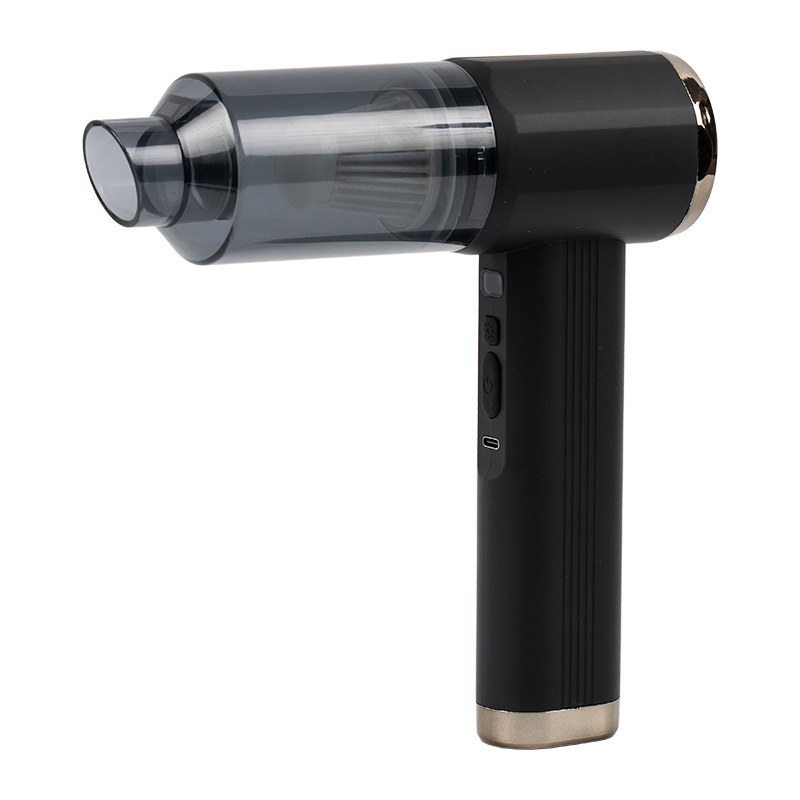
The RT-808 Portable Car Vacuum Cleaner features a brushless motor, a digital display, and an integrated dust-detection light. Powered by a 18650 lithium-ion battery pack—available in 2,000mAh x 3 or 2...
See Details -
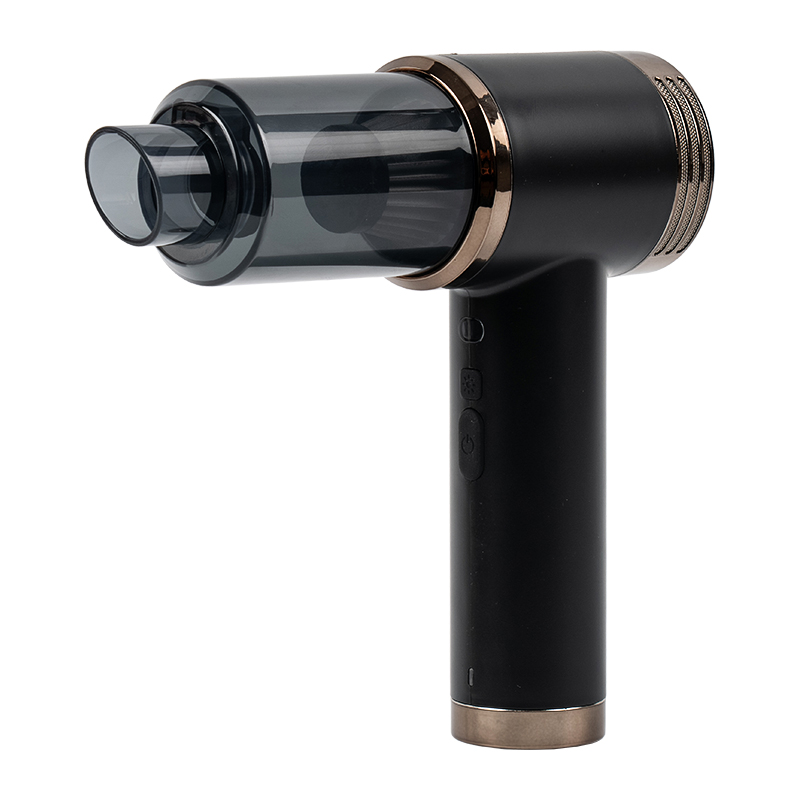
RT-807 Handhold Air Car Vacuum Cleaner Cordless Wet & Dry With Display Dust Lamp equipped with 18650 lithium-ion batteries—available in 1,800mAh x 2 or 2,000mAh x 2 configurations—this unit operat...
See Details -
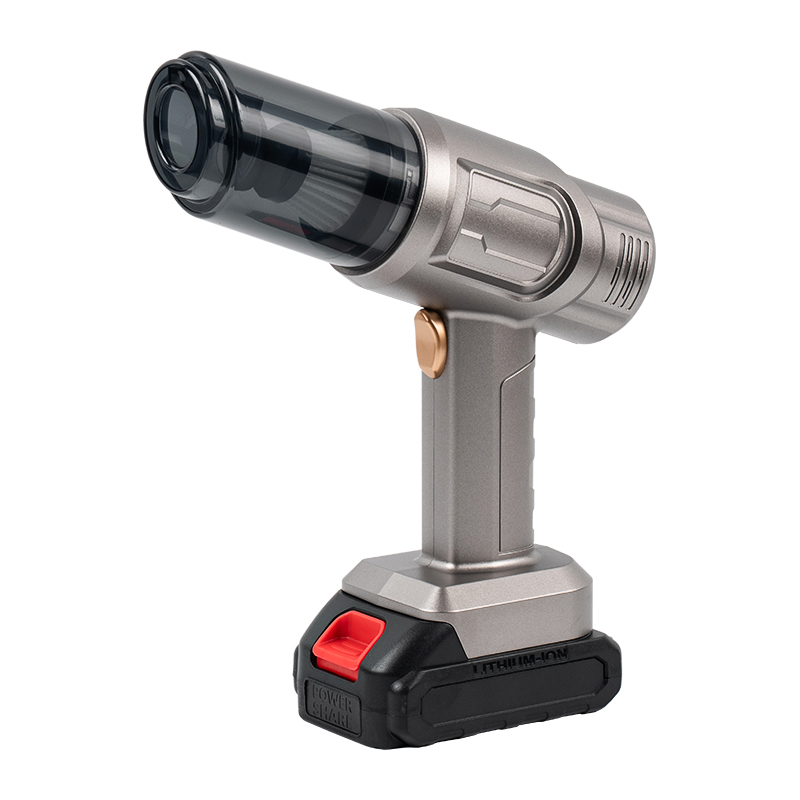
The RT-802 Handhold Vacuum Cleaner features a detachable battery design, supporting external power tool battery packs and compatible with various battery options to flexibly adapt to different usage n...
See Details -
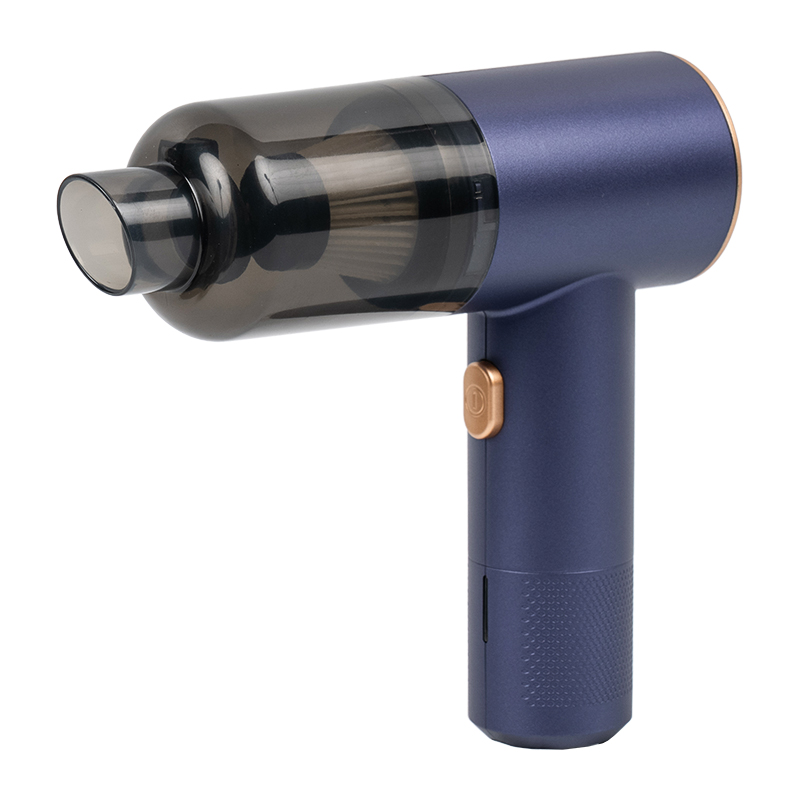
The RT-801 7.4V Wireless Car Vacuum Cleaner features a 7.4V wireless lithium battery design with multiple built-in battery options, ensuring stable battery life and meeting daily car interior cleaning...
See Details -
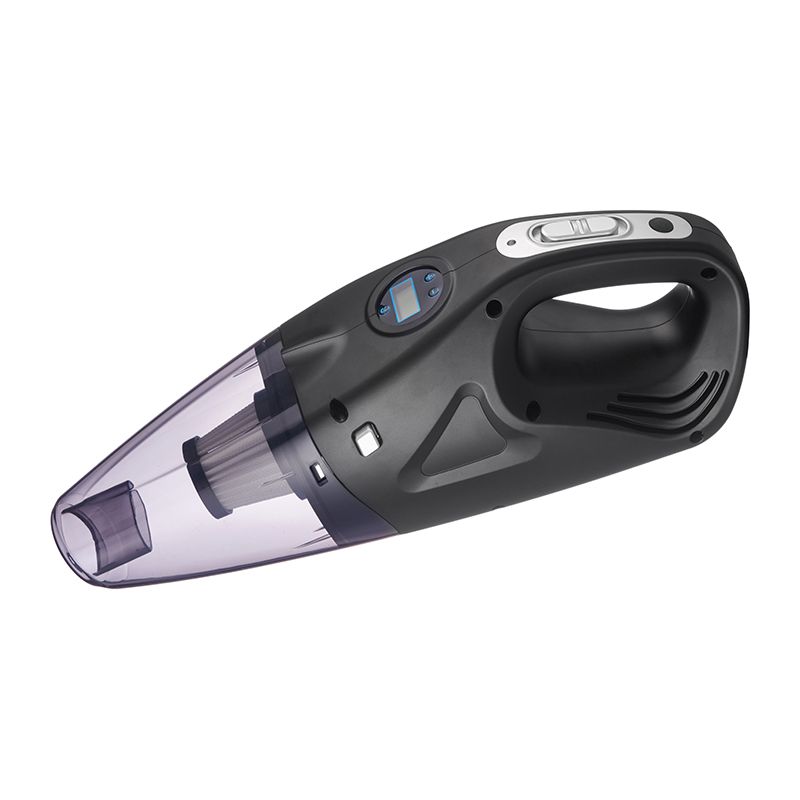
The RT-8822-S 4-in-1 Vehicle-Mounted Vacuum Cleaner—available in both cordless and corded versions—is powered by an 18650 lithium-ion battery (offering various capacity options) and operates at a 12V ...
See Details
News
-
Two handheld vacuums sit on the same workbench. One is a 7.4 V cordless unit rated at 12,600 Pa with a washable filter ...
READ MORE -
To inflate tires at a gas station correctly: check your vehicle's recommended tire pressure from the sticker inside th...
READ MORE -
Vacuuming a car properly is not a one-pass task. If you only move the nozzle over the visible surfaces, you are leaving...
READ MORE -
You bought a compact 12V car vacuum cleaner to keep under the seat of your SUV. It handles coffee spills, crushed crack...
READ MORE -
How to inflate tires correctly is a routine skill that every driver eventually faces, yet it is also a task many people...
READ MORE -
You open the rear door and see the evidence: crushed cereal under the child seat, fine sand worked into the carpet, dog...
READ MORE
Message Us Right Now!
Get Connected
 Whatsapp
 Wechat
Copyright © Ningbo Rongteng Auto Accessories Co.,Ltd. All rights reserved.
 Custom Vehicle Tire Inflators Manufacturers