
 English
 русский
 Español
RT-807 Handhold Air Car Vacuum Cleaner Cordless Wet & Dry With Display Dust Lamp equipped with 18650 lithium-ion batteries—available in 1,800mAh x 2 or 2,000mAh x 2 configurations—this unit operat...
See DetailsIndustry News 2026/10/15
What Is the Best Handheld Vacuum? A Practical Guide for Cars and Homes
Content
- 1 The 30-Second Answer: Match the Vacuum to the Mess
- 2 Suction Ratings Explained: Pascals, Air Watts, and Airflow
- 3 Why a Clean Filter Beats a Bigger Motor
- 4 Battery Voltage, Runtime, and the Cordless Trade-Off
- 5 Filtration and the Air Inside a Closed Cabin
- 6 Wired, Cordless, or Hybrid: Choosing the Power Source
- 7 Weight, Reach, and Nozzle Design
- 8 Dust Cup Capacity and Maintenance Reality
- 9 Noise, Vibration, and Passenger Comfort
- 10 Best Handheld Vacuum by Use Case
- 11 Mistakes That Make People Regret the Purchase
- 12 How to Test a Handheld Vacuum in Under an Hour
- 13 Certifications and Sourcing Questions for Volume Buyers
- 14 Where the RT Series Fits: Notes from a Car Vacuum Manufacturer
Two handheld vacuums sit on the same workbench. One is a 7.4 V cordless unit rated at 12,600 Pa with a washable filter and a 2,500 mAh battery. The other is a 12 V corded model that plugs into the cigarette lighter, carries no battery at all, and never needs charging. On a dry footwell, both clear the same sand in roughly the same time. On a spilled coffee, only the first is designed to survive the job. On a four-hour valeting session, only the second is still running after twenty minutes.
That gap is the honest answer to the question of what the best handheld vacuum is. There is no single winner, and any list that crowns one model for every buyer is really describing the reviewer's habits rather than yours. The best handheld vacuum is the one whose suction, filtration, runtime, and physical form match the mess you clean most often. If you are buying in volume rather than for one car, add a second layer: the best unit is the one whose manufacturer can back those four attributes with test data instead of adjectives.
For most private car owners, "best" resolves into a fairly narrow profile: a cordless handheld weighing under 1.5 kg, sealed suction in the 10,000 to 13,000 Pa band, a washable HEPA or cyclonic pre-filter, 15 to 20 minutes of genuinely usable runtime on the high setting, and a crevice tool long enough to reach under a seat rail without removing the seat. For fleet and trade buyers, the same profile applies with three additions: a removable battery, a documented 300 to 500 cycle life, and spare filters listed as a separate purchasable part rather than a support request.
The rest of this guide explains why those numbers were chosen, where marketing figures diverge from measurement standards, which specifications actually predict cleaning performance, and how to test a candidate unit in under an hour without a laboratory.
The 30-Second Answer: Match the Vacuum to the Mess
A handheld vacuum is a compromise machine. It trades dust cup volume, runtime, and filter surface area for the ability to live in a door pocket and be ready in three seconds. Because something has to give, the useful question is never "which model is best" in the abstract, but "which compromise is acceptable for the job I do every week."
Write down the three jobs you will realistically do most often. For most people that list looks like dry crumbs and sand in footwells, pet hair bonded into fabric, and the occasional liquid spill from a leaking cup holder. Each of those three jobs rewards a different specification, and no single budget unit optimizes all three. The table below maps the common jobs to the attributes that decide success.
| Primary job | What decides success | Specification profile to look for |
|---|---|---|
| Weekly footwell and seat cleaning, one or two cars | Runtime, reach, and ease of emptying | 7.4 V to 12 V cordless, 0.4 to 0.7 L cup, 40 to 50 cm crevice tool, 10,000 to 13,000 Pa |
| Pet hair bonded into carpet and seat fabric | Open airflow and mechanical agitation, not peak sealed suction | Stiff-bristle or motorized brush tool, brushless motor, HEPA after-filter |
| Child seats, cereal, dry spills | Dust cup capacity and one-handed emptying | 0.5 L cup or larger, cyclonic pre-separator, quick-release lid |
| Coffee, milk, or rain-soaked mats | Wet-dry separation and a disciplined drying routine | Float valve, separate liquid path, washable filter fully dried for 24 hours before reuse |
| Deep valeting, 30 to 60 minutes continuous | Duty cycle and heat management | 12 V corded, 8 to 15 A draw, thermal cut-out, 3.5 to 5 m cable |
| Fleet, shop floor, or trade use | Battery replacement cost and parts availability | Removable 18650 or 21700 pack, 300 to 500 cycle rating, filters sold as catalogue spares |
If your list is dominated by row one, a mid-priced cordless handheld is the correct purchase and anything more expensive is largely cosmetic. If rows two and three dominate, spending more on airflow and filtration pays back immediately. If row four appears at all, buy a wet-dry unit or accept that a dry-only vacuum will eventually smell of sour milk.
Suction Ratings Explained: Pascals, Air Watts, and Airflow
Almost every handheld vacuum is sold on a pascal figure, and almost nobody explains what that figure measures. Pascals describe pressure difference, and in vacuum marketing the number is usually captured with the inlet sealed, meaning the nozzle is blocked. In that state, airflow is zero and the motor is simply pulling against a closed door. A sealed suction rating tells you how firmly the unit can grip a stuck particle or pull a mat against a seat rail. It tells you almost nothing about how quickly the tool will clear a footwell.
Cleaning performance is the product of airflow and vacuum, which is why engineers talk about air watts rather than pascals. Air watts are calculated by measuring airflow through a defined orifice and multiplying it by the vacuum available at that flow. The relationship produces a curve, not a single point: a vacuum that claims a spectacular sealed figure may sit at the low-airflow end of that curve and take longer to lift loose grit than a modestly rated unit operating near its airflow peak.
Two measurement practices explain most of the confusion you will see between reviews:
- Measurement location. A number taken at the motor inlet, before the filter and hose, is higher than the same machine measured at the nozzle. Both are technically true and neither is useful to a buyer unless the measurement location is stated.
- Filter condition. Standards such as IEC 62885-2 define how cordless vacuum performance is measured, and those methods specify clean filters and defined orifice sizes. Marketing numbers frequently do not.
Translation into practice is straightforward. For a car interior, a cordless handheld producing somewhere between 10,000 and 13,000 Pa of sealed suction with a reasonably open airflow path will clear sand, crumbs, and dry soil from carpet and plastic trim without a second pass. Units below about 6,000 Pa feel weak on carpet and are better suited to hard trim and keyboards. Units well above 15,000 Pa exist, and they can be genuinely useful for embedded grit in deep pile, but they usually arrive with a larger battery, more weight, and a higher noise signature.
 RT-806 7.4V Cordless Wet & Dry Car Vacuum with Li-Ion BatteryCordless handheld car vacuum with 12,600 Pa maximum suction, wet and dry pickup, Type-C charging, and extended runtime for daily vehicle interior cleaning.View Product →
The lesson worth remembering is that the pascal figure is a ceiling, not an average. What you experience in the driver's footwell depends on how much air the tool can keep moving once a filter has collected a few grams of fine dust, and that is a filter design question rather than a motor question.
Why a Clean Filter Beats a Bigger Motor
Airflow degrades as a filter loads, and it degrades faster than most owners expect. A unit with a thin foam pad and no pre-separation can lose a meaningful share of its airflow after three or four footwells of fine dust, which is why a cheap vacuum feels strong on day one and disappointing on day twenty. A unit with a cyclonic pre-separator and a pleated HEPA element keeps the fine media comparatively clean, so it holds closer to its rated performance across a longer working life.
There is a second, more expensive reason to care about filtration: abrasives. Sand is quartz, and quartz is harder than most impeller materials. If the pre-filter is coarse enough to pass grit straight into the impeller housing, the impeller edges round off over time, blade clearance opens, and the motor spins faster for less suction. This is a slow failure that never appears in a warranty claim but shows up clearly in the sixth month of ownership. A cyclonic stage that drops the heavy fraction before it reaches the impeller is the single most effective piece of preventative design in a car vacuum.
Filtration also determines what leaves the machine. In a closed cabin with the windows up, the exhaust air from a vacuum ends up in the same volume you are breathing. A machine with a leaking dust cup seal will distribute the finest fraction of what it just collected across the dashboard. The car vacuum cleaner buying guide covers the quality standards behind this in more depth, but the field test is simple: with the unit running on high and the cup partly loaded, hold a phone torch beam across the exhaust grille in a darkened garage. Visible dust in the beam means the seal stack, not the filter class, is the weak point.
Three habits keep filtration working:
- Empty the cup when it reaches two-thirds full. Beyond that, the cyclone loses efficiency and fine dust bypasses into the pleats.
- Tap, do not scrub, the pleated element. Rubbing drives dust deeper into the media and shortens its life.
- If the element is washable, rinse it from the clean side and let it air dry for a full 24 hours. A damp filter grows mould, and a mouldy filter turns every subsequent cleaning job into an unpleasant one.
Battery Voltage, Runtime, and the Cordless Trade-Off
Battery voltage is the least understood specification on the box. A 7.4 V handheld sounds weak next to an 18 V stick vacuum until you account for motor technology and impeller design. A modern brushless motor running at high rotational speed through a well-matched impeller can generate the same nozzle suction from a 7.4 V, two-cell pack that an older brushed design needed 12 V to reach. Voltage describes the electrical supply, not the cleaning result.
What voltage does affect is runtime, because runtime is an energy budget. A two-cell pack built from 2,500 mAh cells stores roughly 18 to 19 watt-hours. A machine drawing about 120 W on high will empty that pack in under ten minutes of theoretical operation, and losses, cell sag under load, and controller cut-offs typically bring the real figure to six or eight minutes. The same machine on a lower setting, drawing perhaps 30 W, will run for 30 minutes or more. This is why honest runtime claims always come in pairs, and why a single "up to 40 minutes" headline deserves scrutiny.
Several practical consequences follow:
- Bigger cells, not higher voltage, buy runtime. A 21700 cell stores roughly double the energy of an 18650 of the same generation, and packs built from them last noticeably longer at the same suction.
- Charge time scales with the charger, not the vacuum. A basic 5 V, 2 A input needs about two and a half to three hours to refill an 18 Wh pack. USB-C Power Delivery at 20 to 30 W roughly halves that, which matters if the vacuum lives in a car that is only parked overnight.
- Heat is the enemy of calendar life. Lithium-ion cells kept above roughly 45 °C age faster, so leaving a cordless vacuum on the rear parcel shelf through a summer is a genuine way to shorten its working life by a year or more.
- Cycle life is finite and predictable. A decent cell reaches about 80 percent of its original capacity after roughly 300 to 500 full cycles. At three cleaning sessions per week, that is three to five years before runtime becomes noticeably shorter.
This is why a removable battery should be on your shortlist even for personal use, and why it is non-negotiable for fleet buyers. The battery is the only consumable in a handheld vacuum that costs more than a filter, and a pack that can be swapped extends the working life of the entire tool. A detachable design also lets a two-car household keep one spare pack on charge rather than buying a second vacuum.
Filtration and the Air Inside a Closed Cabin
Cabin air is a closed loop. Everything the vacuum fails to capture is recirculated into a volume of roughly three to four cubic metres, which is a small enough space that filtration quality becomes noticeable within a single cleaning session. For anyone with pollen or dust sensitivity, or for households where children ride in the back, this is the specification that matters more than the pascal figure.
HEPA classifications are defined by particle capture efficiency, and the differences between classes are larger than the naming suggests. Filters rated H10 capture the large majority of particles at the most penetrating size around 0.3 micrometres, while H13 media capture well over 99.9 percent at the same particle size. Both are legitimate; the second is the one you want if you are cleaning around a passenger with asthma.
The catch is that filter class only matters if the housing is sealed. A high-grade element sitting in a poorly gasketed dust cup leaks at the lid seam, and a leaking H13 performs worse than a sealed H10. That is why smoke testing, rather than specification reading, is the fastest way to judge filtration quality. Burn an incense stick next to the nozzle and watch where the smoke goes when the tool is running on high.
RT-809 Portable Cordless Car Vacuum Cleaner with HEPA FiltrationCompact cordless car vacuum with 12,000 Pa maximum suction, multi-level adjustment, HEPA filtration, and Type-C charging for varied interior debris.View Product →
Wet-dry capability interacts with filtration in a way that surprises first-time buyers. Liquid passing through a dry pleated filter ruins it and produces a smell that no amount of washing removes. Genuine wet-dry units route liquid around the dry media through a separate path or a float valve, and even then the element should be removed and dried before the next dry cleaning job. If your routine includes spilled drinks, choose a unit designed for it rather than improvising with a dry vacuum.
Wired, Cordless, or Hybrid: Choosing the Power Source
The power source decision is simpler than the marketing suggests, and it comes down to how long you clean in one sitting. Under ten minutes, cordless wins on convenience by a wide margin. Over thirty minutes, corded wins because it has no runtime limit and no battery to replace.
A 12 V corded car vacuum draws its power from the accessory socket. The relevant constraint is the vehicle fuse, which is typically rated at 15 A and occasionally 10 A. At 12 V that caps realistic continuous draw at roughly 120 to 180 W, which is ample for a well-designed impeller but is also why unusually powerful corded units can blow a fuse in older cars. Two other vehicle-specific details catch people out: many cars cut power to the accessory socket when the ignition is off, and some cut it when the engine is running. Test your own socket before relying on it.
Cold weather is the cordless weakness that rarely appears in reviews. A lithium-ion pack at freezing point can deliver noticeably less usable capacity than the same pack at room temperature, so a vacuum left in the boot through a cold snap will feel weaker on the first job of the morning and recover once the cabin warms. Corded units are immune to this.
Hybrid designs exist precisely to resolve the trade-off. A unit that accepts both an internal battery and a 12 V lead lets you clean cordlessly for quick jobs and switch to continuous power for a full valet. A handheld vacuum is not the only tool competing for that job, though, and compressed-air blowers remain a legitimate option for dry, loose debris in hard-to-reach vents. For mixed debris, including anything sticky, a vacuum still wins, because blowing moves the problem rather than removing it.
Weight, Reach, and Nozzle Design
Weight is the specification that decides whether a handheld vacuum gets used. A unit between 0.9 and 1.5 kg including the battery is comfortable for a full car interior. Above roughly 1.8 kg, arm fatigue arrives within five to eight minutes when you are holding the tool overhead or reaching across a rear bench, and the tool starts spending more time in the boot than in your hand.
Balance matters as much as mass. A vacuum with the battery mounted under the handle feels lighter than one with the cell at the front, even at identical total weight, because the centre of gravity sits closer to your wrist. Handle diameter is the other quiet factor; a grip that forces your fingers to splay will tire faster than one you can close comfortably.
Reach is where cheap tools fail visibly. Crevice tools shorter than about 40 mm cannot get past a seat rail, and once you start moving seats to clean underneath them, a two-minute job becomes a twenty-minute job. Look for a crevice nozzle of 40 to 50 mm, a soft brush for vents and dashboard seams, and ideally a short flexible extension that lets you follow the curve of a footwell without lifting the mat.
Two further design details are worth paying for. First, a light mounted at the nozzle rather than on the body: the debris that causes the most frustration lives in shadow, and a lamp that points where the nozzle points turns guesswork into a visible task. Second, a transparent dust cup, so you can see loading before performance drops. Neither feature is expensive to manufacture, and both change how often the tool is picked up.
Dust Cup Capacity and Maintenance Reality
Handheld dust cups range from roughly 0.3 to 0.7 L, and the practical difference between those two figures is whether you empty the cup once per car or three times. Fine automotive dust is light but bulky; a 0.5 L cup comfortably handles a full interior clean on a car that has not been vacuumed in a month, whereas a 0.3 L cup will need emptying halfway through the rear seats.
Emptying speed matters as much as capacity. A one-handed release that lets you tip the cup into a bin without removing the nozzle is worth more in daily use than an extra 100 mL. Look at how the lid seals, too: a lip seal that collects dust on its mating surface will eventually stop sealing, and that is the beginning of the exhaust-leak problem described earlier.
Consumables form a predictable budget. Filters, if you maintain them properly, will last six to twelve months before the media stops recovering, and replacement elements are inexpensive when they are sold as standard parts rather than accessories. If a manufacturer does not list filters in the catalogue, treat the vacuum as disposable, because a sealed system with no spare filter path has a fixed service life.
The maintenance routine itself takes ten minutes a month:
- Empty the cup and wipe the seal lip with a dry cloth.
- Tap the pleated element against a bin, then inspect it against a light for torn pleats or a grey, matted surface.
- Wash a washable element under lukewarm water from the clean side, and let it dry for 24 hours away from direct heat.
- Check the brush tool for wound hair and cut it free before it damages the bristles or the bearing.
- Wipe the battery contacts, and store the pack between roughly 20 and 60 percent charge if the tool will be unused for a season.
Noise, Vibration, and Passenger Comfort
Handheld vacuum noise typically falls between 70 and 80 dB(A) at one metre, which is loud enough to be unpleasant in a closed garage at seven in the morning. Loudness is worth understanding properly: a three decibel increase represents a doubling of acoustic power, so the difference between a 72 dB tool and a 78 dB tool is roughly four times the sound energy, not a modest step up. A ten decibel gap is perceived as approximately twice as loud.
The character of the sound matters as much as the level. A brushless motor generally produces a smoother, lower-frequency tone than a brushed equivalent at the same suction, and high-pitched whine is more irritating to nearby people than a broader noise at identical decibels. Vibration travels through the handle into the wrist, and a tool that buzzes noticeably through a thirty-minute session is fatiguing in a way that is difficult to quantify and easy to feel.
Practical mitigations are simple. Choose a brushless unit if you clean early in the morning or in an apartment building with a shared garage. Keep the tool on a lower setting whenever the debris is light, because the lower setting is usually several decibels quieter as well as more efficient. If you are purchasing for a service business, note that sustained exposure above 85 dB(A) is where hearing-protection guidance typically begins, and a handheld vacuum in a confined space can approach that depending on how you hold it.
Best Handheld Vacuum by Use Case
With the specifications explained, the recommendation narrows to a set of configurations rather than a single product. Choose the row that matches your situation, and treat the specification bands as minimums rather than targets to exceed.
| Scenario | Recommended configuration | Reasoning |
|---|---|---|
| One car, weekly clean, street or apartment parking | 7.4 V cordless, around 12,600 Pa sealed suction, 0.5 L cup, HEPA filter, USB-C charging | Shorter runtime is acceptable because the job takes under ten minutes, and lighter weight wins on convenience |
| Two cars plus a dog | 11.1 V to 18 V cordless, brushless motor, brush tool, HEPA after-filter, removable pack | Pet hair needs airflow and agitation together; a removable pack means one spare battery covers both vehicles |
| Family with young children | Wet-dry unit, 0.6 L cup, float valve, washable element with a full drying routine | Spilled drinks are inevitable; a dry-only vacuum will smell permanently after one incident |
| Rideshare, taxi, or delivery vehicle | Hybrid or corded 12 V primary with a cordless backup, 15 A fuse compatible | Continuous power for between-passenger cleaning, cordless for quick touch-ups |
| Detailing or valeting business | Corded 12 V for sustained duty, plus a lightweight cordless with a nozzle lamp for interiors | Runtime limits are unacceptable at commercial volume; a lamp reduces re-work in dark footwells |
| Home use: stairs, sofa seams, then the car | Cordless with 25 minutes or more on low, brush and crevice tools, wall or bag storage | The tool you store within reach is the tool that gets used; long low-mode runtime covers the stair flight between charges |
Two notes apply across every row. First, a heavier, more powerful unit is not an upgrade if it stops being used, so buy the lightest tool that meets the suction and runtime minimums. Second, factor one spare filter into the purchase price. The difference between a five-year vacuum and a two-year vacuum is usually a twelve-dollar consumable.
Mistakes That Make People Regret the Purchase
The failures repeat, and they are predictable. Most dissatisfied owners can trace the problem back to one of the following.
- Buying on the pascal figure alone. Sealed suction is a headline, not a performance predictor, and a well-filtered 9,000 Pa unit can outperform a poorly sealed 15,000 Pa one after five minutes of use.
- Ignoring filter serviceability. If the element is buried behind six screws and cannot be washed or replaced, the vacuum has a scheduled end of life.
- Assuming USB-C means fast charging. Many tools use a USB-C connector wired to a basic 5 V input, which charges no faster than the older barrel jack.
- Choosing cordless for a job that runs 40 minutes. Runtime claims are usually quoted on the lowest setting; the high setting is often a third of that figure.
- Overlooking the vehicle fuse. A 12 V vacuum drawing more than the socket rating will work perfectly until it does not, and the fuse usually fails on the coldest morning of the year.
- Buying a fixed battery to save a few percent. When the pack reaches 80 percent capacity, the entire tool becomes a paperweight.
- Underestimating noise in a shared space. A 78 dB unit used at 6 a.m. in a communal garage creates problems that have nothing to do with cleaning.
- Assuming the dust cup is bigger than it is. Capacity in litres is often quoted for the gross cup volume, not the usable fill line.
- Neglecting storage. A vacuum kept loose in a boot with a tyre iron will crack its housing long before it wears out electrically.
- Buying for a scenario that does not exist. Most owners clean a car interior for eight to twelve minutes a week; tools designed for commercial valeting are the wrong tool for that job.
How to Test a Handheld Vacuum in Under an Hour
You do not need a laboratory to separate a good handheld vacuum from a well-photographed one. The following sequence can be run on a borrowed sample or a first production unit in about forty-five minutes, and it will surface most of the problems that only appear after weeks of ownership.
- Log the baseline. Fit a clean filter and a fully charged battery. Record the exact configuration so the comparison is repeatable later.
- Run the rice test. Spread 50 g of dry rice across a carpeted footwell and time how long it takes to clear with a single pass. Anything over about twenty seconds for that quantity suggests weak airflow at the nozzle.
- Run the sand test. Use 100 g of kiln-dried sand on a rubber mat. This is the abrasive case that separates cyclonic designs from foam-only filtration, and it is the test most likely to reveal long-term wear risk.
- Run the hair test. Work a clump of pet hair into a fabric sample and use the brush tool. If the brush stalls or the hair wraps around the bearing, the tool is not suited to a household with animals.
- Test liquid handling only if the unit claims wet-dry capability. Pour 50 mL of water into a tray and confirm the float valve stops intake before water reaches the motor. Then dry the element completely.
- Measure real runtime. From a full charge, run the tool on the highest setting until the controller cuts off, and note the time. Repeat on the lowest setting. This pair of numbers is the only runtime claim worth trusting.
- Measure charge time. From empty, log how long the pack takes to reach full. Compare it against the marketing figure and against how long the vehicle is parked overnight.
- Check filter loading. Repeat the rice test after five minutes of continuous running and compare the time. A large increase indicates the filter is loading quickly.
- Measure noise. Use a phone sound-level application at one metre on the highest setting. Treat anything above 80 dB(A) as a scheduling constraint.
- Check ergonomics and durability. Weigh the unit with the battery installed, then hold it overhead for three minutes. Drop it from one metre onto concrete on each of its six faces and confirm the dust cup seal has not cracked or shifted.
- Run a thermal soak. Operate continuously for 30 minutes and note whether a thermal cut-out intervenes and how long it takes to reset. For domestic use this is optional; for trade use it is the decisive test.
Write the results down. Once you have run the same eleven checks on two or three candidates, the choice usually becomes obvious, and the reasoning is defensible to a purchasing committee rather than being a matter of taste.
Certifications and Sourcing Questions for Volume Buyers
If you are buying one vacuum for one car, the compliance documents are background noise. If you are buying a container, they determine whether the goods clear customs and whether you can defend the product after a failure. Four document sets cover most of the requirement.
- Performance and safety of the finished appliance. Cordless vacuum performance is addressed by IEC 62885-2, and electrical safety by the applicable household appliance standard for your destination market.
- Cell and pack safety. IEC 62133-2 covers lithium-ion cells and packs, and is the reference most buyers should ask for rather than a generic battery supplier declaration.
- Transport documentation for lithium batteries. UN38.3 test reports plus a safety data sheet are required by most carriers for air freight, and a missing UN38.3 report will stop a shipment regardless of product quality.
- Market access. CE marking for the European Union, FCC Part 15 for the United States on any digital or charging circuitry, and RoHS and REACH declarations for materials compliance.
When you request these from a supplier, request the reports rather than photographs of certificates. A valid report names the model, the testing laboratory, the standard revision, and the issue date, and the model designation should match the unit you are ordering. Where a supplier publishes performance claims, ask for the airflow-versus-loading curve rather than a single peak number; the curve shows how the tool behaves in month six rather than on day one.
Three commercial questions are equally worth asking before tooling begins. What is the accessory socket current draw, and does it stay within a 10 A fuse on older vehicles? Are filters and batteries listed as catalogue spares with stable part numbers? What is the drop-test specification for the retail carton, since a handheld vacuum that arrives cracked generates more returns than a slightly weaker motor ever will?
Where the RT Series Fits: Notes from a Car Vacuum Manufacturer
Ningbo Rongteng Auto Accessories manufactures car vacuums, DC tyre inflators, and jump starters in Yuyao, Zhejiang, and states that its products carry national quality supervision certification along with CE and FCC marks. The car vacuum line is the broadest in the catalogue, which makes it a reasonable illustration of the specification logic above.
The range covers 7.4 V cordless handhelds, wired and wireless hybrid designs, HEPA-filtered models, and wet-dry variants. Several characteristics map directly onto the buying framework: one model combines a detachable battery with a hand-held format, which addresses the consumable-battery problem; another pairs a brushless motor with a nozzle-mounted dust lamp and a display, which addresses reach and loading visibility; a hybrid model accepts both a battery and a 12 V lead, covering the short-job and long-job cases with one tool. Rated suction across the cordless models sits in the band this guide recommends for domestic car cleaning, and the 12,600 Pa figure on one wet-dry model is quoted at the nozzle rather than at the motor inlet, which is the more honest of the two conventions.
RT-808 Cordless Car Vacuum with Brushless Motor, Display, and Dust LampPortable car vacuum with brushless motor, digital display, dust-detection light, up to 20,000 Pa suction, and high-capacity lithium-ion battery options.View Product →
For trade and fleet buyers, the relevant points are production rather than product copy. The company describes an in-house development department, an injection moulding workshop, a packaging workshop, and a testing line covering the full process from moulding through to packed carton, which is the configuration that makes spare-part continuity possible. Whether a specific programme delivers on that depends on the audit you run, the sample you approve, and the inspection protocol you agree, which is exactly why the test sequence in the previous section is worth standardizing into your incoming inspection checklist.
The best handheld vacuum is not a brand or a model number. It is a specification match, and the matching happens in four places: enough airflow to lift the debris you actually have, filtration that keeps that debris out of the cabin air, a battery that covers one realistic cleaning session with margin, and a weight and reach that mean the tool gets picked up rather than left in the boot.
If you are choosing for one car, start with a cordless unit between 0.9 and 1.5 kg, sealed suction in the 10,000 to 13,000 Pa band, a cyclonic pre-separator ahead of a washable HEPA element, and a crevice tool you can push past a seat rail. Budget for one spare filter and treat the battery as a component with a lifespan measured in cycles rather than years. If you are choosing for a fleet, add a removable pack, a documented cycle rating, catalogue-listed spares, and a supplier who will hand over airflow curves and test reports rather than a certificate photograph.
Then run the tests. Fifty grams of rice, a hundred grams of sand, a full-charge runtime log, and a one-metre drop will tell you more in an afternoon than a season of review reading, and the results will still be valid the next time you need to buy.
Let's Talk
Keep in touch with us
Related products
-
-
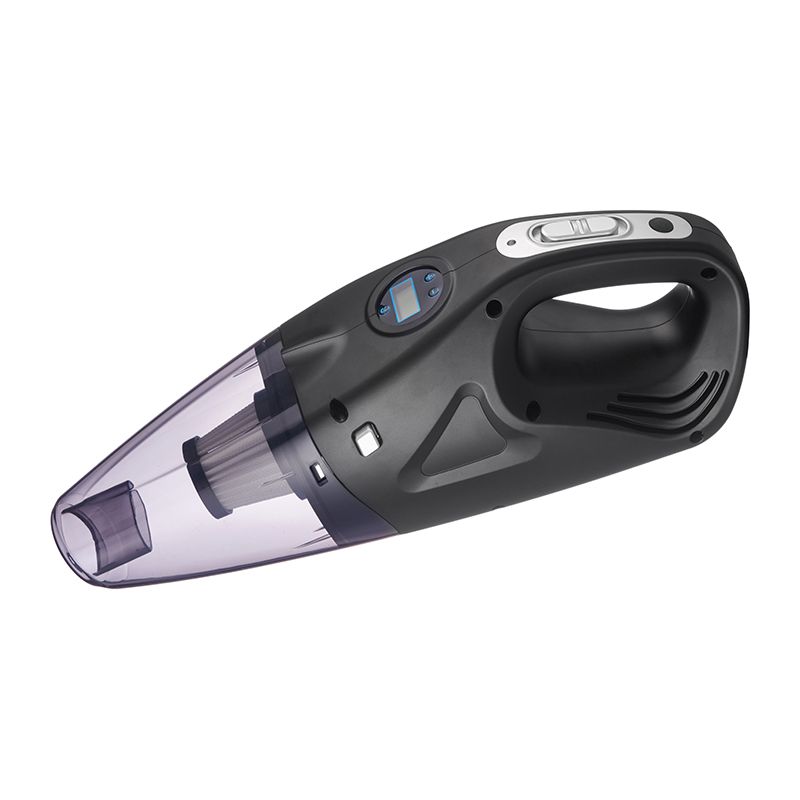
The RT-8822-S 4-in-1 Vehicle-Mounted Vacuum Cleaner—available in both cordless and corded versions—is powered by an 18650 lithium-ion battery (offering various capacity options) and operates at a 12V ...
See Details -
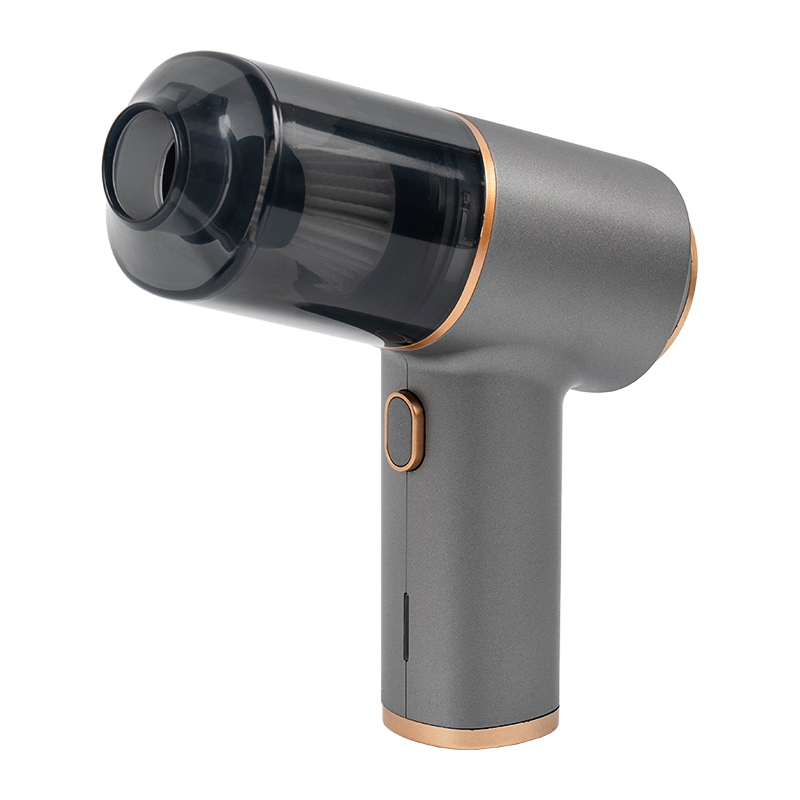
RT-8822 Mini 7.4V Handhold car portable vacuum cleaner powered by an 18650 lithium-ion battery—available in various capacity options—this unit operates at a 7.4V working voltage, ensuring stable and ...
See Details -
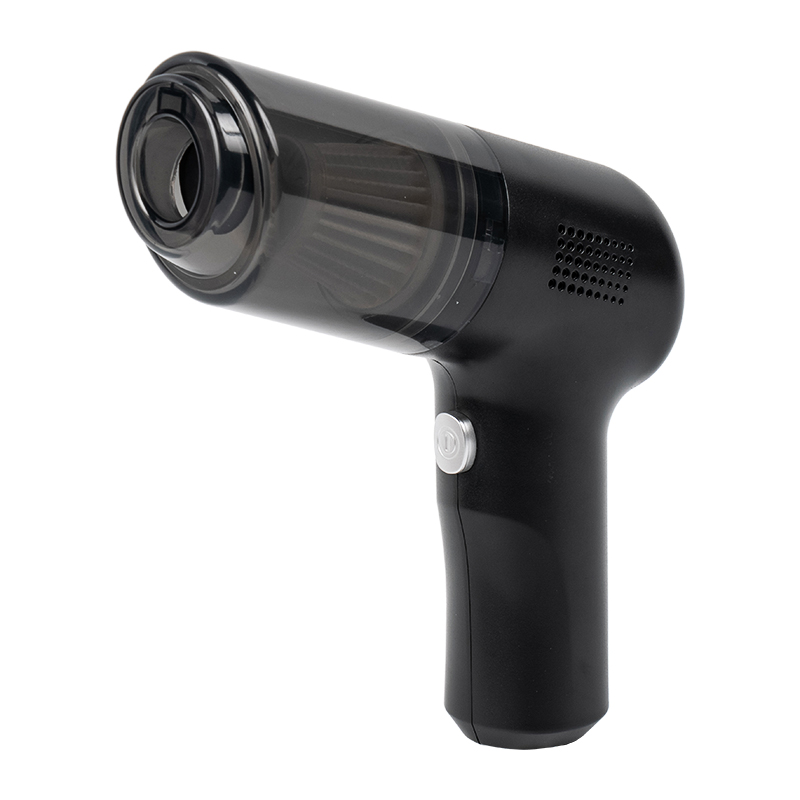
The RT-8821 Mini Vacuum Cleaner is a versatile, multi-purpose device offering both wired and wireless operation options. Featuring a lightweight and compact design, it is suitable for a wide variety o...
See Details -
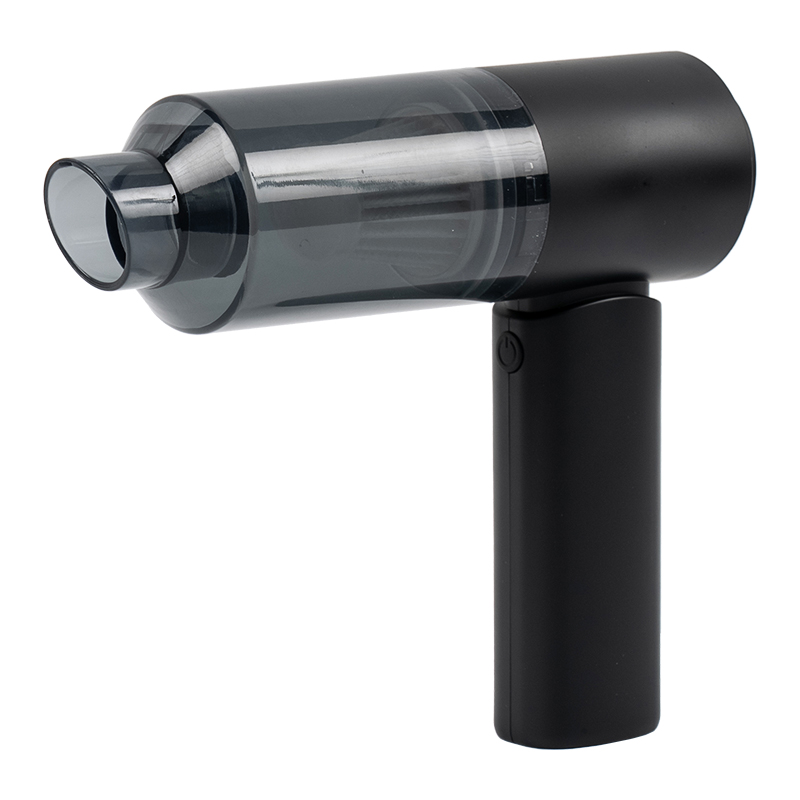
The RT-809 Portable car vacuum cleaner HEPA wireless strong suction features a compact profile and exquisite design, delivering a highly efficient cleaning experience. Powered by 18650 lithium-ion bat...
See Details -
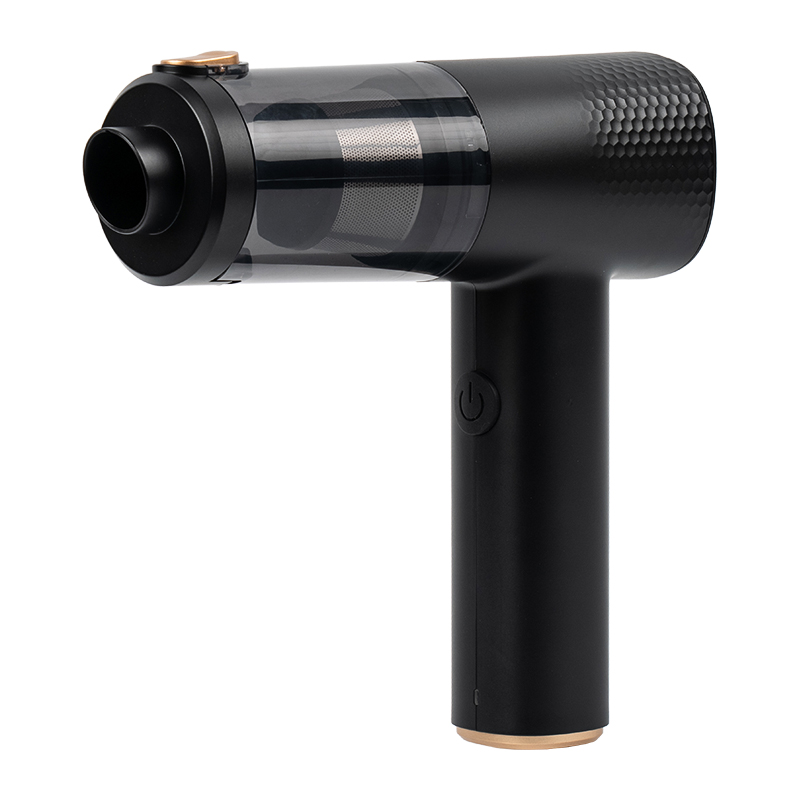
RT-806 7.4V 12600Pa Wet & Dry Car Air Vacuum Cleaner With Li-Ion Battery equipped with 18650 lithium-ion batteries (available in 1,800mAh x 2 or 2,000mAh x 2 configurations), the RT-806 operates a...
See Details
News
-
The short answer: a good suction power for a car vacuum cleaner starts at 6,000 Pa (6 kPa) for a cordless handheld mode...
READ MORE -
You open the rear door and see the evidence: crushed cereal under the child seat, fine sand worked into the carpet, dog...
READ MORE -
You open the back door after a short drive, and your dog jumps out leaving a layer of fur across the rear seat. You rea...
READ MORE -
A Car Vacuum Cleaner is an electric appliance that heats water above 100 degrees Celsius in a sealed boiler to produce p...
READ MORE -
How to inflate tires correctly is a routine skill that every driver eventually faces, yet it is also a task many people...
READ MORE -
Which Best Tyre Inflator to Buy and Why The best tyre inflator for most car owners is a cordless digital portable tire ...
READ MORE
Message Us Right Now!
Get Connected
 Whatsapp
 Wechat
Copyright © Ningbo Rongteng Auto Accessories Co.,Ltd. All rights reserved.
 Custom Vehicle Tire Inflators Manufacturers