
 English
 русский
 Español
The RT-8822-S 4-in-1 Vehicle-Mounted Vacuum Cleaner—available in both cordless and corded versions—is powered by an 18650 lithium-ion battery (offering various capacity options) and operates at a 12V ...
See DetailsIndustry News 2026/10/08
Best Vacuum for Car Detailing: A Practical Guide for Deep Interior Cleaning
Content
- 1 Why cordless handheld vacuums usually win for car detailing
- 2 Comparing the main types of car vacuums
- 3 What actually matters when choosing a detailing vacuum
- 4 Attachments do more work than the vacuum itself
- 5 A practical detailing sequence that gets better results
- 6 Wet-dry capability: when it is worth it
- 7 Maintenance that keeps suction strong
You open the rear door and see the evidence: crushed cereal under the child seat, fine sand worked into the carpet, dog hair woven into the fabric, and a sticky ring on the cupholder from last week’s coffee. A household upright can reach some of it, but the nozzle is too wide, the cord is too short, and the tools are wrong for the job. If you want the short answer, the best vacuum for car detailing is usually a cordless handheld model with strong suction, a HEPA-type filter, a crevice tool, and enough runtime to finish the interior without stopping. For most people, that means a vacuum rated around 10,000 to 16,000 Pa, weighing under 1.5 kg, and running for at least 20 minutes on a charge. If you regularly deal with spilled liquids, wet carpet, or heavy workshop debris, a wet-dry canister vacuum is the better tool. The rest of this guide explains why, how to compare models, and what actually matters when you clean a car interior.
Why cordless handheld vacuums usually win for car detailing
Car interiors are a collection of narrow gaps, uneven surfaces, and delicate materials. A detailing vacuum has to reach between seat rails, under the dashboard, into seat seams, and along door pockets. Cordless handheld vacuums win because they remove the two biggest obstacles: the power cord and the bulky body. You can carry one in one hand, change attachments quickly, and move from the driver’s footwell to the trunk without dragging a cable across wet paint or upholstery.
That said, not every cordless handheld is good enough. A weak motor and a small dust cup turn a ten-minute job into a frustrating cycle of recharging and emptying. The practical minimum for car detailing is a model that can pull up sand and fine dust from carpet without requiring multiple passes. A unit like the RT806 7.4V wet-dry car vacuum cleaner, for example, is rated at 12600Pa, which is enough for embedded dirt and dry debris in a typical passenger car. It also supports wet and dry pickup, so accidental spills do not automatically end the cleaning session.
 RT-806 Wet & Dry Cordless Car Vacuum CleanerA cordless wet-dry handheld with 12,600Pa suction, large dust bin, and accessories for tackling dry debris and spills in car interiors.View Product →
If your priority is only dry dust and you want the lightest possible tool, a smaller handheld can work. But for detailing, the ability to handle both dry debris and the occasional spill is a meaningful advantage. That is why the top recommendation for most drivers is a cordless wet-dry handheld, not a basic dustbuster.
Comparing the main types of car vacuums
The table below summarizes how the common options behave in real detailing situations. Use it to match the tool to your typical mess rather than chasing the highest suction number alone.
| Type | Best for | Strengths | Limitations |
|---|---|---|---|
| Cordless handheld | Daily quick cleaning, crevices, seats, trunk | Portable, no cord, easy to maneuver, often includes crevice and brush tools | Limited runtime, smaller dust cup, suction may drop as the battery drains |
| 12V corded car vacuum | Longer interior sessions, deep carpet work | Constant power from the cigarette lighter, stable suction, usually affordable | Tethered to the 12V socket, cable can be short, motor noise can be high |
| Wet-dry canister | Spills, wet carpet, heavy dirt, garage use | Handles liquids and solids, large capacity, strong airflow | Bulky, usually corded, can be awkward inside a tight cabin |
| Household upright or stick | Large floor mats and open areas | Powerful, familiar, good for mats removed from the car | Wide nozzles miss tight gaps, cords can scratch paint, not designed for wet mess |
What actually matters when choosing a detailing vacuum
Suction and airflow
Suction is usually expressed in pascals (Pa) for handheld vacuums, but Pa alone does not tell the whole story. Airflow and nozzle design determine how quickly debris enters the dust cup. A narrow crevice tool concentrates airflow, which is why a 10,000 Pa vacuum with a good crevice tool can outperform a 15,000 Pa model with a wide, leaky nozzle. For car detailing, look for a sealed air path, a rubberized nozzle edge, and a motor that maintains suction as the filter loads. If you often clean sand and grit from carpet, a model in the 12,000 Pa range or higher is a sensible target.
Power source and runtime
Cordless is convenient, but runtime matters. A typical interior detail takes 15 to 25 minutes if you are thorough. If a vacuum runs for only 10 minutes, you will finish half the car and then wait for a recharge. Check whether the battery is removable. A removable battery lets you swap in a fresh pack and continue, while an integrated battery forces a break. Corded 12V models never run out of power, but they limit where you can work. For most owners, a cordless model with a removable battery offers the best balance.
Filtration and dust management
HEPA filtration is not a marketing extra. It traps fine dust, pollen, and some allergens that would otherwise blow back into the cabin. If anyone in your household has allergies, or if you frequently clean pet hair, a HEPA-type filter is worth prioritizing. A model like the RT809 portable car vacuum cleaner with HEPA and strong suction is designed for exactly this use case. Remember that HEPA filters need cleaning or replacement. A clogged filter reduces suction and can make the motor run hotter, so plan on maintaining it every few uses.
RT-809 Portable HEPA Cordless Car Vacuum CleanerA compact wireless car vacuum with HEPA filtration, up to 12,000Pa suction, multi-level adjustment, and large dust bin for vehicle interiors.View Product →
Weight and ergonomics
A detailing vacuum is held at odd angles: upside down under a seat, sideways along a door pocket, and extended into the rear window shelf. Weight matters more than many buyers expect. A unit under 1.5 kg is comfortable for extended use. Heavier models may offer more suction, but they fatigue your wrist and make it harder to reach tight spots. Look for a balanced handle and a nozzle that can be rotated or swapped without tools.
Attachments do more work than the vacuum itself
The best car detailing vacuum is only as good as the tools you attach to it. A wide floor nozzle is almost useless inside a modern cabin. The essential attachments are a crevice tool, a soft brush, and a small round brush. A flexible hose extension helps reach under seats without contorting your body. Some models also include a motorized pet-hair brush, which is useful if animals ride in the car.
- Crevice tool: reaches seat rails, console gaps, and window switches.
- Soft brush: lifts dust from dashboard plastics, vents, and leather without scratching.
- Round brush: works on carpet and fabric seats where dust is trapped in the weave.
- Flexible hose: extends reach under seats and into the footwell without moving the vacuum body.
Brushless motors and built-in dust lamps are two features that genuinely improve detailing. A brushless motor runs more efficiently and often lasts longer than a brushed motor. A dust lamp illuminates the exact area you are cleaning, which matters in dark footwells and under seats. The RT808 car vacuum cleaner with brushless motor, display, and dust lamp combines both features. The display can show remaining battery or suction mode, depending on the model, so you are not guessing when the charge will run out.
RT-808 Brushless Cordless Car Vacuum with Display and Dust LampA portable car vacuum with brushless motor, digital display, dust lamp, and up to 20,000Pa suction for detailed interior cleaning.View Product →A practical detailing sequence that gets better results
Even the best vacuum for car detailing will underperform if you use the wrong sequence. Follow a top-down approach so that dust does not fall onto surfaces you have already cleaned.
- Remove floor mats and shake them outside. Vacuum them separately with a wide nozzle or a stiff brush.
- Start at the dashboard and work downward. Use the soft brush on vents, switches, and trim.
- Vacuum seats before the carpet. Use a brush attachment to agitate the fabric, then vacuum slowly. Pet hair often needs a rubber squeegee or a motorized brush first.
- Clean the carpet and footwells last. Use the crevice tool along the seat rails and the edges of the carpet.
- Finish with the trunk and door pockets. Empty the dust cup and clean the filter before storing the vacuum.
If you want a deeper reference on filter standards, dust cup design, and quality checks, our car vacuum cleaner buying guide covers the details. The key point is that technique and maintenance matter as much as the vacuum’s rated suction.
Wet-dry capability: when it is worth it
A wet-dry vacuum can pull up spilled coffee, melted snow, and muddy water before it soaks into the carpet. That is a real advantage in winter or if you have children. However, wet pickup requires a different filter setup. A standard paper or HEPA filter can be ruined by water, so you need a foam or wet filter, and you must switch back to the dry filter before vacuuming dust. If you only deal with dry dirt, a dedicated dry handheld is lighter and easier to maintain. If spills are common, choose a wet-dry model and learn the filter change procedure. It takes less than a minute and prevents motor damage.
Maintenance that keeps suction strong
Most complaints about weak car vacuums trace back to a clogged filter or a full dust cup. Empty the dust cup after every use, or at least when it reaches the MAX line. Wash reusable filters according to the manufacturer’s instructions and let them dry completely before reinstalling. A damp filter encourages mold and restricts airflow. Check the nozzle and hose for obstructions; a small toy, a piece of gravel, or a wad of hair can block the air path. If the vacuum has a removable battery, store it at room temperature and avoid leaving it fully depleted for long periods. These habits add years to the tool’s working life.
There is no single vacuum that is perfect for every car and every owner, but the decision becomes simple once you separate the tasks. For routine detailing, choose a cordless handheld with strong suction, a HEPA-type filter, a crevice tool, and a removable battery. For spills and heavy soiling, add a wet-dry canister. For mats and garage cleanup, a larger shop vacuum earns its space. If you want one tool that covers the most common car detailing jobs, start with a cordless wet-dry handheld in the 12,000 Pa range, keep the filter clean, and use the right attachment for each surface. That combination will remove more dirt, faster, than a more powerful vacuum used carelessly.
Let's Talk
Keep in touch with us
Related products
-
-
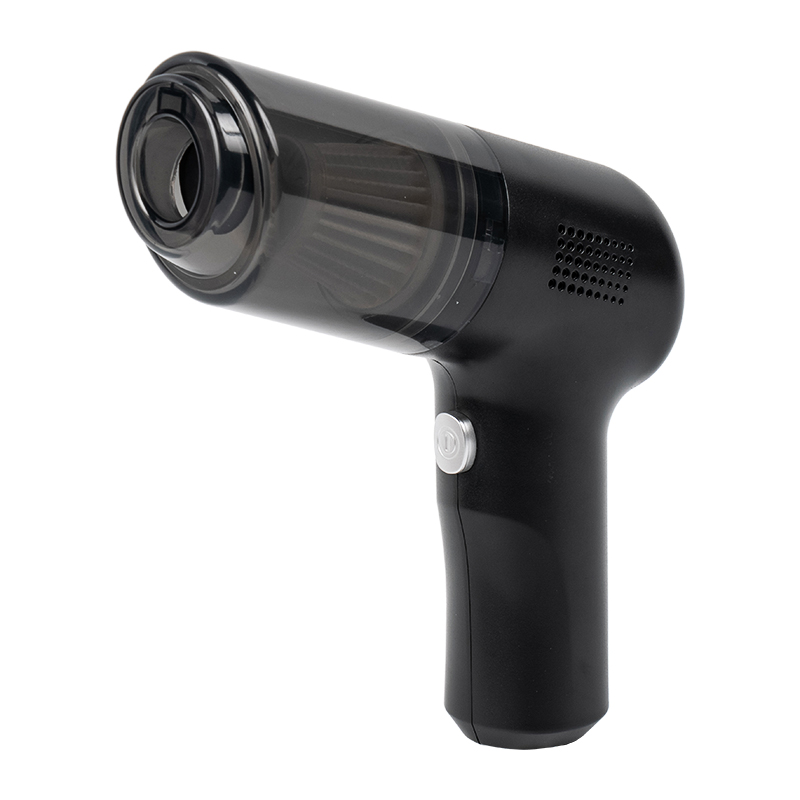
The RT-8821 Mini Vacuum Cleaner is a versatile, multi-purpose device offering both wired and wireless operation options. Featuring a lightweight and compact design, it is suitable for a wide variety o...
See Details -
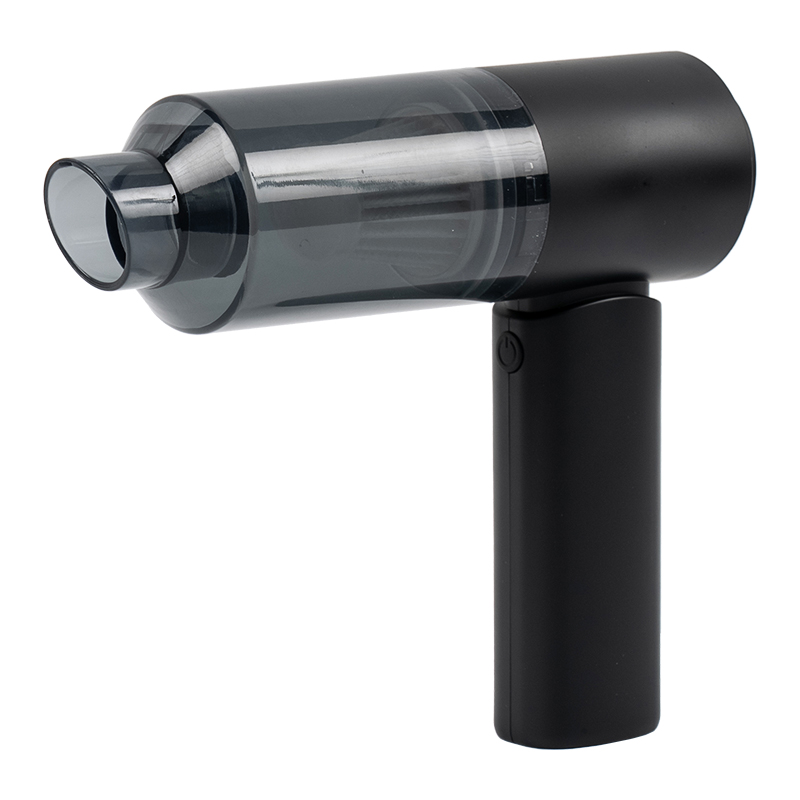
The RT-809 Portable car vacuum cleaner HEPA wireless strong suction features a compact profile and exquisite design, delivering a highly efficient cleaning experience. Powered by 18650 lithium-ion bat...
See Details -
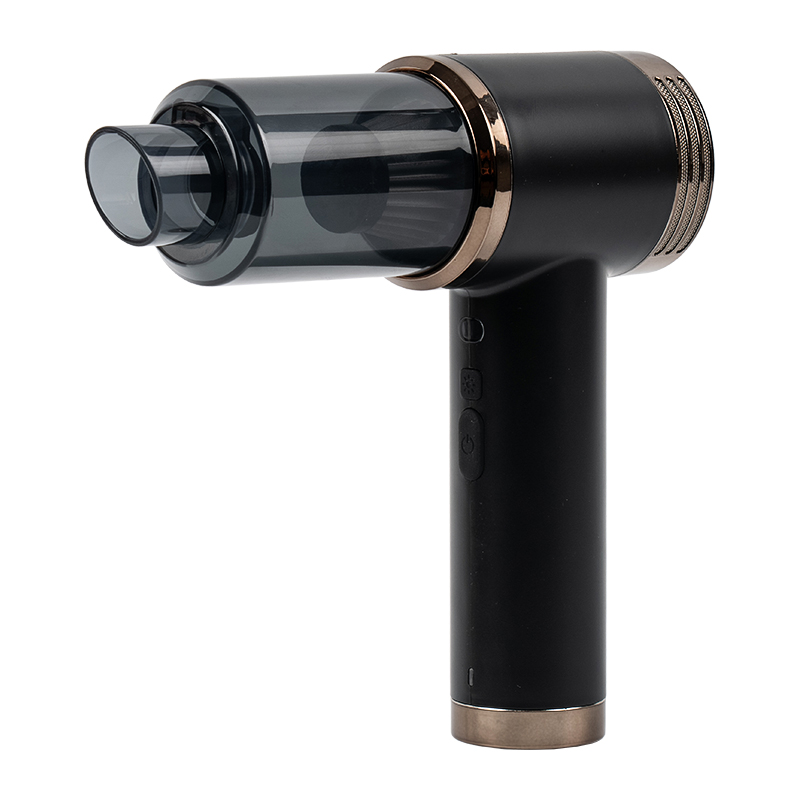
RT-807 Handhold Air Car Vacuum Cleaner Cordless Wet & Dry With Display Dust Lamp equipped with 18650 lithium-ion batteries—available in 1,800mAh x 2 or 2,000mAh x 2 configurations—this unit operat...
See Details -
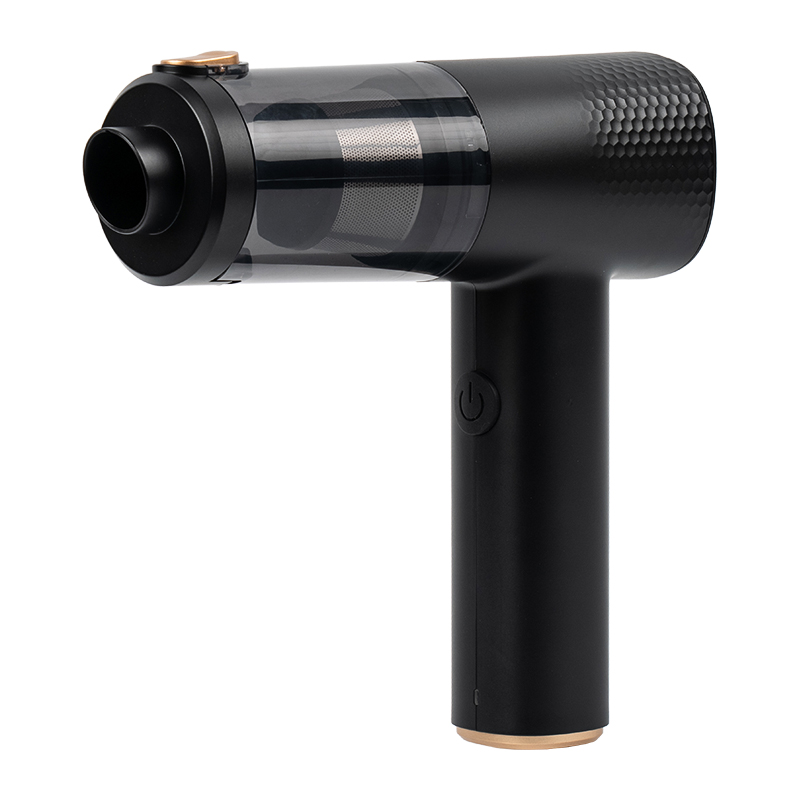
RT-806 7.4V 12600Pa Wet & Dry Car Air Vacuum Cleaner With Li-Ion Battery equipped with 18650 lithium-ion batteries (available in 1,800mAh x 2 or 2,000mAh x 2 configurations), the RT-806 operates a...
See Details -
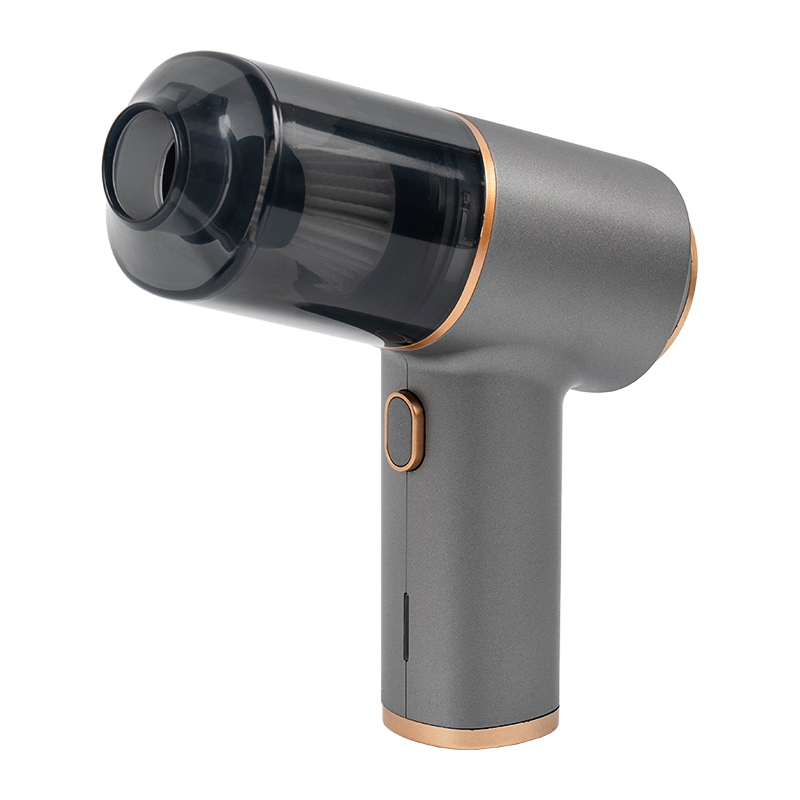
RT-8822 Mini 7.4V Handhold car portable vacuum cleaner powered by an 18650 lithium-ion battery—available in various capacity options—this unit operates at a 7.4V working voltage, ensuring stable and ...
See Details
News
-
Two handheld vacuums sit on the same workbench. One is a 7.4 V cordless unit rated at 12,600 Pa with a washable filter ...
READ MORE -
The short answer: a good suction power for a car vacuum cleaner starts at 6,000 Pa (6 kPa) for a cordless handheld mode...
READ MORE -
You bought a compact 12V car vacuum cleaner to keep under the seat of your SUV. It handles coffee spills, crushed crack...
READ MORE -
You open the back door after a short drive, and your dog jumps out leaving a layer of fur across the rear seat. You rea...
READ MORE -
How to inflate tires correctly is a routine skill that every driver eventually faces, yet it is also a task many people...
READ MORE -
Which Best Tyre Inflator to Buy and Why The best tyre inflator for most car owners is a cordless digital portable tire ...
READ MORE
Message Us Right Now!
Get Connected
 Whatsapp
 Wechat
Copyright © Ningbo Rongteng Auto Accessories Co.,Ltd. All rights reserved.
 Custom Vehicle Tire Inflators Manufacturers