
 English
 русский
 Español
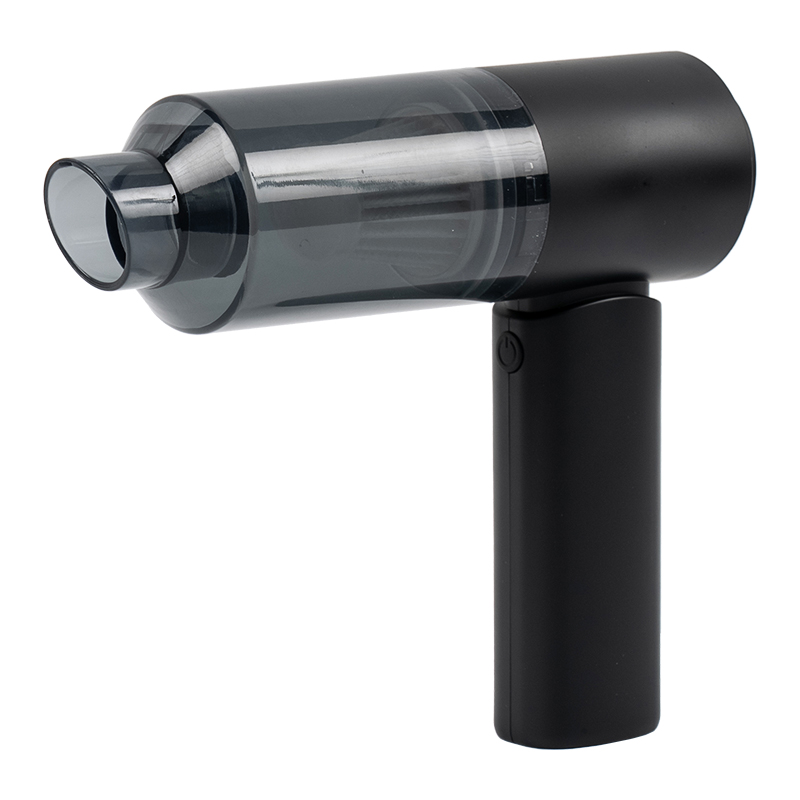
The RT-809 Portable car vacuum cleaner HEPA wireless strong suction features a compact profile and exquisite design, delivering a highly efficient cleaning experience. Powered by 18650 lithium-ion bat...
See DetailsIndustry News 2026/09/21
What Is a Good Suction Power for a Car Vacuum Cleaner? A Practical Guide
Content
- 1 Why Suction Power Matters More in a Car
- 2 How Suction Power Is Measured
- 3 What Is a Good Suction Rating by Vacuum Class?
- 4 Match the Suction to the Actual Mess
- 5 Why More Suction Is Not Always Better
- 6 What Limits Real-World Suction
- 7 Brushless Motors: The Hidden Variable
- 8 Filtration and Dust Containment
- 9 Battery Life and Runtime Trade-Offs
- 10 Attachments That Multiply Suction Effectiveness
- 11 How to Read a Spec Sheet Without Being Misled
- 12 From the Factory Floor: How a Manufacturer Validates Suction
- 13 Recommendations by Use Case
- 14 Final Word
The short answer: a good suction power for a car vacuum cleaner starts at 6,000 Pa (6 kPa) for a cordless handheld model, and reaches 12,000 Pa (12 kPa) or more when you need to handle sand, pet hair, or deeply settled dust. In the compact car-vacuum category, most products claim peak suction somewhere between 4,000 and 19,000 Pa, but the numbers that actually translate into clean carpets and seats sit closer to the middle of that range. A machine that cannot reach roughly 6,000 Pa will only move loose surface debris; one that holds 10,000-12,000 Pa through a full battery charge will clean the way you expect a vacuum to clean.
Suction power is the pressure difference a vacuum creates between the nozzle and the surrounding air. When that difference is strong enough, air rushes into the nozzle carrying dust and debris with it. A car interior resists that airflow far more than a hard floor does: short dense carpet fibers grip particles tightly, fabric seats trap dust below the surface, and narrow gaps between seats and panels leave almost no room for brush agitation. That is why a vacuum designed for home floors can feel weak inside a car. It was built for a different kind of surface resistance.
This guide explains what suction numbers actually mean, how much you need for crumbs, sand, pet hair, and liquid spills, why advertised peak suction is often higher than real-world cleaning suction, and how to evaluate a spec sheet before buying. It also includes the perspective of a manufacturer that builds car vacuums, so you can see which claims deserve trust and which deserve skepticism.
Why Suction Power Matters More in a Car
Car interiors are not like home interiors. The cleaning surface is small but aggressive: automotive carpet uses short, dense fibers that lock particles in place; fabric seats hold dust far below the visible surface; and the gaps between the seats, center console, and door panels create crevices that only a directed air stream can reach. Every one of those conditions makes suction the primary cleaning mechanism, rather than brush agitation or sweeping.
Consider what a vacuum must do to remove a grain of sand from a carpet. It has to overcome the weight of the grain, the adhesion caused by dust and oils, and the mechanical grip of the carpet fibers. A weak vacuum simply moves the top layer of dust and leaves heavier particles buried. This is why testing a vacuum on loose crumbs tells you almost nothing; the real test is whether it lifts sand that has been walked into a car floor mat over several days.
Suction also determines how fast you work. With a 5,000 Pa machine, you may need several passes over the same piece of carpet, gradually loosening the dirt with each one. With a 12,000 Pa machine, one slow pass usually pulls the same material out in a single stroke. In a small cabin full of mats, seats, and footwells, the difference between one pass and four passes can mean twenty minutes versus an hour of cleaning.
Airflow deserves equal attention. Suction lifts a particle off the surface, but airflow transports it to the dust bin. A nozzle with high suction but restricted airflow will hold a piece of debris at the opening and drop it the moment you lift the nozzle. Well-designed car vacuums balance the two with a clear air path, a wide enough hose, and a motor that moves sufficient air at the rated pressure. When a spec sheet lists only one number, you are seeing half the picture.
How Suction Power Is Measured
The most common unit on a car vacuum spec sheet is the pascal (Pa). One kilopascal (kPa) equals 1,000 Pa, so 8 kPa and 8,000 Pa are the same figure written two ways. In regions that still use imperial units, you may see inches of water (inH2O) instead; 1 kPa equals roughly 4 inches of water, which means a compact car vacuum producing 10 kPa would show about 40 inches of water on a gauge.
You will also encounter the term peak suction. This is the maximum pressure the vacuum generates when the nozzle is nearly sealed. It tells you what the motor and impeller can produce under ideal conditions, not what you get while vacuuming an open floor mat. Working suction, measured with air flowing through the nozzle, hose, dust bin, and filter, is usually 20-40% lower. Working suction is the number that actually decides cleaning performance.
Air watts (AW) combine suction and airflow into a single figure and are widely used for home canister and upright vacuums. They are far less common on compact car vacuums. When you do see air watts, remember that the value is only useful if the test method is known. On a cordless handheld car vacuum, roughly 15-30 AW is considered a workable level, though few brands state it openly.
| Term | What it measures | Typical compact car vacuum value |
|---|---|---|
| Pascal (Pa) | Pressure difference created by the vacuum motor | 4,000-19,000 Pa |
| Kilopascal (kPa) | Same as pascals, scaled by 1,000 | 4-19 kPa |
| Inches of water (inH2O) | Pressure expressed as a column of water | 16-76 inH2O |
| Air watts (AW) | Combined suction and airflow output | 15-30 AW when stated |
For practical buying, the simplest approach is to convert everything to pascals and to ask one question: is this peak suction or working suction? If a product says 19,000 Pa but provides no runtime and no explanation of the test method, treat the number as a motor capability, not a cleaning result.
What Is a Good Suction Rating by Vacuum Class?
Different types of car vacuums operate in different suction bands, and comparing across classes can lead you to the wrong purchase. A mini pencil-style vacuum, a cordless handheld, a corded handheld, and a small wet/dry utility vacuum are built for different jobs even though they share the same name.
| Vacuum class | Typical peak suction | Good suction level | Best use |
|---|---|---|---|
| Mini cordless (pen or pod style) | 3,000-6,000 Pa | 5,000 Pa and above | Dashboard, quick crumb pickup |
| Cordless handheld | 5,000-13,000 Pa | 8,000 Pa and above | Regular interior maintenance |
| Corded handheld | 10,000-20,000 Pa | 12,000 Pa and above | Deep cleaning, long sessions |
| Small wet/dry utility | 9,000-18,000 Pa with high airflow | 12,000 Pa and above | Wet spills, heavy debris, larger cabins |
For most drivers, a good target is 8,000-12,000 Pa in a cordless handheld. That level pulls loose dirt from carpet quickly, handles standard daily messes, and leaves enough battery capacity to finish a typical car interior. If your routine includes children, pets, beach trips, or rural roads, step up to 12,000 Pa or more.
Mini cordless vacuums below 6,000 Pa are convenience tools, not deep cleaners. They shine when you need to sweep up crumbs after a drive-through meal or remove dust from the dashboard. They will not make a genuinely dirty car clean, and expecting them to do so leads to frustration.
Corded handheld models have an advantage that has nothing to do with peak numbers: a constant power supply. They can sustain rated suction for 30 or 60 minutes without the drop-off that comes as a battery drains. If you detail cars as a side job or regularly clean a large SUV, a corded model around 12,000-18,000 Pa is a better tool than a more powerful cordless one that fades after ten minutes.
Wet/dry capability is a separate feature from suction. Removing a spilled drink requires a vacuum with a sealed wet path and a filter that does not disintegrate when wet. A wet/dry unit rated at 12,600 Pa, for example, can handle both a cup of coffee and a week of dust because the internal layout keeps liquid moving toward a dedicated collection area and away from the motor.
 RT-806 Wet/Dry Car Vacuum with 12,600 Pa SuctionThis 7.4V wet/dry vacuum handles both liquid spills and loose debris, with a sealed internal layout protecting the motor. Its large dust bin and included nozzles suit daily car cleaning, and Type-C charging keeps downtime short.View Product →
Match the Suction to the Actual Mess
Crumbs, dried snack pieces, and loose hair need the least suction. Because they sit on the surface, even 5,000-6,000 Pa lifts them easily with a wide nozzle. The challenge with these materials is reaching them, not lifting them: they hide under seats, between seat cushions, and in door pockets.
Sand is the real test. Beach sand and construction dust are heavy, angular, and work their way to the base of carpet fibers. You need at least 9,000-10,000 Pa at the nozzle to pull sand out in one pass, and 12,000 Pa is noticeably more comfortable. If you live near a beach or drive on unpaved roads, choose a model with confirmed working suction above 11,000 Pa and a narrow crevice nozzle to reach the grooves of floor mats.
Pet hair behaves differently. Hair lies flat and embeds itself in fabric loops, so raw suction alone struggles with it. A rubber brush or a dedicated pet-hair nozzle creates friction that lifts the hair so airflow can capture it. When comparing vacuums for pet owners, look at attachment design and the ability to brush fabric seats, not just at the suction number.
Liquid spills require wet/dry design. Once the vacuum can safely handle moisture, the suction level determines how completely the liquid is picked up. A rated suction of 12,000 Pa with a rubber squeegee nozzle will strip most liquid from carpet in one pass. The nozzle matters: a wide flat squeegee pattern is far more effective for liquid than a round brush opening.
Finally, remember that nozzle area changes effective suction. The same 8,000 Pa delivered through a 15-millimeter crevice nozzle concentrates that pressure onto a tiny spot and can feel twice as strong as a wide 80-millimeter nozzle. This is why a moderate vacuum with excellent attachments often outperforms a strong vacuum with poor attachments.
Why More Suction Is Not Always Better
Marketing pushes the highest suction number because it is easy to compare, but the most powerful car vacuum is not always the best one to buy. Runtime is the first casualty: doubling motor power can cut battery runtime by more than half, so a 19,000 Pa machine that runs for six minutes may clean less total area than a 10,000 Pa machine that runs for twenty.
Noise scales with suction as well. A handheld vacuum generating 15,000-19,000 Pa can easily pass 85 decibels at the user's ear, making an interior cleaning session uncomfortable. Noise is also a practical concern for commercial users in shared garages and workshops where prolonged high-volume cleaning affects other people.
High suction pushes air through the filter faster, which increases filter loading, reduces airflow, and makes the motor run hotter. On cheaper designs, sustained high-power operation can degrade the filter, battery, or motor quickly. A well-designed vacuum with a modest peak but stable working suction will usually outlast a poorly designed high-peak machine.
There is also the reality of how the number is created. Peak figures are often measured with the nozzle sealed, which is not how anyone cleans. At our factory, we publish working suction measured through the full tool path: nozzle, hose, dust bin, and filter. That number is what matters, but it is lower than the sealed peak and therefore looks less impressive on paper. Learn to ask which number you are actually looking at.
What Limits Real-World Suction
Several components decide how much of the motor's theoretical suction reaches the surface you clean. The motor and impeller set the ceiling. A five-blade plastic impeller spinning at roughly 40,000 rpm is typical in compact units and is strong enough if the rest of the system is efficient.
The air path matters next. Every elbow, narrow connection, and length of hose adds resistance. A poorly routed air path can cut working suction by a third before the air ever reaches the dust bin. When we design our units, we keep the channel between the nozzle inlet and the filter as short and straight as possible, because users feel that difference as real cleaning power.
The filter is the largest variable. A fine HEPA filter captures microscopic dust but also creates airflow resistance. As the filter loads with dirt, that resistance climbs. A vacuum that uses a coarse pre-filter to trap hair and crumbs before they reach the HEPA layer maintains its suction far longer than one where the main filter does all the work.
Seals and the dust bin are the silent enemies. Air that leaks between the nozzle and the motor reduces the pressure difference at the surface; the vacuum keeps running, but the cleaning weakens. Low-cost units with poorly fitted dust bins can lose 20-30% of their working suction through leaks alone. Before buying, check that the bin, lid, and filter seat seal tightly and click into place.
A full dust bin also reduces airflow and suction. The bin volume on many handheld car vacuums is small, often 100-300 ml, so you will empty it several times during a complete interior clean. That is normal. A transparent bin with a one-touch release makes emptying fast enough that it should not stop you from buying a compact model.
Brushless Motors: The Hidden Variable
Inside a compact car vacuum, the motor determines suction stability more than any other component. Traditional brushed motors use carbon brushes to transfer power to the rotating armature. The brushes wear down over time, produce fine dust, and create sparking that heats the motor. Suction on a brushed motor starts high and gradually declines as the brushes wear and the commutator surface degrades.
A brushless motor replaces the mechanical brush system with electronic commutation. There are no physical brushes to wear, so suction stays consistent through the motor's working life. The design also runs cooler, generates less electrical noise, and delivers slightly better efficiency, which on a small battery translates directly into extra minutes of runtime.
For buyers, brushless construction is one of the few features you can verify without a test bench: the spec sheet either says brushless or it does not. In our product range, the RT808 uses a brushless motor matched to a 7.4V battery platform and a transparent dust-bin design. The motor is the reason the unit holds its suction until the battery is exhausted rather than fading after the first few minutes of use.
RT-808 Brushless Car Vacuum with Display and Dust LampFeaturing a brushless motor and 20,000 Pa max suction, this model maintains performance until the battery drains. The digital display, dust-detection light, and three suction levels make it a dependable choice for thorough interior cleaning.View Product →
Do not treat brushless as a guarantee of powerful suction. A well-designed brushed motor can outperform a weak brushless one. But for long-term ownership, fleet use, or a vacuum that will be worked hard, brushless means one less failure point and more predictable suction over hundreds of charge cycles.
Filtration and Dust Containment
A car vacuum is only useful if it keeps the dust it collects. Many low-cost units blow a fine stream of dust straight back out of the motor exhaust because the filter cannot capture fine particles or the air path is not sealed. In a closed car cabin, this is both unpleasant and unhealthy, because road dust and pollen are exactly what you are trying to remove.
HEPA (high-efficiency particulate air) filters, rated to capture 99.97% of particles at 0.3 microns, are the standard worth looking for. In a compact car vacuum, a genuine HEPA filter keeps the air expelled into the cabin clean enough for allergy sufferers. Some models pair a washable pre-filter with a HEPA cartridge, which is the best layout for value: the coarse pre-filter catches hair and crumbs, and the HEPA layer handles what remains.
Filter placement and service life matter as much as the rating. Washable filters reduce running costs, but they need to dry fully before reuse. Cartridge filters are convenient to replace and help maintain consistent suction, provided you change them on schedule. A clogged filter is the most common reason car vacuums lose suction after a few months of use, so choose a model with a filter you are willing to maintain.
Dust-bin design closes the loop. A bin that empties without the user touching the dirt reduces the chance of dust clouds. A translucent bin is useful because you can see when it is full and when the filter needs attention. In the RT809, we combine a washable pre-filter, a visible dust cup, and a sealed exhaust path so the HEPA-filtered air actually reaches the cabin clean instead of leaking around the filter.
RT-809 HEPA Wireless Car Vacuum for Fine Dust RemovalThis compact wireless vacuum uses a washable pre-filter and HEPA filtration to capture fine particles, with a visible dust cup that shows fill level. Its extra-large bin reduces emptying frequency, and multi-level suction adapts to varied cleaning needs.View Product →Battery Life and Runtime Trade-Offs
Suction and runtime form a single system on any cordless car vacuum. If a manufacturer quotes 15,000 Pa but only lists runtime at the lowest power level, the real-world number you get while using maximum suction may be half of what you expected. Always ask for the runtime at maximum suction; that is how the vacuum will actually be used.
Two battery specifications matter. Voltage indicates the motor supply level: 7.4V is common in compact handheld units and can produce strong suction when paired with an efficient motor, while units running at 10.8V or 12V tend to have more headroom but weigh more. Battery capacity, usually quoted in milliampere-hours (mAh), determines total energy storage. A 2,000 mAh cell at 7.4V stores roughly 15 watt-hours; expect that to drive a high-power motor for 10-15 minutes and a low-power mode for twice as long.
As a practical benchmark, look for at least 15 minutes of maximum-suction runtime from a cordless car vacuum, and 20 minutes or more for an SUV, van, or family car deep clean. Detailers who work across several vehicles in one session should consider a corded model or one with easily detachable batteries that can be swapped and recharged.
The 2-in-1 alternative solves the runtime problem differently: use the vacuum cordless for quick jobs and plug it in when you need sustained power. Models that combine wired and wireless operation give you the convenience of a cordless pickup on weekdays and a corded fallback for the weekly deep clean, with suction staying in the same useful band in both modes. If you never want to wait for a recharge in the middle of a job, this configuration is worth prioritizing.
Attachments That Multiply Suction Effectiveness
A vacuum's cleaning power is delivered through its attachments, and a good nozzle strategy matters as much as the suction number. In a car, you will spend most of your time in spaces too narrow for a standard wide nozzle, so the shape of the tools is not a minor detail.
- A crevice nozzle reaches seat tracks, door pockets, and the base of the center console, concentrating suction into narrow gaps.
- A wide rubber or brush nozzle covers floor mats and cargo areas quickly, reducing the number of passes per square meter.
- An upholstery brush lifts pet hair and ground-in dust from fabric seats without flattening them.
- A squeegee or wet nozzle handles liquid spills, but only on a wet/dry-capable unit.
- A flexible hose extension reaches under seats and into trunk corners without awkward bending.
Small usability features turn suction into results. A dust lamp or LED light at the nozzle reveals debris in footwell shadows, so you clean what you can actually see. A battery gauge or suction display removes guesswork about how many minutes remain, which changes the order in which you clean: carpeted areas first, while the battery is strongest.
Finally, consider storage and daily usability. A vacuum that stands upright in the garage or slips into a trunk organizer gets used; one that needs to be uncoiled and assembled gets ignored. The best suction specification in the category is worthless if the unit stays on the shelf.
How to Read a Spec Sheet Without Being Misled
When you compare car vacuums, standardize the numbers first. Convert everything to the same unit, and separate peak suction from working suction. If a product page says 12 kPa without stating the method, ask the seller or look for the manual online. Many manufacturers are happy to provide working suction data if they test it.
Look for runtime at the same mode you will actually use. A unit that runs 25 minutes in eco mode but only 7 minutes at full power is not a 25-minute cleaner. Battery capacity in mAh is only part of the story; motor efficiency and air-path design determine what that capacity delivers.
Check the filtration statement. Does it say HEPA filter, or HEPA-style, or just high efficiency? A genuine HEPA claim should be backed by a certification standard, which is a meaningful quality signal for in-car air. Washable filters cut running costs, but only if the filter retains its structure after repeated washing and drying.
- No measurement unit stated at all
- A very high suction claim without battery capacity or runtime at that power
- Runtime quoted only on the lowest setting
- Replacement filters not offered or not in stock
- No dust-bin capacity listed
Our company publishes the suction measured through the complete cleaning path on each model page, and we encourage buyers to ask any manufacturer for the same level of detail. In our experience, a brand that openly posts working suction and runtime at maximum power is more confident in its product than one that offers only vague claims. For a deeper walk-through of the inspection points we recommend, see our buying guide and industry quality standards for car vacuum cleaners.
From the Factory Floor: How a Manufacturer Validates Suction
As a factory that builds car vacuums, we know exactly where numbers come from, and where they get stretched. Some manufacturers pull a figure from the motor's nominal performance or measure sealed peak under ideal voltage. The result looks impressive on a box but does not reflect the machine the customer receives.
In our facility in Yuyao, we verify suction on a calibrated pressure gauge connected to the nozzle, with the filter and dust bin installed and air moving through the full tool path. We also run a debris test using a standard dust mix on automotive carpet to confirm that the stated suction corresponds to actual lifting ability. Every unit is checked through the production flow: incoming motor review, assembly sampling, and final packaged inspection.
Tolerance is the part consumers rarely see. Two hundred identical motors can vary a few percent in output. A factory that tests and records its numbers can confirm that each unit reaches the claimed minimum; a factory that does not simply prints an estimate. That difference is why two seemingly identical 12,000 Pa units can perform very differently in your car.
For commercial buyers, including distributors, 4S stores, and procurement teams at banks or insurance companies, asking for the test report is the right move. A supplier that can show consistent suction data, filter retention, and battery cycle performance is more reliable than one that only displays an attractive front-page specification. We regularly provide such data to our wholesale and corporate partners.
Before you finalize a purchase, also consider whether a vacuum is the only tool for your situation. Some owners find compressed air blowers useful for dashboards and vents, but blowing tends to rearrange dust and push it deeper into crevices; it cannot lift material out of carpet. Our comparison of car vacuum cleaners versus compressed air blowers explains when each cleaning approach makes sense.
Recommendations by Use Case
To bring everything together, here are practical suction targets by cleaning scenario. Use the table as a starting point, then confirm the runtime, filter, and attachments on the specific model you are considering.
| Use case | Good suction | Why | Priorities beyond suction |
|---|---|---|---|
| Occasional light cleaning | 6,000-8,000 Pa | Loose crumbs and surface dust | Small size, easy storage, low-cost filter |
| Regular family car | 8,000-12,000 Pa | Everyday dirt, food, and tracked-in dust | Runtime of 15 minutes or more, washable filter |
| Pet owners | 12,000 Pa and above | Lifting embedded hair from fabric and carpet | Pet-hair brush, easy bin emptying |
| Beach or sand areas | 12,000 Pa and above | Heavy particles buried in carpet pile | Narrow crevice nozzle, spare battery |
| Liquid spills | 12,000 Pa and above | Complete pickup needs a sealed wet path | Squeegee nozzle, separate dry filter |
| Commercial or fleet use | 12,000 Pa and above, corded preferred | Long sessions with consistent power | Durable motor, replaceable parts, service support |
Notice how often 12,000 Pa appears. That is not a coincidence. At roughly 12,000 Pa, a handheld car vacuum overcomes the typical resistance of automotive carpet and fabric, handles wet spills through a proper nozzle, and still leaves room for a practical runtime on a modern battery. It is the value we design around for most of our models because it matches the way cars actually get dirty.
If you remember one number from this article, remember this: buy a car vacuum with at least 8,000 Pa of working suction, and prefer 12,000 Pa or more when the car faces sand, pets, children, or heavy daily use. Treat any product that cannot state its suction in clearly defined pascals with caution.
Final Word
Good suction power for a car vacuum cleaner is not a mystery. Six thousand pascals is the floor for useful cleaning; 8,000-12,000 Pa covers most family needs; and 12,000 Pa or more is the realistic threshold for heavy-duty work. The right choice depends on the messes you deal with, the space you have for storage, and how long you want to vacuum on a single charge.
Pair the suction level with a cleanable filter, sensible attachments, and honest runtime data, and you will get a tool that actually keeps a car interior presentable. Suction, runtime, and filtration form a triangle. The best vacuum for you is the one that balances all three for the way you use a car, not the one with the single most impressive number on the box.
As a manufacturer, we build every unit to reach the specifications we print, and we recommend you hold any brand to that same standard. Check the numbers, ask about the test conditions, and choose a vacuum that will still be cleaning effectively twelve months after you buy it.
Let's Talk
Keep in touch with us
Related products
-
-
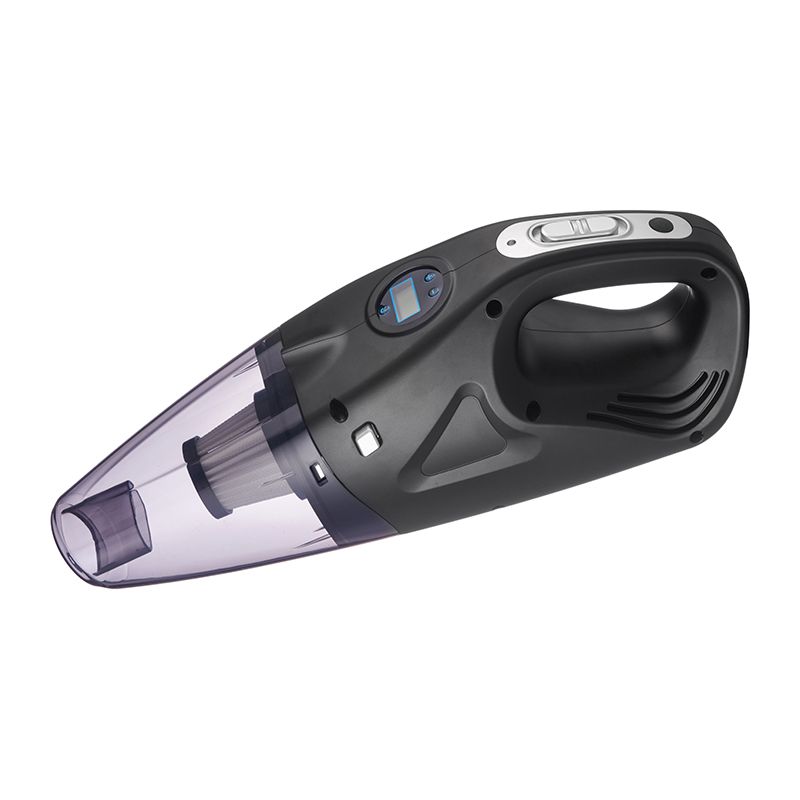
The RT-8822-S 4-in-1 Vehicle-Mounted Vacuum Cleaner—available in both cordless and corded versions—is powered by an 18650 lithium-ion battery (offering various capacity options) and operates at a 12V ...
See Details -
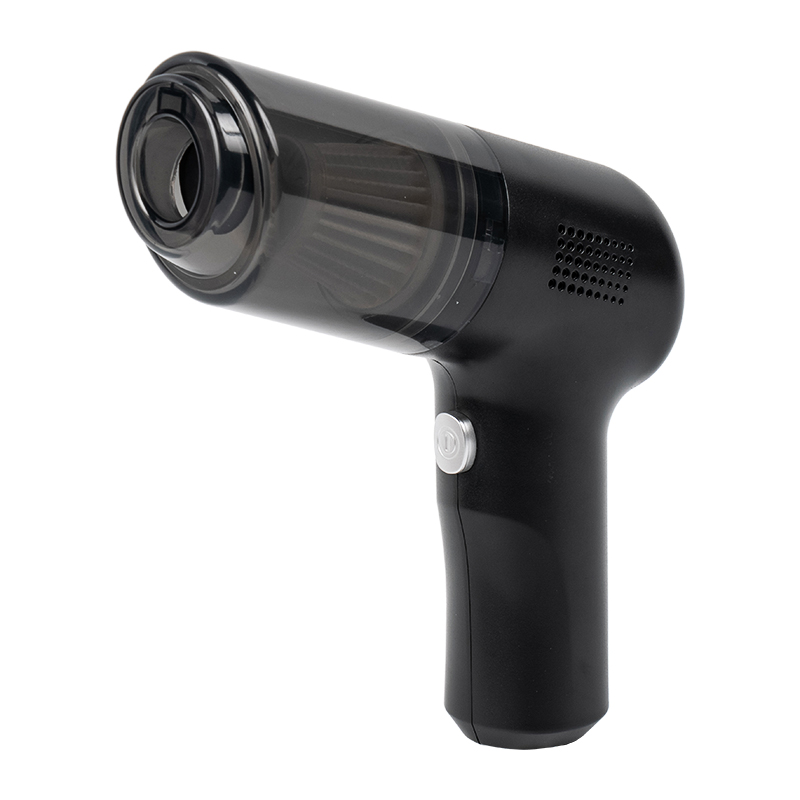
The RT-8821 Mini Vacuum Cleaner is a versatile, multi-purpose device offering both wired and wireless operation options. Featuring a lightweight and compact design, it is suitable for a wide variety o...
See Details -
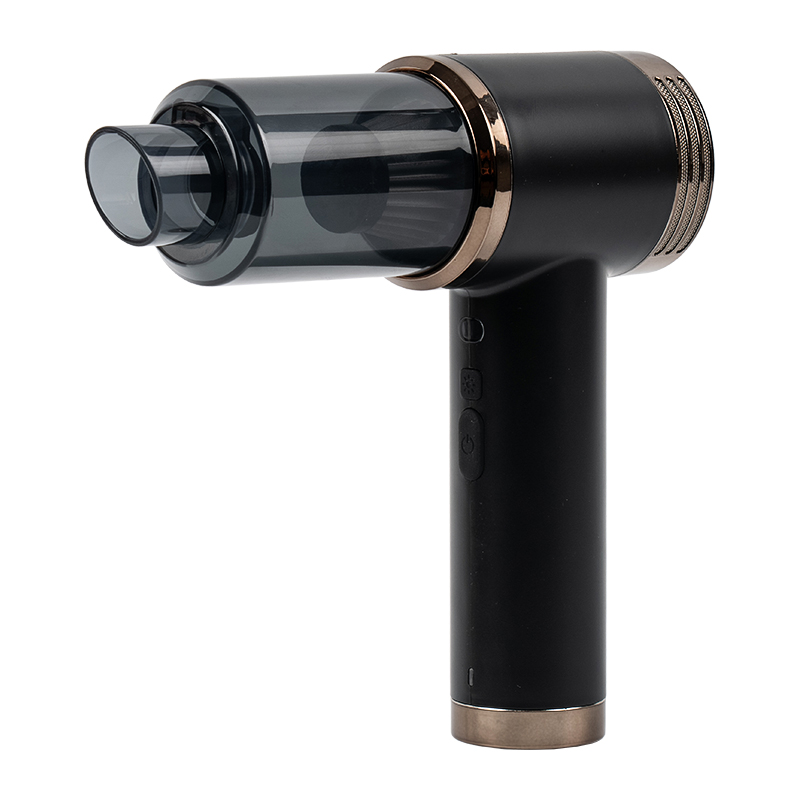
RT-807 Handhold Air Car Vacuum Cleaner Cordless Wet & Dry With Display Dust Lamp equipped with 18650 lithium-ion batteries—available in 1,800mAh x 2 or 2,000mAh x 2 configurations—this unit operat...
See Details -
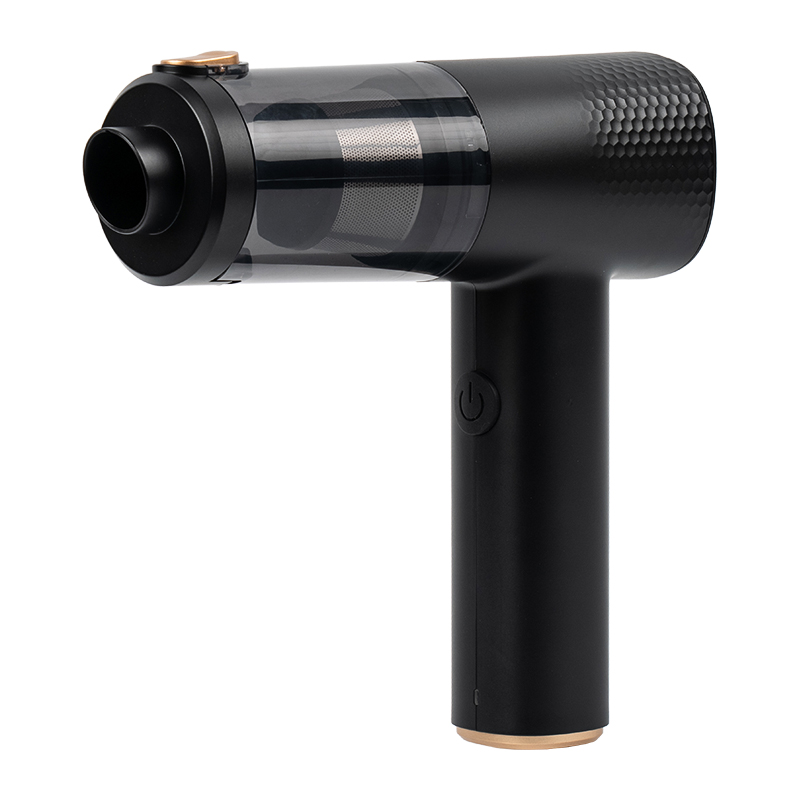
RT-806 7.4V 12600Pa Wet & Dry Car Air Vacuum Cleaner With Li-Ion Battery equipped with 18650 lithium-ion batteries (available in 1,800mAh x 2 or 2,000mAh x 2 configurations), the RT-806 operates a...
See Details -
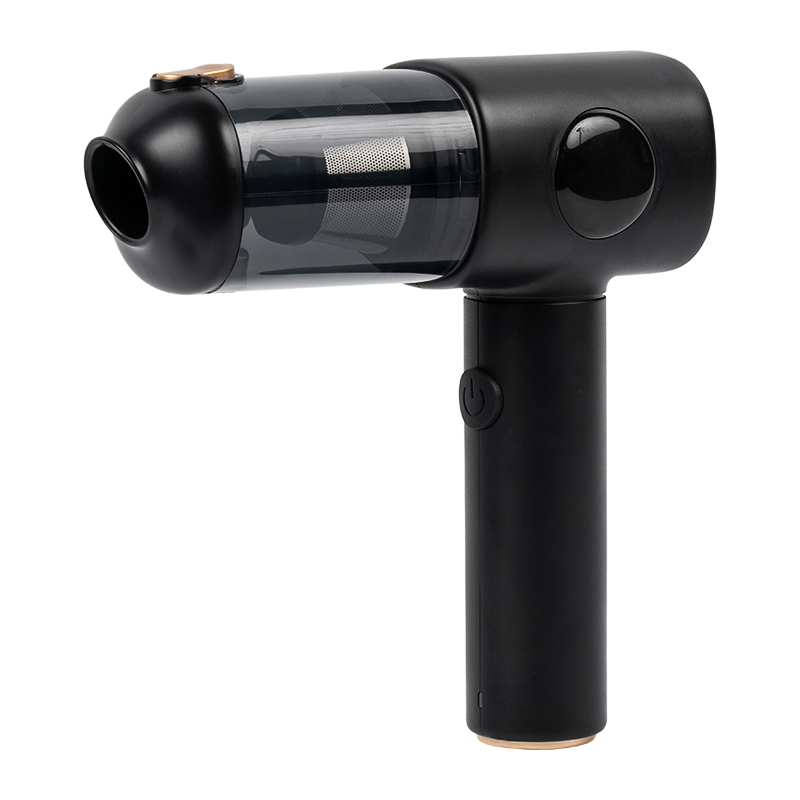
The RT-805 Cordless Car Vacuum Cleaner features a smart display that provides real-time battery status updates, allowing you to precisely monitor the remaining usage time. Boasting a powerful suction ...
See Details
News
-
Two handheld vacuums sit on the same workbench. One is a 7.4 V cordless unit rated at 12,600 Pa with a washable filter ...
READ MORE -
You open the rear door and see the evidence: crushed cereal under the child seat, fine sand worked into the carpet, dog...
READ MORE -
You bought a compact 12V car vacuum cleaner to keep under the seat of your SUV. It handles coffee spills, crushed crack...
READ MORE -
A Car Vacuum Cleaner is an electric appliance that heats water above 100 degrees Celsius in a sealed boiler to produce p...
READ MORE -
You have just finished vacuuming the car with a 12V vacuum cleaner plugged into the cigarette-lighter socket. The floor...
READ MORE -
Car vacuum cleaners are essential tools for in-car cleaning. With the improvement of users' requirements for in-car env...
READ MORE
Message Us Right Now!
Get Connected
 Whatsapp
 Wechat
Copyright © Ningbo Rongteng Auto Accessories Co.,Ltd. All rights reserved.
 Custom Vehicle Tire Inflators Manufacturers