
 English
 русский
 Español
The RT-808 Portable Car Vacuum Cleaner features a brushless motor, a digital display, and an integrated dust-detection light. Powered by a 18650 lithium-ion battery pack—available in 2,000mAh x 3 or 2...
See DetailsIndustry News 2026/08/24
How to Convert a Car Vacuum Cleaner for Home Use: The Complete Adapter Guide
Content
- 1 Why a Car Vacuum Cannot Simply Plug Into a Home Outlet
- 2 Check the Vacuum Label: Voltage, Amperage, and Wattage
- 3 The Standard Solution: A 110/220V AC to 12V DC Adapter
- 4 A Second Route: Portable Power Stations and 12V Batteries
- 5 When Converting Does Not Make Sense: Cordless Two-in-One Options
- 6 Realistic Expectations for Indoor Use
- 7 Safety Checks Before You Convert
- 8 Adapter Shopping Checklist: What to Verify Before You Pay
- 9 Final Verdict: Convert or Buy a Different Vacuum?
You bought a compact 12V car vacuum cleaner to keep under the seat of your SUV. It handles coffee spills, crushed crackers, gravel from shoes, and dog hair better than any full-size home vacuum you have owned. Then one Saturday, you carry it upstairs to tidy the landing, plug it into the wall outlet, switch it on, and nothing happens. The motor does not even twitch.
The short answer to the question of how to convert a car vacuum cleaner for home use is this: a car vacuum runs on 12V direct current (DC) from the vehicle auxiliary socket, while a home wall outlet supplies 110V or 220V alternating current (AC). You cannot simply change the plug. You need an AC-to-DC power adapter that feeds the vacuum with clean 12V DC at enough current. Once you check the vacuum current draw and choose an adapter with about 20 to 30 percent headroom, the conversion takes less than five minutes and costs less than forty dollars. This guide explains exactly how to do it, which specifications actually matter, what the safety limits are, and when a different type of vacuum is the smarter buy.
Why a Car Vacuum Cannot Simply Plug Into a Home Outlet
Most drivers never think about what happens inside the cigarette lighter socket. The socket, officially called the auxiliary power outlet, is wired directly to the car battery through the ignition circuit or a relay. A car electrical system is nominally 12V, although the alternator pushes that to 13.5V to 14.5V while the engine is running. The voltage is direct current, meaning electrons flow in one constant direction. Motors designed for 12V DC are small, light, and inexpensive, which is why nearly every compact car vacuum uses them.
Your home, by contrast, is served by an alternating current grid. In North America, standard wall outlets deliver 110V to 120V AC at 60Hz. In Europe, most of Asia, and other regions, they deliver 220V to 240V AC at 50Hz. AC changes direction fifty or sixty times per second, and the voltage is roughly ten to twenty times higher than a car vacuum can tolerate. If you wired a 12V vacuum directly to a wall outlet with a homemade plug, you would almost certainly smoke the motor and create a serious fire hazard. This is why a simple plug adapter that changes only the physical shape of the connector is not a solution. The plug adapter does not transform voltage, and it does not convert AC to DC. It only changes the metal prongs.
Converting a car vacuum cleaner for home use is therefore a power conversion exercise. You need a device that takes the AC from the wall, steps the voltage down to 12V, rectifies it to DC, and delivers enough current for the vacuum motor. The technical name for this device is a switch-mode power supply, although most people simply call it a 12V power adapter or a converter. Some manufacturers label it as a car vacuum power supply unit. The important specification is not the brand name; it is the output voltage, the maximum current, and the type of connector.
Understanding current matters because a car vacuum is not a low-power gadget. A cheap tire inflator or a phone charger draws 2A to 3A, but a suction motor with a decent impeller can draw 5A, 8A, or even 10A at 12V. That means the adapter must be rated accordingly. A 12V adapter sold for a laptop or a router, which usually outputs 2A to 5A, will shut down, overheat, or blow its internal fuse if you try to run an 8A vacuum on it. The next section shows precisely how to calculate what you need.
Check the Vacuum Label: Voltage, Amperage, and Wattage
Before buying any adapter, find the vacuum official power input. Manufacturers print a label on the underside of the dust cup, on the handle, near the plug cord, or in the user manual. The label usually says something like DC 12V, 6A or 12V, 72W. Both statements describe the same thing: the motor expects 12V DC and consumes 6A of current, which equals 72W of power (12 multiplied by 6). If the label only shows watts, divide the wattage by 12 to get the current. If it only shows amps, multiply the amps by 12 to get the wattage.
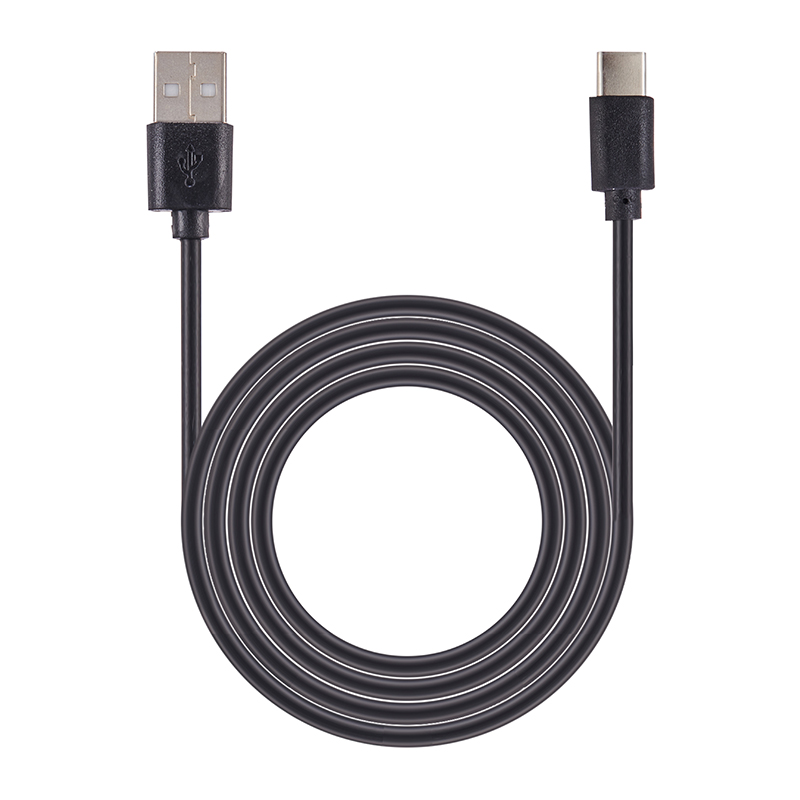
There is one important exception that confuses many owners. Some products sold as car vacuums are not hardwired to 12V at all. They are cordless units with built-in lithium batteries, and the battery voltage might be 7.4V, 11.1V, or 14.4V. With these models, the charger that came in the box is already a converter, and the label you should check is on the charger, not on the vacuum. For example, the RT806 wet-and-dry model from Rongteng is a 7.4V cordless unit, so the only legitimate way to power that type of vacuum at home is with its original charger or a documented compatible charger. Feeding its battery terminals directly from a 12V 10A adapter is not a conversion; it is a hazard.
Assuming yours is a conventional 12V wired vacuum, the label gives you the core number for adapter selection. The rule is simple: the adapter must output 12V DC, and its rated current must be equal to or greater than the vacuum rated current. The practice is slightly different because electric motors pull a startup current, called inrush current, that can be two to three times the steady running current for a fraction of a second. If you buy an adapter rated exactly at the running current, its protection circuit may trip every time you switch the vacuum on. A safety margin of 20 to 30 percent prevents nuisance trips and keeps the adapter cool.
Minimum adapter output for common car vacuums
The table below shows typical label values and the matching adapter recommendation. It assumes a 12V DC motor and a 25 percent headroom above the vacuum rated current.
| Vacuum label | Running power | Minimum adapter output | Practical recommendation |
|---|---|---|---|
| 12V DC, 4A | 48W | 12V 5A | 12V 6A or 8A |
| 12V DC, 5A | 60W | 12V 7A | 12V 8A or 10A |
| 12V DC, 8A | 96W | 12V 10A | 12V 10A or 12A |
| 12V DC, 10A | 120W | 12V 13A | 12V 15A |
| 7.4V cordless battery | varies | none | use original charger only |
Do not confuse minimum adapter output with the output of the car cigarette socket. Many car sockets are fused at 10A or 15A, but the adapter you buy is a separate component with its own rating. The practical recommendation column in the table is the safer choice for most owners, because it also supports the possibility that the label understates the real draw under load.
What to do when the label is missing
If you bought the vacuum secondhand or the label has worn off, you have three ways to identify the requirement. First, look for a molded marking on the plug itself; it sometimes says 12V. Second, check the fuse inside the cigarette plug. The fuse rating is usually close to the motor running current. A 10A fuse strongly suggests the motor draws around 8A. Third, use a digital multimeter in series with a 12V battery, if you have the skill and the correct probe connections. If you are not comfortable with multimeter measurements, the safest fallback is to buy a 12V 10A adapter with a cigarette-lighter socket output. It will run nearly all ordinary car vacuums without issue, and it has enough headroom for a 5A or 8A motor.
The Standard Solution: A 110/220V AC to 12V DC Adapter
The most direct way to convert a car vacuum cleaner for home use is a dedicated AC-to-DC power adapter. You plug it into the wall socket, and it outputs 12V DC through a socket into which the vacuum original cigarette-lighter plug fits. This approach has three big advantages: it costs between $15 and $40, it keeps the vacuum intact, and it works in any room where you can reach an outlet.
Two connector styles you will find
Adapter sellers offer two output configurations. The first, and the one recommended for most car vacuum owners, is an adapter with a built-in 12V cigarette-lighter socket on the output side. You simply press the vacuum original plug into the socket. The socket has spring-loaded contacts that grip the plug side contacts and center pin, so the vacuum can still be unplugged and carried back to the car when you need it there. Many of these adapters include a small fuse inside the socket housing or a resettable circuit breaker.
The second configuration is a bare-wire, barrel-jack, or Anderson-style DC output. These are designed for owners who want a permanent installation. You can wire the bare leads to the vacuum cord after cutting off the cigarette plug, or you can connect them to a panel-mounted socket. This is more work and introduces the risk of reversing polarity. The positive lead must connect to the center pin of the socket, and the negative lead to the outer sleeve. If you reverse the polarity on a permanent magnet DC motor, the motor will spin backwards, and in some designs it can damage the controller or the switch. Unless you cannot find a socket-style adapter or you plan to mount the vacuum on a workshop wall, choose the socket-style adapter.
Step-by-step connection process
Here is the full sequence you can follow. It takes about ten minutes for a socket-style adapter, and about half an hour if you are hardwiring the output.
- Unplug the vacuum from the car and inspect the entire cord and the cigarette plug for cracks, melted plastic, or a damaged center pin. Do not convert a damaged unit.
- Read the vacuum input label and note the voltage and current. If the label says anything other than 12V DC, stop and use the original charger; do not feed it from a 12V adapter.
- Purchase an AC-to-DC adapter with 100-240V AC input, 12V DC output, and a current rating at least 20 percent above the vacuum running current. Choose the socket-style output where possible.
- Place the adapter on a dry, ventilated surface near the outlet, and plug it into the wall. Wait for the indicator light to turn on, which confirms the adapter is outputting voltage.
- Insert the vacuum cigarette plug into the adapter socket until it seats firmly. Some plugs have two spring prongs that need a slight twist to lock.
- Switch the vacuum to its lowest setting if it has one, then switch it on. Listen for the motor to speed up smoothly and check that the plug or socket does not begin to feel warm during the first minute.
- After a two-minute test run, touch the adapter housing and the plug. Comfortably warm is acceptable; hot to the touch means the adapter is undersized, the contacts are loose, or the vacuum is faulty.
- When you finish cleaning, switch the vacuum off before unplugging it from the adapter. Switching off at the vacuum avoids sparks at the connector contacts.
If you are hardwiring a bare-wire adapter, the sequence changes after step three. Cut the vacuum cigarette plug off, strip about 8mm of insulation from both wires, slide heat-shrink tubing over each wire, then crimp or solder the vacuum wires to the adapter output wires. Connect positive to positive and negative to negative according to the adapter printed polarity diagram, slide the heat-shrink tubing over the joints, and heat it. Most cigarette plug wires use red for positive and black for negative, but check the original plug assembly because some manufacturers use white or striped wires. When in doubt, use a multimeter in continuity mode to trace which wire goes to the center pin.
Choosing a quality, certified adapter
Not all 12V adapters are the same. For a motor that draws 8A to 10A, you want a switching power supply with a robust continuous rating, not one of the thin wall-wart chargers sold for phone charging. Check the printed specifications on the adapter itself: input range, output voltage, and output current. The current listed as output should be a continuous rating, not a peak rating. The adapter should also carry a safety certification mark appropriate to your market, such as CE for Europe, UL or cUL for North America, FCC for electronic emissions in the United States, or RoHS compliance. A certified unit is less likely to use undersized wires, inadequate capacitors, or counterfeit fuses. The label alone is not proof, but the absence of any certification mark is a strong warning.
A Second Route: Portable Power Stations and 12V Batteries
An AC-to-DC adapter is the simplest answer, but it tethers the vacuum to a wall outlet. If you want to clean a driveway, a detached garage, a caravan, or a workshop without mains power nearby, a portable power station is a practical alternative. Portable power stations, sometimes called solar generators, contain a lithium battery and multiple output ports. Many include a 12V DC outlet that looks like a cigarette-lighter socket. This socket is exactly what a car vacuum plug needs.
Before matching a power station to your vacuum, check the station DC output rating. Some stations list the DC socket as 12V, 10A max, which corresponds to 120W. That is enough for a vacuum drawing 8A, and marginal for one drawing 10A. If the station DC output is only 5A, the vacuum will either run weakly or trip the station protection. You can also use the station USB outputs if you have a cordless vacuum that charges over USB-C, but that is a charging application, not a running application.
Runtime and recharging expectations
Power stations are rated in watt-hours (Wh). A 300Wh station running a 90W vacuum at full load will last about three hours, but real-world runtime is shorter because the vacuum is not the only load and because the station battery management consumes a little power. For casual spot cleaning, even a small 200Wh unit is more than enough for a month of use on one charge. If you plan to use the setup professionally, such as a detailer cleaning customer vehicles, look for a station with at least 500Wh and a DC output of 15A or more. Recharging a power station from a wall outlet takes two to eight hours depending on the unit, and many also charge from solar panels. A 12V lead-acid battery with a fused socket is cheaper but heavier, and you take on the responsibility of maintaining the battery on a smart charger.
Whichever portable source you use, remember that the duty cycle of the vacuum itself is your limiting factor, not the battery. Most car vacuums are designed for short bursts of five to ten minutes, then a cooling period. Running a compact motor flat out for an hour will overheat the motor far sooner than the battery or adapter will struggle.
When Converting Does Not Make Sense: Cordless Two-in-One Options
An adapter costs little, but it does not change the fundamental design of a wired 12V vacuum. The motor is small, the dust cup may hold less than one liter, and the hose is only about two meters long, assuming the adapter sits near the outlet. For some people, the realistic indoor results are disappointing. If your main goal is to clean several rooms in one pass, you should honestly consider whether a wired car vacuum, even with a great adapter, is the right tool at all.
This is where cordless and two-in-one car vacuums solve a problem the adapter cannot. A model that runs on an internal battery and can also be plugged into a 12V socket covers both worlds. The RT8822S 4-in-1 wireless and wired car vacuum cleaner from Rongteng is a good example. In its wireless mode, you charge the battery directly from a regular wall charger, which already contains the AC-to-DC conversion you would otherwise do yourself. There is no extra adapter to carry, no cigarette plug to press into a converter, and no cord stretched across the hallway. When the battery runs low during a long cleaning session, you switch it to wired mode and run it from the cigarette socket in the car. That design removes the entire conversion question for most households, because the charging happens automatically whenever the vacuum is parked on its base.
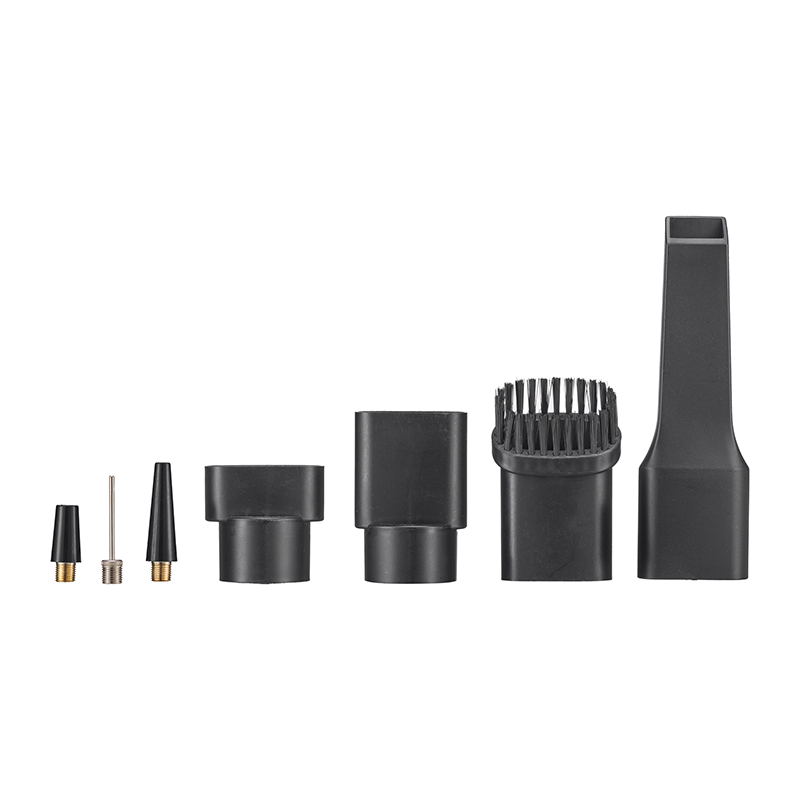 Wholesale RT-8822-S 4 In 1 Wireless And Wired Car Vacuum Cleaner Suppliers, FactNingbo Rongteng Auto Accessories Co., Ltd. is China wholesale RT-8822-S 4 In 1 Wireless And Wired Car Vacuum Cleaner suppliers and factor...View Product →
If you already own a wired 12V vacuum and simply want to extend its life, the adapter approach is cheaper than buying a new cordless unit. But if you are starting from zero, or if you are tired of managing adapters, a two-in-one model is worth the higher purchase price. The same logic applies to a home workshop: a cordless mini vacuum with a wall charger takes up less space than a wired car vacuum plus a 10A power supply, and it is always ready.
Realistic Expectations for Indoor Use
Once the adapter is working, what can you actually expect from a converted car vacuum inside a house? The answer depends on the vacuum suction class and the task. A roadside budget vacuum that struggles to pick up dog hair in the car will not magically perform better at home, because the motor is the same. A higher-suction handheld, such as models rated around 12000Pa, can genuinely replace a dedicated handheld vacuum for several jobs around the house.
Tasks the converted vacuum handles well
Converted car vacuums shine at small, awkward, furniture-sized tasks. Stair treads and risers are much easier with a compact nozzle than with a full-size upright. Upholstered chairs, sofa cushions, mattress seams, and car seats brought inside for cleaning are classic applications. The narrow crevice tool reaches baseboard gaps, radiator fins, window tracks, closet corners, and the space behind the washer. Ceiling lampshades, air vents, and door frames are reachable if you hold the vacuum in one hand. Pet owners use them for pulled-out throw rug edges and the spot where the cat sleeps. For delicate electronic items and tight crevices, many owners compare a vacuum against a compressed air blower, and a comparison of car vacuum cleaners and compressed air blowers explains which approach works best for each surface. The small dust cup fills quickly on carpets, so the most practical indoor jobs are hard surfaces and low-pile rugs where suction does most of the work.
Tasks to leave to a full-size home vacuum
A converted car vacuum will frustrate you on wall-to-wall carpet, thick area rugs, and open floor plans. The dust cup capacity of half a liter to one liter empties within minutes at full power. The short nozzle and flexible hose drag on the carpet, and the narrow floor head is about half the width of a full-size vacuum head. The motor is not built for twenty-minute continuous runs, and neither is the adapter. If you need to vacuum a 20 square meter living room, expect to empty the cup five times, rest the motor twice, and revisit missed spots. A full-size vacuum or a cordless stick vacuum with a 1.5L dust bin is a far better investment for that job. The adapter conversion is a bridge, not a replacement for a house vacuum.
Wet spills and dry messes at home
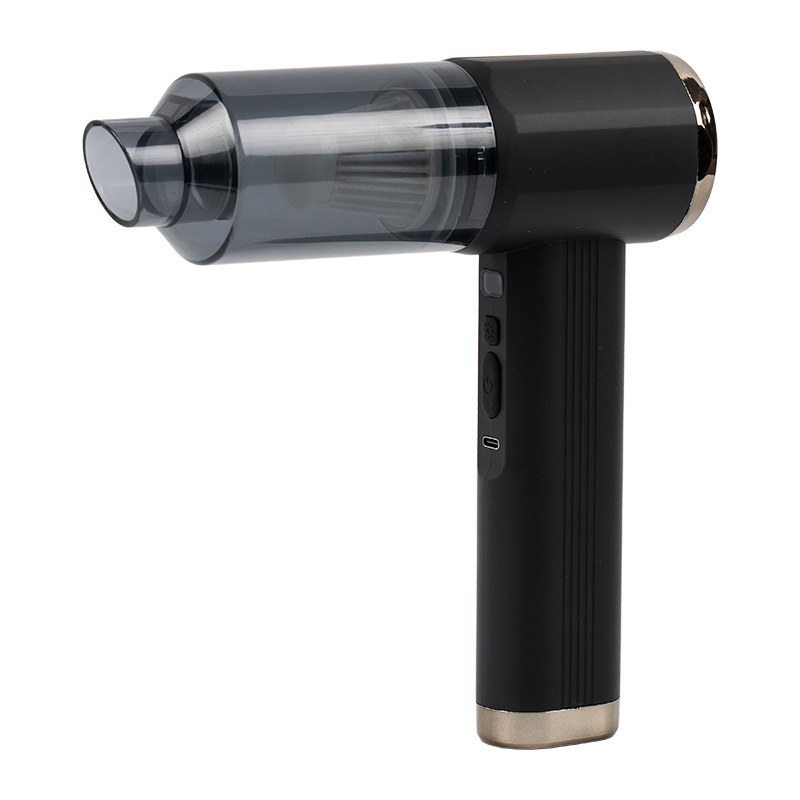
One indoor task where a car vacuum can outperform a standard home vacuum is the quick wet spill. Most household vacuums are dry-only; sucking up water destroys the paper dust bag and can short the motor. A wet-and-dry car vacuum, by contrast, separates the liquid into a dedicated container. If you use a converted car vacuum for the bathroom floor, around the washing machine, or after a child water-cup moment, choose a model that is explicitly wet rated. The RT806 7.4V 12600Pa wet and dry car air vacuum cleaner is one example built for this dual duty. It handles droplets and damp dust without the cleaning motor ingesting liquid, which is exactly what you want near a sink or a pet bowl. Just remember to empty and rinse the cup promptly so mold does not form.
 Wholesale RT-806 7.4V 12600Pa Wet & Dry Car Air Vacuum Cleaner With Li-Ion BatteNingbo Rongteng Auto Accessories Co., Ltd. is China wholesale RT-806 7.4V 12600Pa Wet & Dry Car Air Vacuum Cleaner With Li-Ion Battery su...View Product →
Not all car vacuums are suitable for every indoor surface
An important nuance is the filter and the exhaust. A vacuum that is fine inside a car may be less pleasant in a living room, because the air it exhausts is the same air that passed through the dust cup. Cheaper car vacuums use a basic foam filter, and fine dust particles blow straight through the foam and back into the room. If anyone in the household has allergies or asthma, check the filter type before converting. A model with a HEPA filter retains more fine particles and is a better indoor companion. This matters more at home than it does in a car, because you are breathing the exhaust for longer sessions in an enclosed room.
Safety Checks Before You Convert
Electrical conversion work deserves respect. The good news is that a well-made 12V car vacuum is a low-voltage appliance, and the risk to the user, rather than to the vacuum, comes mainly from the 110V or 220V side of the adapter, not from the vacuum itself. Still, there are several checks that make the difference between a reliable home setup and a recurring nuisance.
Polarity and fuses
With a socket-style adapter, polarity is determined by the physical design of the cigarette plug and socket, and you cannot easily reverse it. With a bare-wire connection, polarity is entirely your responsibility. Before soldering or crimping, verify which wire goes to the plug center pin, since convention is not universal. If you wire the motor backwards, it will turn the wrong way and blow air outward instead of sucking. Most permanent magnet motors will not be destroyed by a short backwards run, but every second of reversed rotation risks damage to the switch. The vacuum own fuse, which sits inside the cigarette plug, remains part of the circuit when you use a socket-style adapter. If your vacuum blew its fuse in the car, replace it with the same rating before you test the adapter at home.
Heat, duty cycle, and ventilation
A car vacuum motor is air-cooled, and the air it draws through the dust cup also cools the motor. If you cover the adapter with a rug, put it behind a sofa cushion, or coil its output cable tightly, heat builds up where you cannot see it. Keep the adapter on a hard surface with free air movement, and do not run the vacuum continuously. A practical rhythm is five or ten minutes of cleaning followed by a similar cool-down. The adapter will run longer than the vacuum if rated correctly, but both components age faster at elevated temperatures. If the adapter output cable is thin and the vacuum is drawing full current, the cable itself can get warm; use the original cable length rather than daisy-chaining extension cords into the output side.
Indoor air quality and filter care
Indoor use changes the maintenance rhythm. A car vacuum that was fine in a ventilated vehicle now vents directly into your living space. Check the filter before each indoor session. A clogged or wet filter cuts suction and forces the motor to work harder. If the vacuum has a HEPA filter, such as the RT809 portable car vacuum cleaner with HEPA and strong suction, do not wash it in water unless the manufacturer says it is washable; many HEPA layers degrade when wet. Tap out the loose dust, use a soft brush on the pleats, and replace the filter on the schedule in the manual. This keeps the exhaust clean and protects your lungs, especially when children are crawling on the same floor you just vacuumed.
Wholesale RT-809 Portable Car Vacuum Cleaner HEPA Wireless Strong Suction SuppliNingbo Rongteng Auto Accessories Co., Ltd. is China wholesale RT-809 Portable Car Vacuum Cleaner HEPA Wireless Strong Suction suppliers a...View Product →Adapter Shopping Checklist: What to Verify Before You Pay
Buying a 12V adapter is a small purchase, but returns are annoying. Use the following checklist to evaluate any candidate product before you complete the order. It applies whether you are buying online or at an electronics shop.
- Correct output voltage: 12V DC, not 12V AC and not 9V. A wrong-voltage adapter can overheat or underpower the motor.
- Continuous current rating: equal to the vacuum draw plus 20 to 30 percent. If the vacuum label reads 8A, choose at least 10A.
- Input compatibility: the adapter must accept your local mains voltage. A 100-240V input unit works in almost every country; a fixed 110V unit will fail outside North America.
- Connector match: a cigarette-socket output works directly with the factory plug; a bare-wire output requires wiring work and polarity attention.
- Certification and packaging: CE, UL, FCC, RoHS, or equivalent mark; a real brand name; proper instructions and a technical specification sheet.
- Physical quality: a solid casing with visible vent slots, a power LED, and a nameplate that does not scrape off.
- Cable length and gauge: at least 1.5 meters from wall to adapter, and a 16-gauge or better output wire for current above 6A.
- Protection features: overcurrent, overvoltage, and short-circuit protection, or at least a user-replaceable fuse.
One recurring mistake is buying an adapter based on wattage alone. A 150W adapter might deliver 12V at 12.5A, which is great, but another 150W unit might deliver 15V at 10A, which is wrong. Always read the voltage and current printed on the label. If the product page lists only watts, ask for the current rating. A good 12V 10A adapter is compact, quiet, and runs relatively cool; a whining or buzzing unit will only get worse under load.
Final Verdict: Convert or Buy a Different Vacuum?
Converting a wired 12V car vacuum cleaner for home use is technically simple and financially sensible when you match the adapter correctly. You do not need to rewire the vacuum, and you do not need an electrician. Buy a 12V DC adapter with a cigarette-socket output, confirm that the output current exceeds the vacuum draw by a clear margin, keep the adapter in a ventilated spot, and use the vacuum in short bursts. That covers the standard portable models in the 5A to 8A class, which covers the large majority of car vacuums on the market.
The decision changes when you do not yet own a car vacuum, or when the vacuum you own is a weak budget unit. If the motor barely picks up crumbs in the car, the same motor will barely pick up crumbs in the house, no matter how good the adapter is. In that situation, the better purchase is a cordless or two-in-one model with the filter and suction you actually need, and you can consult a buying guide and industry quality standards of car vacuum cleaners to compare the specifications that determine real cleaning performance. That guide walks through suction pressure, filter ratings, battery voltage, and the way manufacturers test these products, which is exactly the information you need to avoid repeating the conversion mistake with another weak vacuum.
Whatever you decide, keep the safety rules in mind: 12V is safe to touch, but the wall side of the adapter is dangerous; never open a switching power supply, and never let the vacuum motor run without a filter in place. With a correct adapter and a sensible duty cycle, a compact 12V vacuum becomes a genuinely useful spot-cleaning tool for stairs, upholstery, car interiors, and the small messes that appear every day. The conversion is not a gimmick; it is simply the right supply meeting the right load, and the only real work involved is reading a label and buying the right part.
Let's Talk
Keep in touch with us
Related products
-
-
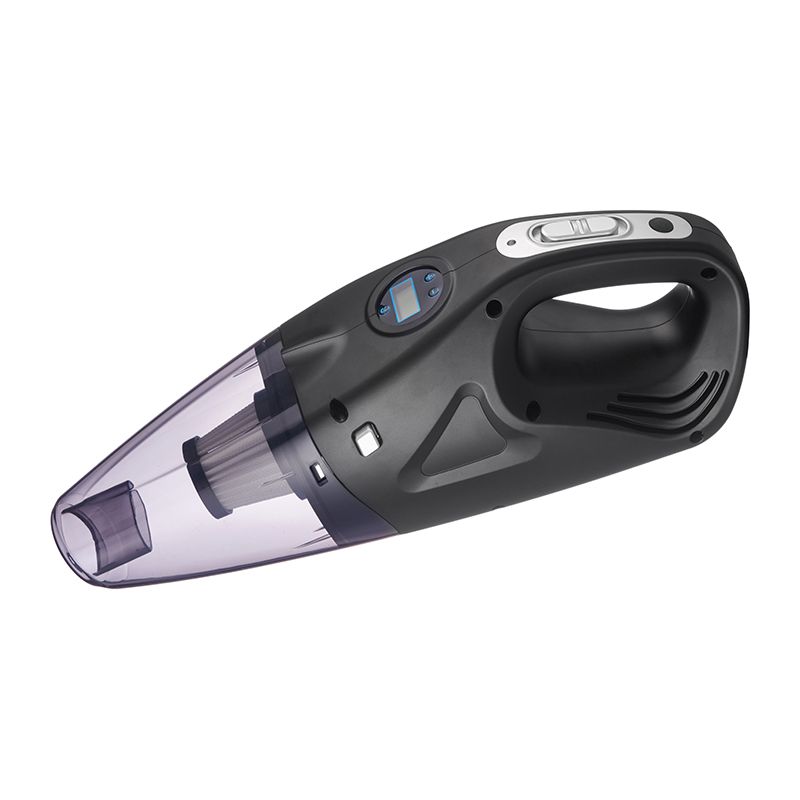
The RT-8822-S 4-in-1 Vehicle-Mounted Vacuum Cleaner—available in both cordless and corded versions—is powered by an 18650 lithium-ion battery (offering various capacity options) and operates at a 12V ...
See Details -
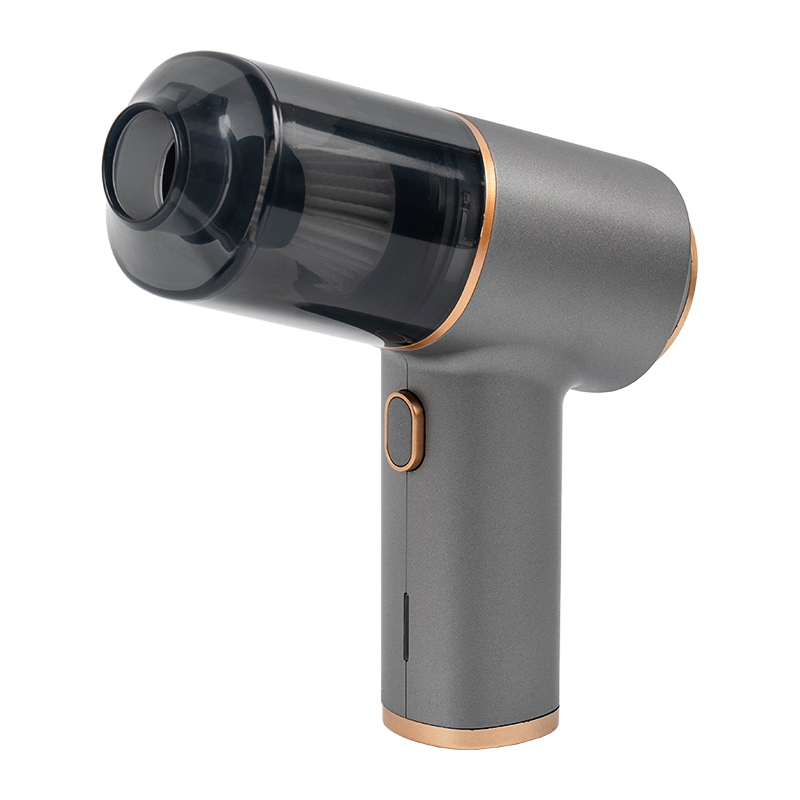
RT-8822 Mini 7.4V Handhold car portable vacuum cleaner powered by an 18650 lithium-ion battery—available in various capacity options—this unit operates at a 7.4V working voltage, ensuring stable and ...
See Details -
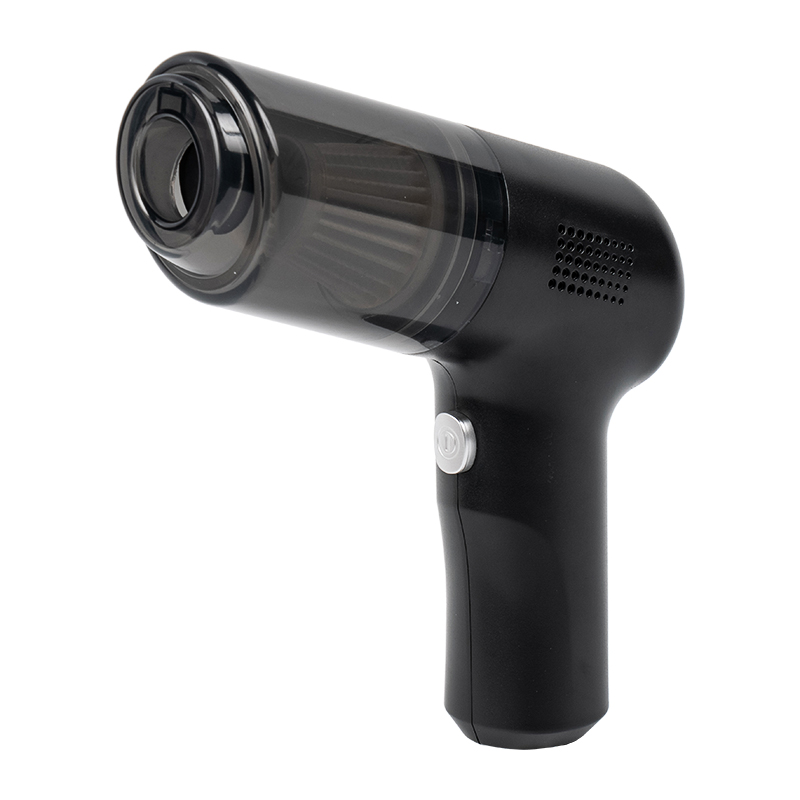
The RT-8821 Mini Vacuum Cleaner is a versatile, multi-purpose device offering both wired and wireless operation options. Featuring a lightweight and compact design, it is suitable for a wide variety o...
See Details -
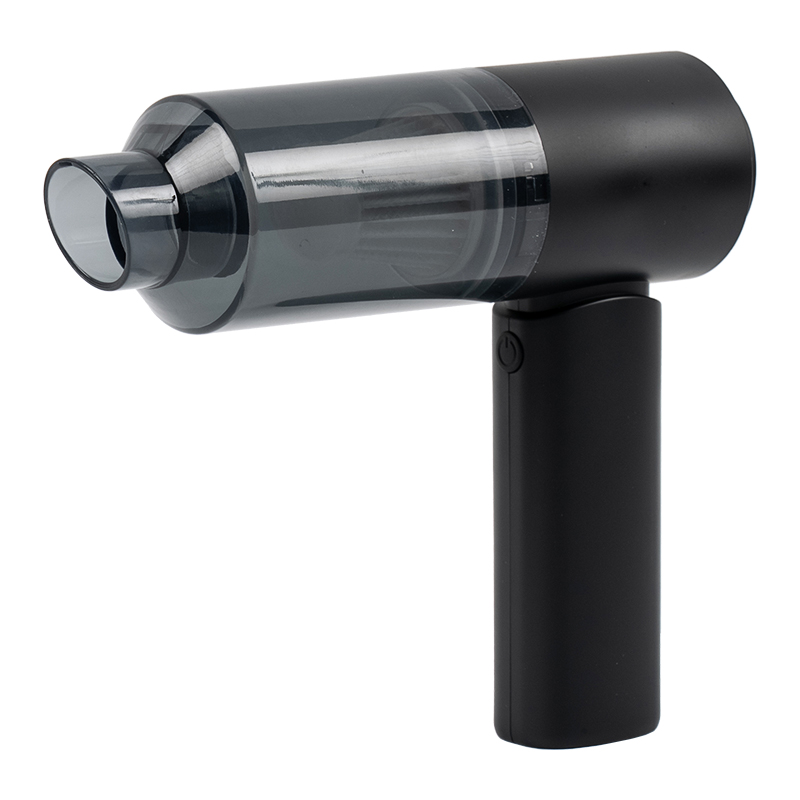
The RT-809 Portable car vacuum cleaner HEPA wireless strong suction features a compact profile and exquisite design, delivering a highly efficient cleaning experience. Powered by 18650 lithium-ion bat...
See Details -
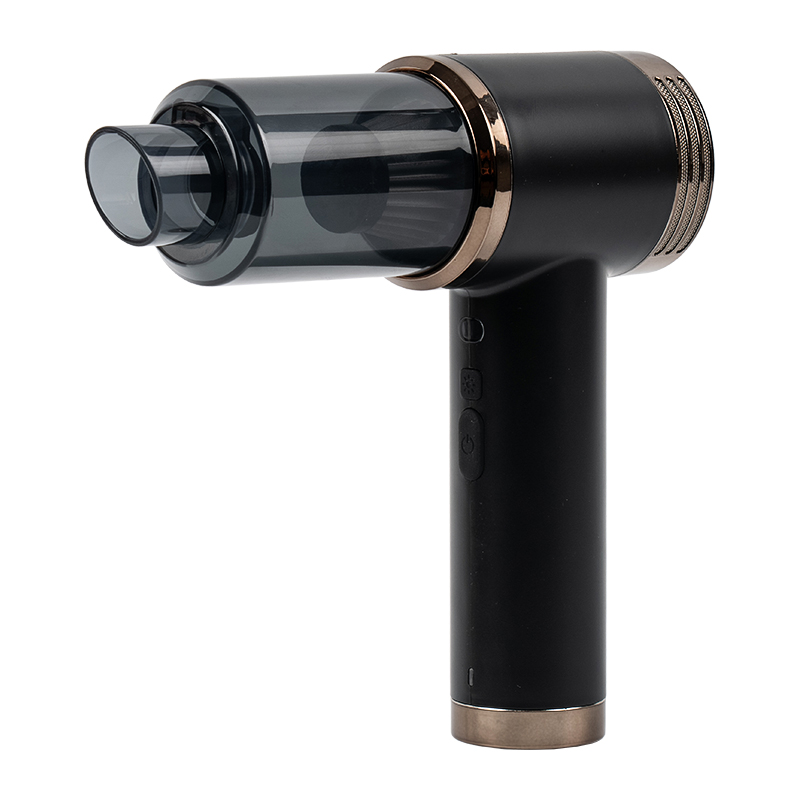
RT-807 Handhold Air Car Vacuum Cleaner Cordless Wet & Dry With Display Dust Lamp equipped with 18650 lithium-ion batteries—available in 1,800mAh x 2 or 2,000mAh x 2 configurations—this unit operat...
See Details
News
-
You have just finished vacuuming the car with a 12V vacuum cleaner plugged into the cigarette-lighter socket. The floor...
READ MORE -
It is a Wednesday morning, the temperature has dropped overnight, and your dashboard tire pressure warning light is glo...
READ MORE -
Which Best Tyre Inflator to Buy and Why The best tyre inflator for most car owners is a cordless digital portable tire ...
READ MORE -
You open the back door after a short drive, and your dog jumps out leaving a layer of fur across the rear seat. You rea...
READ MORE -
To inflate tires at a gas station correctly: check your vehicle's recommended tire pressure from the sticker inside th...
READ MORE -
Vacuuming a car properly is not a one-pass task. If you only move the nozzle over the visible surfaces, you are leaving...
READ MORE
Message Us Right Now!
Get Connected
 Whatsapp
 Wechat
Copyright © Ningbo Rongteng Auto Accessories Co.,Ltd. All rights reserved.
 Custom Vehicle Tire Inflators Manufacturers