
 English
 русский
 Español
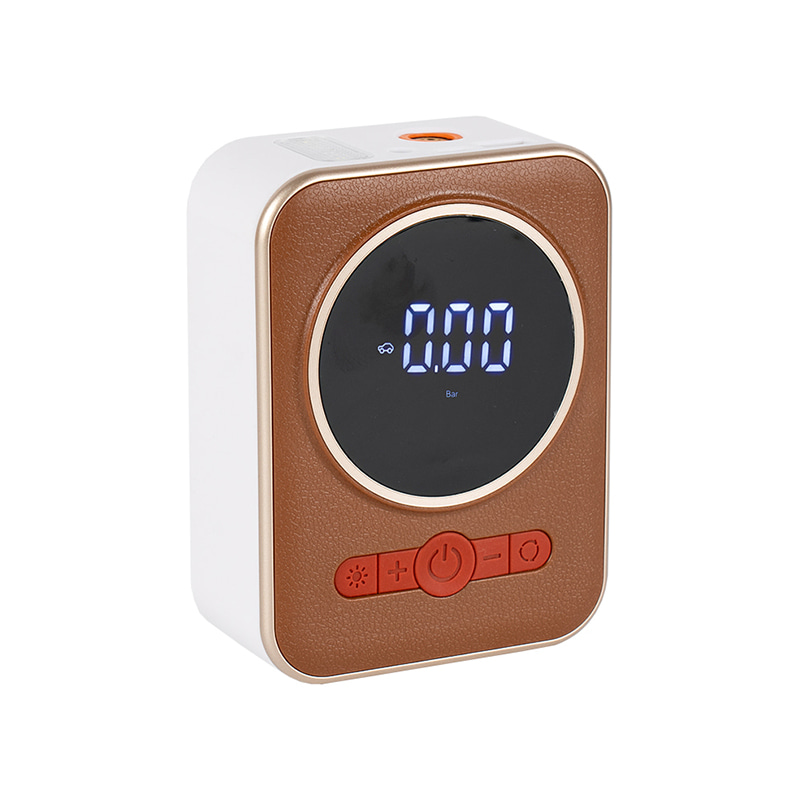
The RT-502 Mini Portable Vehicle-Mounted Air Pump is an intelligent, all-in-one device that combines precise tire pressure detection, rapid inflation, multiple inflation modes, and emergency rescue ca...
See DetailsIndustry News 2026/08/10
Which Best Tyre Inflator, Portable Tire Inflator : The Complete Practical Buyer Guide for Every Vehicle and Use Case
Content
- 1 Which Best Tyre Inflator to Buy and Why
- 2 Portable Tire Inflator Types: Understanding What You Are Buying Before Comparing Prices
- 3 Best Tyre Inflator: Specifications That Determine Real-World Performance
- 3.1 Flow Rate (Litres Per Minute): The Most Important Performance Specification
- 3.2 Pressure Accuracy: Where Cheap Inflators Consistently Fail
- 3.3 Hose Length and Valve Connection Quality
- 3.4 Best Air Compressor for Car Tires: Duty Cycle and Thermal Protection
- 3.5 Complete Specification Comparison: Portable Tire Inflator Categories
- 4 Best Air Compressor for Car Tires: Selecting by Vehicle Type and Inflation Frequency
- 5 Best Tyre Inflator Features That Improve Usability in Real Roadside Conditions
- 6 Portable Tire Inflator Maintenance and Storage for Long-Term Reliability
- 7 Frequently Asked Questions
- 7.1 1. Which best tyre inflator should I buy for everyday car use?
- 7.2 2. What is the difference between a portable tire inflator and a best air compressor for car tires?
- 7.3 3. How long does a portable tire inflator take to inflate a flat car tyre?
- 7.4 4. Can a portable tire inflator overinflate my tyre?
- 7.5 5. How accurate are the pressure gauges on portable tire inflators?
- 7.6 6. Is a cordless portable tire inflator better than a 12V plug-in model?
- 7.7 7. What PSI should I inflate my car tyres to?
- 7.8 8. How do I use a portable tire inflator correctly?
- 7.9 9. What is the best tyre inflator for a 4x4 or SUV owner?
- 7.10 10. How long does a cordless portable tire inflator battery last over its lifetime?
Which Best Tyre Inflator to Buy and Why
The best tyre inflator for most car owners is a cordless digital portable tire inflator with a built-in pressure gauge accurate to within 0.5 PSI, an automatic pressure shutoff that stops inflation precisely at the target pressure, a flow rate of at least 25 litres per minute, and a built-in rechargeable lithium battery that delivers enough charge for at least four full passenger car tyre inflations per charge. In this category, models priced between USD 50 and USD 100 from established brands consistently outperform both budget alternatives and traditional 12V plug-in compressors for roadside usability, because they require no external power source, start instantly, and deliver accurate pressure without the need to check manually with a separate gauge.
For drivers who primarily need the best air compressor for car tires as a plug-in tool kept in the car for emergencies, a 12V DC portable tire inflator connecting to the vehicle's 12V socket (cigarette lighter port) is an equally valid and typically cheaper option, with models in the USD 20 to USD 45 range providing adequate performance for passenger car tyres when a reliable power source is available. The 12V cordless portable tire inflator is more limited for roadside use in the sense that it draws its power from the vehicle battery, meaning the engine should be running during extended inflation to avoid battery drain.
This guide explains the specifications that separate the best tyre inflator from a disappointing one, compares all major inflator types across practical criteria, and provides a buying framework that maps specific use cases to the correct inflator specification.
Portable Tire Inflator Types: Understanding What You Are Buying Before Comparing Prices
The portable tire inflator market contains four fundamentally different product categories that look similar in photographs but perform very differently in practice. Identifying which category a product belongs to is the first step in any evaluation, because comparing prices across categories produces misleading conclusions.
Type 1: Cordless Lithium Battery Portable Tire Inflator
The fastest-growing and increasingly dominant category for consumer use. These units contain an electric air pump, a motor, a rechargeable lithium battery (typically 7.4V to 21V, 2,000 to 6,000 mAh), a digital pressure display, and an automatic shutoff mechanism in a single self-contained unit. They require no external power source and can be used anywhere: roadside, car park, campsite, or workshop.
- Inflation speed: 25 to 40 litres per minute for mid-range models. A flat passenger car tyre (completely deflated from standard 2.2 bar/32 PSI) inflates to target pressure in 4 to 8 minutes depending on tyre volume and flow rate. A near-flat tyre (0.5 to 0.7 bar low) takes 1 to 3 minutes.
- Pressure range: Most models cover 0 to 150 PSI (0 to 10.3 bar), which covers passenger cars (30 to 36 PSI standard), SUVs (35 to 44 PSI), motorcycles (28 to 42 PSI), and bicycle tyres (40 to 120 PSI with the correct valve adapter).
- Duty cycle limitation: Most portable tire inflators in this category specify a maximum continuous run time of 10 to 20 minutes before requiring a cooling period. Inflating multiple tyres in succession on a hot day may trigger a thermal cutoff. Premium models with metal pump heads and higher-quality motors handle sustained use better than budget plastic-bodied alternatives.
- Battery capacity and yields per charge: A quality 21V 3,000 mAh model delivers 4 to 6 full passenger car tyre inflations per charge. A smaller 7.4V budget model may only deliver 2 to 3 inflations. Always check the manufacturer's stated inflations per charge before purchasing for emergency readiness applications.
Type 2: 12V DC Plug-In Portable Tire Inflator
The most established portable tire inflator category, connecting to the vehicle's 12V power socket via a coiled or straight cable, and drawing power directly from the vehicle's electrical system. These are the classic roadside emergency compressors that have been available since the 1990s.
- Advantages: Unlimited runtime (draws power from vehicle, not a battery), no recharging required, typically lower purchase price (USD 20 to USD 45 for quality models), and reliable power delivery for extended inflation sessions (inflating a completely flat tyre that requires 8 to 12 minutes of inflation).
- Limitations: Requires access to the vehicle's 12V socket, which may not be accessible from the tyre being inflated if the cable length is insufficient (quality models provide 3 to 4.5 metre cables). Cannot be used away from the vehicle. Vehicle engine should be running during inflation to avoid draining the battery, which adds complexity in a roadside situation.
- Flow rate: Typically 15 to 30 litres per minute for consumer-grade 12V models. Higher-powered models drawing 15 to 20 amps at 12V achieve the upper end of this range but can blow vehicle fuses if the socket's fuse rating is insufficient.
Type 3: Mains-Powered (AC) Portable Tire Inflator
Electric compressors that plug into a standard household or workshop power outlet (240V AC in the UK/Australia/Europe, 120V AC in North America). These are not truly portable in the roadside sense but are highly relevant as the best air compressor for car tires for home garage use and for drivers who want maximum inflation speed and duty cycle without battery limitations.
- Flow rate: 30 to 60 litres per minute for quality consumer-grade AC compressors, compared to 25 to 40 L/min for cordless portable tire inflators. This higher flow rate reduces inflation time for large-volume tyres (SUVs, 4x4s, and commercial vehicles).
- Continuous duty: Mains-powered units can run continuously without a thermal cutoff in many cases (particularly tank-equipped compressors), making them the correct tool for inflating all four tyres of multiple vehicles in sequence without cooling waits.
- Limitation: Requires access to a mains power outlet, limiting use to garages, workshops, and locations with outdoor power access. Not a roadside emergency tool.
Type 4: CO2 Cartridge Inflator
Used primarily for bicycle tyres and motorcycle tyres in racing and emergency contexts. A CO2 cartridge inflator is the smallest and lightest portable tire inflator format: it uses a pre-filled CO2 cartridge (typically 16g for bicycle use, 25g or larger for motorcycle and car use) that releases a measured burst of compressed CO2 to rapidly inflate the tyre.
- Speed is the key advantage: A standard 16g CO2 cartridge inflates a 700c road bicycle tyre from flat to 100 PSI in approximately 5 to 10 seconds, compared to 3 to 5 minutes with a hand pump or mini electric inflator. For racing cyclists and triathletes who cannot tolerate a lengthy inflation stop, CO2 is the only practical emergency tyre inflation method.
- Limitations for car use: CO2 cartridges for car tyre sizes are large (150g or more), expensive per use, and only inflate the tyre once. CO2 also diffuses through rubber faster than nitrogen or air, meaning a CO2-inflated car tyre will need reinflation to correct pressure within days. CO2 is therefore an emergency-only temporary solution for car tyres, not a practical regular maintenance inflator.
Best Tyre Inflator: Specifications That Determine Real-World Performance
Marketing claims for portable tire inflators are frequently exaggerated or measured under ideal conditions that do not reflect real-world use. Understanding which specifications actually predict performance and which are marketing numbers helps identify the best tyre inflator within any budget category.
Flow Rate (Litres Per Minute): The Most Important Performance Specification
The flow rate (sometimes stated as CFM, cubic feet per minute, in North American specifications: 1 CFM = approximately 28.3 litres per minute) is the volume of air the inflator can deliver per unit of time and is the primary determinant of how quickly it inflates a tyre. Higher flow rate means faster inflation, which matters practically in cold weather (when you want to complete roadside inflation quickly), when inflating multiple tyres, or when inflating high-volume SUV or 4x4 tyres.
Minimum recommended flow rates for practical use in each application:
- Passenger car tyres (175/65 R15 to 225/55 R17 typical range): 20 L/min minimum, 30 L/min or more preferred. A 20 L/min inflator takes approximately 6 to 8 minutes to inflate a completely flat passenger car tyre; a 35 L/min model completes the same task in 3 to 5 minutes.
- SUV and 4x4 tyres (235/65 R17 to 285/60 R18 typical range): 30 L/min minimum for acceptable inflation time. Budget portable tire inflators rated at 15 to 18 L/min struggle significantly with large-volume SUV tyres, taking 12 to 20 minutes per tyre and frequently triggering thermal shutoff before inflation is complete.
- Motorcycle tyres: 15 L/min is adequate due to the smaller tyre volume. Most portable tire inflators marketed for car use are substantially overspecified for motorcycle tyre inflation.
- Bicycle tyres: Any flow rate is functional, as the small tyre volume means even low-flow inflators complete inflation quickly. The key requirement for bicycle use is a pressure gauge accurate and readable at high pressures (80 to 120 PSI for road bikes) and the correct Presta or Schrader valve adapter.
Pressure Accuracy: Where Cheap Inflators Consistently Fail
Tyre pressure accuracy is the most practically important performance specification of any tyre inflator, and it is where the greatest quality gap exists between premium and budget portable tire inflators. Tyre pressure affects safety, fuel consumption, and tyre wear in measurable ways: a tyre underinflated by 6 PSI (approximately 0.4 bar) below its recommended pressure increases rolling resistance by 3%, reduces fuel economy by 1.5% to 2.5% per tyre, and accelerates tyre shoulder wear by 15% to 25%. An inflator that consistently reads 3 to 5 PSI high or low therefore contributes directly to ongoing vehicle operating costs and safety margins.
Pressure accuracy specifications to look for:
- Gauge accuracy of plus or minus 0.5 PSI (plus or minus 0.03 bar): This is the standard for quality portable tire inflators. At typical passenger car pressures of 30 to 36 PSI, this accuracy represents a maximum error of 1.4% to 1.7%, which is negligible for practical purposes.
- Budget inflators commonly show errors of plus or minus 2 to 4 PSI: This means a tyre targeted at 32 PSI may be inflated to anywhere between 28 and 36 PSI. At 28 PSI, the tyre is underinflated enough to affect handling and fuel economy; at 36 PSI, it is overinflated enough to reduce wet-road grip and increase impact sensitivity.
- Automatic pressure shutoff accuracy: The best tyre inflators automatically stop inflation when the target pressure is reached. The accuracy of this shutoff (how close to the target pressure the inflator actually stops) should be within plus or minus 1 PSI. Some budget models overshoot by 2 to 5 PSI after shutoff trigger due to residual pressure in the hose, requiring manual pressure release to achieve the actual target. Always check independent user reviews specifically for shutoff overshoot behavior before purchasing.
Hose Length and Valve Connection Quality
The hose connecting the inflator to the tyre valve must be long enough to reach the valve from wherever the inflator sits during use. A hose shorter than 60 cm (24 inches) forces the inflator to hang from the tyre valve during inflation, stressing the valve stem and creating a fall risk for the inflator. Quality portable tire inflators provide hoses of 50 to 100 cm with flexible rubber or braided construction that maintains shape while routing around wheel arches and brake calipers.
The valve chuck (the fitting that attaches to the tyre valve) should grip the Schrader valve (standard on car tyres) without air leakage and should twist or lock on securely enough that normal vibration from the inflator motor does not cause it to work loose during inflation. A leaking valve connection wastes inflation time and produces misleadingly high pressure readings on the inflator gauge as the hose pressure rises while the tyre pressure remains low.
Best Air Compressor for Car Tires: Duty Cycle and Thermal Protection
The duty cycle specification describes what proportion of any time period a portable tire inflator or air compressor can run continuously before requiring a cooling rest. A 50% duty cycle at 10-minute intervals means the unit can run for 5 minutes, must rest for 5 minutes, and can then run again. This specification is critical for users who need to inflate multiple tyres in succession or who regularly inflate larger-volume tyres.
The best air compressor for car tires in the portable category for users who regularly need to inflate all four tyres (for example, when reinflating after deliberate pressure reduction for off-road driving) should have:
- A duty cycle of at least 30 minutes continuous runtime before required cooling rest, or a high-quality thermal protection system that allows resumption within 5 to 10 minutes after a thermal shutdown
- A metal cylinder and pump head rather than all-plastic construction. Metal dissipates heat from the pump cycle far more effectively than plastic, which is why professional-grade portable tire inflators and the best air compressor for car tires in the workshop category use aluminum or cast metal pump bodies. A hot metal pump head is a positive sign of efficient heat dissipation; a hot plastic body that cannot dissipate heat as effectively may be running closer to thermal limits during normal use.
- An ambient temperature operational range down to minus 10 degrees Celsius or lower for drivers in cold climates, where tyre deflation emergencies and routine pressure maintenance are more frequent (cold air contracts, reducing tyre pressure by approximately 1 PSI per 6 degree Celsius temperature drop).
Complete Specification Comparison: Portable Tire Inflator Categories
| Specification | Budget 12V Plug-In | Quality 12V Plug-In | Cordless Li-Ion (mid range) | Cordless Li-Ion (premium) | Mains AC Compressor |
|---|---|---|---|---|---|
| Typical flow rate | 12 to 18 L/min | 20 to 30 L/min | 25 to 35 L/min | 35 to 50 L/min | 40 to 80 L/min |
| Pressure accuracy | Plus or minus 2 to 5 PSI | Plus or minus 1 to 2 PSI | Plus or minus 0.5 to 1 PSI | Plus or minus 0.5 PSI | Plus or minus 0.5 to 1 PSI |
| Auto pressure shutoff | Rarely included | Some models | Standard feature | Standard feature | Most models |
| Cordless operation | No | No | Yes | Yes | No |
| Inflations per charge (car tyres) | N/A (vehicle powered) | N/A (vehicle powered) | 3 to 5 inflations | 5 to 10 inflations | Unlimited |
| Typical purchase price | USD 12 to 25 | USD 25 to 45 | USD 40 to 70 | USD 70 to 120 | USD 50 to 200 |
| Best use case | Basic roadside emergency | Regular roadside use | All-around portability | SUV, multi-tyre, frequent use | Garage, workshop, high volume |
Best Air Compressor for Car Tires: Selecting by Vehicle Type and Inflation Frequency
The best air compressor for car tires is not a single universal answer but a specification that depends directly on the vehicle being serviced, the frequency of use, and whether the primary application is emergency roadside inflation or regular maintenance inflation at home or in a garage.
Passenger Cars and Hatchbacks: The Standard Use Case
A standard passenger car tyre in the 175/65 R14 to 225/55 R17 size range has a typical inflated volume of 25 to 40 litres. At a target pressure of 32 PSI (2.2 bar) and a starting pressure of 22 PSI (1.5 bar), the inflation volume required is approximately 10 to 15 litres of compressed air at target pressure. A 25 L/min portable tire inflator completes this inflation in 90 to 120 seconds from a low-pressure state, or 3 to 5 minutes from a completely flat state.
For passenger car use, the minimum recommended portable tire inflator specification is:
- Flow rate: 20 L/min or higher (25 L/min recommended for comfortable inflation times)
- Maximum pressure: 100 PSI or higher (typical passenger car maximum tyre pressure is 50 to 65 PSI, so this provides a comfortable safety margin)
- Pressure accuracy: Plus or minus 1 PSI or better
- Auto shutoff: Strongly recommended for convenience and accuracy
SUVs, Pickup Trucks, and 4x4 Vehicles: Higher Volume Demands
A large SUV or pickup truck tyre in the 265/70 R17 to 285/65 R18 range has an inflated volume of 50 to 80 litres, approximately double the volume of a passenger car tyre. This larger volume means that inflation time at the same flow rate is approximately double, and the duty cycle of the portable tire inflator is tested more severely.
For SUV and 4x4 owners, the best air compressor for car tires is a unit with a flow rate of 35 L/min or higher, a maximum continuous run time of 20 minutes or more before thermal protection activates, and for off-road enthusiasts who regularly air down tyres (reduce tyre pressure to 15 to 18 PSI for sand or rock driving and then reinflate to road pressure afterward), a purpose-designed 12V or cordless compressor rated for exactly this use case, typically delivering 30 to 50 L/min and carrying a 4 to 6 metre heavy-duty power cable.
The difference in inflation time between a budget 15 L/min portable tire inflator and a premium 40 L/min unit when inflating four large 4x4 tyres from 15 PSI back to 36 PSI after off-road use:
- Budget 15 L/min inflator: Approximately 12 to 18 minutes per tyre, with thermal cutoff likely occurring after the first or second tyre, adding a further 10 to 20-minute cooling wait between tyres. Total time for four tyres: 60 to 100 minutes
- Premium 40 L/min inflator: Approximately 4 to 6 minutes per tyre with adequate duty cycle to complete all four tyres without thermal cutoff. Total time for four tyres: 20 to 30 minutes
This 30 to 70-minute difference is the practical cost of choosing an underpowered inflator for a high-volume application, and it makes the best air compressor for car tires in the 4x4 category a significantly different specification from the minimum adequate for passenger cars.
Motorcycles: Compact Format and Pressure Precision
Motorcycle tyres require lower air volumes than car tyres (a typical 190/55 R17 rear motorcycle tyre has a volume of 8 to 12 litres) but require careful pressure management because motorcycle tyre pressure affects handling in more sensitive and immediate ways than car tyres. The best tyre inflator for motorcycle use should:
- Fit in a motorcycle pannier or backpack: The most compact cordless portable tire inflators are now available in sizes approximately 20 cm × 8 cm × 6 cm and weigh 400 to 600 grams, making them practical for motorcycle luggage where large compressors are impractical
- Read pressure in 0.1 PSI or 0.01 bar increments: Motorcycle tyre pressure tolerances are tighter than car tyres. A precision digital gauge with fine resolution is more important for motorcycle use than for car use
- Handle Schrader valves with angled valve access: Motorcycle wheel designs often place the tyre valve at an angle that requires a flexible or angled valve chuck rather than the straight-on chucks adequate for car tyres
Bicycles: High Pressure, Small Volume, and Valve Type Complexity
Bicycle tyre inflation requires managing two different valve standards (Schrader and Presta) and a wide pressure range from approximately 30 PSI for wide mountain bike tyres to 120 PSI or more for narrow road bike tyres. A portable tire inflator used for bicycle tyres must:
- Reach 120 to 130 PSI maximum pressure for road bicycle use (most car tyre inflators are rated to 100 to 150 PSI, so this is usually met)
- Include a Presta valve adapter (the narrow threaded valve used on most road and many mountain bikes, different from the wider Schrader valve used on cars and some mountain bikes). Many portable tire inflators include this adapter in their accessory kit; confirm its inclusion before purchasing for bicycle use
- Display pressure accurately at high values: A gauge that is accurate at 35 PSI (car use) may be less accurate at 110 PSI (road bike use). Check that accuracy specifications apply across the full operating pressure range, not only at the lower pressures relevant to car use
Best Tyre Inflator Features That Improve Usability in Real Roadside Conditions
Beyond the core performance specifications of flow rate and pressure accuracy, several secondary features separate the best tyre inflator from an average one in the context of actual roadside use, where convenience, safety, and ease of operation under stress matter as much as raw performance.
Built-In LED Light for Night and Low-Light Use
A tyre deflation or pressure check emergency is as likely to occur at night or in a poorly lit car park as in full daylight. The best tyre inflator for emergency carry includes a bright LED work light (ideally with a wide-angle beam rather than a narrow spot) that illuminates the tyre valve area during inflation. This feature appears trivially simple but is genuinely important: connecting an inflator hose to a tyre valve in darkness without a light source is significantly harder than it appears in daytime product photography, especially in wet or cold conditions with limited dexterity.
Multiple Pressure Units (PSI, Bar, kPa, kg/cm2)
Tyre pressure is expressed in different units in different countries and on different vehicle tyre placard formats: PSI is standard in the United States and United Kingdom; bar is standard across Europe; kPa is used in Australia and Canada; and kg/cm2 appears on some Japanese and Asian market vehicles. The best tyre inflator allows the user to switch between pressure units so the displayed reading can be directly compared to the vehicle's door placard specification without mental conversion. This is a practical feature, not a luxury: a user who knows their target pressure is 2.4 bar does not want to calculate 34.8 PSI mentally to compare to a PSI-only inflator display while kneeling in a car park.
Preset Pressure Memory and Pre-Set Target Entry
Premium portable tire inflators allow the user to pre-enter the target pressure for each tyre before beginning inflation. The inflator then runs automatically and stops precisely when the pre-set target is reached. This preset function eliminates the need to watch the gauge during inflation and prevents the common error of forgetting the target pressure mid-inflation. The best implementations of this feature store the last-used pressure setting so the unit defaults to the correct value the next time it is used with the same vehicle, requiring only a single button press to begin inflation.
Digital vs Analog Pressure Display
All modern portable tire inflators worth purchasing use digital pressure displays rather than analog needle gauges. Digital displays provide:
- Higher accuracy (eliminating parallax reading errors from needle gauges)
- Backlit screens visible in low light (essential for night roadside use)
- Precise numerical readout without the interpolation required to read between scale divisions on an analog gauge
- Multi-unit display capability by simply switching the displayed unit in the software
Overinflation Protection and Pressure Relief
The best tyre inflator includes both automatic pressure shutoff (stopping inflation at the target) and a manual pressure release valve or bleed button that allows the user to reduce tyre pressure if the target is overshot. This pressure release function is more important in portable tire inflators without accurate auto-shutoff (budget models that overshoot the target by 2 to 5 PSI) but is a useful safety backup even in premium models. Check that the pressure release valve is easily accessible and operable with one hand, as fumbling with a small release valve while holding the hose to the tyre valve is awkward in practice.
Portable Tire Inflator Maintenance and Storage for Long-Term Reliability
A portable tire inflator kept in a vehicle boot for months between uses is only useful if it works reliably when needed. The reliability of an emergency portable tire inflator in the moment it is needed depends almost entirely on how it has been stored and maintained during the months it was not in use.
Battery Maintenance for Cordless Portable Tire Inflators
Lithium-ion batteries (used in all cordless portable tire inflators) degrade progressively whether used or not, but storage at very low or very high charge states accelerates degradation. The correct storage protocol for a cordless portable tire inflator kept in a vehicle boot for emergency use:
- Store at 40% to 60% charge rather than fully charged or fully depleted. Most battery management systems in quality cordless inflators prevent the battery from reaching truly zero charge, but storing for months at full charge (100%) accelerates capacity loss through electrolyte oxidation at the cathode.
- Recharge every 3 to 6 months even if the inflator has not been used. Lithium-ion batteries self-discharge at approximately 2% to 5% per month at room temperature; stored in a hot vehicle boot over summer, self-discharge accelerates and the battery can reach critically low states that trigger protection cutoffs, rendering the inflator non-functional until recharged.
- Keep the battery at moderate temperatures. The ideal storage temperature for lithium-ion batteries is 15 to 25 degrees Celsius. A cordless portable tire inflator stored in a vehicle boot in a hot climate (where summer boot temperatures can exceed 50 to 60 degrees Celsius) will experience significantly accelerated battery degradation. Consider removing the inflator from the vehicle and storing it inside the home during extended periods of hot weather.
General Portable Tire Inflator Storage and Care
- Store the hose coiled loosely rather than tightly wrapped, which can create permanent kinks in the hose that restrict airflow and cause hose cracking over time. The best tyre inflators store hoses in a dedicated recess or clip that maintains a natural coil radius.
- Keep valve adapters and accessories in the storage bag or case that comes with the inflator. Loose accessories rattling around in the vehicle boot become lost or damaged over months of normal vehicle use, making the inflator unable to serve its intended purpose when needed.
- Check the inflator function every 3 to 6 months by briefly running the unit without connecting it to a tyre (open air run for 5 seconds) to confirm the motor starts, the display functions, and the battery holds charge. This brief check identifies a failing battery or faulty display before the inflator is needed in an emergency, allowing time to replace or recharge before the problem is critical.
- Inspect the hose and valve chuck for cracks, splits, and corrosion at each maintenance check. A cracked hose or a corroded valve chuck produces air leaks that waste inflation time and reduce pressure accuracy. Replacement hoses and chucks are available from most portable tire inflator brands as spare parts and should be replaced before failure rather than on failure.
Frequently Asked Questions
1. Which best tyre inflator should I buy for everyday car use?
The best tyre inflator for everyday car use is a cordless digital portable tire inflator with a flow rate of 25 L/min or more, pressure accuracy of plus or minus 0.5 to 1 PSI, an automatic pressure shutoff, a built-in LED light, and a battery that delivers at least four full car tyre inflations per charge. Models in the USD 50 to USD 80 price range from established brands consistently provide this specification. The cordless format is more practical than a 12V plug-in model for most daily use scenarios because it requires no cable management, no vehicle power connection, and no running the engine during inflation. The automatic pressure shutoff is the single most important convenience feature: it eliminates the need to watch the gauge and manually stop the inflator, which is the most common source of overinflation error with basic portable tire inflators.
2. What is the difference between a portable tire inflator and a best air compressor for car tires?
A portable tire inflator is a compact device designed specifically for inflating tyres on the go, typically without a storage tank, using a small motor and pump to deliver air directly to the tyre. The best air compressor for car tires in the workshop or garage context is a larger device (often with a 6 to 50 litre storage tank) that builds up a reserve of compressed air and then delivers it rapidly, enabling not just tyre inflation but also operation of air tools, spray painting, and other compressed air applications. For tyre inflation specifically, a portable tire inflator with a flow rate of 25 to 40 L/min is fully adequate for passenger cars and most SUVs and is the correct tool for both roadside and home use. A full workshop-type air compressor is only justified if it will also be used for air tools or other applications beyond tyre inflation, as the additional size, weight, and cost provide no practical benefit for tyre inflation alone.
3. How long does a portable tire inflator take to inflate a flat car tyre?
A completely flat passenger car tyre (0 PSI) inflated to standard pressure (32 PSI, approximately 2.2 bar) requires 3 to 8 minutes depending on tyre size and inflator flow rate. A 175/65 R14 small car tyre takes approximately 3 to 4 minutes with a 25 L/min inflator. A 225/55 R17 medium car tyre takes 5 to 7 minutes with the same inflator. A budget 15 L/min inflator takes approximately double these times. The more common real-world scenario (a tyre that is 6 to 10 PSI low rather than completely flat) takes 60 to 120 seconds with most quality portable tire inflators, making the inflation process genuinely quick for routine maintenance checks. Note that a completely flat tyre may have been damaged (sidewall impact, puncture, or valve failure) and should be inspected for damage before reinflation rather than simply pumped up without checking the cause of the deflation.
4. Can a portable tire inflator overinflate my tyre?
A portable tire inflator without an automatic pressure shutoff can overinflate a tyre if the user does not monitor the gauge and manually stop the inflator at the correct pressure. This is one of the most common misuse errors with basic portable tire inflators. Models with accurate automatic pressure shutoff (plus or minus 1 PSI accuracy at the shutoff point) eliminate this risk for normal use, though even with auto-shutoff, residual pressure in the hose after the inflator stops can add 1 to 3 PSI to the tyre if the hose is disconnected immediately after shutoff without checking. The correct procedure is to set the target pressure 1 to 2 PSI below the actual target, allow the inflator to auto-shutoff, then check the actual tyre pressure with a dedicated gauge and top up manually if needed. Overinflated tyres have reduced contact patch size, worse wet-road grip, increased susceptibility to impact damage, and a harsher ride quality.
5. How accurate are the pressure gauges on portable tire inflators?
Pressure gauge accuracy on portable tire inflators varies significantly between quality tiers. Premium cordless digital portable tire inflators from established brands are accurate to plus or minus 0.5 PSI across their operating range, which is adequate for all practical car tyre maintenance purposes. Quality 12V plug-in models achieve plus or minus 1 to 2 PSI. Budget inflators (particularly at the under USD 20 price point) frequently show errors of 2 to 5 PSI, which is large enough to put a tyre meaningfully outside its correct pressure range. For critical accuracy, always verify an inflator's gauge reading against a known-accurate handheld tyre pressure gauge (a quality digital pen gauge or a workshop Bourdon tube gauge) when you first receive the inflator, and periodically thereafter. If the inflator gauge consistently reads 3 PSI high, for example, you know to set the inflator target 3 PSI lower than the actual target.
6. Is a cordless portable tire inflator better than a 12V plug-in model?
A cordless portable tire inflator is more convenient and more versatile than a 12V plug-in model, but the correct choice depends on how the inflator will primarily be used. A cordless model is better when: the primary use is roadside emergency inflation where quick setup without cable management matters; the inflator will be used away from vehicles (for bicycles, equipment, or sports equipment); or the user values not needing to run the vehicle engine during inflation. A 12V plug-in model is better when: budget is the primary concern (12V models are typically USD 20 to 45 versus USD 50 to 100 for quality cordless models); the user regularly inflates large-volume SUV tyres that would deplete a cordless battery (12V models have effectively unlimited runtime while connected to a running vehicle); or the inflator will be stored in the vehicle permanently and battery maintenance is not a desired routine task.
7. What PSI should I inflate my car tyres to?
The correct inflation pressure for your car tyres is specified by the vehicle manufacturer and is found on a sticker on the driver's door sill, inside the fuel filler flap, or in the owner's manual. This is not the maximum pressure printed on the tyre sidewall (which is the maximum pressure the tyre is designed to contain, not the recommended operating pressure). Most passenger cars specify 30 to 36 PSI (2.1 to 2.5 bar) for standard road driving, though the front and rear specifications may differ, and some vehicles specify higher pressures for heavy loads or motorway driving. Always check the door sill sticker for your specific vehicle's correct pressure rather than using a generic rule of thumb, and always check tyre pressure when the tyres are cold (not immediately after driving, when heat from driving increases pressure by 4 to 6 PSI above the cold reading).
8. How do I use a portable tire inflator correctly?
Using a portable tire inflator correctly requires following a specific sequence to get accurate results and avoid overinflation. First, ensure the tyre is cold (not recently driven) and remove the valve cap from the tyre valve, storing it safely. Set the target pressure on the inflator if it has a preset function. Connect the inflator hose to the tyre valve by pressing the valve chuck firmly onto the valve stem and locking or tightening the connection until the air seal is complete (no hissing from the connection point). Power on the inflator and allow it to run to the target pressure or until the auto-shutoff activates. After the inflator stops, read the displayed pressure and compare it to the vehicle's specified pressure. Disconnect the hose from the valve (pressure will drop by 1 to 3 PSI as the pressurized hose air is released), immediately check the tyre pressure with a handheld gauge to confirm the actual tyre pressure, and top up if needed. Replace the valve cap and repeat for any other tyres requiring inflation.
9. What is the best tyre inflator for a 4x4 or SUV owner?
The best tyre inflator for a 4x4 or SUV owner who regularly uses the vehicle off-road (and therefore airs down tyres for off-road traction and reinflates for road driving) is a dedicated high-flow 12V portable air compressor with a flow rate of 35 to 60 L/min, a continuous duty cycle of 30 minutes or more, a 4 to 6 metre heavy-duty power cable, and a maximum pressure rating of at least 100 PSI. These specifications are found in products specifically marketed as 4x4 and overlanding compressors, which are designed for the demanding use case of inflating four large tyres from 15 PSI back to 35 to 40 PSI after off-road use. For the 4x4 owner who does not air down for off-road use and only needs occasional emergency inflation or routine pressure checks, a premium cordless portable tire inflator with a 35 to 50 L/min flow rate and a high-capacity battery is the more convenient everyday choice.
10. How long does a cordless portable tire inflator battery last over its lifetime?
A quality lithium-ion battery in a cordless portable tire inflator is typically rated for 300 to 500 full charge cycles before its capacity degrades to approximately 80% of its original capacity. At a usage rate of one full charge cycle per month (consistent with using the inflator for monthly tyre pressure checks across a four-car household), 300 to 500 cycles represents 25 to 42 years of capacity, far exceeding the expected mechanical lifespan of the inflator itself. In practice, the battery's primary vulnerability is not cycle-related degradation but storage-related degradation from extended storage at very high or very low charge states and from high-temperature storage in vehicle boots. A cordless portable tire inflator kept in a vehicle boot in a hot climate without periodic recharging may have significantly reduced battery capacity within 2 to 3 years even without heavy use. Following the storage protocol of maintaining 40% to 60% charge and recharging every 3 to 6 months extends the effective battery service life and ensures the inflator is functional when needed in an emergency.
Let's Talk
Keep in touch with us
Related products
-
-
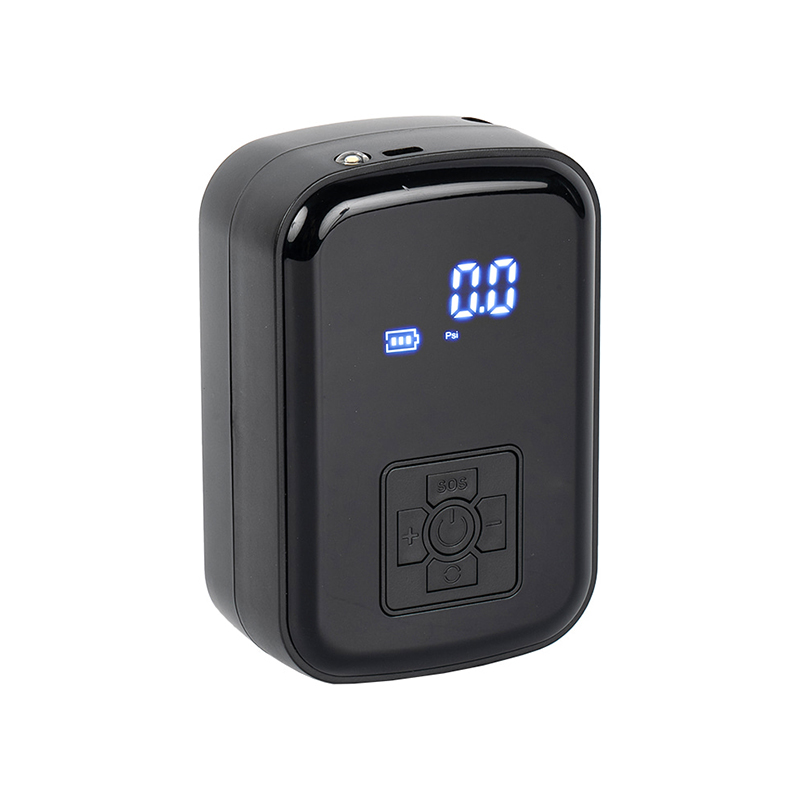
The RT-603 Portable Vehicle-Mounted Air Pump Compressor—a car tire inflator suitable for bicycles, balls, and motorcycles—integrates a multitude of functions into a single device: tire pressure detect...
See Details -
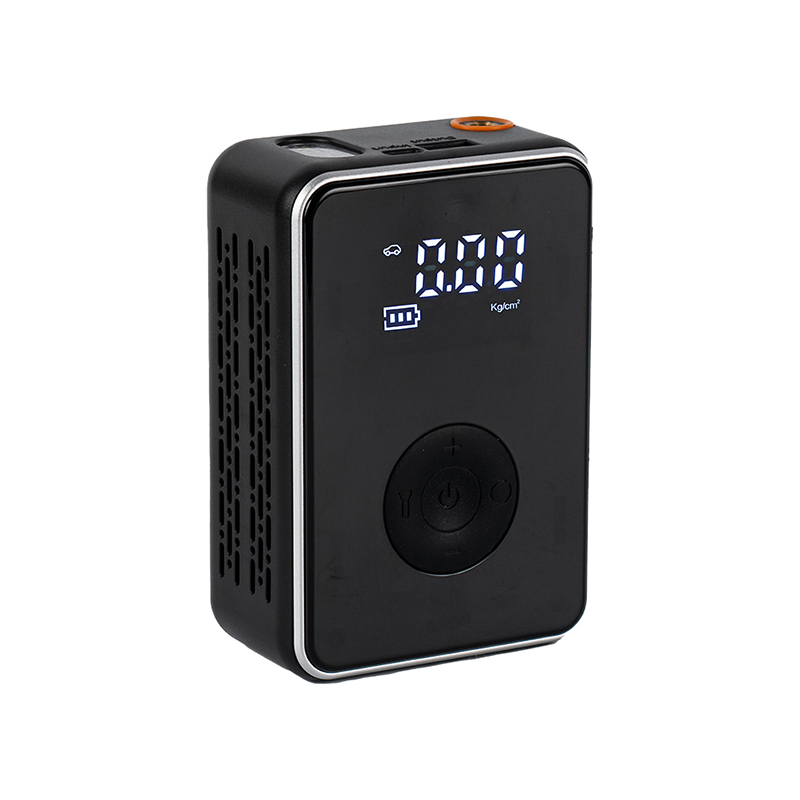
The RT-601 Mini Air Compressor is a highly efficient, multi-functional portable air pump and tire inflator designed for vehicle use. Equipped with an 18650 lithium-ion battery—available in various cap...
See Details -
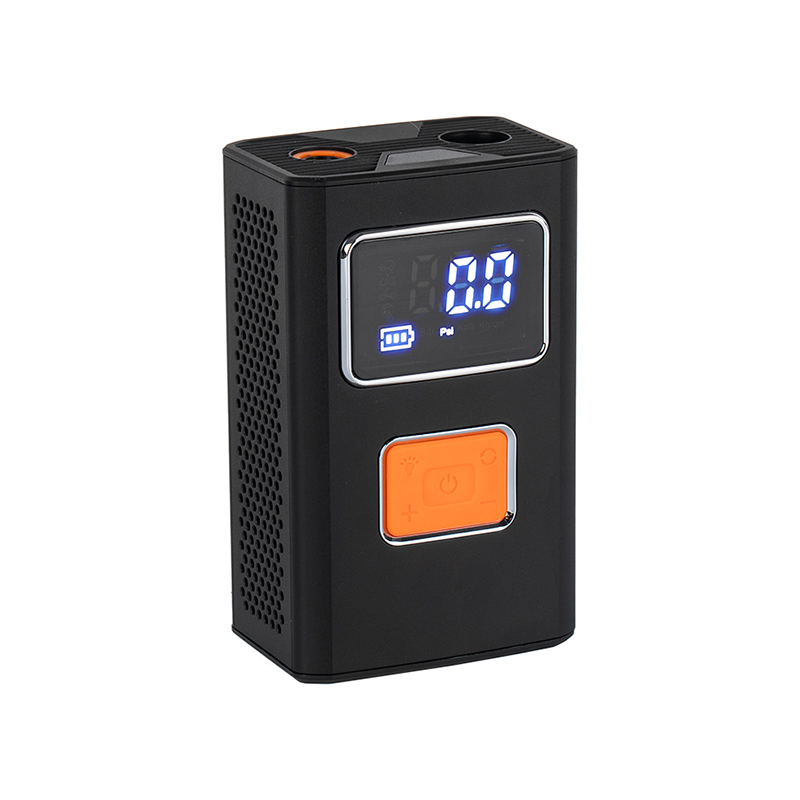
RT-606B Mini 150PSI wireless Portable Tire Inflator equipped with 18650 lithium-ion batteries, the RT-606B offers selectable capacity options of 1,800mAh x 2, 2,000mAh x 2, or 2,500mAh x 2, and suppor...
See Details -
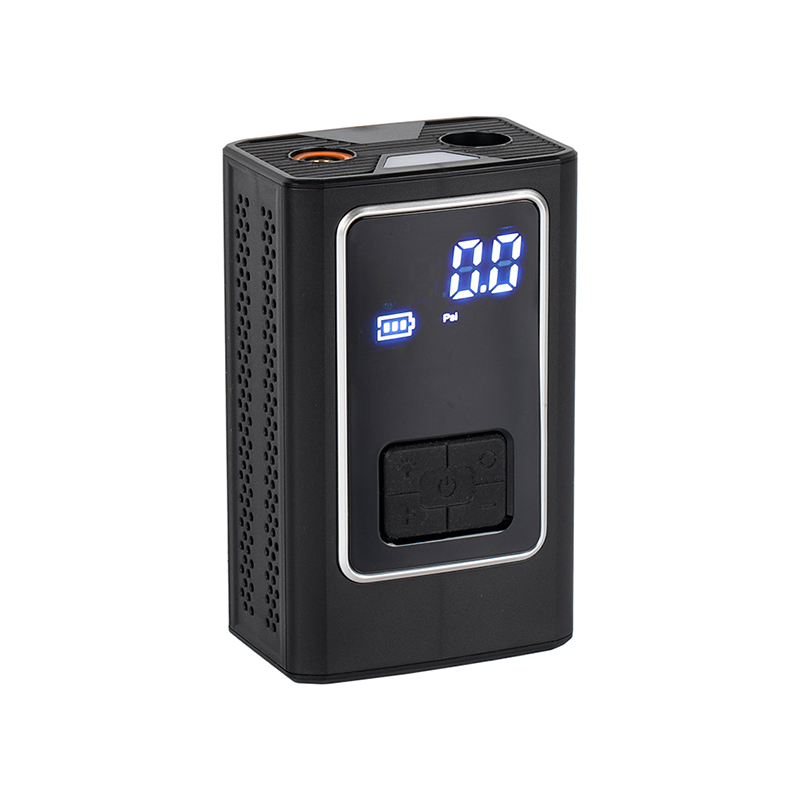
RT-606A Mini cordless USB output Portable Tire Inflator equipped with 18650 lithium-ion batteries, this unit offers selectable capacity options of 1,800mAh x 2, 2,000mAh x 2, or 2,500mAh x 2, and oper...
See Details -
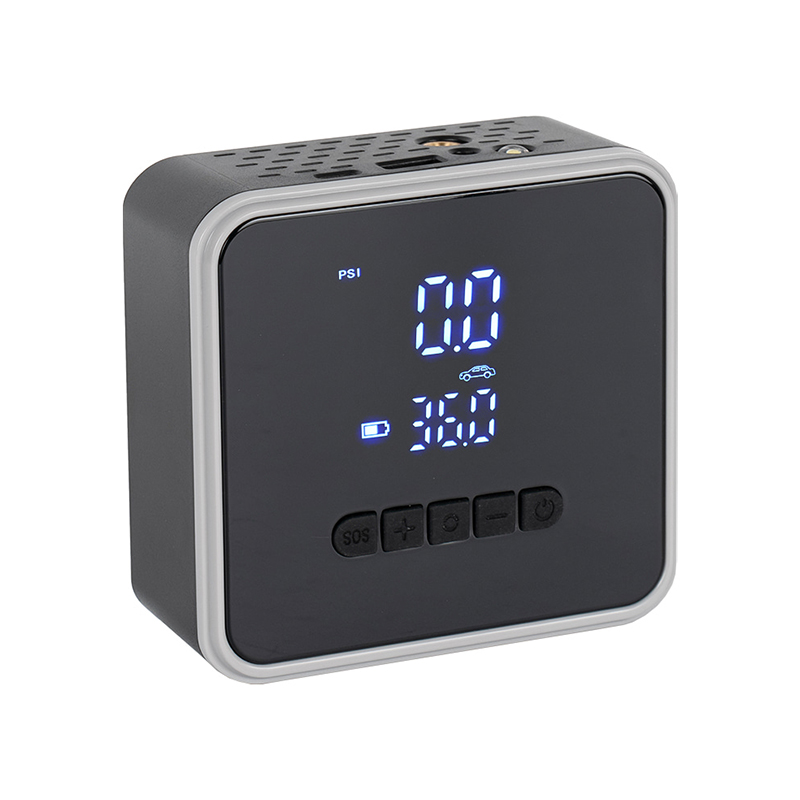
The RT-503 High-Capacity Portable Tire Inflator features five inflation modes—Car, Motorcycle, Bicycle, Ball, and Free Mode—covering a pressure range of 0.35 to 10.3 Bar (5 to 150 PSI), enabling it to...
See Details
News
-
It is a Wednesday morning, the temperature has dropped overnight, and your dashboard tire pressure warning light is glo...
READ MORE -
To inflate tires at a gas station correctly: check your vehicle's recommended tire pressure from the sticker inside th...
READ MORE -
A portable tire inflator is a compact, self-contained air pump designed to inflate vehicle tires, bicycle tires, motorcy...
READ MORE -
Two handheld vacuums sit on the same workbench. One is a 7.4 V cordless unit rated at 12,600 Pa with a washable filter ...
READ MORE -
You bought a compact 12V car vacuum cleaner to keep under the seat of your SUV. It handles coffee spills, crushed crack...
READ MORE -
You open the rear door and see the evidence: crushed cereal under the child seat, fine sand worked into the carpet, dog...
READ MORE
Message Us Right Now!
Get Connected
 Whatsapp
 Wechat
Copyright © Ningbo Rongteng Auto Accessories Co.,Ltd. All rights reserved.
 Custom Vehicle Tire Inflators Manufacturers