
 English
 русский
 Español
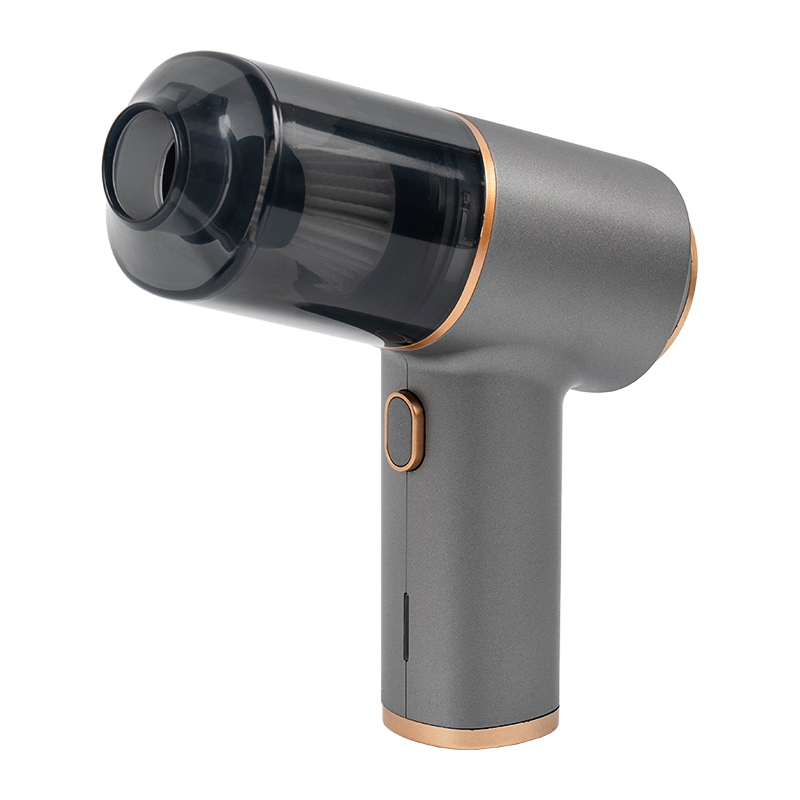
RT-8822 Mini 7.4V Handhold car portable vacuum cleaner powered by an 18650 lithium-ion battery—available in various capacity options—this unit operates at a 7.4V working voltage, ensuring stable and ...
See DetailsIndustry News 2026/08/03
How to Clean Car Seats with a Steam Cleaner and What Tools You Need?
Content
- 1 How to Clean Car Seats with a Steam Cleaner Step by Step
- 2 What Is a Car Vacuum Cleaner and Why It Matters Before Steaming
- 3 wireless handheld car vacuum: Benefits for Seat and Interior Cleaning
- 4 wireless car cleaner Buying Considerations
- 5 Steam Cleaning Versus Other Seat Cleaning Methods
- 6 Fabric Versus Leather Seats: Adjusting Your Cleaning Approach
- 7 Common Mistakes to Avoid When Cleaning Car Seats
- 8 Maintenance Tips to Keep Your Cleaning Tools Working Well
- 9 Building a Regular Car Seat Cleaning Routine
- 10 Budgeting for a Steam Cleaner and Wireless Vacuum Combination
- 11 Tackling Tough Stains: Coffee, Grease, and Pet Accidents
- 12 Frequently Asked Questions
- 12.1 1. Can I clean car seats with steam cleaner equipment on leather?
- 12.2 2. How long does it take for car seats to dry after steam cleaning?
- 12.3 3. Do I need a Car Vacuum Cleaner before steam cleaning, or can I skip straight to steaming?
- 12.4 4. How much runtime do I need from a wireless handheld car vacuum?
- 12.5 5. Will steam cleaning remove strong odors from car seats?
- 12.6 6. Is a wireless car cleaner powerful enough for pet hair?
- 12.7 7. Can steam cleaning damage car seat foam padding underneath the fabric?
- 12.8 8. How often should I deep clean my car seats?
- 12.9 9. What water should I use in a steam cleaner for car seats?
- 12.10 10. Should I vacuum again after steam cleaning car seats?
The short answer for how to clean car seats with steam cleaner equipment is this: vacuum the seats thoroughly first to remove loose debris, pretreat visible stains, then apply steam in slow overlapping passes while wiping away loosened dirt with a microfiber cloth, and finally allow the seats to air dry fully before the vehicle is used again. Skipping the vacuum step is the single most common mistake, since steam pushed into a seat still covered in crumbs and dust simply turns that debris into mud embedded deeper in the fabric.
A reliable Car Vacuum Cleaner is not optional preparation, it is the foundation that makes steam cleaning actually effective. Among the options available, a wireless handheld car vacuum is generally the most practical choice for this task, since it reaches into seat crevices, under headrests, and along seams without a trailing cord getting in the way. The sections below walk through the full process, the tools involved, and how to choose the right wireless car cleaner for regular vehicle maintenance.
How to Clean Car Seats with a Steam Cleaner Step by Step
Steam cleaning uses high temperature vapor to loosen dirt, oils, and stains from fabric fibers without soaking the material the way liquid shampoo methods do. Following the correct sequence protects both the seat material and the cleaning equipment.
- Vacuum every seat thoroughly, including seams, crevices, and the base of the seat where crumbs and debris collect
- Identify visible stains and pretreat them with an appropriate fabric or leather cleaner suited to the material
- Fill the steam cleaner reservoir with clean water and allow it to reach full operating temperature before starting
- Test the steam output on a small hidden area of the seat first to confirm the material tolerates the heat and moisture level
- Work in slow, overlapping passes across the seat surface, holding the nozzle a consistent distance from the fabric
- Wipe each section with a clean microfiber cloth immediately after steaming to lift loosened dirt before it resettles
- Move to seams, headrests, and side bolsters last, since these areas often need slower, more targeted passes
- Leave doors open and allow the seats to air dry fully, ideally for several hours, before closing up the vehicle
A well executed steam cleaning session commonly removes odor causing residue that regular vacuuming alone cannot reach, since steam penetrates into the fabric weave itself rather than only lifting surface level dirt.
Choosing the Right Steam Cleaner for Automotive Use
Not every steam cleaner on the market is well suited to car interior work. A handheld or small canister style steam cleaner with a narrow nozzle attachment offers far better control in a confined vehicle interior than a large upright model built for household floors. Look for a unit that reaches a stable operating temperature within a few minutes and offers adjustable steam output, since seams and delicate trim pieces often need a gentler setting than a heavily soiled floor mat.
Water Temperature and Pressure Settings
Most automotive grade steam cleaners operate in a temperature range that is hot enough to loosen dried stains and kill common odor causing bacteria without being so extreme that it risks damaging synthetic seat materials. Pressure settings work alongside temperature, with a lower pressure setting generally preferred for delicate stitching and a higher setting reserved for stubborn stains on more durable fabric sections such as the seat base rather than the softer bolster edges.
What Is a Car Vacuum Cleaner and Why It Matters Before Steaming
A Car Vacuum Cleaner is a compact suction tool designed specifically for the tight spaces, angled surfaces, and mixed debris found inside a vehicle interior, from loose crumbs and pet hair to fine dust that settles into seat seams over weeks of regular use.
Why Vacuuming First Protects the Steam Cleaning Result
Applying steam directly to a seat still covered in loose debris causes that debris to absorb moisture and press further into the fabric fibers, which can actually make a stain harder to remove rather than easier. Removing loose material first means the steam and cloth wiping step only has to deal with embedded stains and oils, not a mix of dry debris and moisture that has turned into paste.
Key Features to Look for in a Car Vacuum Cleaner
- Strong suction power measured in air watts or kilopascals, since a weak motor struggles with embedded debris in fabric weave
- A narrow crevice attachment for seams, cup holders, and door pockets
- A brush attachment for loosening embedded pet hair and dust from fabric surfaces
- A washable filter to maintain suction performance over repeated use
- A dust cup large enough to avoid needing frequent emptying during a full interior cleaning session
Corded Versus Wireless for Vacuuming Duty
Traditional corded vacuums, whether a household canister unit or a garage mounted shop vacuum, still offer an advantage in raw sustained suction power and unlimited runtime, since they draw power directly rather than relying on a battery. The tradeoff is convenience, since maneuvering a cord around a vehicle's tight interior geometry, especially between the front seats and around the pedals, often proves more frustrating than the power advantage is worth for routine seat cleaning. This tradeoff is exactly why cordless models have become the default choice for most vehicle interior work over the past several years.
wireless handheld car vacuum: Benefits for Seat and Interior Cleaning
A wireless handheld car vacuum removes the single biggest practical obstacle of corded models when cleaning a vehicle interior, the limited reach and awkward angles caused by dragging a cord around seats, pedals, and door frames.
Mobility Advantages
Without a cord, a wireless handheld unit can be maneuvered freely into footwells, under seats, and across angled seat backs without needing to reposition a power outlet or extension cord. This matters significantly for detailed seat cleaning, since seams and crevices often require approaching from several different angles to fully clear embedded debris.
Battery Runtime Considerations
Most quality wireless handheld car vacuums offer between 15 and 30 minutes of continuous runtime on a full charge, which is typically enough to fully vacuum a standard sedan interior including seats, floor mats, and door pockets in a single session. Larger vehicles or heavily soiled interiors may require a brief recharge partway through, so checking the manufacturer's stated runtime against your vehicle size is worth doing before purchase.
Suction Performance Compared to Corded Models
Battery powered motors have historically lagged behind corded suction power, though modern wireless models have closed much of that gap. A quality wireless handheld unit today commonly delivers suction in a similar practical range to a mid tier corded model, enough for typical seat and carpet debris, though extremely heavy duty debris removal, such as deeply embedded construction dust, may still favor a corded shop vacuum.
Noise Level During Use
Wireless handheld units generally run quieter than large corded shop vacuums, which makes a meaningful difference for anyone cleaning a vehicle in a shared driveway, apartment parking area, or early morning before neighbors are awake. This is a smaller factor compared to suction power or runtime, but it is worth considering for anyone who cleans frequently in a noise sensitive setting.
Storage and Portability Between Uses
A wireless handheld unit's compact size also makes it far easier to store in a glove compartment, trunk organizer, or garage shelf compared to a full sized shop vacuum, which typically needs dedicated floor space. For anyone who wants to keep a cleaning tool in the vehicle itself for spot cleaning between full sessions, the wireless format is really the only practical option given the space constraints of a typical trunk or storage compartment.
wireless car cleaner Buying Considerations
Choosing the right wireless car cleaner involves weighing a few practical factors beyond just suction power, since the tool needs to fit comfortably into a regular cleaning routine rather than sit unused in a trunk.
Weight and Handling
A lighter unit is easier to hold at awkward angles for extended periods, such as reaching under a seat or across a wide bench seat. Most wireless car vacuums weigh between 0.5 and 1.5 kilograms, and the lighter end of that range tends to reduce hand fatigue noticeably during a full interior cleaning session.
Attachment Variety
A good wireless car cleaner typically ships with at least three attachments, a wide nozzle for general debris, a narrow crevice tool for seams and gaps, and a brush head for loosening pet hair and dust from upholstery. Some premium models also include a small motorized brush roll specifically designed for pulling embedded pet hair out of fabric seats.
Filtration Type and Allergen Control
Filtration quality matters more than many buyers initially expect, particularly for anyone in the household with allergies or asthma. A unit equipped with a fine particle filter traps significantly more dust, pollen, and fine debris than a basic mesh filter, preventing that material from simply being redistributed back into the cabin air through the exhaust airflow. Washable filters are generally preferred over disposable ones for regular users, since replacement filters add an ongoing cost that a rinse and reuse filter avoids.
Build Quality and Warranty Coverage
A vacuum used regularly for vehicle cleaning experiences frequent bumps, drops, and exposure to grit that can wear down cheaper plastics faster than expected. Checking for a warranty of at least one year, and ideally longer, offers some protection against early motor or battery failure, which is one of the more common issues with lower cost cordless vacuum models on the market.
Charging Method and Battery Life
| Battery Type | Typical Runtime | Typical Charge Time |
|---|---|---|
| Entry level lithium ion | 10 to 15 minutes | 3 to 4 hours |
| Mid range lithium ion | 15 to 25 minutes | 2 to 3 hours |
| Premium high capacity | 25 to 40 minutes | 1.5 to 2.5 hours |
Steam Cleaning Versus Other Seat Cleaning Methods
Steam is one of several approaches available for deep cleaning car seats, and understanding how it compares to alternatives helps set realistic expectations for results and effort involved.
| Method | Drying Time | Best For |
|---|---|---|
| Steam cleaning | A few hours | Odor removal, embedded stains, sanitizing fabric |
| Wet shampoo extraction | Up to a full day or more | Heavily soiled fabric requiring deep saturation |
| Dry foam cleaning | Under an hour | Light surface stains and quick touch ups |
| Vacuum only | None | Routine loose debris removal, not stain treatment |
Steam cleaning strikes a useful middle ground, offering deeper cleaning than a dry foam treatment while drying significantly faster than a full wet shampoo extraction, which is why it has become a popular choice for regular seasonal seat maintenance rather than only emergency stain removal.
Sanitizing Benefits Beyond Visible Cleaning
Beyond removing visible dirt and stains, the high temperature of steam offers a sanitizing benefit that cold water methods and dry foam products cannot match. Heat is effective at reducing bacteria and dust mites living within seat fabric and padding, which matters particularly for vehicles that transport young children, pets, or anyone with respiratory sensitivities. This sanitizing effect is one of the main reasons steam cleaning has grown in popularity beyond simple stain removal, since it addresses hygiene concerns that a purely cosmetic cleaning method does not touch.
Fabric Versus Leather Seats: Adjusting Your Cleaning Approach
Seat material significantly affects how steam cleaning should be approached, since fabric and leather respond very differently to heat and moisture exposure.
Cleaning Fabric Seats
Fabric upholstery generally tolerates steam well, since the fibers can absorb and release moisture without damage as long as adequate drying time follows. Woven fabric seams and textured surfaces also benefit the most from steam's ability to penetrate into the weave rather than sitting only on the surface.
Cleaning Leather and Vinyl Seats
Leather requires a lighter touch, since excessive heat and moisture exposure over time can dry out natural oils in the material and contribute to cracking. When steam cleaning leather, keep the nozzle at a greater distance, use shorter passes, and follow up with a leather conditioner appropriate to the material to replace any oils drawn out during the cleaning process. Vinyl is generally more heat tolerant than genuine leather but still benefits from a conditioning step afterward to prevent stiffness.
Always Test First
Regardless of material, testing steam output on a small hidden section, such as the underside of a seat cushion, before treating the full visible surface avoids the risk of discoloration or texture change on a section of the seat that cannot easily be hidden if something goes wrong.
Cleaning Seats With Embedded Heating or Ventilation Elements
Many modern vehicles include heated or ventilated seats with embedded electrical components beneath the fabric surface. While these systems are generally sealed well enough to tolerate light surface steam exposure, it remains wise to keep steam sessions on these seats shorter and avoid pooling moisture directly over areas where wiring connectors or vents are known to sit. Consulting the vehicle owner's manual for any manufacturer guidance on seat cleaning is a reasonable precaution for vehicles with this type of equipped seating before starting a steam cleaning session.
Common Mistakes to Avoid When Cleaning Car Seats
A number of avoidable mistakes account for most disappointing results or accidental seat damage during a cleaning session.
Skipping the Vacuum Step
As covered earlier, applying steam directly to debris covered fabric turns loose dirt into a paste that is harder to remove than the original dry debris, undermining the entire cleaning session.
Oversaturating the Fabric
Holding the steam nozzle in one spot too long or moving too slowly across the surface can push excess moisture deep into the seat padding beneath the fabric, leading to extended drying time and, in worst cases, mold or mildew growth inside the seat cushion if it does not fully dry.
Closing the Vehicle Before Seats Are Fully Dry
Sealing a vehicle with damp seats traps moisture inside the cabin, creating ideal conditions for musty odors and mold growth. Always allow several hours of open air drying, and use a fan or the vehicle's own ventilation system on a dry setting to accelerate the process if time is limited.
Using the Wrong Cleaning Solution for the Material
Applying a fabric specific stain treatment to leather, or vice versa, can cause discoloration or damage the material's protective coating. Always confirm a cleaning product is rated for the specific seat material before applying it.
Neglecting Ventilation During and After Cleaning
Working in a closed garage or with all vehicle doors shut traps humid air inside the cabin, slowing the drying process and increasing the odds of lingering dampness in corners that are harder to inspect, such as the base of the seat where it meets the floor track. Opening all doors, and ideally parking in a spot with good airflow or direct sun exposure, speeds drying meaningfully compared to cleaning in a sealed enclosed space.
Rushing Through Seams and Tight Corners
Seams, piping, and the tight corners where a seat back meets the cushion are where dirt and odor causing residue tend to accumulate most heavily, yet these are also the areas most commonly rushed through during a cleaning session. Slowing down specifically in these zones, even if it means the overall session takes a few extra minutes, produces a noticeably better result than treating the entire seat surface at a uniform pace.
Maintenance Tips to Keep Your Cleaning Tools Working Well
Both a steam cleaner and a wireless handheld car vacuum perform better and last longer with a small amount of routine care between uses.
- Empty the vacuum dust cup after every session rather than letting debris compact and reduce future suction
- Rinse and dry washable vacuum filters regularly, since a clogged filter is one of the most common causes of reduced suction over time
- Use only clean, ideally distilled, water in a steam cleaner reservoir to reduce mineral buildup inside the heating element
- Store the wireless vacuum on its charging dock between uses to keep the battery ready for the next cleaning session
- Allow the steam cleaner to cool completely before storing it away to avoid residual moisture buildup inside the unit
Following this level of routine care commonly extends the working life of both tools by several years compared to units that are used heavily but never maintained, making the small time investment worthwhile for anyone who cleans their vehicle interior regularly.
Checking Battery Health Over Time
Like most rechargeable battery powered tools, a wireless handheld vacuum will gradually lose some maximum runtime as the battery ages, typically becoming noticeable after a couple of years of regular use. Avoiding full battery depletion before every recharge, and avoiding leaving the unit fully drained in storage for extended periods, both help preserve battery capacity longer than a pattern of frequent full discharge cycles.
Replacing Worn Attachments
Brush attachments and crevice tools experience wear over repeated use, particularly the bristles on a brush head, which can flatten or fray over time and become less effective at loosening embedded debris. Most manufacturers sell replacement attachments separately, and swapping a worn brush head is a far cheaper way to restore cleaning performance than replacing the entire unit.
Building a Regular Car Seat Cleaning Routine
Rather than waiting for seats to look visibly dirty or start smelling unpleasant, building a consistent cleaning schedule keeps a vehicle interior in noticeably better condition over the long run.
Weekly Quick Maintenance
A quick pass with a wireless handheld car vacuum once a week keeps loose debris from accumulating and becoming embedded in the fabric, which significantly reduces how much deep cleaning is needed later. This weekly habit is especially valuable for households with children who eat snacks in the car or commuters who track in dirt and debris from daily errands, since small amounts of debris left unaddressed for weeks compound into a much larger cleaning task down the line.
Monthly or Seasonal Deep Cleaning
A full steam cleaning session every one to three months, depending on how often the vehicle is used and by how many people, addresses embedded odors and stains before they become difficult to remove. Families with children, pets, or frequent food and drink in the vehicle typically benefit from cleaning on the more frequent end of this range.
Immediate Spot Treatment
Fresh spills and stains are always easier to remove than ones that have had time to set into the fabric. Keeping a small stain remover and microfiber cloth in the vehicle allows for immediate spot treatment before a stain has the chance to fully bond with the fabric fibers.
Budgeting for a Steam Cleaner and Wireless Vacuum Combination
Setting realistic expectations for cost helps buyers choose equipment that will actually get used regularly rather than sitting unused after an expensive purchase that turned out to be more than needed for typical vehicle maintenance.
| Equipment | Entry Level Price | Mid Range to Premium Price |
|---|---|---|
| Wireless handheld car vacuum | 30 to 50 US dollars | 70 to 150 plus US dollars |
| Compact handheld steam cleaner | 25 to 45 US dollars | 60 to 130 plus US dollars |
For most households, a combined investment in the mid range tier for both tools provides a meaningful step up in performance and durability over entry level options without reaching into premium professional grade pricing, striking a practical balance for regular home use over several years of ownership.
Tackling Tough Stains: Coffee, Grease, and Pet Accidents
Certain stain types call for a slightly different approach than general seat cleaning, since their chemical makeup interacts with heat and moisture in ways that plain steam alone may not fully resolve.
Coffee and Beverage Stains
Coffee and other dark beverage stains respond well to steam when treated promptly, since the heat helps break down the sugars and tannins that cause discoloration. Blotting excess liquid immediately after a spill, rather than letting it soak in, significantly improves the odds that a later steam cleaning session will remove the stain completely rather than leaving a faint residual mark.
Grease and Oil Based Stains
Grease stains, common from fast food wrappers or hands after car maintenance work, often need a degreasing pretreatment applied before steaming, since oil based residue can resist plain water and heat alone. Applying a small amount of dish soap or a dedicated upholstery degreaser, letting it sit briefly, then following with steam and a wipe down typically produces a much better result than steam by itself on this stain type.
Pet Accidents and Odor Sources
Pet related stains and odors often penetrate deeper into seat padding than surface spills, since liquid can wick down through the fabric before it is noticed. An enzyme based cleaner applied before steaming helps break down the organic compounds responsible for lingering odor, since heat alone can sometimes set an odor rather than remove it if the underlying organic residue is not addressed first. Multiple treatment rounds may be needed for older or more deeply set pet stains.
Frequently Asked Questions
1. Can I clean car seats with steam cleaner equipment on leather?
Yes, but leather requires a gentler approach than fabric, including greater nozzle distance, shorter steam bursts, and a leather conditioner applied afterward to replace any natural oils drawn out during cleaning.
2. How long does it take for car seats to dry after steam cleaning?
Most fabric seats take a few hours to dry fully with the doors open and good airflow, though humid conditions or heavier moisture application can extend drying time significantly.
3. Do I need a Car Vacuum Cleaner before steam cleaning, or can I skip straight to steaming?
Vacuuming first is strongly recommended, since applying steam to seats still covered in loose debris tends to push that debris deeper into the fabric rather than removing it.
4. How much runtime do I need from a wireless handheld car vacuum?
Fifteen to twenty five minutes of runtime is usually enough to fully vacuum a standard sedan, though larger vehicles or heavily soiled interiors may benefit from a model with closer to thirty minutes of battery life.
5. Will steam cleaning remove strong odors from car seats?
Steam cleaning is generally effective at reducing odors caused by embedded residue such as spilled food or drink, since the heat helps break down odor causing bacteria trapped in the fabric, though very strong or long standing odors may require repeated treatment.
6. Is a wireless car cleaner powerful enough for pet hair?
Most quality wireless car cleaners handle moderate pet hair well, especially when paired with a brush attachment, though heavily embedded pet hair in tight fabric weave may require a motorized brush roll attachment for best results.
7. Can steam cleaning damage car seat foam padding underneath the fabric?
Excessive steam application in one spot can oversaturate the padding beneath the fabric, which is why moving the nozzle steadily rather than lingering in one area, and allowing thorough drying afterward, helps prevent moisture from becoming trapped inside the cushion.
8. How often should I deep clean my car seats?
A full steam cleaning session every one to three months works well for most vehicles, with more frequent cleaning recommended for families with children, pets, or frequent food and drink in the car.
9. What water should I use in a steam cleaner for car seats?
Distilled water is generally recommended over tap water, since it reduces mineral deposit buildup inside the steam cleaner's heating element and helps maintain consistent steam output over time.
10. Should I vacuum again after steam cleaning car seats?
A light vacuum pass once the seats are fully dry can help fluff fabric fibers back into shape and remove any remaining loosened debris that settled during the drying process, giving the upholstery a fresher, more uniform appearance than skipping this final step.
Let's Talk
Keep in touch with us
Related products
-
-
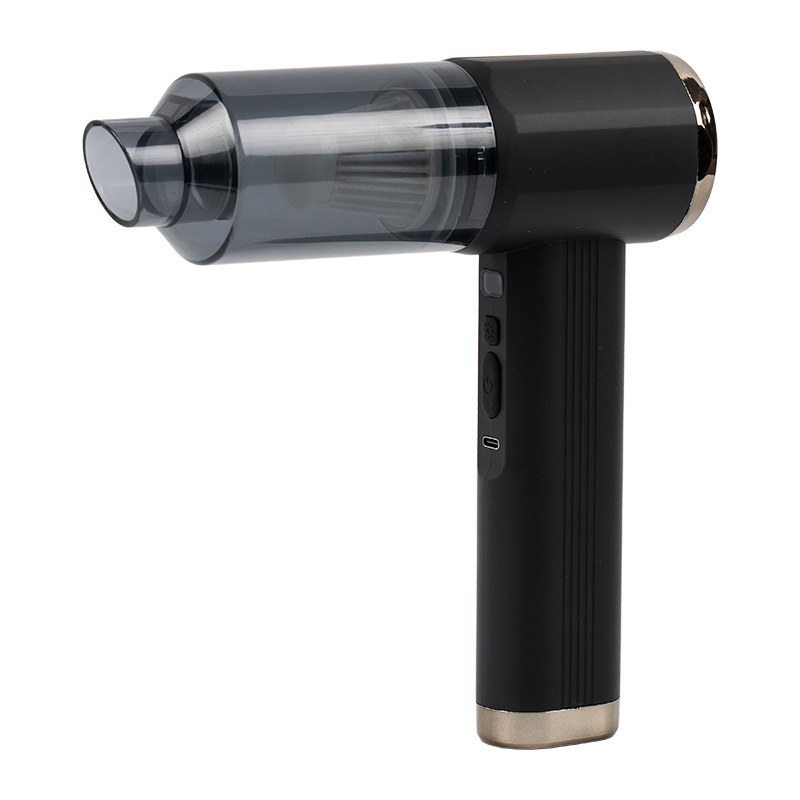
The RT-808 Portable Car Vacuum Cleaner features a brushless motor, a digital display, and an integrated dust-detection light. Powered by a 18650 lithium-ion battery pack—available in 2,000mAh x 3 or 2...
See Details -
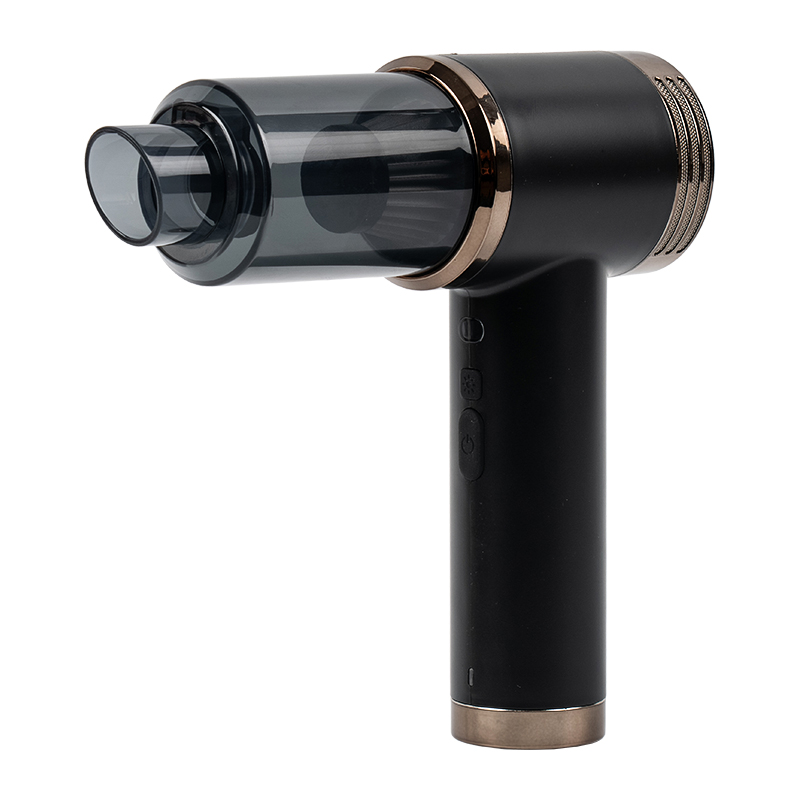
RT-807 Handhold Air Car Vacuum Cleaner Cordless Wet & Dry With Display Dust Lamp equipped with 18650 lithium-ion batteries—available in 1,800mAh x 2 or 2,000mAh x 2 configurations—this unit operat...
See Details -
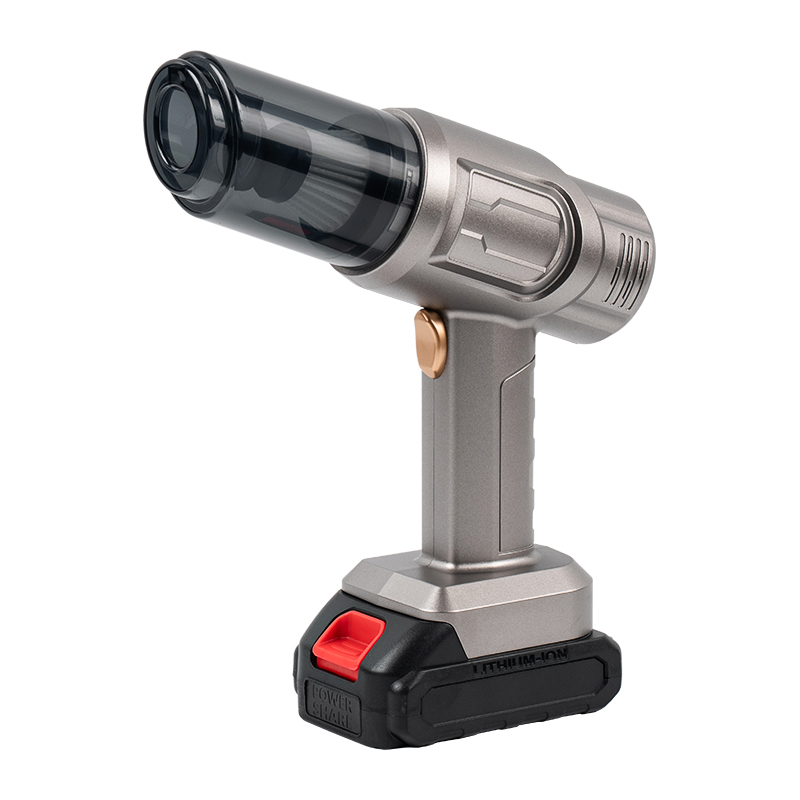
The RT-802 Handhold Vacuum Cleaner features a detachable battery design, supporting external power tool battery packs and compatible with various battery options to flexibly adapt to different usage n...
See Details -
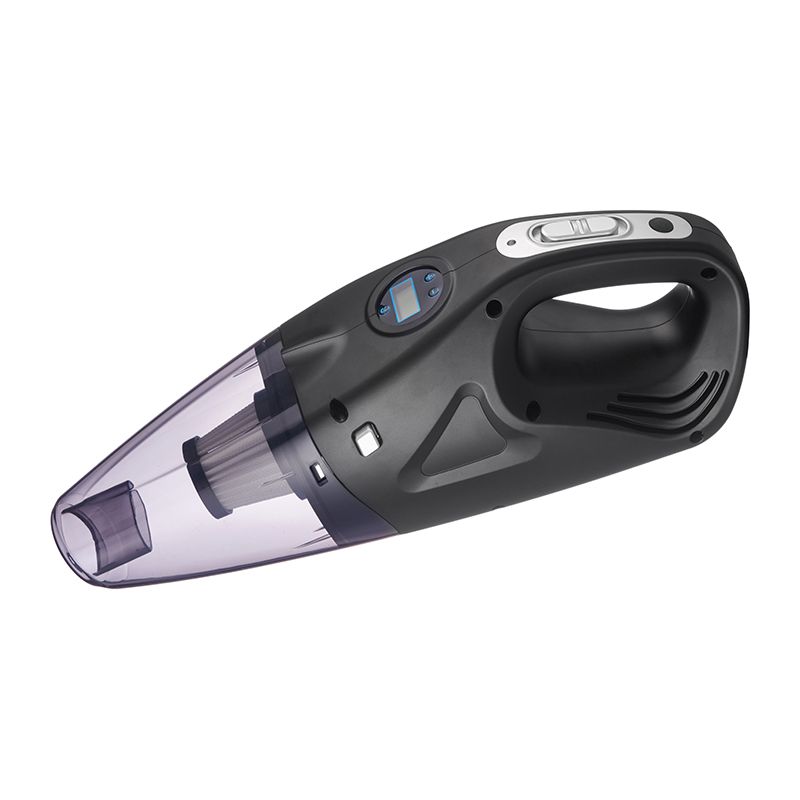
The RT-8822-S 4-in-1 Vehicle-Mounted Vacuum Cleaner—available in both cordless and corded versions—is powered by an 18650 lithium-ion battery (offering various capacity options) and operates at a 12V ...
See Details -
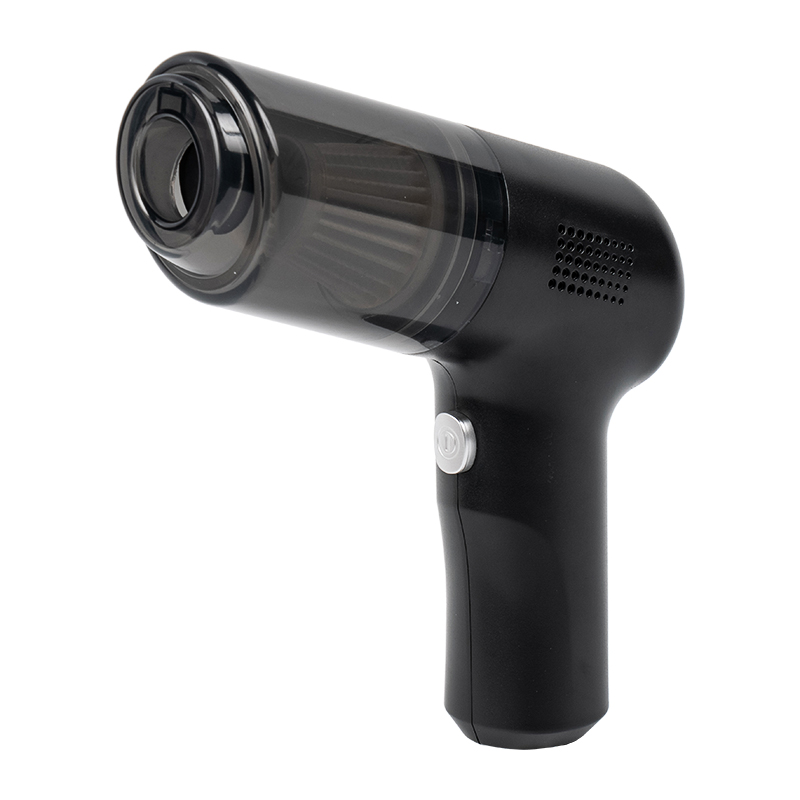
The RT-8821 Mini Vacuum Cleaner is a versatile, multi-purpose device offering both wired and wireless operation options. Featuring a lightweight and compact design, it is suitable for a wide variety o...
See Details
News
-
A Car Vacuum Cleaner is an electric appliance that heats water above 100 degrees Celsius in a sealed boiler to produce p...
READ MORE -
Vacuuming a car properly is not a one-pass task. If you only move the nozzle over the visible surfaces, you are leaving...
READ MORE -
You have just finished vacuuming the car with a 12V vacuum cleaner plugged into the cigarette-lighter socket. The floor...
READ MORE -
You bought a compact 12V car vacuum cleaner to keep under the seat of your SUV. It handles coffee spills, crushed crack...
READ MORE -
You open the back door after a short drive, and your dog jumps out leaving a layer of fur across the rear seat. You rea...
READ MORE -
The short answer: a good suction power for a car vacuum cleaner starts at 6,000 Pa (6 kPa) for a cordless handheld mode...
READ MORE
Message Us Right Now!
Get Connected
 Whatsapp
 Wechat
Copyright © Ningbo Rongteng Auto Accessories Co.,Ltd. All rights reserved.
 Custom Vehicle Tire Inflators Manufacturers