
 English
 русский
 Español
The RT-808 Portable Car Vacuum Cleaner features a brushless motor, a digital display, and an integrated dust-detection light. Powered by a 18650 lithium-ion battery pack—available in 2,000mAh x 3 or 2...
See DetailsIndustry News 2026/08/17
How to Connect a Car Vacuum Cleaner at Home: Power Adapter & Alternatives
Content
You have just finished vacuuming the car with a 12V vacuum cleaner plugged into the cigarette-lighter socket. The floor mats are clean, the seat crevices are free of crumbs, and the carpet looks noticeably better. Then it occurs to you that the same compact vacuum would be handy for the sofa cushions, the mattress, and the corners behind the television stand. You carry it inside, look at the plug, and realize the problem: the round 12V accessory plug does not fit any wall outlet in your home.
The short answer is that you can connect a car vacuum cleaner at home in three safe ways. Use a 12V DC power supply that plugs into a wall outlet and provides a cigarette-lighter socket for the vacuum. Use a portable power station or a jump starter with a 12V DC output. Or use a cordless car vacuum that charges at home with a regular adapter. The first method works with almost any corded car vacuum; the second works if you already own compatible battery equipment; the third is the simplest when you are buying new.
Why a 12V Car Vacuum Cannot Plug Directly into a Wall Outlet
Car vacuum cleaners are designed around the electrical system of a vehicle. A passenger car's electrical system runs on approximately 12 volts of direct current (DC), and the standard way to power an accessory is through the 12V socket, often called the cigarette-lighter outlet. Home wall outlets, by contrast, supply alternating current (AC) at 110-120V in North America and 220-240V in most of Europe, Asia, and other regions.
Voltage alone makes direct connection impossible. If you connect a 12V DC device to a 120V or 230V AC outlet, the device will be damaged almost instantly. The current, measured in amperes, is the second half of the equation. A typical 12V car vacuum draws between 7 and 12A at 12V, and it may pull a short surge above that level when the motor starts. The power source you use at home must therefore supply 12V DC at a continuous current equal to or greater than the vacuum's rating.
Not all car vacuums are 12V devices, of course. Many cordless models run on integrated lithium-ion batteries at lower voltages such as 7.4V, and they charge from a wall outlet through a small adapter. But the classic corded car vacuum, the type with a cigarette-lighter plug, is a 12V DC device, and that is the type that needs an adapter or an alternate power source when you want to use it indoors.
| Power source | Output | What you need | Best for |
|---|---|---|---|
| Car 12V accessory socket | 12V DC, up to about 10A | Nothing extra, already in the car | Cleaning the car interior |
| AC-to-DC power supply | 12V DC, 10A continuous or higher | Power supply with a female cigarette-lighter socket | Using a corded car vacuum at home |
| Portable power station or jump starter | 12V DC accessory output | Power station or jump starter with a DC socket | Indoor and outdoor use without a wall outlet |
| Integrated battery with home charger | Battery voltage, for example 7.4V | Charger included with the cordless vacuum | Simplest home use with cordless models |
Three Reliable Ways to Connect a Car Vacuum Cleaner at Home
Which method you choose depends on the vacuum you own and how often you plan to clean inside the house. These three options cover every common situation, from the most direct to the most convenient.
Method 1: Use a 12V DC Power Supply (AC-to-DC Adapter)
The most straightforward solution for a corded car vacuum is a 12V DC power supply with a female cigarette-lighter socket. You plug the power supply into the wall, push the vacuum's own plug into that socket, and the vacuum receives exactly the same power it would get from your car.
The critical specification is output current. The label on your vacuum usually lists the input, for example "DC 12V, 10A". Choose a power supply with a continuous current rating of at least that value. A 12V 10A adapter is the most common choice and covers the vast majority of car vacuums. If you pick an adapter rated at only 5A, the vacuum may run weakly, the adapter may heat up, or the motor may never reach full speed.
One common mistake is to buy a power inverter. An inverter converts 12V DC to 110V or 230V AC, which is the opposite of what a car vacuum needs. A car vacuum wants DC power, so you need an AC-to-DC power supply rather than an inverter. Choose a switching power supply with over-current protection and short-circuit protection, keep it in a ventilated area, and do not cover it while the vacuum is running. In practice, this method turns your car vacuum into a compact corded household vacuum, with the same suction and the same attachments.
Method 2: Use a Portable Power Station or Jump Starter with a 12V DC Output
If you already own a portable power station, or a multi-function jump starter that includes a 12V DC accessory socket, you can power the vacuum from that device without any additional adapter. Connect the vacuum's cigarette-lighter plug into the DC output socket, switch the unit on, and use the vacuum wherever the cable reaches.
This approach is useful for people who do not want to buy a dedicated adapter, and it is especially practical for apartment residents who prefer not to leave a wall adapter permanently installed. The main consideration is capacity. A car vacuum drawing 10A at 12V consumes 120W. Ten minutes of run time uses roughly 20 watt-hours. A small power station with a capacity between 100Wh and 200Wh supports several quick cleaning jobs before it needs a recharge, while a larger unit can manage longer sessions. Many battery jump starters with emergency power functions include the same type of 12V output circuitry, so check whether your unit has a DC outlet before buying anything new.
Method 3: Use a Cordless Car Vacuum Cleaner That Charges at Home
For anyone buying a new vacuum, the cordless route is the most convenient. A battery-powered car vacuum does not need voltage conversion at all. It charges directly from a wall outlet through a small charger, usually a USB, Type-C, or proprietary adapter, in the same way a phone or a handheld household vacuum charges.
The best option for dual car-and-home use is a hybrid model that supports both wired and wireless operation. For example, a 4-in-1 wireless and wired car vacuum cleaner charges at home, runs wirelessly for quick tasks, and can be plugged into the car's 12V socket when the battery runs low. This removes the whole adapter question: you simply charge the vacuum in the house and grab it when a spill happens, just like a handheld stick vacuum.
 Wholesale RT-8822-S 4 In 1 Wireless And Wired Car Vacuum Cleaner Suppliers, FactNingbo Rongteng Auto Accessories Co., Ltd. is China wholesale RT-8822-S 4 In 1 Wireless And Wired Car Vacuum Cleaner suppliers and factor...View Product →
What to Check Before You Connect Anything
Before connecting any car vacuum to a home power source, review these points. They prevent damage to the vacuum and help you stay safe.
- Read the label on the vacuum. Find the input voltage and current, for example "DC 12V, 9A", and match the adapter to those numbers.
- Use only a 12V DC power source. An adapter with a higher output voltage, such as 24V, will damage the motor or create a fire hazard.
- Confirm the socket polarity. Standard car sockets have positive polarity in the center, and almost all car vacuums follow this standard. If the vacuum does not start, check the tip configuration.
- Match the current rating. The adapter must provide continuous current at or above the vacuum's rated draw. An adapter below the rating will overheat.
- Avoid long daisy-chained extension cords. If you must use an extension cord, choose one that is 16 AWG or thicker and keep the total length short.
- Stay close during the first test run. If the adapter emits a burning smell, the vacuum sounds weak, or the connector gets hot, stop and re-check the current rating and polarity.
Practical Home Uses for a Car Vacuum Cleaner
Once the power source is sorted out, a car vacuum can handle a surprising amount of household cleaning. Its compact body, narrow attachments, and focused suction are actually advantages for tasks that a full-size upright vacuum does poorly.
- Sofas, armchairs, and upholstered furniture: the crevice tool pulls crumbs and dust from between seat cushions, along seams, and under piping.
- Mattresses and bedding: a brush attachment loosens dust, dead skin, and dust mites, while a HEPA filter prevents the particles from being blown back into the room.
- Baseboards, corners, and window tracks: the slim nozzle reaches narrow gaps that a floor vacuum cannot enter.
- Quick spills: wet-dry car vacuums pick up small liquid spills from the kitchen floor, the car interior, or the back seat before they soak into fabric.
- Pet areas: strong suction removes pet hair from sofas, pet beds, and rugs, and also handles scattered litter around the litter box.
- Electronics and vents: use the soft brush nozzle on a keyboard, PC vents, or lamp shades at a low suction setting.
| Home task | Useful feature | Why it matters |
|---|---|---|
| Sofas and upholstery | Crevice nozzle, suction above 10,000Pa | Reaches seams and pulls out embedded dust and crumbs |
| Mattress refresh | HEPA filter, round brush | Captures dust mites and fine particles instead of recirculating them |
| Spills in the kitchen | Wet-and-dry capability | Handles small liquid spills and dry crumbs in one pass |
| Pet hair and pet areas | Strong suction and wide flat nozzle | Removes hair from rugs and pet beds quickly |
| Baseboards and vents | Slim crevice tool | Fits into narrow gaps around the house |
Keep in mind that a car vacuum's dust cup is small compared with a household canister vacuum. Empty the cup after each session and clean the filter regularly, especially when you use the same vacuum for both the car and the home.
What to Look for in a Car Vacuum That Will Also Serve at Home
If you are still selecting a vacuum and plan to use it both in the car and at home, pay attention to these four aspects.
Suction Power
Suction power is the most important specification for home use. Car vacuum cleaners typically advertise suction in pascals (Pa). At around 10,000 to 12,000Pa, the vacuum can pick up sand, pet hair, and embedded crumbs from carpets and upholstery. Below that range, the vacuum is better suited for light surface dust. A wet-dry model such as the 12600Pa wet-dry car vacuum cleaner covers both dry debris and small liquid spills, which makes it genuinely useful in a kitchen or a mudroom.
 Wholesale RT-806 7.4V 12600Pa Wet & Dry Car Air Vacuum Cleaner With Li-Ion BatteNingbo Rongteng Auto Accessories Co., Ltd. is China wholesale RT-806 7.4V 12600Pa Wet & Dry Car Air Vacuum Cleaner With Li-Ion Battery su...View Product →
Filter System
Household use places a higher demand on the filter than car use, because you are usually vacuuming enclosed rooms where people breathe. A HEPA filter traps fine particles, including dust mite waste, pollen, and fine dust, and prevents them from recirculating. For a home setting, a cordless HEPA car vacuum cleaner is a solid choice, particularly for bedrooms and living areas.
Wholesale RT-809 Portable Car Vacuum Cleaner HEPA Wireless Strong Suction SuppliNingbo Rongteng Auto Accessories Co., Ltd. is China wholesale RT-809 Portable Car Vacuum Cleaner HEPA Wireless Strong Suction suppliers a...View Product →
Power Flexibility
The vacuum's power architecture determines how easy it is to use at home. A cordless model is the most convenient for small jobs. A wired model has unlimited run time but requires an adapter or a power station. A hybrid model that works both wirelessly and with a cord gives you both benefits. If you want a single vacuum for both car and house, a hybrid is worth the extra cost.
Attachments and Accessories
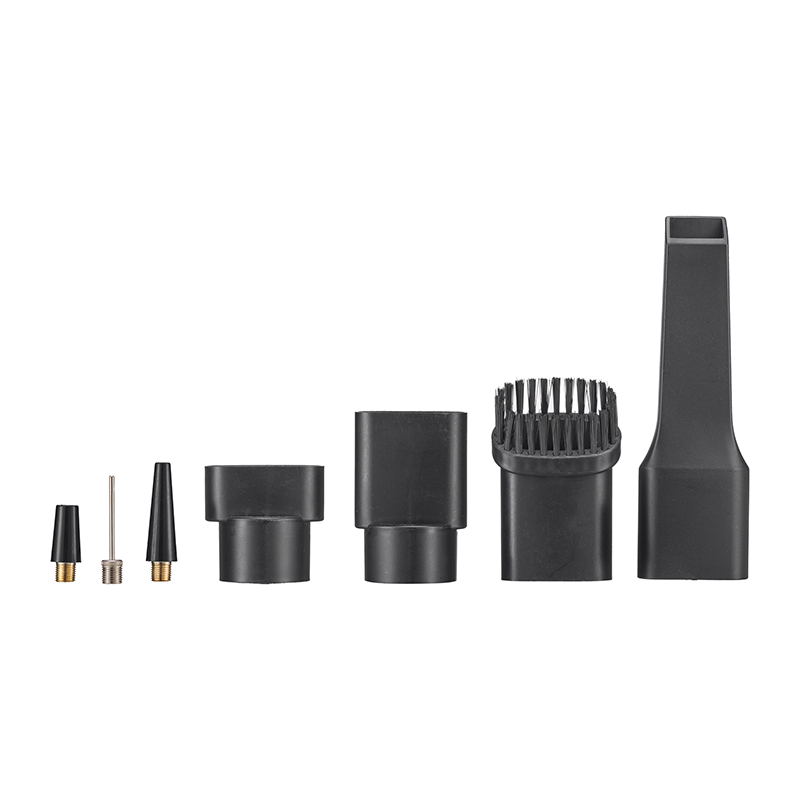
Check the accessories in the box. A full set should include a crevice nozzle, a small round brush, and a flat wide nozzle. These attachments turn the vacuum from a strictly automotive tool into a general-purpose handheld cleaner. Some models combine several attachments in a 4-in-1 design, which saves you from buying extras later.
Final Thoughts
Connecting a car vacuum cleaner at home is not complicated, but it does require one decision: convert the existing power or buy a vacuum that sidesteps the issue. A 12V DC power supply with a cigarette-lighter socket is the simplest, most affordable route for a corded model. A portable power station or jump starter with a 12V output is a flexible alternative if you already own one. A cordless or hybrid car vacuum removes the problem altogether.
While you are at it, consider how you will use the vacuum. A car vacuum with strong suction, a HEPA filter, and a full set of nozzles is a genuine second vacuum for the home, not a gimmick. For more detail on the specifications that matter, read our car vacuum cleaner buying guide.
Let's Talk
Keep in touch with us
Related products
-
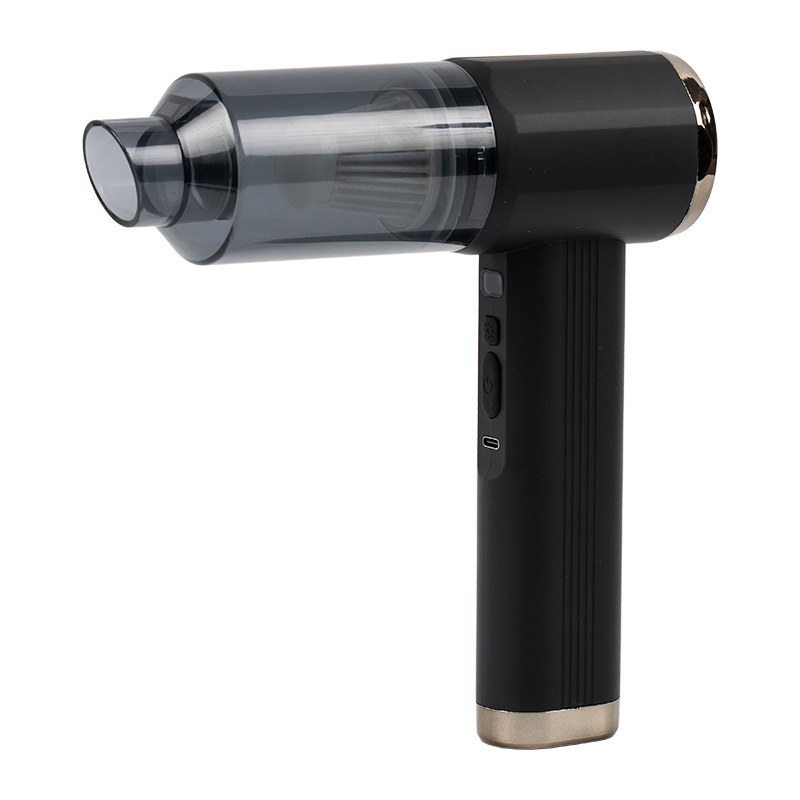
-
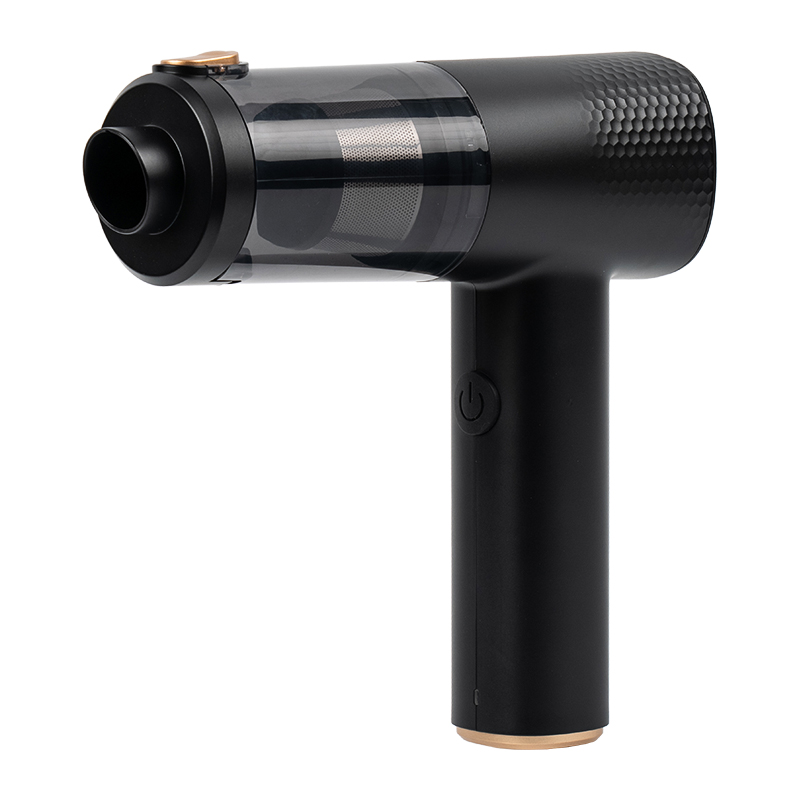
RT-806 7.4V 12600Pa Wet & Dry Car Air Vacuum Cleaner With Li-Ion Battery equipped with 18650 lithium-ion batteries (available in 1,800mAh x 2 or 2,000mAh x 2 configurations), the RT-806 operates a...
See Details -
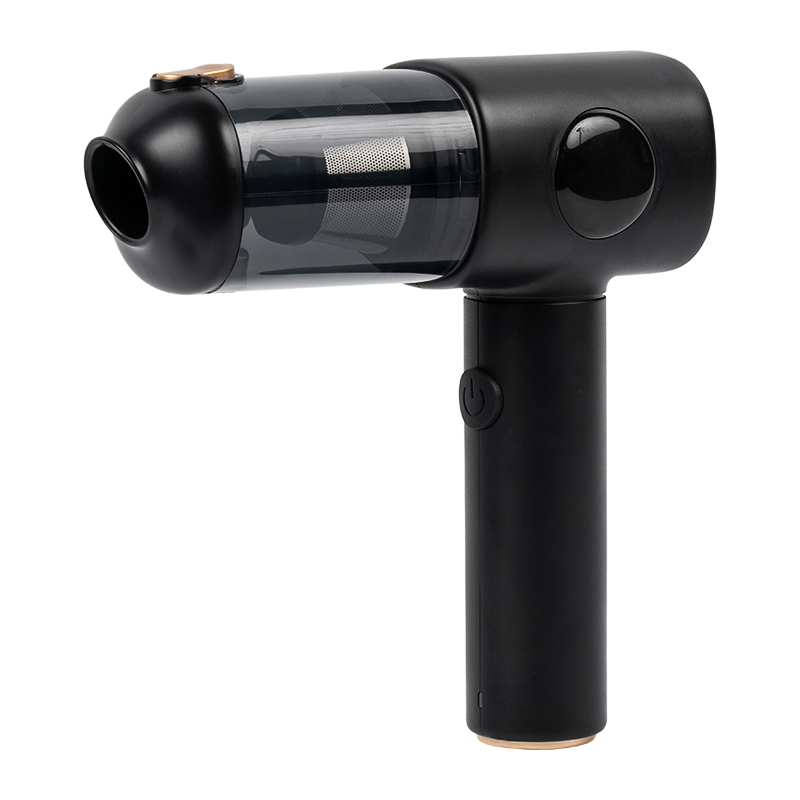
The RT-805 Cordless Car Vacuum Cleaner features a smart display that provides real-time battery status updates, allowing you to precisely monitor the remaining usage time. Boasting a powerful suction ...
See Details -
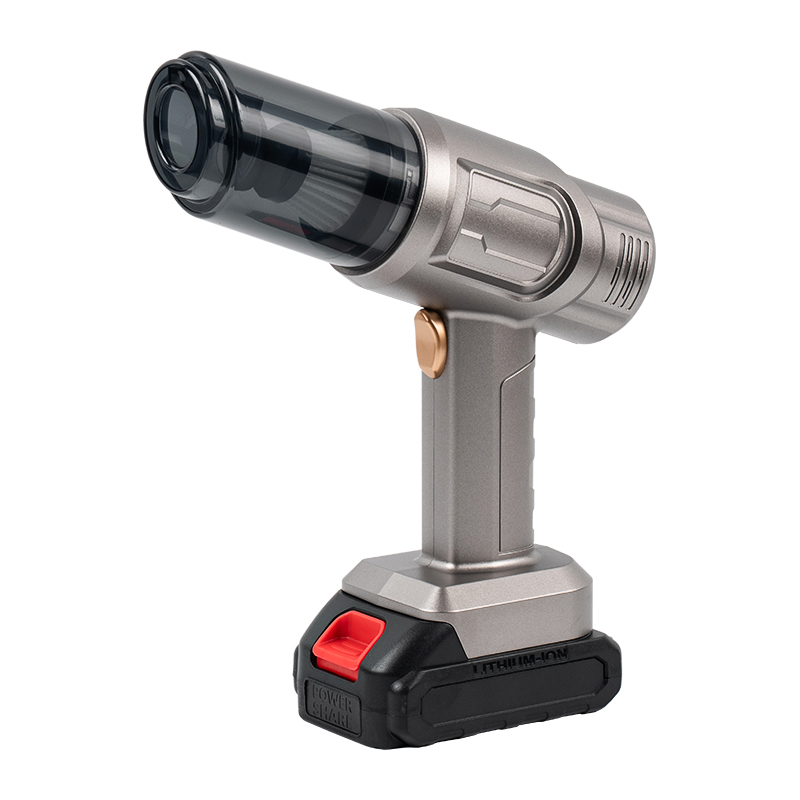
The RT-802 Handhold Vacuum Cleaner features a detachable battery design, supporting external power tool battery packs and compatible with various battery options to flexibly adapt to different usage n...
See Details -
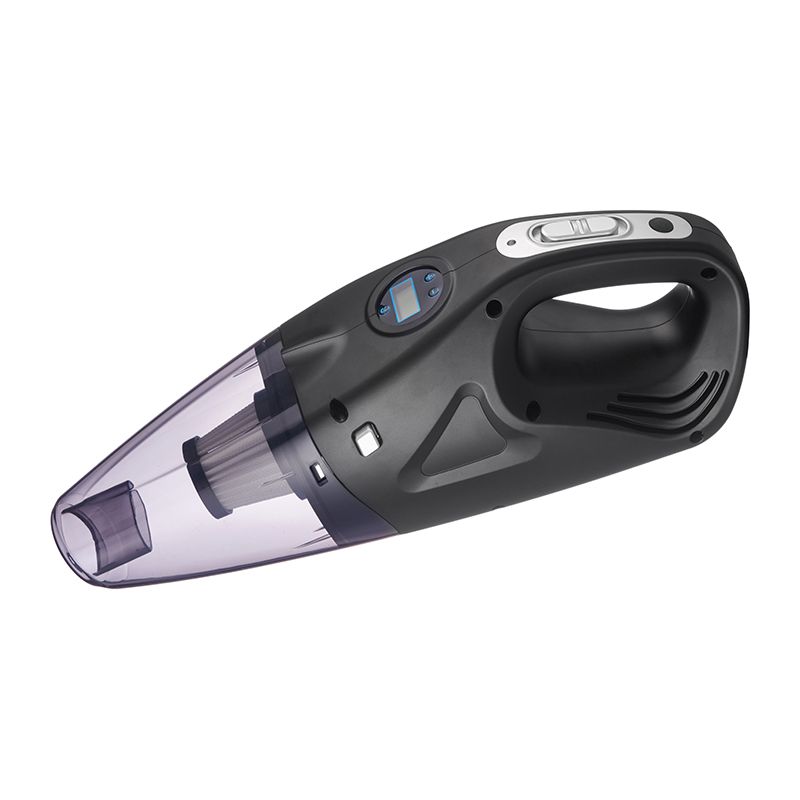
The RT-8822-S 4-in-1 Vehicle-Mounted Vacuum Cleaner—available in both cordless and corded versions—is powered by an 18650 lithium-ion battery (offering various capacity options) and operates at a 12V ...
See Details -
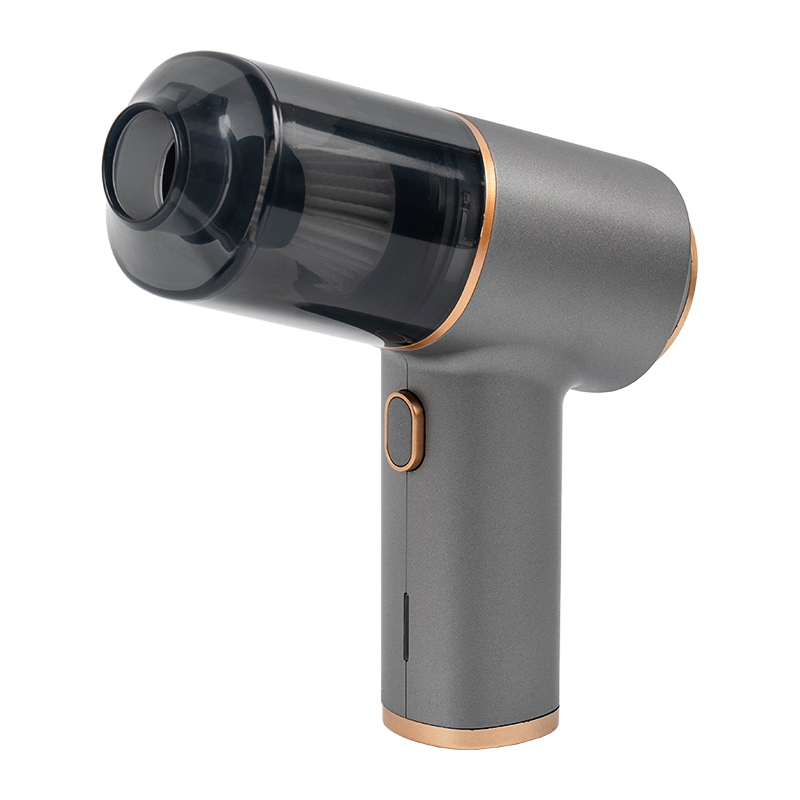
RT-8822 Mini 7.4V Handhold car portable vacuum cleaner powered by an 18650 lithium-ion battery—available in various capacity options—this unit operates at a 7.4V working voltage, ensuring stable and ...
See Details
News
-
You bought a compact 12V car vacuum cleaner to keep under the seat of your SUV. It handles coffee spills, crushed crack...
READ MORE -
The short answer for how to clean car seats with steam cleaner equipment is this: vacuum the seats thoroughly first to ...
READ MORE -
You open the back door after a short drive, and your dog jumps out leaving a layer of fur across the rear seat. You rea...
READ MORE -
The short answer: a good suction power for a car vacuum cleaner starts at 6,000 Pa (6 kPa) for a cordless handheld mode...
READ MORE -
To inflate tires at a gas station correctly: check your vehicle's recommended tire pressure from the sticker inside th...
READ MORE -
You just vacuumed the car, and the same handheld unit is sitting next to your sofa with a few crumbs scattered around. ...
READ MORE
Message Us Right Now!
Get Connected
 Whatsapp
 Wechat
Copyright © Ningbo Rongteng Auto Accessories Co.,Ltd. All rights reserved.
 Custom Vehicle Tire Inflators Manufacturers