
 English
 русский
 Español
The RT-805 Cordless Car Vacuum Cleaner features a smart display that provides real-time battery status updates, allowing you to precisely monitor the remaining usage time. Boasting a powerful suction ...
See DetailsIndustry News 2026/09/10
Can a Car Vacuum Cleaner Be Used at Home? Yes, If You Choose the Right Model
Content
- 1 What a Car Vacuum Cleaner Actually Is
- 2 The Power Supply Problem: Running a 12V Car Vacuum on Household Current
- 3 What You Can Actually Clean at Home
- 4 Limitations You Need to Respect Before Turning It Loose Indoors
- 5 What to Look for When You Want a Car Vacuum That Works at Home
- 6 Practical Setup Tips for Using a Car Vacuum at Home
- 7 Conclusion: Use It at Home, But Know the Boundaries
You just vacuumed the car, and the same handheld unit is sitting next to your sofa with a few crumbs scattered around. The question is not whether a car vacuum cleaner can physically work indoors. In most cases it can. The real question is whether it will do the job properly without damaging the machine, making the room dusty, or running out of power halfway through.
Let's cut to the answer: a car vacuum cleaner can be used at home, but only when the model, the power supply, and the cleaning task line up with each other. If you pick a cordless vacuum with a HEPA filter and a decent cyclone design, you can use it for small and medium cleaning jobs around the house. If you pick a 12V corded model and plug it into a 12V socket, you will need an AC-to-DC power adapter, and you will need to respect the current rating.
What a Car Vacuum Cleaner Actually Is
A car vacuum cleaner is a compact handheld suction device designed for the confined spaces of a vehicle cabin. The typical design philosophy is portability over capacity. Manufacturers keep the overall weight low, the nozzle narrow, and the motor small enough to run from a 12V DC cigarette lighter or from an internal lithium battery.
The performance range of these machines is not the same as a full-size household vacuum. Most handhold car vacuum cleaners offer suction values around 5,000 to 12,600 Pa, whereas a corded home vacuum may exceed 20,000 Pa. That is not a flaw. It is a physical and electrical trade-off that lets the device be handled with one hand.
| Feature | Car Vacuum | Household Vacuum |
|---|---|---|
| Power source | 12V DC or internal lithium battery | 110V/220V AC socket |
| Typical suction | 5,000 to 15,000 Pa | 15,000 to 30,000+ Pa |
| Weight | 0.5 to 1.5 kg | 2 to 10 kg |
| Primary filter | Sometimes HEPA, often simple foam | Usually HEPA or multi-stage filtration |
| Most common accessories | Crevice tool, mini brush, flexible hose | Floor head, extension tube, upholstery tool |
| Best use case | Spot cleaning, tight corners, small surfaces | Whole-room carpet and hard floor vacuuming |
If you use a car vacuum at home, you are effectively using a small, agile cleaning tool that struggles with large floor areas but shines in detail work.
The Power Supply Problem: Running a 12V Car Vacuum on Household Current
The most common obstacle is the power source. A corded car vacuum is designed to plug into a vehicle's 12V socket, not a home wall outlet. Household outlets provide alternating current (AC) at 110V or 220V, while the car vacuum motor wants direct current (DC) at about 12V. This is not an optional detail; if you wire a 12V DC motor directly into an AC outlet, you will destroy the motor.
To use a 12V corded model at home, you need an AC-to-DC power adapter that converts the wall current to stable 12V DC. The conversion is not just about the plug shape. The adapter must deliver enough current. If the vacuum draws 8A at 12V, the power requirement is 96W. Add a safety margin for conversion losses and startup surges, and you should look for an adapter rated for at least 120W. A weak adapter can overheat, drop voltage, and make the vacuum perform far below its rated suction.
If you are buying a car vacuum cleaner with the intention of using it inside the house as well, the simplest option is a cordless model with a removable or built-in lithium battery. A 7.4V wireless car vacuum can be charged from a USB charger or a wall adapter and used directly in your living room. You do not need to search for a 12V socket or carry a bulky converter.
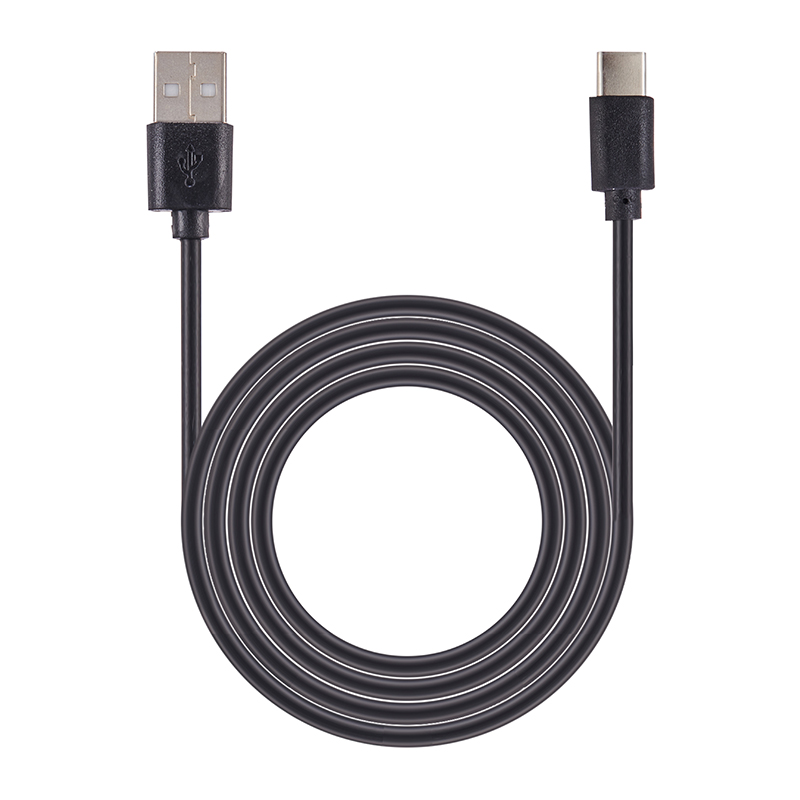 Cordless 7.4V Car Vacuum with HEPA and Strong SuctionThis cordless vacuum uses a 7.4V lithium battery and HEPA filtration, offering up to 12,000Pa suction for car interiors and small household spots. Its USB charging and compact design make it easy to use both in the car and around the home.View Product →
What You Can Actually Clean at Home
Once the power question is settled, the practical question is whether a car vacuum is good for anything beyond the car. It can be surprisingly effective for a narrow range of household tasks, especially those that involve small surfaces and tight spaces.
- Furniture and upholstery: The narrow nozzle fits between sofa cushions and in the folds of armchairs.
- Mattresses and bedding: A handhold car vacuum can pick up dust mites, skin flakes, and bed crumbs from a mattress surface without dragging a full-size machine into the bedroom.
- Electronics and appliances: With a small brush attachment, you can remove dust from keyboards, vents, and the grilles of gaming consoles. Low suction keeps delicate parts safer than a powerful canister.
- Pet areas: If you have a dog bed or a cat tree, a car vacuum with a motorized brush can remove loose fur that a broom would simply push around.
- Stairs and corners: The compact body makes it easier to clean individual steps and tight stair corners where a corded vacuum would be awkward.
The key limitation is area. A car vacuum's dust cup is usually measured in liters or even milliliters. It is meant for spot cleaning, not entire floors. If you need to vacuum a whole living room, a standard canister or stick vacuum will always be faster and more efficient.
Limitations You Need to Respect Before Turning It Loose Indoors
Car vacuum cleaners are not universal substitutes for home vacuums. They have a smaller motor, smaller filter area, and often no bypass cooling. Several situations can cause permanent damage or simply make the job worse.
- Liquids and wet surfaces: Unless the model is explicitly marked wet/dry, do not vacuum water or spills. A dry-only motor will ingest moisture through the nozzle and short-circuit. Even wet/dry car vacuums should only handle small puddles, not full-scale water recovery.
- Fine dust without a HEPA filter: Many cheap car vacuums use a foam filter that does not capture sub-micron particles. If you use such a unit indoors, the exhaust will blow fine dust back into the room. For a home environment, especially with allergy sufferers, a HEPA filter is not a luxury; it is a health requirement.
- Continuous runtime: Cordless car vacuums with 7.4V batteries often deliver only 15 to 20 minutes of active cleaning. That is fine for a sofa or a mattress, but it is not enough to vacuum multiple bedrooms in one session.
- Hard objects: Do not pick up coins, screws, or gravel with a car vacuum. The small dust cup and narrow hose increase the chance of blockage, and a hard object can crack the plastic housing or damage the fan.
What to Look for When You Want a Car Vacuum That Works at Home
If you are in the market for one vacuum that can serve both the car and the house, prioritize these four specifications.
- Suction power in Pa. Look for at least 10,000 Pa for household spot cleaning. Lower values will struggle with pet hair and compacted dirt.
- HEPA filter. This is the single most important feature for indoor air quality. A HEPA filter captures 99.97% of particles down to 0.3 microns, which prevents dust from being recirculated.
- Wet/dry capability. If you have ever spilled coffee on a sofa, you know that a dry-only vacuum will not solve the problem. A wet/dry model can handle manageable liquid spills and also helps clean the car's floor mats.
- Power mode flexibility. Cordless models are easier at home, but a car vacuum that is both corded and cordless gives you a backup when the battery runs out in the middle of a job.
If you plan to tackle occasional spills from coffee or drinks, choose a model that is explicitly designed for wet and dry use. A wet/dry car vacuum is the only type that will handle liquid without placing the motor at risk.
Wet and Dry Car Vacuum with 12,600Pa SuctionDesigned for both dry debris and liquid spills, this wet/dry vacuum provides 12,600Pa suction with a lithium battery, making it suitable for coffee or drink accidents. Its large dustbin and fast charging support efficient cleaning.View Product →
For a deeper understanding of the technical quality checks that matter in this product category, you can read this buying guide on car vacuum cleaners and industry quality standards. It explains how to read suction ratings, filter grades, and motor types without relying on marketing copy.
Practical Setup Tips for Using a Car Vacuum at Home
If you decide to use a 12V corded model indoors, keep a dedicated AC-to-DC adapter for that vacuum. Do not borrow one from a compressor or an inflator unless it has the same voltage and current capability. Always connect the adapter to the wall socket first, then plug in the vacuum. This prevents arcing at the connector.
For cordless models, charge the battery fully before starting a household cleaning session. The runtime on a 7.4V battery is usually enough for a single piece of furniture, but not for a whole house. If you also want to use it for the car, a model that includes both a wired and wireless mode can bridge the gap between the two environments. When the battery drains during a deep upholstery job, you can plug it into the 12V socket or an adapter and continue without waiting for a full charge.
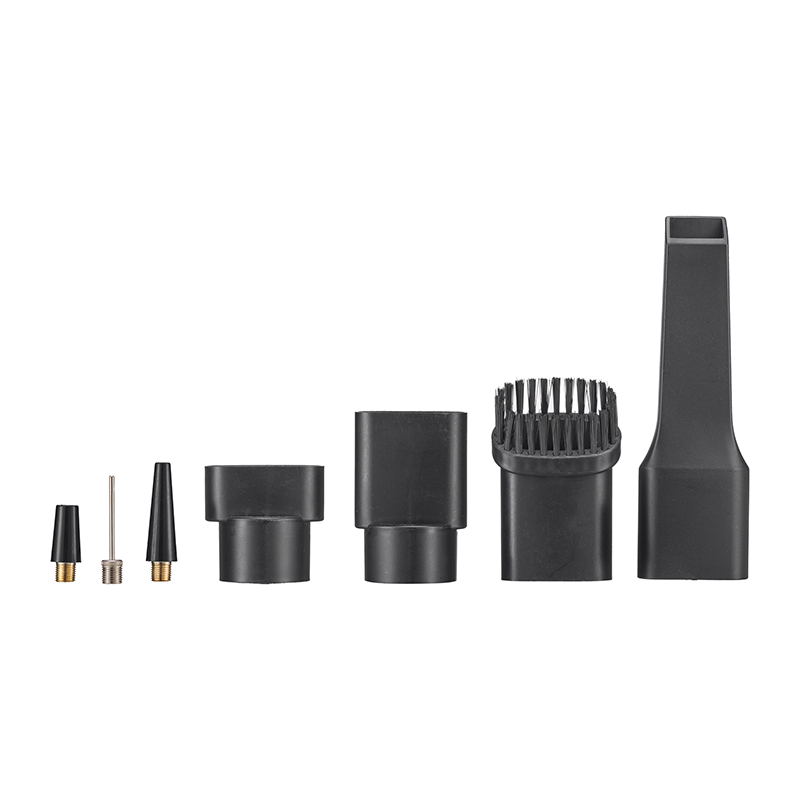 4-in-1 Cordless and Corded Car Vacuum with Tire InflatorThis versatile vacuum offers cordless and corded modes, with a built-in tire inflator, LED light, and pressure gauge. Its 12V battery delivers up to 29 minutes of cordless runtime, ideal for both car and home cleaning tasks.View Product →
Conclusion: Use It at Home, But Know the Boundaries
So, can a car vacuum cleaner be used at home? Yes. It is a practical choice for small-area cleaning, furniture detail work, mattress care, and pet hair removal. But it is not a replacement for dedicated household equipment if you need to clean large carpeted areas or wet spills frequently. Choose a cordless model with HEPA filtration if you care about air quality. If you want the widest range of indoor applications, consider a wet/dry unit with enough suction. With the right power setup and realistic expectations, a car vacuum cleaner can become a handy second vacuum in your home, rather than a single-purpose gadget that only stays in the trunk.
Let's Talk
Keep in touch with us
Related products
-
-
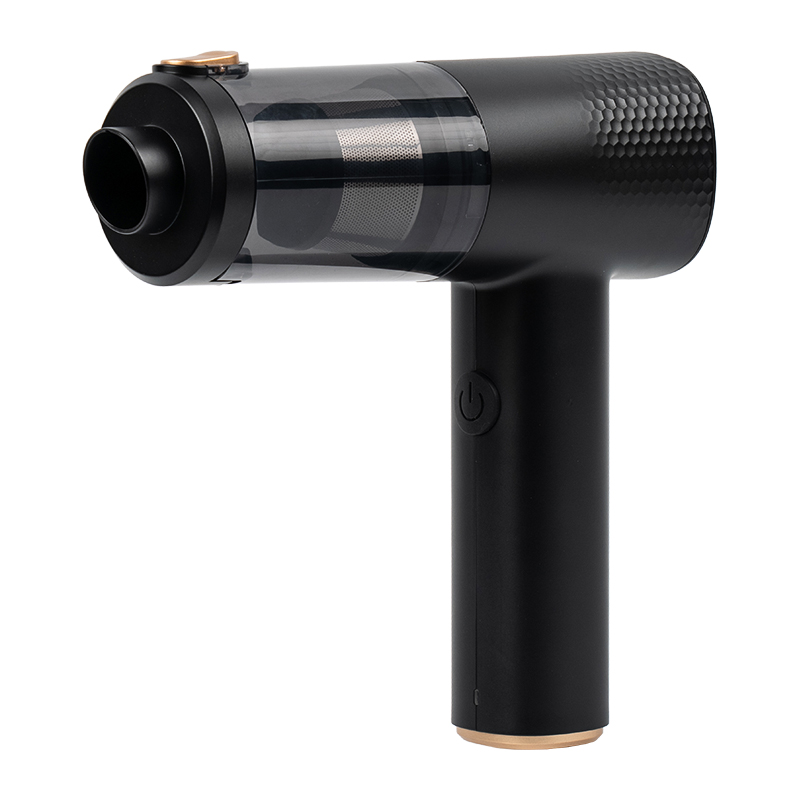
RT-806 7.4V 12600Pa Wet & Dry Car Air Vacuum Cleaner With Li-Ion Battery equipped with 18650 lithium-ion batteries (available in 1,800mAh x 2 or 2,000mAh x 2 configurations), the RT-806 operates a...
See Details -
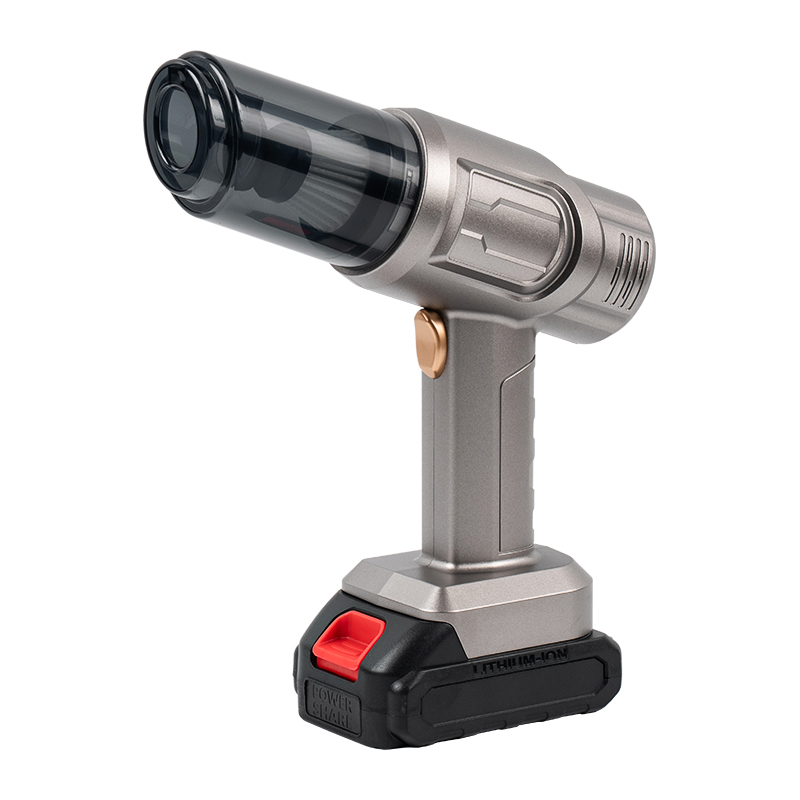
The RT-802 Handhold Vacuum Cleaner features a detachable battery design, supporting external power tool battery packs and compatible with various battery options to flexibly adapt to different usage n...
See Details -
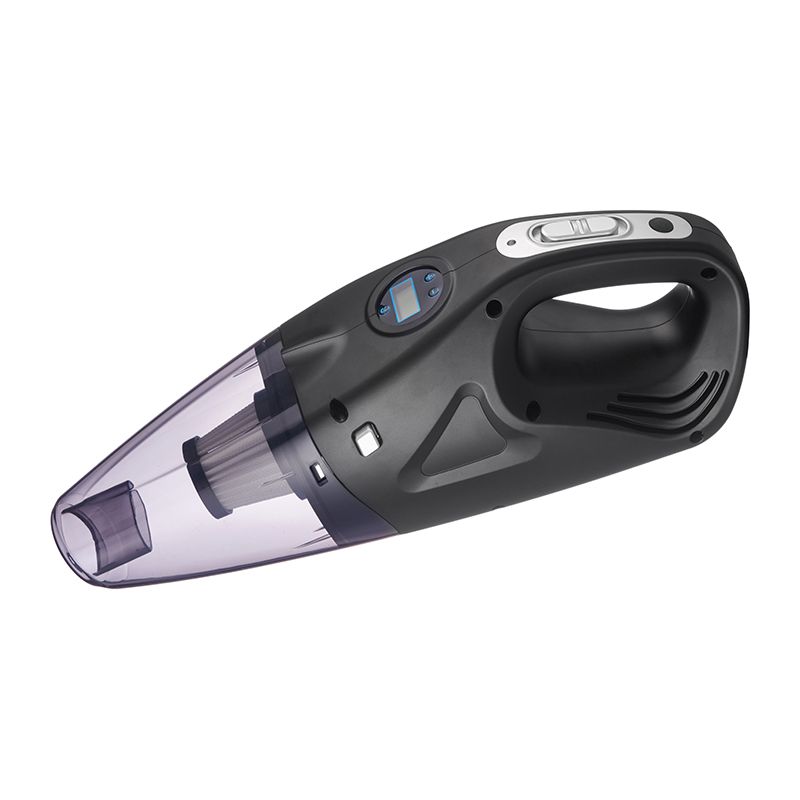
The RT-8822-S 4-in-1 Vehicle-Mounted Vacuum Cleaner—available in both cordless and corded versions—is powered by an 18650 lithium-ion battery (offering various capacity options) and operates at a 12V ...
See Details -
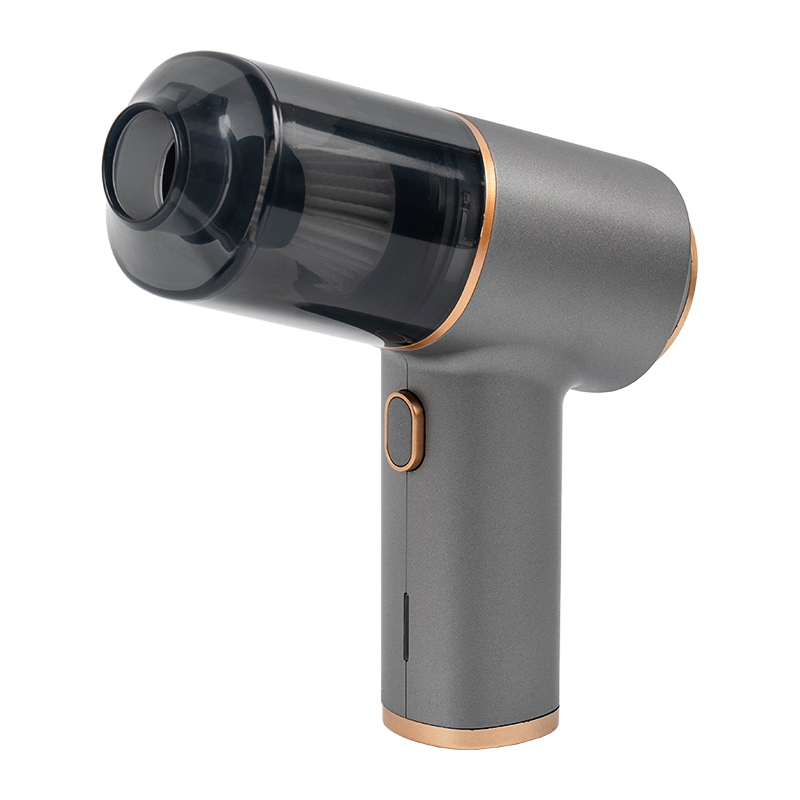
RT-8822 Mini 7.4V Handhold car portable vacuum cleaner powered by an 18650 lithium-ion battery—available in various capacity options—this unit operates at a 7.4V working voltage, ensuring stable and ...
See Details -
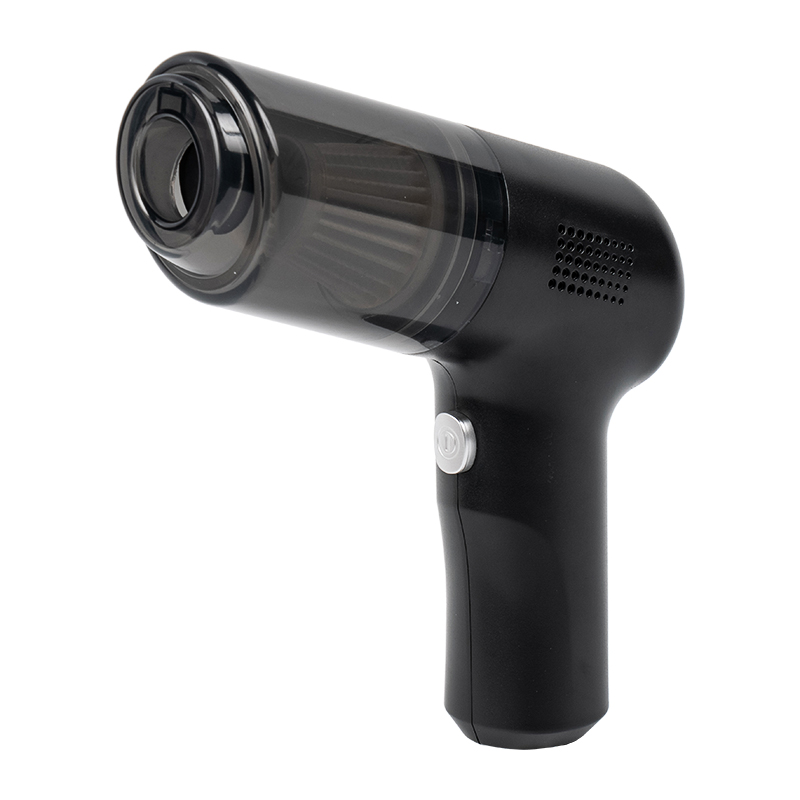
The RT-8821 Mini Vacuum Cleaner is a versatile, multi-purpose device offering both wired and wireless operation options. Featuring a lightweight and compact design, it is suitable for a wide variety o...
See Details
News
-
You open the back door after a short drive, and your dog jumps out leaving a layer of fur across the rear seat. You rea...
READ MORE -
A driver walks out at 7:40 a.m., sees a rear tire sitting lower than the others, and finds a floor pump in the trunk. T...
READ MORE -
Two handheld vacuums sit on the same workbench. One is a 7.4 V cordless unit rated at 12,600 Pa with a washable filter ...
READ MORE -
You have just finished vacuuming the car with a 12V vacuum cleaner plugged into the cigarette-lighter socket. The floor...
READ MORE -
Vacuuming a car properly is not a one-pass task. If you only move the nozzle over the visible surfaces, you are leaving...
READ MORE -
You open the rear door and see the evidence: crushed cereal under the child seat, fine sand worked into the carpet, dog...
READ MORE
Message Us Right Now!
Get Connected
 Whatsapp
 Wechat
Copyright © Ningbo Rongteng Auto Accessories Co.,Ltd. All rights reserved.
 Custom Vehicle Tire Inflators Manufacturers
Exhibition Name: Automechanika Shanghai 2026
Date: December 2 to 5, 2026
Location: National Exhibition and Convention Center (Shanghai)
Booth Number: 1.2B96