
 English
 русский
 Español
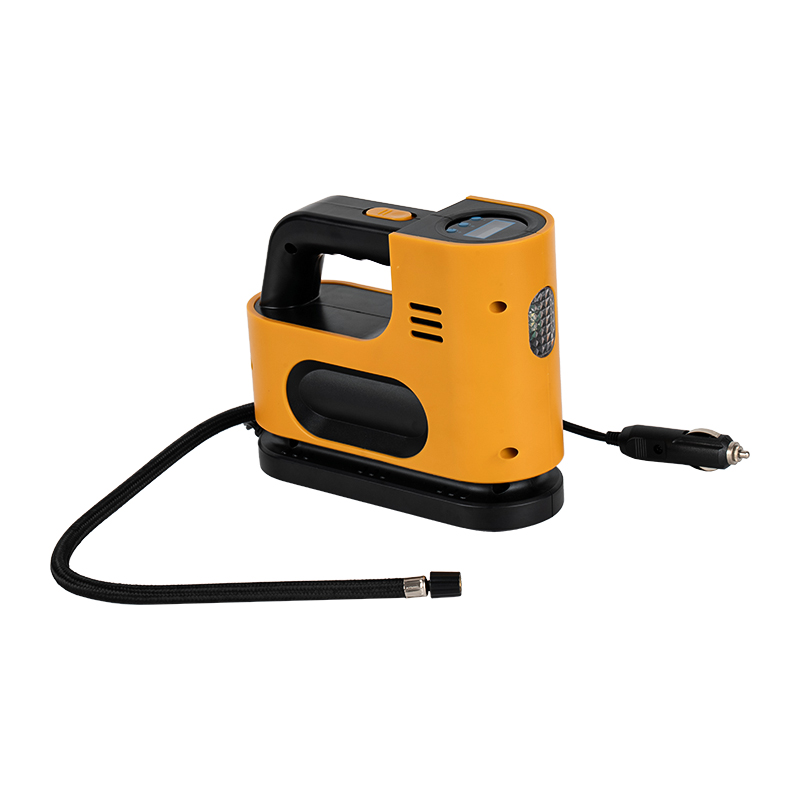
The RT-828 DC Tire Inflator Pump 12V with LED light features a real-time tire pressure display, allowing drivers to monitor tire pressure at any time and ensure it remains within safe limits. Operatin...
See DetailsIndustry News 2026/10/22
Can You Inflate a Car Tire With a Bike Pump? Practical Limits and Better Options
Content
- 1 The short answer: yes, with limits that matter
- 2 Why pressure and volume behave differently from a bicycle tire
- 3 Valve fit and the adapter most drivers forget
- 4 How long it actually takes
- 5 Where a bike pump is genuinely useful
- 6 Where it is a poor choice
- 7 A safe step-by-step for an emergency top-off
- 8 When a portable inflator makes more sense
- 9 Corded 12V pumps and the jobs a bike pump cannot do
- 10 Buying checklist: pressure, volume, gauge, and heat
- 11 TPMS, speed ratings, and the limits of a roadside fix
- 12 Bottom line for drivers and buyers
A driver walks out at 7:40 a.m., sees a rear tire sitting lower than the others, and finds a floor pump in the trunk. The question is not theoretical: can that bike pump get the car to the nearest service station, or is it a waste of effort? The short answer is yes, a bike pump can add air to a car tire, but only under the right conditions. It works best as a slow emergency top-off when the tire is still seated on the rim and the pump head fits the valve. It is a poor substitute for a proper inflator when the tire is fully flat, the bead has come off the wheel, or the sidewall is damaged.
The reason is simple: a car tire does not need unusually high pressure, but it holds a large volume of air. A bicycle pump can generate enough pressure for a 32 psi passenger tire. What it cannot do is move air quickly. That difference between pressure and volume decides whether the job takes two minutes or half an hour.
The short answer: yes, with limits that matter
A bike pump can inflate a car tire if four conditions are met. First, the tire must still be seated on the rim. Second, the pump must reach the vehicle’s recommended pressure, usually somewhere between 30 and 36 psi for a passenger car, though some vans, SUVs, and light trucks specify more. Third, the pump head must fit the tire valve, which on most cars is a Schrader valve. Fourth, the driver must be willing to pump in short batches and check pressure with a gauge.
If the tire is completely flat and the bead has separated from the wheel, a hand pump is usually the wrong tool. Seating a bead requires a large rush of air, and a bike pump cannot deliver that volume fast enough. The same applies to a tire with a cut sidewall, a bulging sidewall, or visible cord. In those cases, inflating the tire can be dangerous. Use a spare, call for roadside help, or move the vehicle off the road before doing anything else.
For a slow leak or a tire that is only a few pounds low, a bike pump is a reasonable emergency tool. It is not fast, and it is not effortless, but it can restore enough pressure to reach a repair shop. The key is to treat it as a temporary aid, not as a permanent inflation method.
Why pressure and volume behave differently from a bicycle tire
A road bicycle tire may run at 80 to 120 psi, and a mountain bike tire may run at 20 to 35 psi. A passenger car tire often runs at 32 to 36 psi. On pressure alone, a car tire can look easier than a road bike tire. The mistake is to compare pressure without comparing air volume. A road bike tire holds roughly a liter of air. A car tire and wheel assembly can hold tens of liters. The car tire needs far more air molecules to reach its working pressure, even though that pressure is lower.
A floor pump might move around 0.2 liters per stroke at low pressure, and less effective volume as pressure rises. That is enough for a bicycle tire because the air chamber is small. On a car tire, the same stroke count produces a much smaller pressure change. A track pump with a large barrel helps, but it does not turn a hand pump into a compressor. The pump’s pressure rating is not the limiting factor. The limiting factor is the volume of air it can move per stroke and the physical work required to keep going.
Pressure units can also confuse the issue. 32 psi is about 2.2 bar. 36 psi is about 2.5 bar. A pump rated to 100 psi or 160 psi has plenty of pressure ceiling for a car tire. That rating does not mean it will fill the tire quickly. It only means the pump can produce that pressure against a closed system. Under real use, hose leaks, valve leakage, and pump heat reduce efficiency.
Valve fit and the adapter most drivers forget
Most passenger cars use Schrader valves. Many bicycle pumps are set up for Presta valves, especially pumps sold for road bikes. Some pump heads are reversible and accept both valve types. Others need a small adapter. If the pump is Presta-only, a Schrader-to-Presta adapter can bridge the difference. Without that adapter, the pump may appear to fit but will not open the valve core, so the tire will not take air.
Check the pump head before relying on it. A thumb-lock head should clamp securely onto the valve. A screw-on head should thread on without cross-threading. If the head leaks or pops off at 20 psi, the job will take far longer. A flexible hose helps because it keeps the pump body away from the wheel and lets the driver stand at a better angle. A direct-mount pump head can put side load on the valve stem, especially on a rubber-valve TPMS sensor. That is another reason to use a hose and a steady hand.
How long it actually takes
The table below gives a practical range, not a promise. Stroke count depends on tire size, starting pressure, pump barrel volume, hose leaks, valve condition, and how hard the driver can work. A 205/55R16 passenger tire is used as a reference because it is common, not because every car tire behaves the same way.
| Starting point | Pressure added | Rough strokes with a 0.2 L floor pump | Realistic time | Practical use |
|---|---|---|---|---|
| Top-off | 2 psi (0.14 bar) | 30 to 60 | 1 to 3 minutes | Reasonable emergency fix |
| Top-off | 5 psi (0.34 bar) | 70 to 120 | 3 to 6 minutes | Workable but tiring |
| Slow leak | 10 psi (0.69 bar) | 150 to 250 | 8 to 15 minutes | Only if the leak is slow and the destination is close |
| Flat tire, bead seated | 0 to 32 psi (0 to 2.2 bar) | 600 to 1,000 or more | 20 to 40 minutes or more | Emergency only; a portable inflator is better |
| Bead not seated | 0 to 32 psi | Not practical | Not recommended | Needs a compressor or bead seater |
These numbers explain why some drivers report success and others give up. Adding two or three pounds to a tire that is already close to pressure is a different job from filling a completely flat tire. A large SUV tire, a light-truck tire, or a tire with a leaking valve will push the effort toward the high end. A small compact tire and a high-volume floor pump will push it toward the low end.
Where a bike pump is genuinely useful
The best use case is a slow leak discovered before a short drive. If the tire still has shape and the bead is seated, a bike pump can add enough air to reach a service station a few miles away. It is also useful for keeping a spare tire topped up, for a car that sits for long periods, or for a tire that loses a pound or two in cold weather. In those cases, the driver is correcting a small pressure deficit, not recovering from a full deflation.
A bike pump is also a sensible backup for a driver who already carries a gauge and a plug kit. It takes up little space, does not rely on a battery, and works in cold weather when a battery-powered inflator may lose capacity. The trade-off is effort. For a driver with limited strength, a shoulder injury, or a roadside location with fast traffic, a hand pump may not be the safest choice. A portable inflator or a call for roadside assistance may be more appropriate.
Where it is a poor choice
A bike pump is a poor choice when the tire is visibly damaged, when the bead is unseated, or when the vehicle is loaded and the tire needs a large pressure increase. It is also a poor choice when the driver has no gauge. Inflating by feel is unreliable on a car tire because the sidewall is stiff and the pressure change is not obvious from a few strokes. Overinflation can reduce traction and increase the risk of impact damage. Underinflation can overheat the sidewall and cause a blowout.
Hand pumps also heat up during extended use. The barrel, hose, and valve head can become hot. Pumping in short batches gives the pump time to cool and lets the driver check pressure. Do not brace the pump against the valve stem at an angle. Do not force a pump head that does not fit. Do not continue if the tire bulges, hisses at the sidewall, or fails to hold pressure. Those are signs of a repair problem, not an inflation problem.
A safe step-by-step for an emergency top-off
- Park on a level surface, away from traffic. Turn on the hazard lights, set the parking brake, and chock a wheel if possible.
- Read the vehicle’s tire placard, usually on the driver’s door jamb, fuel door, or owner’s manual. Use that pressure, not the maximum pressure molded on the sidewall.
- Inspect the tire for cuts, bulges, exposed cord, or a bead that has separated from the rim. If any of those are present, do not inflate. Use a spare or call for help.
- Remove the valve cap and check that the valve core is tight. Fit the pump head squarely. If the pump has a lever, lock it against the valve without twisting the stem.
- Pump in batches of 20 to 30 strokes, then check pressure with a separate gauge. Continue until the tire reaches the placard pressure or slightly above it.
- Refit the valve cap, recheck the pressure, and listen for leaks. Drive slowly to the nearest service station and recheck the tire before any longer trip.
A separate gauge matters more than most drivers expect. Pump-mounted gauges are often approximate, and they can drift after repeated use. A cheap digital gauge or a quality dial gauge gives a second opinion. If the tire loses pressure again within a few minutes, the problem is a puncture, a bad valve, or a damaged bead. More pumping will not fix it.
When a portable inflator makes more sense
A portable tire inflator solves the volume problem. It uses a motor-driven piston or diaphragm to move air at a rate a hand pump cannot match. Many models also include a pressure gauge, auto shut-off, a work light, and a hose that clips onto the valve. For a driver who wants a tool that can handle a slow leak without a long workout, a portable inflator is the more practical choice. The basic working principle is simple: the motor drives the pump, and the pressure control stops the flow at a set point. For a closer look at the mechanics and the features that matter, see how a portable tire inflator works.
A compact battery-powered model is useful when no power socket is nearby. A mini 150 psi unit with Type-C input is a relevant example for a small emergency kit:
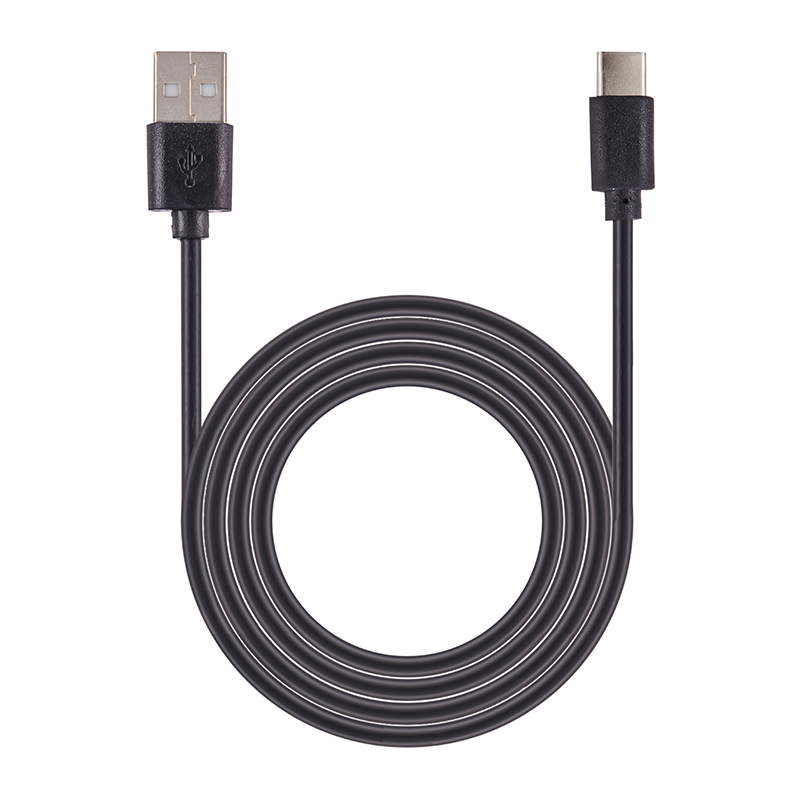 RT-601 Mini 150PSI Type-C Portable Tire InflatorA compact 150 PSI cordless inflator with Type-C input, preset shut-off, LED light, and USB output for small emergency kits.View Product →
For drivers who want pressure feedback during inflation, a cordless model with tire pressure monitoring is easier to use than a hand pump because the driver can watch the gauge while the tool runs:
RT-506 Cordless Tire Inflator with Pressure MonitoringCordless inflator with real-time pressure monitoring, five inflation modes, automatic shut-off, LED/SOS lighting, and Type-C charging for emergency tire filling.View Product →
Neither tool removes the need to inspect the tire. A portable inflator can fill a tire quickly, but it cannot seal a puncture or repair a damaged sidewall. It still belongs in the same emergency plan as a gauge, a spare, and a phone.
Corded 12V pumps and the jobs a bike pump cannot do
A corded 12V inflator draws power from the car’s accessory socket and usually moves more air than a small battery unit. That makes it a better match for larger tires, repeated top-offs, and night-time use when a work light helps. The trade-off is that the cord must reach the valve, and the vehicle must be running or the battery must be healthy. For a driver who regularly checks tire pressure at home or in a fleet parking area, a corded pump is a practical middle ground.
A 12V model with an LED light is useful when the valve is in a dark wheel well or when the tire is being checked after sunset:
 RT-828 12V DC Tire Inflator with LED LightA 12V cigarette-lighter inflator with real-time pressure display, 150 PSI auto-stop, and LED light for dark wheel wells or after-sunset checks.View Product →
These tools do not make a bike pump obsolete. A hand pump is still a lightweight backup that never needs a battery or a power socket. The point is to match the tool to the job. For two pounds of pressure on a cool morning, a bike pump is fine. For a tire that is down ten pounds or more, a powered inflator is faster and less likely to leave the driver exhausted at the roadside.
Buying checklist: pressure, volume, gauge, and heat
Drivers shopping for a portable inflator should look beyond the maximum pressure printed on the box. A 150 psi rating is common, but most passenger tires need only 30 to 36 psi. What matters more is how quickly the tool reaches that pressure, how accurate the gauge is, and how long it can run before it needs to cool. A small unit may inflate a compact tire in a few minutes but struggle with a large SUV tire on a hot day. A larger unit may be heavier and noisier but will finish the job with less duty-cycle stress.
| Tool | Typical power | Pressure ceiling | Air volume | Best use | Main limitation |
|---|---|---|---|---|---|
| Floor bike pump | Manual | 100 to 160 psi | Low per stroke | Emergency top-off, spare tire | Slow and physically demanding |
| Battery portable inflator | Rechargeable battery | Often 100 to 150 psi | Moderate | Routine top-off, roadside use | Battery capacity, heat, duty cycle |
| Corded 12V inflator | Car accessory socket | Often 100 to 150 psi | Moderate to high | Faster filling, repeated checks | Cord reach, socket load, noise |
Gauge accuracy deserves a separate check. A gauge that reads two pounds high can leave a tire underinflated, while a gauge that reads two pounds low can lead to overinflation. TPMS sensors are not a substitute for a hand gauge because they may not update instantly, and some systems only warn when pressure is already well below the placard value. A separate gauge and a known-good pump are a better combination.
TPMS, speed ratings, and the limits of a roadside fix
A bike pump does not damage a tire pressure monitoring sensor by itself. The risk comes from side-loading the valve stem, cross-threading the valve cap, or forcing a pump head that does not fit. Use a hose, support the head with one hand, and avoid pushing the pump body sideways. If the valve stem is rubber and aged, it can crack. That is a repair issue, not a reason to avoid checking pressure.
Speed ratings and load ratings are not changed by how the tire was inflated. A tire repaired with a plug and inflated with a bike pump still has the same speed and load limits as the repair allows. A roadside top-off is a way to reach service, not a way to restore a damaged tire to full duty. If the tire has been run flat, the internal structure may be damaged even if it holds air afterward. Have it inspected before any highway driving.
Bottom line for drivers and buyers
Yes, a bike pump can inflate a car tire, but the useful window is narrow. It works for a seated tire that needs a few pounds, and it can be a lifesaver when no other tool is available. It is slow, tiring, and limited by air volume rather than pressure. It is not a practical way to fill a completely flat tire, and it cannot seat a bead or repair a damaged sidewall. A separate gauge, a valve adapter, and a realistic destination are part of the job.
For drivers who want a reliable emergency kit, a portable or corded inflator is the better primary tool. A bike pump can stay in the trunk as a backup. For buyers evaluating inflators for a vehicle range, the same logic applies: pressure ratings are easy to print, but real-world value comes from stable gauges, sensible duty cycles, secure valve connections, and heat management. The bike pump question is really a volume question, and that is the first thing to check before relying on any inflation tool at the roadside.
Let's Talk
Keep in touch with us
Related products
-
-
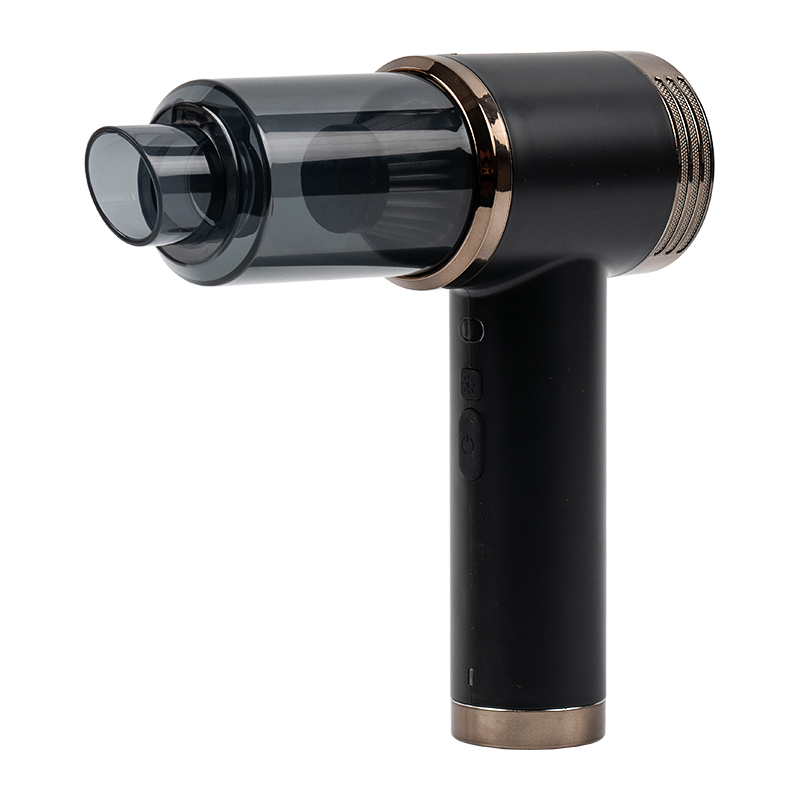
RT-807 Handhold Air Car Vacuum Cleaner Cordless Wet & Dry With Display Dust Lamp equipped with 18650 lithium-ion batteries—available in 1,800mAh x 2 or 2,000mAh x 2 configurations—this unit operat...
See Details -
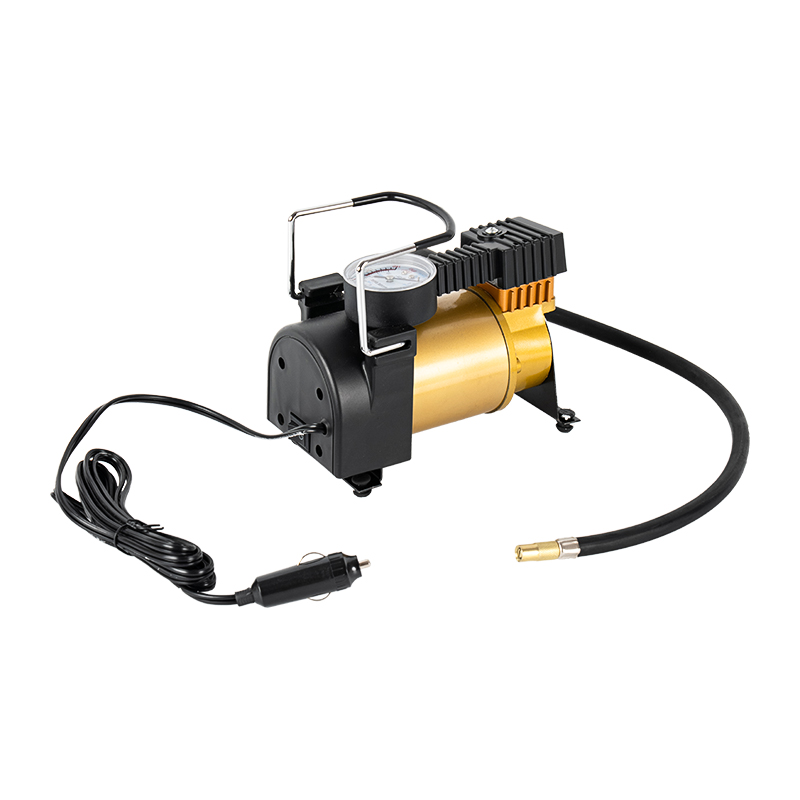
The RT-823 Single-Cylinder 12V DC Tire Inflator Pump with Pressure Meter displays real-time tire pressure, ensuring drivers can monitor tire pressure at any time and avoid safety risks caused by under...
See Details -
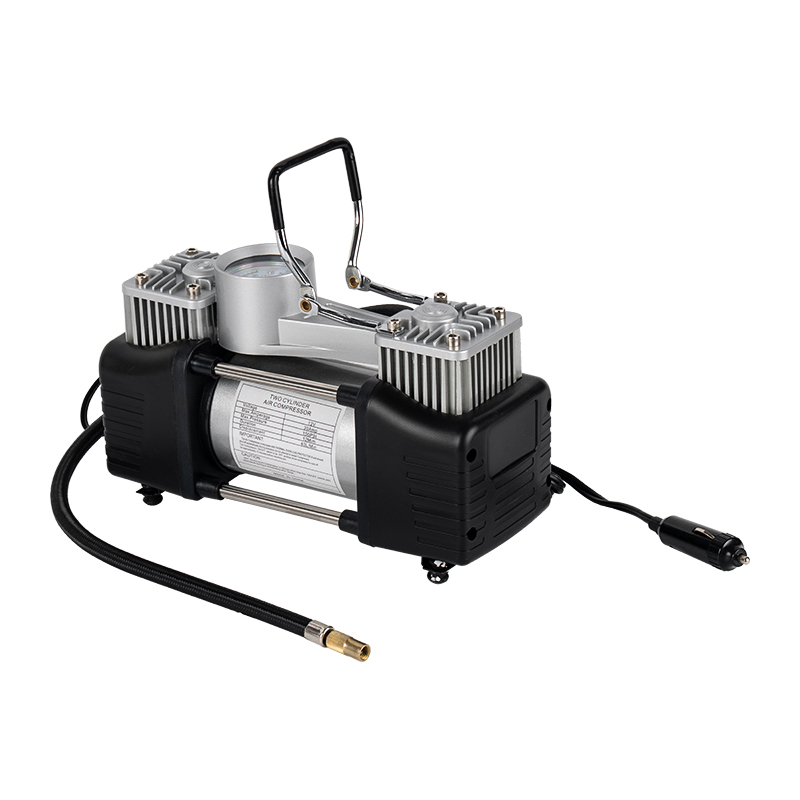
The RT-827 12V Two Cylinders 30mm DC Tire Inflator Pump With Pressure Meter features a dual-cylinder design, providing stronger inflation capacity compared to single-cylinder air pumps. It is equipped...
See Details -
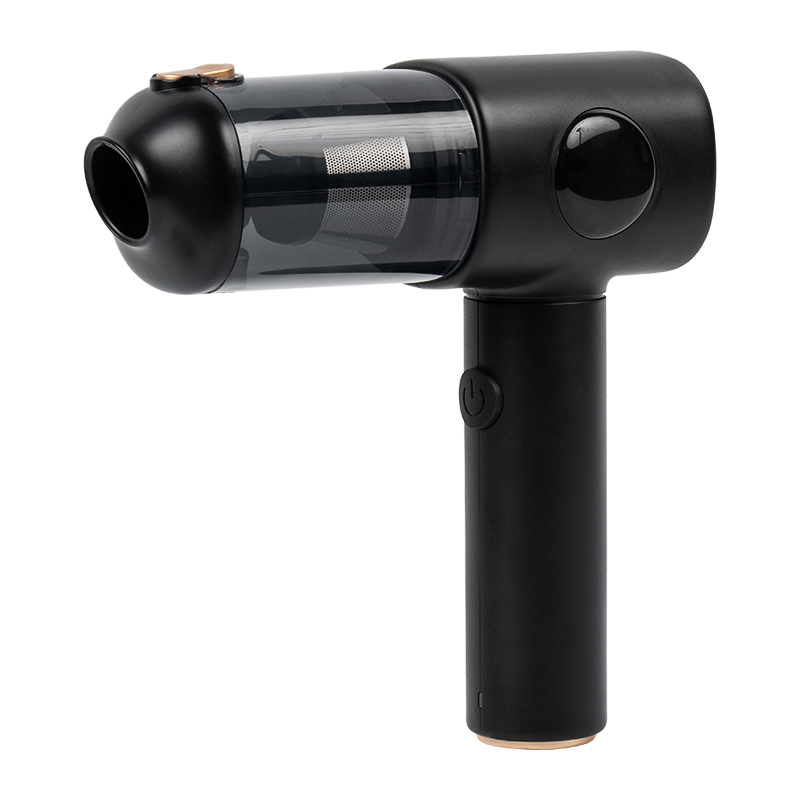
The RT-805 Cordless Car Vacuum Cleaner features a smart display that provides real-time battery status updates, allowing you to precisely monitor the remaining usage time. Boasting a powerful suction ...
See Details -
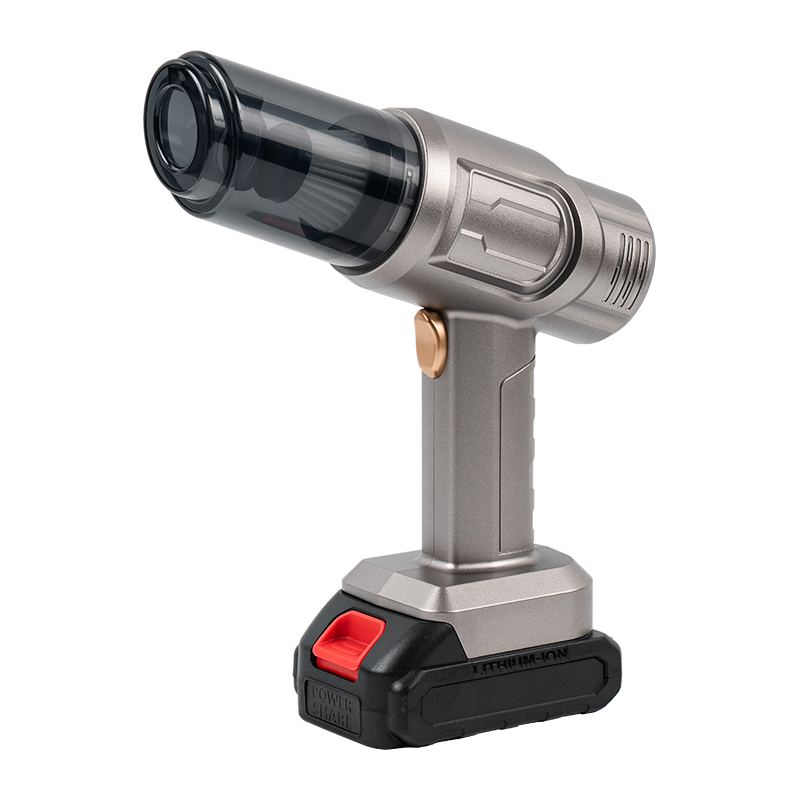
The RT-802 Handhold Vacuum Cleaner features a detachable battery design, supporting external power tool battery packs and compatible with various battery options to flexibly adapt to different usage n...
See Details
News
-
Steam vacuum cleaning works, and it is one of the few home methods that both lifts embedded dirt and kills a large sha...
READ MORE -
You just vacuumed the car, and the same handheld unit is sitting next to your sofa with a few crumbs scattered around. ...
READ MORE -
Car tire inflators are core accessories for automotive emergency and maintenance. With the increasing number of vehicle...
READ MORE -
How to inflate tires correctly is a routine skill that every driver eventually faces, yet it is also a task many people...
READ MORE -
You open the back door after a short drive, and your dog jumps out leaving a layer of fur across the rear seat. You rea...
READ MORE -
To inflate tires at a gas station correctly: check your vehicle's recommended tire pressure from the sticker inside th...
READ MORE
Message Us Right Now!
Get Connected
 Whatsapp
 Wechat
Copyright © Ningbo Rongteng Auto Accessories Co.,Ltd. All rights reserved.
 Custom Vehicle Tire Inflators Manufacturers
Exhibition Name: Automechanika Shanghai 2026
Date: December 2 to 5, 2026
Location: National Exhibition and Convention Center (Shanghai)
Booth Number: 1.2B96