
 English
 русский
 Español
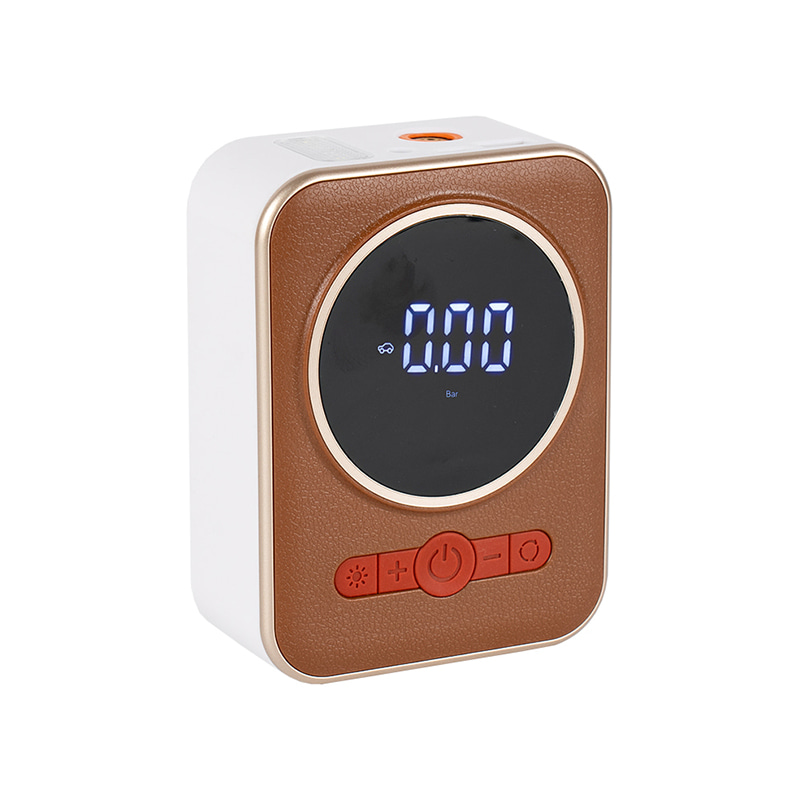
The RT-502 Mini Portable Vehicle-Mounted Air Pump is an intelligent, all-in-one device that combines precise tire pressure detection, rapid inflation, multiple inflation modes, and emergency rescue ca...
See DetailsIndustry News 2026/06/15
Learn how a portable tire inflator works, what features matter most, and how to use one safely to maintain proper tire pressure anywhere
Content
- 1 A Reliable Air Source Belongs In Every Vehicle
- 2 How These Devices Work
- 3 Key Features That Actually Matter
- 4 Choosing the Right Model For Your Needs
- 5 Step-By-Step: Inflating a Tire Correctly
- 6 Common Mistakes That Reduce Effectiveness or Cause Damage
- 7 Comparing Inflation Times Across Tire Sizes
- 8 Maintenance That Extends the Device's Life
- 9 Troubleshooting Common Problems
- 10 When a Portable Inflator Isn't Enough
- 11 References
A Reliable Air Source Belongs In Every Vehicle
A portable tire inflator is one of the most practical tools you can keep in a vehicle, garage, or camper. It's a compact air compressor, usually powered by a 12V DC outlet, a rechargeable battery, or even a small gas engine, that lets you add air to a tire wherever you happen to be. Whether you're dealing with a slow leak on the highway, seasonal pressure drops, or inflating a bike tire, sports ball, or air mattress, this single device handles it all without a trip to a gas station.
The core value is simple: properly inflated tires improve fuel efficiency by up to 3% according to the U.S. Department of Energy, extend tread life, and reduce the risk of blowouts. A portable inflator puts that control directly in your hands, on your schedule, instead of waiting for a station with a working air pump that may charge a fee or have a broken gauge.
Beyond emergencies, regular use of an inflator supports a habit that many drivers skip entirely: monthly pressure checks. Tires naturally lose roughly 1-2 PSI per month due to air permeation through the rubber, and an additional 1 PSI for every 10°F drop in outside temperature. Without a convenient tool at home, most people only think about tire pressure when a dashboard warning light appears, by which point the tire may already be significantly underinflated.
There's also a financial argument worth considering. Underinflated tires wear unevenly and tend to need replacement sooner than properly maintained ones. A tire that's consistently run at 20% below recommended pressure can lose up to 10% of its expected tread life. Over the lifetime of a vehicle, the cost of a portable inflator is often recovered many times over simply through extended tire longevity and reduced fuel consumption, making it less of a luxury item and more of a practical investment.
How These Devices Work
Most portable inflators use a small electric motor connected to a piston or diaphragm pump. When powered on, the pump draws in ambient air and forces it through a hose into the tire valve. A pressure gauge, either analog or digital, monitors the current PSI (pounds per square inch) so you know when to stop.
Power Sources
The power source you choose affects portability, runtime, and how the unit fits into your routine.
- 12V DC car outlet (cigarette lighter socket) — most common for vehicle use, draws power directly from the car battery
- Rechargeable lithium-ion battery — cordless convenience for emergencies, typically offering enough charge for 2-4 tires per full charge
- AC wall outlet — for home garage or workshop use, often paired with continuous-duty motors
- Dual-power models that combine battery and corded options for maximum flexibility
Pressure Measurement
Digital gauges typically offer accuracy within ±1 PSI, while analog dial gauges can vary by 2-4 PSI depending on quality and calibration. For everyday passenger vehicles, this difference is rarely critical, but for high-performance or commercial applications, a digital unit is worth the small price difference. Some advanced models also display temperature readings and allow unit switching between PSI, BAR, kPa, and kg/cm², which is useful for international travel or vehicles manufactured for markets that use different standards.
Internal Components Worth Understanding
Inside the housing, three parts do most of the work: the motor (which determines speed and noise), the pump cylinder (which determines air volume output), and the pressure sensor (which determines accuracy). Cheaper models often cut costs on the pressure sensor first, since it's the least visible component but the one most users rely on for safety decisions.
Single-Cylinder vs Twin-Cylinder Pumps
Entry-level inflators almost always use a single-cylinder pump, which is sufficient for passenger car tires but can take noticeably longer when inflating multiple large tires back to back. Twin-cylinder designs roughly double the airflow rate, cutting inflation time significantly, but they also draw more current, run louder, and generate more heat. For most household use, a single-cylinder unit with good thermal management is perfectly adequate; twin-cylinder models are better suited to frequent truck or trailer tire work.
Key Features That Actually Matter
Not every specification listed on a product page is equally important. Here's what genuinely affects day-to-day usability.
| Feature | Why It Matters | Typical Range |
|---|---|---|
| Inflation speed | Determines how long you wait for a flat tire | 3-8 minutes per tire (passenger car, 0 to 35 PSI) |
| Auto shut-off | Prevents overinflation by stopping at a preset PSI | Available on most mid-range and above models |
| Cord/hose length | Affects how easily you can reach all four tires | 8-12 feet combined cord and hose |
| Noise level | Important for late-night or residential use | 60-80 decibels |
| Built-in light | Helps locate the valve stem in the dark | LED, often with multiple modes |
| Weight | Affects ease of storage and one-handed use | 1.5-6 lbs depending on power source |
| Included adapters | Determines versatility beyond car tires | 2-5 nozzle types typically included |
Among these, auto shut-off is arguably the most valuable safety feature for casual users. Without it, it's easy to become distracted, glance away, and overinflate a tire past its rated maximum, which increases the risk of a blowout and causes uneven tread wear over time.
Noise level deserves more attention than it usually gets. A unit operating at 80 decibels is roughly comparable to a vacuum cleaner running close to your ear, which can be jarring if you're inflating tires early in the morning in a quiet neighborhood or a campground. Some manufacturers now advertise "quiet" models in the 60-65 decibel range, achieved through insulated housings and slower-spinning motors, though this sometimes comes at the cost of slightly longer inflation times.
Choosing the Right Model For Your Needs
The "best" inflator depends heavily on how and where you'll use it. A daily commuter has different needs than someone who drives off-road or manages a small fleet.
For Daily Commuters
A basic 12V corded model is usually sufficient. These typically cost less, weigh under 2 pounds, and can fully inflate a passenger tire from empty in about 5-7 minutes. Look for one with a digital gauge and auto shut-off so you can set it and walk away. Storage is also a consideration: compact models that fit in a glovebox or door pocket are far more likely to actually be used when needed, compared to bulkier units relegated to the trunk and forgotten.
For Off-Road and Truck Owners
Larger tires require more air volume to reach the same pressure. A unit rated for at least 1.2 CFM (cubic feet per minute) at higher pressures will handle truck and SUV tires far more comfortably than a compact unit designed for sedans. Off-road driving often involves intentionally lowering tire pressure (called "airing down") to improve traction on sand or rocky terrain, then re-inflating to road pressure before driving on pavement again. For this use case, speed and durability under repeated use matter more than compact size. Some off-road inflators also include adapters for valve stems on larger wheels and can handle pressures up to 150 PSI for specialty applications.
For Cyclists and Multi-Use Households
If you'll also use the device for bicycles, sports equipment, or inflatables, prioritize one that ships with multiple nozzle adapters, including Presta valve compatibility for bike tires, ball needles, and broad nozzle tips for air mattresses or pool toys. Bicycle tires often require much higher pressures relative to their volume, road bike tires commonly run between 80-130 PSI, so confirm the inflator's maximum output covers your specific equipment before purchasing.
For Households With Multiple Vehicles
If the inflator will serve a car, a motorcycle, and possibly a lawn mower or bicycle, a model with a wide PSI range (often 0-150 PSI) and an assortment of pre-installed adapters saves the hassle of buying separate tools for each vehicle type. A single shared unit stored in a central location, such as a garage shelf, also tends to get checked and used more consistently than one buried in a single car's trunk.
For RV and Trailer Owners
RV and trailer tires often run at much higher pressures than passenger vehicles, sometimes 80-110 PSI, and they're frequently checked far less often because the vehicle sits parked for long stretches between trips. A higher-output inflator with a built-in pressure preset is especially useful here, since reaching these pressures with an underpowered unit can take 15-20 minutes per tire and put unnecessary strain on the motor.
Step-By-Step: Inflating a Tire Correctly
Using an inflator correctly takes less than ten minutes and avoids common mistakes like overinflation or damaged valve stems.
- Park on level ground and check the tire when it's cold (driven less than a mile), since heat can raise pressure readings by 4-6 PSI.
- Locate the recommended PSI, usually printed on a sticker inside the driver's door jamb, not on the tire sidewall.
- Remove the valve cap and store it somewhere you won't lose it.
- Attach the inflator's hose firmly to the valve stem until you hear or feel it seat properly with no hissing.
- If your model has a preset function, dial in the target PSI before starting.
- Power on the inflator and monitor the gauge, checking every 30-60 seconds if there's no auto shut-off.
- Once the target pressure is reached, disconnect the hose quickly to minimize air loss.
- Replace the valve cap to keep out dirt and moisture.
- Repeat for all tires, including the spare, which is often overlooked and found flat exactly when it's needed most.
If the gauge reading seems off compared to a known reference, such as a gas station pump, double-check by reattaching the hose without adding more air. A discrepancy of more than 2-3 PSI between readings suggests the inflator's sensor may need recalibration or the connection isn't fully seated.
It also helps to check pressure before, not after, a long drive. Tires heat up during use, which raises the internal pressure reading by several PSI even though the actual amount of air hasn't changed. Adjusting pressure based on a hot reading can leave the tire underinflated once it cools back down, undoing the work entirely.
Common Mistakes That Reduce Effectiveness or Cause Damage
Even a well-designed inflator can be misused. These are the most frequent issues that lead to poor results or premature wear on the device itself.
- Running the compressor continuously for more than 10-15 minutes, which can trigger thermal overload protection on smaller motors and shorten their lifespan
- Inflating tires while warm from driving, leading to underinflation once they cool and the pressure reading drops
- Ignoring the vehicle's recommended PSI and instead using the maximum PSI printed on the tire sidewall, which is the tire's pressure limit, not the recommended driving pressure
- Leaving the inflator plugged into a 12V outlet with the vehicle off for extended periods, which can drain the battery enough to prevent the car from starting
- Storing the unit in extreme heat, such as a car trunk in summer, which can degrade battery cells in cordless models and reduce their total capacity over time
- Forgetting to check the spare tire, which can sit at low pressure for months or years without anyone noticing
- Using the wrong adapter or forcing a nozzle onto a valve stem it wasn't designed for, which can damage the valve core and cause a slow leak
- Assuming a single pressure value works for all four tires, when many vehicles specify different front and rear pressures due to weight distribution
Comparing Inflation Times Across Tire Sizes
One of the most common questions is simply how long inflation takes. The answer depends on the tire's volume, the starting pressure, the target pressure, and the inflator's CFM rating. The table below illustrates rough estimates for a mid-range portable inflator under typical conditions.
| Tire Type | Target Pressure | Estimated Time |
|---|---|---|
| Compact car tire | 32-35 PSI | 3-5 minutes |
| Sedan/SUV tire | 35-40 PSI | 5-8 minutes |
| Light truck tire | 50-65 PSI | 10-15 minutes |
| Bicycle tire (road) | 80-100 PSI | 1-2 minutes |
| Riding mower tire | 10-15 PSI | 1-2 minutes |
These figures assume the tire has a slow leak or moderate underinflation rather than being completely flat. A tire at zero PSI takes considerably longer because the inflator must first seat the tire bead against the rim before pressure begins building normally, sometimes adding several extra minutes to the process.
Ambient temperature also plays a role. In cold weather, below roughly 40°F, rubber becomes stiffer and the pump motor itself can run slightly less efficiently, sometimes adding 10-20% to the times listed above. This is worth keeping in mind for anyone relying on a portable inflator during winter roadside emergencies.
Maintenance That Extends the Device's Life
A well-maintained inflator can last for years of occasional use. Basic care goes a long way toward avoiding mid-emergency failures.
Keep It Clean and Dry
Dust and road grime can clog the air intake filter, reducing airflow over time and forcing the motor to work harder than necessary. Wiping down the unit after roadside use and occasionally clearing the intake vent with compressed air or a soft brush keeps it running efficiently. Moisture is equally important to avoid: storing a damp inflator in a sealed case can lead to internal corrosion on metal contacts and connectors.
Battery Care for Cordless Models
Lithium-ion batteries degrade faster when stored fully discharged or fully charged for long periods. Keeping a cordless inflator's battery around 40-60% charge during long-term storage helps preserve capacity. If the unit will sit unused for months, it's worth checking and topping up the charge every few weeks rather than leaving it completely depleted, since deep discharge can permanently reduce a battery's maximum capacity by 10-20% over repeated cycles.
Hose and Connector Inspection
Check the hose periodically for cracks near the connection points, where flexing causes the most wear. A damaged hose can leak air and significantly slow inflation, even if the motor itself is working fine. The valve connector, whether it's a screw-on chuck or a clip-on style, should also be inspected for worn threads or a loose rubber seal, both of which cause air to escape during use rather than entering the tire.
Storage Recommendations
A dedicated storage bag or hard case protects the unit from scratches and keeps the cord and adapters organized, preventing the small parts that are easy to lose, like nozzle adapters, from getting separated and rendering certain functions unusable. Storing the inflator in a glovebox, center console, or under a seat keeps it accessible without exposing it to trunk temperature extremes, which can be 20-30°F higher than the passenger cabin on hot days.
Troubleshooting Common Problems
Most issues with portable inflators fall into a small number of categories, and many can be resolved without replacing the unit.
Inflator Turns On But Doesn't Build Pressure
This almost always points to a poor connection at the valve stem. Reattach the hose, making sure it's pushed on fully and locked if it has a lever-style chuck. If the connection feels secure but pressure still isn't building, check the hose itself for a split, particularly near where it joins the main housing.
Pressure Reading Doesn't Match Expectations
A gauge reading that's consistently a few PSI off from a separate reference gauge may simply need recalibration, which some digital models allow through a zeroing function. If the reading fluctuates wildly rather than settling, the sensor itself may be failing.
Unit Shuts Off Unexpectedly
Many inflators include thermal protection that shuts the motor down if it overheats during extended use. Letting the unit cool for 15-20 minutes before resuming usually resolves this. If shutoffs happen quickly even on short use, and the unit feels unusually hot, the motor may be wearing out.
Cordless Model Won't Hold a Charge
A noticeable drop in runtime, going from inflating four tires on a charge to barely managing one, typically signals battery degradation rather than a motor issue. This is a normal part of lithium-ion battery aging and, on models with replaceable batteries, can often be addressed without replacing the entire unit.
When a Portable Inflator Isn't Enough
While these devices solve the vast majority of pressure-related issues, they aren't a substitute for proper tire repair. If a tire loses pressure rapidly or won't hold air at all after inflation, that typically indicates a puncture, a damaged valve stem, or a bead leak that requires a patch, plug, or professional inspection.
A portable inflator paired with a basic tire repair kit covers most roadside scenarios, allowing you to temporarily seal a small puncture and then add air to get to a repair shop safely. Relying on repeated inflation alone for a leaking tire is a short-term fix and should not replace addressing the underlying damage. As a general guideline, if a tire loses more than 2 PSI within 24 hours without an obvious cause like temperature change, it's worth having it inspected for a slow puncture.
It's also worth noting that an inflator cannot fix structural tire damage. Sidewall bulges, exposed cords, or cracking in the rubber are signs that a tire needs replacement regardless of how well it currently holds air, and continuing to inflate a structurally compromised tire poses a genuine safety risk.
References
- U.S. Department of Energy, Fuel Economy Tips for Tire Maintenance
- U.S. National Highway Traffic Safety Administration, Tire Safety Guidelines
- Tire and Rim Association, Standard Pressure and Load Tables
- Rubber Manufacturers Association, Tire Care and Safety Guide
Let's Talk
Keep in touch with us
Related products
-
-
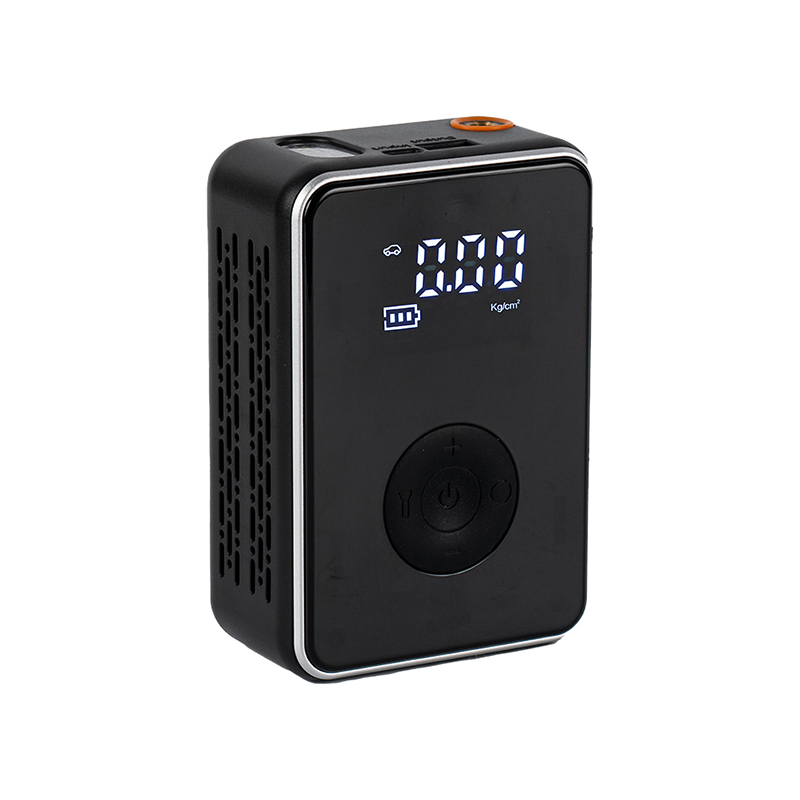
The RT-601 Mini Air Compressor is a highly efficient, multi-functional portable air pump and tire inflator designed for vehicle use. Equipped with an 18650 lithium-ion battery—available in various cap...
See Details -
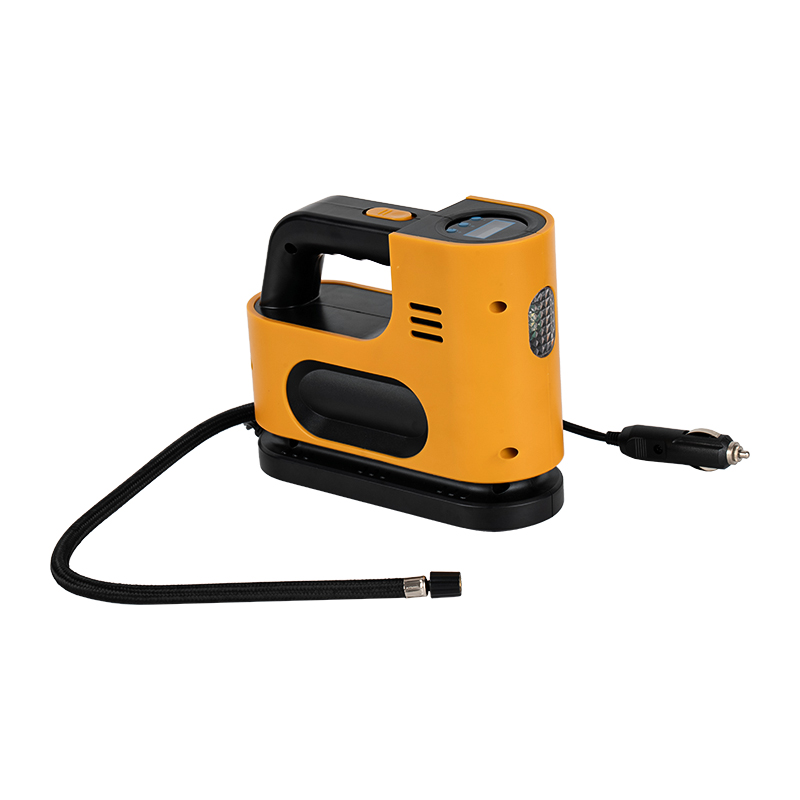
The RT-828 DC Tire Inflator Pump 12V with LED light features a real-time tire pressure display, allowing drivers to monitor tire pressure at any time and ensure it remains within safe limits. Operatin...
See Details -
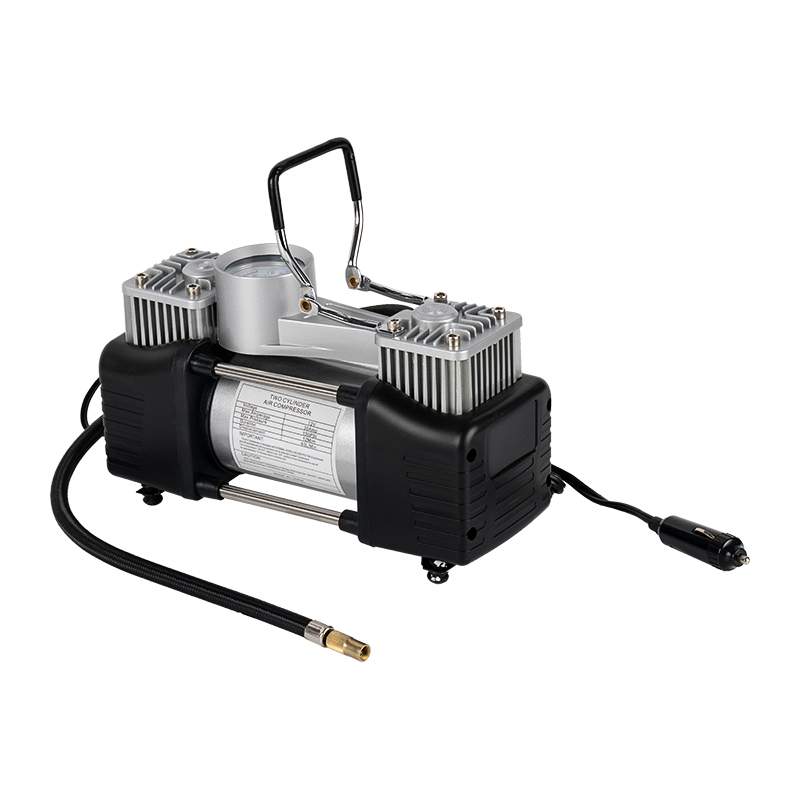
The RT-827 12V Two Cylinders 30mm DC Tire Inflator Pump With Pressure Meter features a dual-cylinder design, providing stronger inflation capacity compared to single-cylinder air pumps. It is equipped...
See Details -
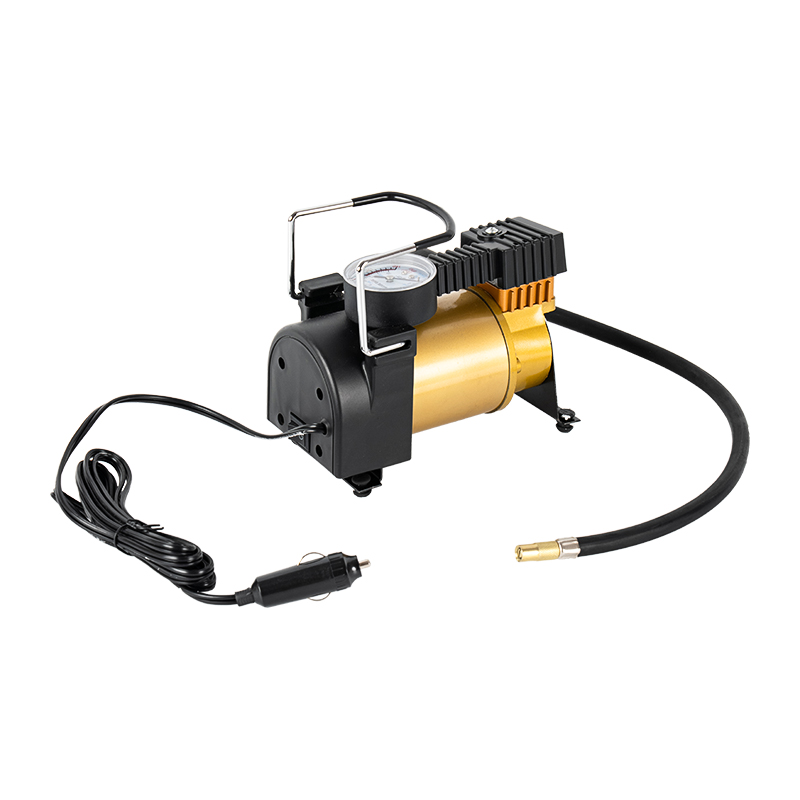
The RT-823 Single-Cylinder 12V DC Tire Inflator Pump with Pressure Meter displays real-time tire pressure, ensuring drivers can monitor tire pressure at any time and avoid safety risks caused by under...
See Details -
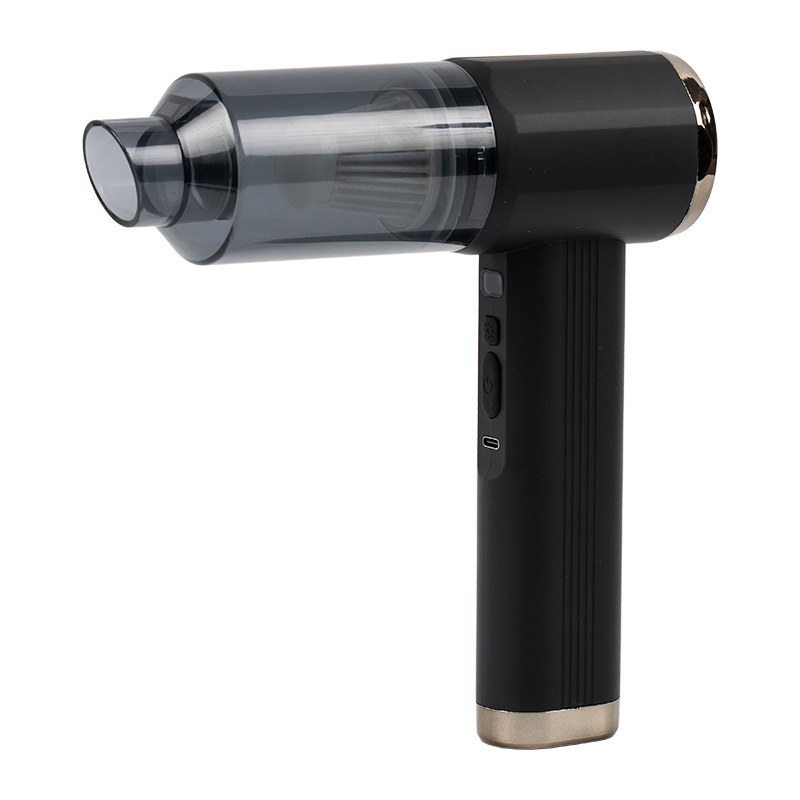
The RT-808 Portable Car Vacuum Cleaner features a brushless motor, a digital display, and an integrated dust-detection light. Powered by a 18650 lithium-ion battery pack—available in 2,000mAh x 3 or 2...
See Details
News
-
Selecting the correct pneumatic equipment for vehicle maintenance, outdoor recreation, or industrial servicing requires ...
READ MORE -
Car tire inflators are core accessories for automotive emergency and maintenance. With the increasing number of vehicle...
READ MORE -
Auto tool sets are widely used in household emergency, 4S stores and other scenarios. In recent years, driven by the po...
READ MORE -
You open the back door after a short drive, and your dog jumps out leaving a layer of fur across the rear seat. You rea...
READ MORE -
Ningbo Rongteng Auto Accessories Co., Ltd. will participate in two major international trade exhibitions in the second h...
READ MORE -
A portable tire inflator is a compact, self-contained air pump designed to inflate vehicle tires, bicycle tires, motorcy...
READ MORE
Message Us Right Now!
Get Connected
 Whatsapp
 Wechat
Copyright © Ningbo Rongteng Auto Accessories Co.,Ltd. All rights reserved.
 Custom Vehicle Tire Inflators Manufacturers