English
 русский
 Español
The RT-809 Portable car vacuum cleaner HEPA wireless strong suction features a compact profile and exquisite design, delivering a highly efficient cleaning experience. Powered by 18650 lithium-ion bat...
See DetailsIndustry News 2026/06/29
Which Car Vacuum Cleaner Should You Buy for a Spotless Interior?
Content
- 1 Why You Need a Car Vacuum Cleaner (Not Just a Household Vacuum)
- 2 Types of Car Vacuum Cleaners
- 3 Key Features to Look for in a Car Vacuum Cleaner
- 4 Top Attachments and How to Use Them
- 5 Corded vs. Cordless: Which One Is Right for You?
- 6 How to Clean Your Car Like a Pro with a Vacuum Cleaner
- 7 Maintenance Tips for Your Car Vacuum Cleaner
- 8 Common Mistakes When Buying a Car Vacuum Cleaner
- 9 Top Brands and Recommendations
- 10 Budget Considerations and Value for Money
- 11 Environmental Impact and Sustainability
- 12 Frequently Asked Questions (FAQ)
Whether you are a daily commuter, a parent shuttling kids, or a weekend road-tripper, your car's interior takes a beating. Crumbs, dust, pet hair, sand, and dirt accumulate quickly, turning your vehicle into a magnet for allergens and unpleasant odors. The solution? A dedicated car vacuum cleaner. But with dozens of models on the market – from compact handhelds to powerful wet/dry shop vacs – choosing the right one can be confusing. Do you need cordless convenience or corded power? What attachments are essential for reaching those tight crevices? And how much suction is enough? This comprehensive guide answers all your questions, helping you select the ideal car vacuum cleaner for your needs, budget, and cleaning habits. By the end, you will know exactly what to look for and how to keep your car showroom-fresh.
Why You Need a Car Vacuum Cleaner (Not Just a Household Vacuum)
Many people assume they can use their home vacuum cleaner to clean the car. While it might work in a pinch, there are several compelling reasons to invest in a dedicated car vacuum cleaner.
Compact and lightweight: Car interiors have tight spaces between seats, under pedals, and in cup holders. A bulky household vacuum is cumbersome and may not reach these areas. Car vacuums are designed to be slim and portable, allowing you to maneuver easily.
Specialized attachments: Car vacuums come with crevice tools, brush heads, and upholstery nozzles that are specifically tailored for automotive surfaces – from delicate dashboard plastics to durable floor mats and fabric seats.
Portability: A car vacuum is easy to store in your trunk or garage and can be used anywhere, not just near a power outlet (if cordless).
Dedicated filtration: Car vacuums often feature HEPA or washable filters that trap fine dust and allergens, improving the air quality inside your vehicle.
Power source flexibility: Many car vacuums can be powered directly from the 12V cigarette lighter socket, making them always ready for quick cleanups without needing an extension cord.
Types of Car Vacuum Cleaners
Car vacuums come in several configurations, each with its own set of advantages and limitations. Understanding the differences is the first step in making the right choice.
Corded Car Vacuums (12V / 120V)
Corded car vacuums plug into your vehicle's 12V DC outlet (cigarette lighter) or a standard 120V household outlet. The 12V models are convenient because they are always with you in the car. They are generally less powerful than household plug-in vacuums but sufficient for light to medium cleaning. Some corded models are wet/dry, capable of picking up spilled liquids. The main drawback is the limited range imposed by the cord, and they may draw significant power from your car's battery (so run the engine during use).
Cordless (Battery-Powered) Car Vacuums
These have built-in rechargeable batteries (usually lithium-ion) and offer the ultimate freedom of movement. You can clean any part of the car without dealing with cords. Modern cordless vacuums have improved significantly in suction power and battery life, with some running up to 30-60 minutes on a single charge. However, they are generally more expensive than corded models, and batteries degrade over time. Look for models with quick-charge capabilities and replaceable batteries for longevity.
Wet/Dry Car Vacuums
Wet/dry vacuums are designed to handle both dry debris and liquid spills. They are invaluable for parents (who deal with spilled drinks), pet owners (accidents), and anyone who often eats or drinks in the car. Many wet/dry models also function as blowers for cleaning out vents and hard-to-reach areas. They tend to be bulkier and heavier but offer the greatest versatility.
Handheld vs. Stick vs. Canister
- Handheld: Compact, lightweight, ideal for quick spot cleaning and small messes. They are the most portable but often have smaller dust bins and shorter battery life.
- Stick: Longer reach, easier for cleaning floor mats and larger areas without bending. They often convert to handheld mode.
- Canister: Separate motor unit with a long hose – powerful and large capacity, suitable for heavy-duty cleaning but less convenient for storage.
Car Vacuum Cleaners with Built-in Compressor
Some premium models combine a vacuum with an air compressor, allowing you to also inflate tires, air mattresses, or sports equipment. These are great for road trips and emergencies.
Key Features to Look for in a Car Vacuum Cleaner
When shopping for a car vacuum cleaner, consider these essential specifications and features.
Suction power (air watts or Pa): Measured in air watts (AW) or pascals (Pa), higher suction means better dirt pickup. For general car cleaning, aim for at least 50 AW or 5000 Pa. Premium cordless models can exceed 100 AW, while 12V corded units typically range from 15-30 AW – adequate for dust and crumbs but may struggle with heavy sand or pet hair.
Dustbin capacity: Larger bins mean less frequent emptying. For handhelds, 0.5-1 liter is typical; for stick or canister models, 1-2 liters is better. Some have washable filters and easy-empty mechanisms.
Filtration system: HEPA filters trap allergens and fine particles, important for allergy sufferers. Washable foam and felt filters are common and cost-effective.
Attachments and tools: Essential accessories include a crevice tool (for gaps between seats and along edges), a brush tool (for upholstery and carpet), a mini turbo brush (for pet hair), and a flexible hose for awkward angles. Some kits include extension wands for reaching the back of the vehicle.
Power source: Decide between corded (12V or 120V) and cordless. Cordless offers convenience but requires charging. If you often clean at home, a 120V corded vacuum provides more consistent suction.
Cord length (for corded): For 12V models, cord length of 15-20 feet is typical; longer is better to reach all seats. For 120V household vacuums, a long cord is essential to avoid extension cords.
Noise level: Some vacuums are louder than others. Check decibel ratings if noise is a concern, especially if you clean in residential areas early in the morning.
Weight and ergonomics: A heavy vacuum can strain your wrist and arm. Hold the unit if possible to gauge comfort. Lightweight handhelds (under 3 lbs) are easier to maneuver.
Battery life (for cordless): Look for at least 20-30 minutes of run time on a single charge. Some offer a second battery for extended sessions.
Charging time: Faster charging (2-3 hours) means less downtime. Models with USB-C charging are becoming common.
Warranty and brand reputation: Established brands (Black+Decker, Shark, Dyson, Milwaukee, Metabo, etc.) often provide better quality and after-sales support.
Top Attachments and How to Use Them
Having the right attachments transforms a basic car vacuum into a detailed cleaning tool. Here is what each attachment does.
Crevice tool: A long, narrow nozzle that reaches between seats, under the center console, and along the edges of the door panels. Essential for removing debris trapped in tight spaces.
Brush tool (dusting brush): Soft bristles that gently agitate dust and dirt from dashboard, air vents, and delicate surfaces without scratching.
Upholstery nozzle: A wider, flat nozzle for cleaning fabric seats, carpets, and floor mats. It provides even suction across a larger area.
Turbo brush (pet hair tool): A motorized brush roll that agitates and lifts stubborn pet hair and embedded dirt from upholstery and carpet. Highly recommended for pet owners.
Flexible hose extension: Allows you to reach the far corners of the trunk or behind rear seats without straining.
Crevice tool with a rubber lip: Some crevice tools have a rubber edge that helps scrape dirt off surfaces while vacuuming.
Corded vs. Cordless: Which One Is Right for You?
This is the most common dilemma. Let's break down the pros and cons.
Corded (12V):
Pros: Always ready (no charging), unlimited run time, generally lower cost, compact storage in car. Cons: Limited power, requires engine running to avoid battery drain, cord restricts movement.
Corded (120V household):
Pros: Strong suction, large capacity, often wet/dry capability. Cons: Requires access to power outlet, bulkier, less portable.
Cordless (battery):
Pros: Freedom of movement, no cords to untangle, easy to use anywhere. Cons: Limited run time, batteries degrade, higher cost, need to remember to charge.
If you have a garage with power outlets and don't mind the cord, a 120V wet/dry vacuum is the most powerful and versatile. For quick cleanups on the go, a 12V corded or cordless handheld is ideal. Many owners have both: a portable unit for everyday spills and a powerful canister for deep cleans.
How to Clean Your Car Like a Pro with a Vacuum Cleaner
Having the right vacuum is only half the battle. Follow this step-by-step method for a thorough clean.
Step 1: Remove all large trash and debris (bottles, wrappers, etc.) by hand.
Step 2: Take out floor mats and shake them vigorously to remove loose dirt. Vacuum them separately with a brush attachment.
Step 3: Use a brush tool on the dashboard, center console, and door panels to loosen dust, then vacuum it away.
Step 4: Use the crevice tool to clean along the edges of the seats, under the seats, between the seat and center console, and around the pedals.
Step 5: Vacuum the seats using the upholstery nozzle. For fabric seats, go over them in multiple directions to lift embedded dirt. For leather, use a soft brush to avoid scratching.
Step 6: Clean the trunk area, including the spare tire well and side pockets.
Step 7: For pet hair, use a turbo brush or a rubber squeegee tool to pull up the hair before vacuuming.
Step 8: Once vacuuming is complete, wipe down surfaces with a suitable interior cleaner for a polished finish.
Maintenance Tips for Your Car Vacuum Cleaner
To ensure your vacuum lasts, follow these maintenance practices.
- Empty the dustbin after each use to prevent clogs and maintain suction.
- Wash filters regularly according to the manufacturer's instructions (usually every 1-2 months). Let them dry completely before reinserting.
- Check for blockages in the hose or nozzle; use a long, flexible rod to clear them.
- For cordless models, avoid leaving the battery completely discharged for long periods. Store in a cool, dry place.
- Keep the exterior clean by wiping with a damp cloth.
Common Mistakes When Buying a Car Vacuum Cleaner
Avoid these pitfalls to ensure satisfaction.
- Choosing based on price alone: The cheapest models often have weak suction and poor build quality. Invest in a mid-range unit from a reputable brand.
- Ignoring attachments: A vacuum without a crevice tool is nearly useless for car interiors. Ensure the kit includes essential accessories.
- Overlooking cord length: For corded models, measure your car's length to ensure the cord can reach all seats and the trunk.
- Buying a unit that is too heavy: Consider ergonomics, especially if you have arthritis or limited strength.
- Not considering wet/dry capability: If you have kids or often carry drinks, a wet/dry vacuum is a lifesaver.
Top Brands and Recommendations
Several brands dominate the car vacuum market. Here is a quick overview.
Black+Decker: Known for affordable, reliable handheld cordless vacuums with good suction and versatile attachments. The Dustbuster series is a classic.
Shark: Offers cordless stick vacuums that convert to handheld, with powerful suction and anti-tangle brush rolls for pet hair.
Dyson: Premium cordless models with cyclone technology, excellent filtration, and high suction, but at a higher price point.
Milwaukee, Metabo, and other professional tool brands: Produce heavy-duty cordless vacuums with interchangeable batteries, ideal for workshops and frequent use.
Armor All, Shop-Vac: Popular for 12V corded and wet/dry canister vacuums, respectively. Shop-Vac is a trusted name for robust wet/dry units.
VacLife, Fanttik: Emerging brands offering budget-friendly, well-designed cordless vacuums with good reviews.
Budget Considerations and Value for Money
Car vacuums range from under $20 to over $200. Here is what you get at each tier.
Under $30: Basic 12V corded or low-powered handheld. Suitable for light dust and crumbs but limited suction and attachments.
$30-$60: Better 12V models with more attachments, or entry-level cordless units with acceptable battery life. Good for occasional users.
$60-$100: Mid-range cordless with 20+ minutes of runtime, good suction, HEPA filters, and multiple tools. The sweet spot for most consumers.
$100-$150: Premium cordless with powerful suction (70+ AW), long battery, and advanced features like motorized brush heads. Great for pet owners and those who clean frequently.
$150+: Professional-grade cordless (e.g., Dyson) or robust wet/dry canisters. Best for heavy-duty use and those who demand the best.
Environmental Impact and Sustainability
Consider the environmental footprint of your car vacuum. Cordless models with replaceable batteries reduce e-waste by allowing battery replacement rather than discarding the whole unit. Some brands offer recycled materials in construction. Choosing a durable product that lasts many years reduces the need for frequent replacements. Additionally, keeping your car clean reduces the need for harsh chemical cleaners, benefiting both your health and the environment.
Frequently Asked Questions (FAQ)
Can I use a regular household vacuum for my car? Yes, but it may be bulky and less maneuverable. You also risk scratching interior surfaces with large nozzles. A dedicated car vacuum is more convenient and effective.
How often should I vacuum my car? Ideally weekly to prevent dirt buildup and allergens. If you have children or pets, twice a week may be necessary.
Are car vacuums safe for leather seats? Yes, but use a soft brush attachment to avoid scratching. For leather, it is best to wipe with a damp cloth after vacuuming.
Can I use a car vacuum to clean my car's engine bay? Yes, but only on a cool engine. Use appropriate attachments and be careful around electrical components. A wet/dry vacuum with a blower function is useful for this.
How do I vacuum under the seats? Slide the front seats all the way forward or backward to expose the area. Use a crevice tool with a flexible hose to reach underneath.
What is the difference between a car vacuum and a shop vac? A shop vac is a heavy-duty wet/dry vacuum used for workshops and garages. It is larger and more powerful but may be overkill for routine car cleaning. Shop vacs can be used in cars with the right attachments.
Can cordless car vacuums pick up sand and gravel? Yes, if they have sufficient suction power. However, very large gravel pieces may be too heavy – remove them manually first.
Do car vacuums come with a warranty? Yes, most reputable brands offer 1-2 years warranty on the unit and batteries (separate). Check the terms.
Is it better to have a corded or cordless car vacuum? It depends on your usage. Cordless for convenience and quick cleanups; corded (120V) for maximum suction and longer sessions. Many users prefer cordless for daily maintenance.
Can I use my car vacuum for my house? Some cordless models are versatile enough for small household tasks like dusting shelves or cleaning upholstery, but they are not a replacement for a full-size home vacuum.
What is the average battery life of a cordless car vacuum? Most range from 15 to 45 minutes on a single charge. Higher-end models may offer 50+ minutes on eco mode.
How do I clean the filter of my car vacuum? Remove the filter and tap it to remove loose dust. Wash with water and mild soap if washable, then air dry completely before reinstalling.
Are there car vacuums with HEPA filters? Yes, many models feature HEPA or similar high-efficiency filters, which are especially beneficial for allergy sufferers.
Can I vacuum liquids with my car vacuum? Only if it is a wet/dry model. Using a standard dry vacuum on liquids can damage the motor and pose a safety risk.
What is the ideal weight for a handheld car vacuum? Under 3 pounds (1.4 kg) is comfortable for extended use. Heavier units may cause fatigue.
Final recommendation: A car vacuum cleaner is an essential tool for maintaining a clean, healthy, and enjoyable driving environment. Assess your cleaning habits, budget, and the types of messes you encounter to choose between corded and cordless, wet/dry or dry-only, and handheld or stick. Prioritize suction power, attachments, and battery life (if cordless). With the right vacuum, you can keep your car looking and smelling fresh with minimal effort. Regular vacuuming not only enhances your driving experience but also preserves your vehicle's resale value.
Let's Talk
Keep in touch with us
Related products
-
-
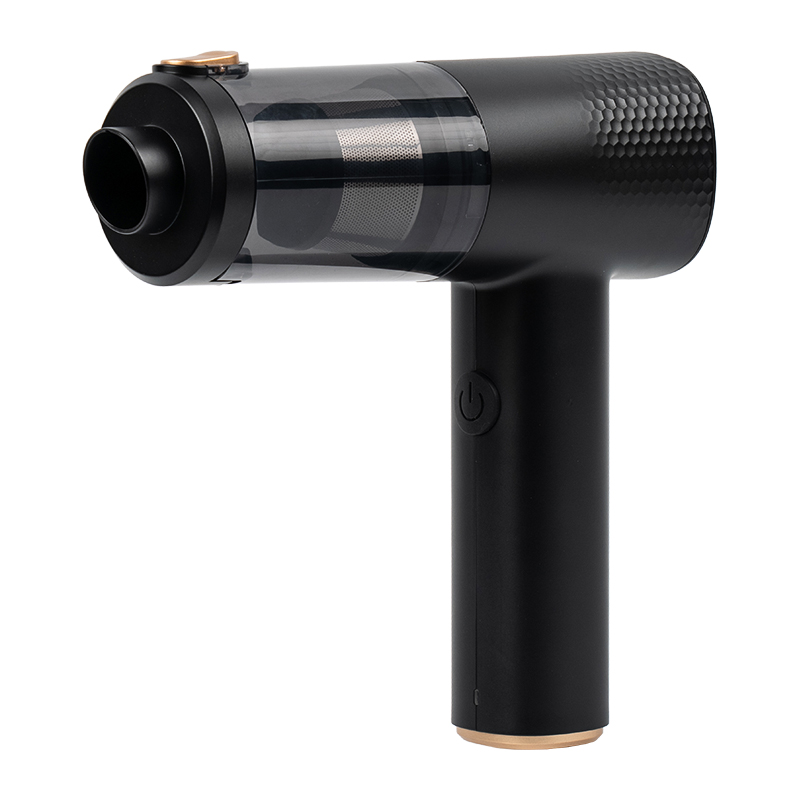
RT-806 7.4V 12600Pa Wet & Dry Car Air Vacuum Cleaner With Li-Ion Battery equipped with 18650 lithium-ion batteries (available in 1,800mAh x 2 or 2,000mAh x 2 configurations), the RT-806 operates a...
See Details -
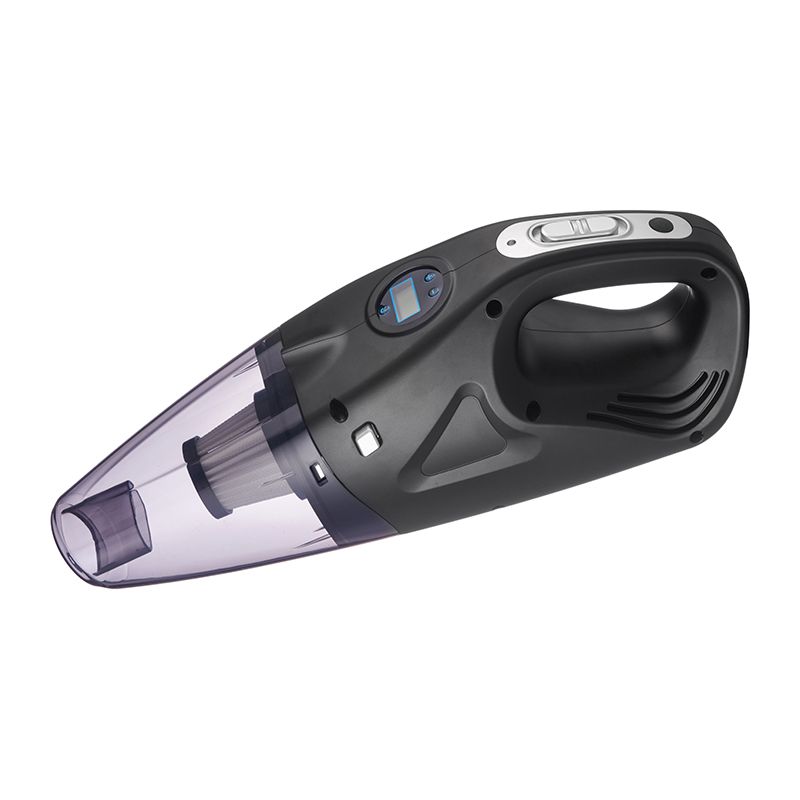
The RT-8822-S 4-in-1 Vehicle-Mounted Vacuum Cleaner—available in both cordless and corded versions—is powered by an 18650 lithium-ion battery (offering various capacity options) and operates at a 12V ...
See Details -
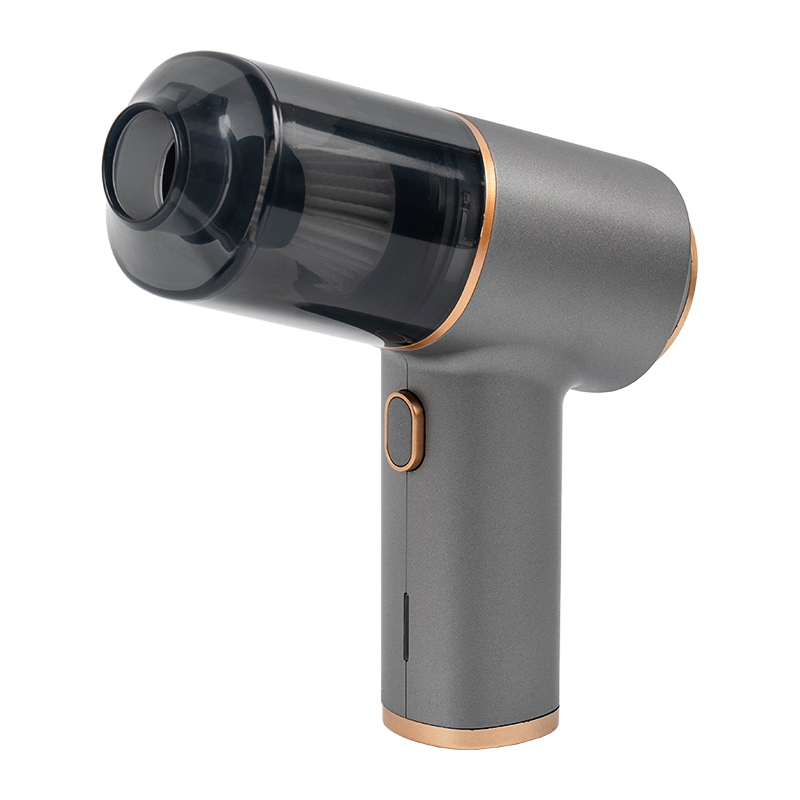
RT-8822 Mini 7.4V Handhold car portable vacuum cleaner powered by an 18650 lithium-ion battery—available in various capacity options—this unit operates at a 7.4V working voltage, ensuring stable and ...
See Details -
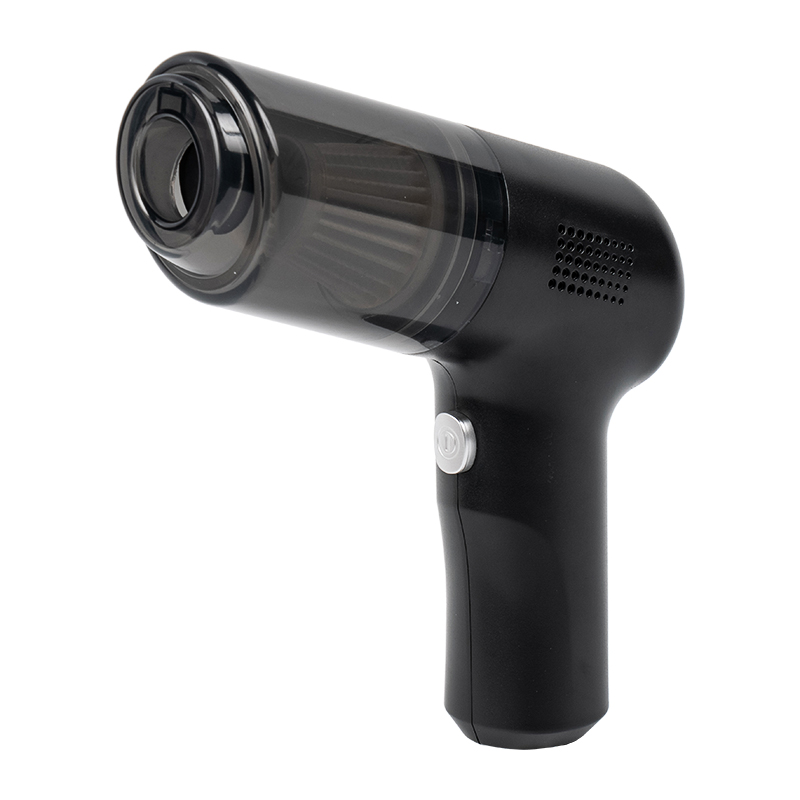
The RT-8821 Mini Vacuum Cleaner is a versatile, multi-purpose device offering both wired and wireless operation options. Featuring a lightweight and compact design, it is suitable for a wide variety o...
See Details -
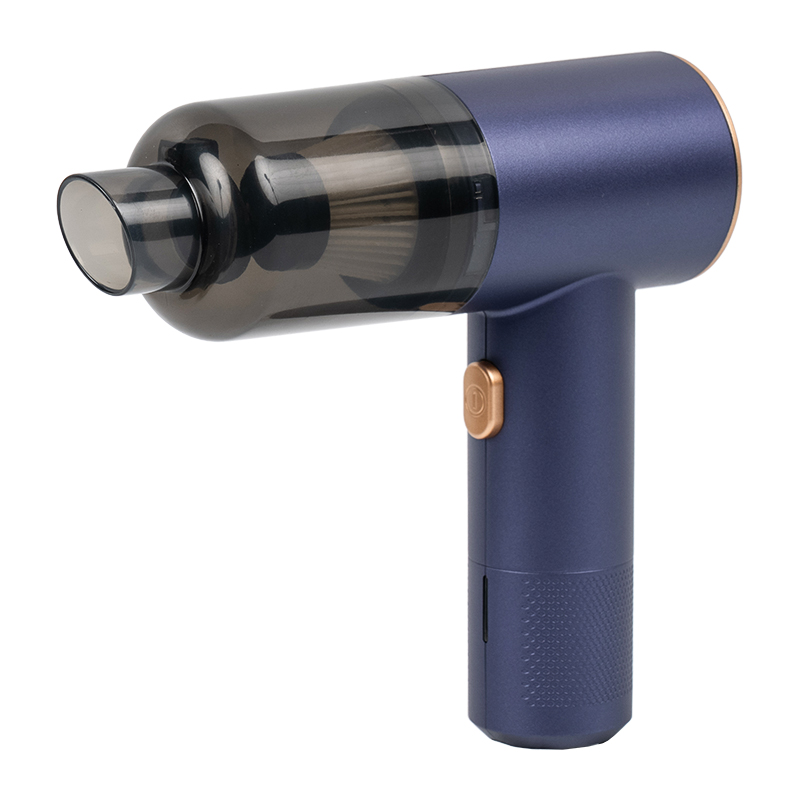
The RT-801 7.4V Wireless Car Vacuum Cleaner features a 7.4V wireless lithium battery design with multiple built-in battery options, ensuring stable battery life and meeting daily car interior cleaning...
See Details
News
-
Car vacuum cleaners are essential tools for in-car cleaning. With the improvement of users' requirements for in-car env...
READ MORE -
You just vacuumed the car, and the same handheld unit is sitting next to your sofa with a few crumbs scattered around. ...
READ MORE -
You open the rear door and see the evidence: crushed cereal under the child seat, fine sand worked into the carpet, dog...
READ MORE -
You open the back door after a short drive, and your dog jumps out leaving a layer of fur across the rear seat. You rea...
READ MORE -
The short answer: a good suction power for a car vacuum cleaner starts at 6,000 Pa (6 kPa) for a cordless handheld mode...
READ MORE -
Which Best Tyre Inflator to Buy and Why The best tyre inflator for most car owners is a cordless digital portable tire ...
READ MORE
Message Us Right Now!
Get Connected
 Whatsapp
 Wechat
Copyright © Ningbo Rongteng Auto Accessories Co.,Ltd. All rights reserved.
 Custom Vehicle Tire Inflators Manufacturers