English
 русский
 Español
The RT-502 Mini Portable Vehicle-Mounted Air Pump is an intelligent, all-in-one device that combines precise tire pressure detection, rapid inflation, multiple inflation modes, and emergency rescue ca...
See DetailsIndustry News 2026/07/06
What Is a Portable Tire Inflator and Why Does Every Driver Need One in 2026?
Content
- 1 What Is a Portable Tire Inflator and How Does It Work?
- 2 Why You Need a Portable Tire Inflator: Beyond Emergency Situations
- 3 Portable Tire Inflator vs Gas Station Air: Which Is Better?
- 4 Types of Portable Tire Inflators: Choosing Your Power Source
- 5 What to Look for in a Portable Tire Inflator: Key Features and Specifications
- 6 How to Use a Portable Tire Inflator: Step-by-Step Guide
- 7 Portable Tire Inflator Maintenance Tips
- 8 Common Mistakes to Avoid When Using a Portable Tire Inflator
- 9 Frequently Asked Questions About Portable Tire Inflators
- 9.1 What is a portable tire inflator?
- 9.2 What is the difference between a tire inflator and an air compressor?
- 9.3 How long does it take to inflate a tire with a portable tire inflator?
- 9.4 Can a portable tire inflator inflate truck and SUV tires?
- 9.5 What PSI should a portable tire inflator have?
- 9.6 Are cordless tire inflators any good?
- 9.7 How long does a portable tire inflator battery last?
- 9.8 Can I use a portable tire inflator for bicycle tires?
- 9.9 What is auto shut-off on a tire inflator?
- 9.10 How much does a portable tire inflator cost?
- 9.11 Do portable tire inflators work with run-flat tires?
- 9.12 Can a portable tire inflator be used to inflate sports balls?
- 9.13 Is it safe to leave a portable tire inflator in the car?
- 9.14 How do I know if my tire pressure is correct?
- 9.15 What is the best portable tire inflator brand?
A portable tire inflator is a compact, self-contained air pump designed to inflate vehicle tires, bicycle tires, motorcycle tires, sports balls, and other inflatables without requiring a visit to a gas station or service center. These devices have evolved dramatically in recent years, transitioning from bulky, slow, cord-dependent units to sleek, battery-powered tools that can fit in a glove box and inflate a standard car tire in under two minutes.
Imagine this: you are on a road trip on a remote highway. Your car's TPMS displays a low tire pressure warning. You stop and check the tire, and it seems to have a slow leak. To make matters worse, you are driving a newer car that didn't include a spare tire. Without pressurized air, you are stuck in the middle of nowhere with no gas stations for miles. That is why you need a portable tire inflator.
Today's portable tire inflators are lightweight, affordable, and packed with features that make them indispensable for any driver. Keeping the best portable tire inflator in your car emergency kit is a decision rooted in both convenience and caution. No more having to pay a few cents or wait in a line of cars to fill up your tires with air at a gas station. The low tire pressure warning on your dashboard can be easily erased within minutes of lighting up, even if you are on the side of the road, miles from your garage.
This comprehensive guide explores everything you need to know about portable tire inflators—from how they work and the different power sources available, to the features that matter most and how to choose the right one for your vehicle.
What Is a Portable Tire Inflator and How Does It Work?
A portable tire inflator uses an electric motor to power a piston. This piston forces ambient air through a nozzle, which connects to your tire via a non-return valve. The device draws power either from your vehicle's 12-volt outlet, a rechargeable battery, or a standard wall outlet. Once connected to the tire valve and turned on, the inflator pumps air until the tire reaches the desired pressure—or until the device's automatic shut-off feature activates at a preset PSI level.
Unlike traditional air compressors that include a reservoir tank to store compressed air, tire inflators do not have a tank. This makes them significantly more compact and portable, but also means they may take longer to fully inflate a tire compared to a shop-grade compressor.
Key Components of a Portable Tire Inflator
Modern portable tire inflators typically include the following components:
Digital Pressure Gauge: Most quality inflators feature a digital display that shows real-time tire pressure in PSI, BAR, or KPA. Digital gauges are generally more accurate than analog ones, with some models offering ±1 PSI accuracy.
Automatic Shut-Off: This feature allows you to set a desired pressure, turn on the inflator, and walk away. The device will automatically stop once the preset pressure is reached, preventing overinflation.
Built-in LED Light: Almost all portable air pumps come with a built-in flashlight, which is invaluable for nighttime emergencies or low-light conditions.
Multiple Nozzle Adapters: Quality inflators include various adapters for inflating sports balls, bicycle tires, air mattresses, and other inflatables.
Why You Need a Portable Tire Inflator: Beyond Emergency Situations
Most drivers don't think about tire pressure until something goes wrong. But maintaining the right PSI in your tires offers significant benefits:
Improved Fuel Efficiency: Properly inflated tires can improve fuel efficiency by up to 3%. Under-inflated tires create more rolling resistance, forcing your engine to work harder and consume more fuel.
Extended Tire Life: Maintaining correct tire pressure significantly extends tire life. Under-inflated tires wear unevenly and prematurely, costing you money in early replacements.
Better Vehicle Handling: Properly inflated tires keep your vehicle handling predictably and safely. Over-inflated tires reduce traction, while under-inflated tires increase stopping distances and reduce cornering stability.
Reduced Blowout Risk: Maintaining correct tire pressure reduces the risk of blowouts on highways. Under-inflated tires generate excessive heat, which can lead to catastrophic tire failure at high speeds.
Beyond these everyday benefits, a portable tire inflator is invaluable for off-road enthusiasts who deflate their tires for better traction on sand or dirt and need to reinflate them when returning to pavement. It is also essential for cyclists and motorcyclists who need to top up their tires regularly.
Portable Tire Inflator vs Gas Station Air: Which Is Better?
A portable tire inflator offers the promise of convenience, accuracy, and independence. Gas stations offer routine familiarity. Here is how they compare:
Accuracy: Portable inflators tend to be more precise because they rely on digital sensors and auto cut-off systems. Gas station air pumps often lack regular calibration, leading to inconsistent readings.
Convenience: A portable tire inflator is always with you, ready to use whenever and wherever you need it. Gas station air pumps require you to find a station, often pay for air, and hope the pump is working.
Cost: While a portable tire inflator has an upfront cost, it eventually pays for itself by eliminating the need to pay for air at gas stations. For frequent drivers or multi-car households, the savings add up quickly.
Time: Gas station air pumps can inflate tires quickly, which is especially useful during emergencies. However, portable inflators have become much faster in recent years, with many models now capable of inflating a standard car tire in under five minutes.
For the average driver, a portable tire inflator is the undisputed winner. It is affordable, portable, and powerful enough for 95% of tire-related needs.
Types of Portable Tire Inflators: Choosing Your Power Source
Portable tire inflators generally come in three types, classified by their power source. Each has its advantages and disadvantages.
12-Volt Corded Inflators (Plug-In)
These plug into your car's cigarette lighter or 12V power outlet. They are reliable, affordable, and don't need charging. The downside is that you need your car running nearby.
Twelve-volt plug-in compressors cost around $25–$60, store neatly in a vehicle, and often pay for themselves quickly. They are always ready to inflate a tire, unless you also have a dead car battery. Portable tire inflators powered by 12 volts can be just as fast as those that use 18-volt batteries but have the disadvantage of being tethered to a car's battery or 12-volt outlet.
These inflators are ideal for drivers who want a reliable, no-maintenance solution that is always ready when needed.
Cordless Battery-Powered Inflators
The best battery-powered car tire inflator options give you complete freedom with no cords and no car needed. They are great for motorcycles, bicycles, and emergency use away from your vehicle.
Cordless inflators are powered by built-in rechargeable batteries. They can be used anywhere and, in terms of efficiency, are similar to the 12-volt corded units. Some models feature USB-C charging, making them easy to recharge from a laptop, power bank, or wall adapter.
However, cordless inflators have limitations. They need to be recharged regularly, and a tire inflator won't do you any good if the battery is dead. You will need to be diligent about regularly checking the battery's state of charge if you plan to keep the device in your vehicle for emergencies. Battery life varies significantly between models, with some capable of approximately eight top-ups or two full inflations on a single charge.
Some cordless inflators use 18-volt or 20-volt power tool batteries, providing the most power for the fastest inflation. However, unless you already own other power tools and have the battery and its charger, these are extra-cost options. Other models use built-in lithium-ion batteries that are charged via USB-C.
110-Volt AC Inflators
These tend to fill tires more quickly than the other two types, but that speed comes at the cost of portability. These need a 110-volt AC connection or a wall outlet. So, they won't work remotely unless you have a 110-volt AC power source in your vehicle. While many modern cars do come with 110-volt outlets, you may not be able to use one of these inflators with an older vehicle.
Dual-Power and Multi-Power Inflators
Some portable tire inflators use multiple power sources, offering enhanced versatility. These may include both a built-in rechargeable battery and a 12-volt car adapter, ensuring you are never without a power source. Others combine inflation and deflation in one unit, which is especially handy for off-roading.
What to Look for in a Portable Tire Inflator: Key Features and Specifications
Before buying a portable tire inflator, there are several key things worth paying attention to.
Maximum PSI
The inflator should reach at least 120 to 150 PSI for car tires. While passenger car tires typically require only 30–35 PSI, a higher maximum PSI ensures the inflator can handle larger tires, such as those on SUVs, trucks, and RVs. Some heavy-duty models reach up to 160 PSI or even 180 PSI.
Inflation Speed
Faster is better. Look for high airflow rates, measured in liters per minute (L/min) or cubic feet per minute (CFM). A flat car tire, typically around 30 PSI to 35 PSI, should be inflated in under five minutes with a quality unit. Premium models can inflate a standard car tire in under one minute. For drivers who want speed, look for inflators rated at 20 or more liters per minute.
Heavy-duty models with dual-cylinder designs can achieve airflow rates of 70 L/min or more, making them four times faster than single-cylinder models. Some dual-motor units can fill a 30-inch SUV tire in just 30 seconds.
Power Source
Decide between a 12V car adapter, battery-powered, or both. If you choose a battery-powered model, check the battery capacity (mAh) and estimated number of inflations per charge. A 15,600mAh battery can provide multiple top-ups before needing recharging.
Auto Shut-Off
This feature stops the inflator at your preset PSI and prevents overinflation. It is a critical safety and convenience feature that ensures you never overinflate a tire.
Display Type
A digital display is easier to read accurately than an analog gauge. Look for a backlit screen for visibility in low-light conditions. Some models offer gauge accuracy of ±1 PSI.
Portability and Storage
Compact size and built-in storage for the cord and hose make the inflator easy to store in your vehicle. The best cordless inflators are compact enough to fit in a glove box or even a jacket pocket. Check that the power cord is long enough to reach all four tires on your vehicle.
Noise Level
Lower decibels (dB) are more pleasant, especially in quiet areas. While all inflators produce some noise, premium models tend to operate more quietly.
Additional Features
Built-in LED flashlight, multiple preset inflation modes for car, motorcycle, bicycle, and ball, and a portable carrying case for organized storage are valuable extras. Some inflators also function as power banks for charging other devices.
How to Use a Portable Tire Inflator: Step-by-Step Guide
Using a portable tire inflator is straightforward. Follow these steps for safe and effective inflation:
Step 1: Inspect the Tire Examine the tire for any visible damage, such as cuts, punctures, or bulges. Do not inflate a damaged tire. Look closely at the tire tread before adding air.
Step 2: Power the Inflator If using a 12-volt model, start your vehicle's engine, then plug the cigarette lighter adapter into a 12V socket. If using a cordless model, ensure the battery is sufficiently charged. For first-time use, fully charge the device before use.
Step 3: Attach the Hose Remove the valve cap from your tire and attach the inflator's hose securely to the tire valve stem. Ensure the connection is tight to prevent air leakage.
Step 4: Set the Desired Pressure Use the digital controls to set your desired PSI. Most modern inflators allow you to adjust the pressure using + and - buttons. You can find the recommended tire pressures on a panel when you open one of the passenger doors, under the fuel filler flap, or in your vehicle's handbook.
Step 5: Start the Inflator Turn on the inflator. With auto shut-off models, the device will automatically stop once the set pressure is reached. If your model doesn't have auto shut-off, monitor the pressure gauge closely and turn off the inflator manually when the desired pressure is reached.
Step 6: Disconnect and Store Once inflation is complete, disconnect the hose, replace the valve cap, and store the inflator in a dry, protected location.
Portable Tire Inflator Maintenance Tips
Proper maintenance will extend the life of your portable tire inflator and ensure it is ready when you need it.
Regular Cleaning: Wipe down the inflator with a clean, dry cloth after each use. Dirt and road salt can corrode metal parts over time. Regular cleaning of the outside surfaces is essential to ensure easy operation.
Hose Care: After use, do not kink or tightly fold the air hose. Inspect the rubber air hose regularly for small cracks or dry rot. Check seams and valves regularly for signs of wear.
Battery Maintenance: For cordless models, avoid leaving the inflator in direct sun or in a hot trunk. Lithium-ion batteries degrade faster in extreme temperatures. Check the battery's state of charge regularly if you plan to keep the device in your vehicle for emergencies.
Filter Inspection: Depending on the model, maintenance tasks may include inspecting and cleaning filters, and checking for loose or worn components.
Common Mistakes to Avoid When Using a Portable Tire Inflator
Avoid these common errors to ensure safe and effective inflation:
Overinflation: Always use the auto shut-off feature or monitor the pressure gauge closely. Overinflated tires reduce traction and increase blowout risk.
Underinflation: Check your vehicle's recommended PSI and set the inflator accordingly. Underinflated tires reduce fuel efficiency and cause uneven wear.
Using on a Damaged Tire: Never inflate a tire with visible damage such as cuts, punctures, or bulges. Inflating a damaged tire can cause it to burst.
Running the Inflator Continuously: Portable inflators can overheat if run continuously for extended periods. Allow the device to cool between uses if inflating multiple tires.
Ignoring the O-Ring: Always check for the rubber O-ring inside your tire's valve cap. A missing or damaged O-ring can cause air leaks.
Frequently Asked Questions About Portable Tire Inflators
What is a portable tire inflator?
A portable tire inflator is a compact, self-contained air pump designed to inflate vehicle tires, bicycle tires, motorcycle tires, and other inflatables without requiring a visit to a gas station. It is powered by a 12-volt car outlet, a rechargeable battery, or a wall outlet.
What is the difference between a tire inflator and an air compressor?
One key difference is that air compressors typically include a reservoir tank to store compressed air, while tire inflators do not. Tire inflators are compact and portable, designed specifically for tire inflation. Air compressors are versatile powerhouses suited for heavy-duty work, but they are overkill unless you are tackling heavy machinery or professional projects.
How long does it take to inflate a tire with a portable tire inflator?
Inflation time depends on the inflator's power and airflow rate. A standard car tire can be inflated in under five minutes with a quality unit. Premium models can do it in under one minute. Inflating a tire can take up to 16 minutes or more, depending on the inflator used.
Can a portable tire inflator inflate truck and SUV tires?
Yes. Many heavy-duty portable tire inflators are specifically designed for trucks and SUVs, with dual-cylinder metal pumps delivering up to 150 PSI and airflow rates of 70 L/min. Some models can fill a 30-inch SUV tire in just 30 seconds.
What PSI should a portable tire inflator have?
Look for an inflator that reaches at least 120 to 150 PSI. While passenger car tires require only 30–35 PSI, higher maximum PSI ensures the inflator can handle larger tires and provides a safety margin.
Are cordless tire inflators any good?
Yes. The best cordless tire inflators offer excellent performance, with some models capable of inflating a standard car tire in 90 seconds on battery power alone. They offer complete freedom with no cords and no car needed. However, they require regular battery charging.
How long does a portable tire inflator battery last?
Battery life varies significantly between models. Some can operate a tool anywhere from 25 minutes to 2 hours on a full charge. Battery capacity is measured in mAh; a 15,600mAh battery can provide multiple top-ups. Some models can inflate approximately eight tires on a single charge.
Can I use a portable tire inflator for bicycle tires?
Yes. Most portable tire inflators include dedicated preset modes for bicycle tires. They are an ideal choice for cyclists who need to top up their tires regularly.
What is auto shut-off on a tire inflator?
Auto shut-off is a feature that allows you to set a desired pressure and walk away. The device will automatically stop once the preset pressure is reached, preventing overinflation. It is a critical safety and convenience feature.
How much does a portable tire inflator cost?
Prices vary widely. Budget models start around $25–$30, while premium cordless inflators can cost $100 or more. More expensive models typically offer faster inflation, longer battery life, and better build quality.
Do portable tire inflators work with run-flat tires?
Yes, portable tire inflators can be used with run-flat tires to maintain proper pressure. However, run-flat tires are designed to be driven on even when deflated, so always check your vehicle's manual for specific recommendations.
Can a portable tire inflator be used to inflate sports balls?
Yes. Most portable tire inflators include multiple nozzle adapters for inflating sports balls, air mattresses, and other inflatables. Many models have dedicated preset modes for balls.
Is it safe to leave a portable tire inflator in the car?
Yes, but avoid leaving it in direct sun or in extreme heat. High temperatures can damage lithium-ion batteries and degrade plastic components. Store the inflator in a cool, dry place when not in use.
How do I know if my tire pressure is correct?
You can find the recommended tire pressures on a panel when you open one of the passenger doors, under the fuel filler flap, or in your vehicle's handbook. Most portable tire inflators have a digital pressure gauge that shows real-time PSI, allowing you to inflate to the exact recommended pressure.
What is the best portable tire inflator brand?
Top brands include Milwaukee, Worx, Slime, AstroAI, Fanttik, Etenwolf, Viair, and Gooloo. Milwaukee is often considered the best overall for its power and durability, while AstroAI offers excellent budget options. The best brand for you depends on your specific needs, budget, and vehicle type.
Let's Talk
Keep in touch with us
Related products
-
-
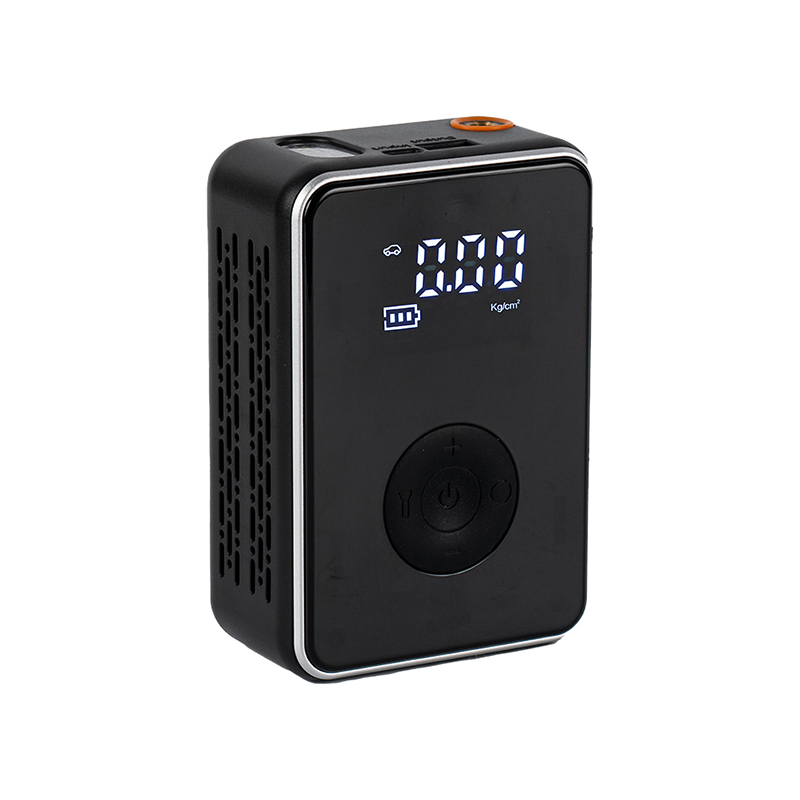
The RT-601 Mini Air Compressor is a highly efficient, multi-functional portable air pump and tire inflator designed for vehicle use. Equipped with an 18650 lithium-ion battery—available in various cap...
See Details -
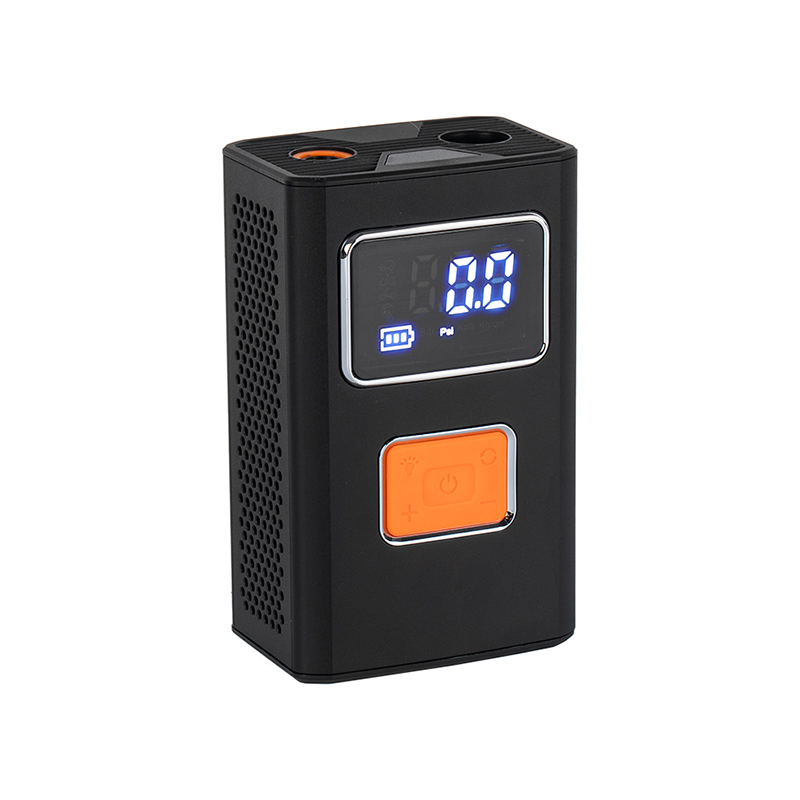
RT-606B Mini 150PSI wireless Portable Tire Inflator equipped with 18650 lithium-ion batteries, the RT-606B offers selectable capacity options of 1,800mAh x 2, 2,000mAh x 2, or 2,500mAh x 2, and suppor...
See Details -
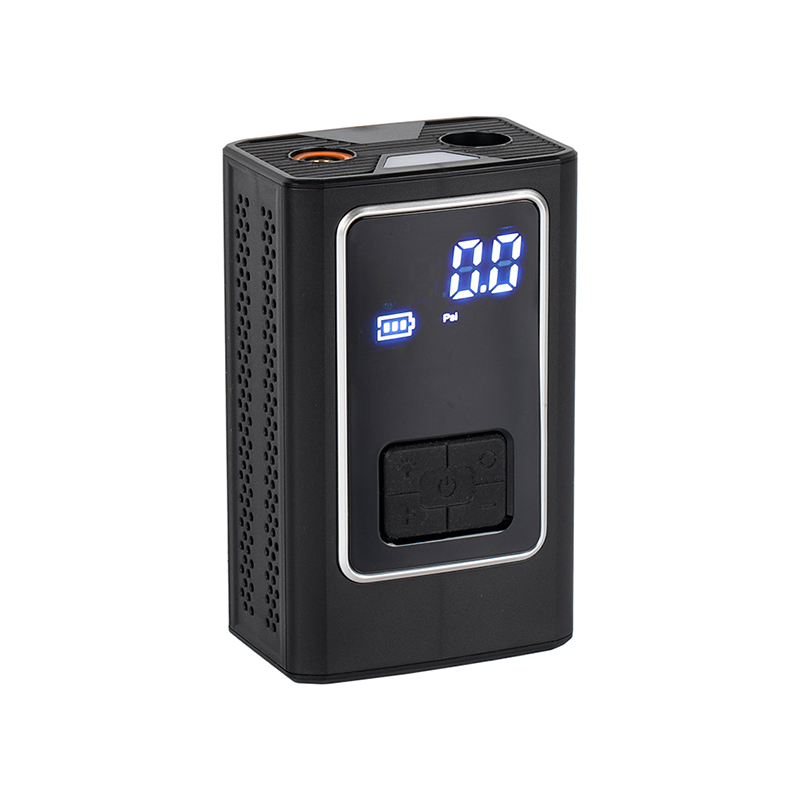
RT-606A Mini cordless USB output Portable Tire Inflator equipped with 18650 lithium-ion batteries, this unit offers selectable capacity options of 1,800mAh x 2, 2,000mAh x 2, or 2,500mAh x 2, and oper...
See Details -
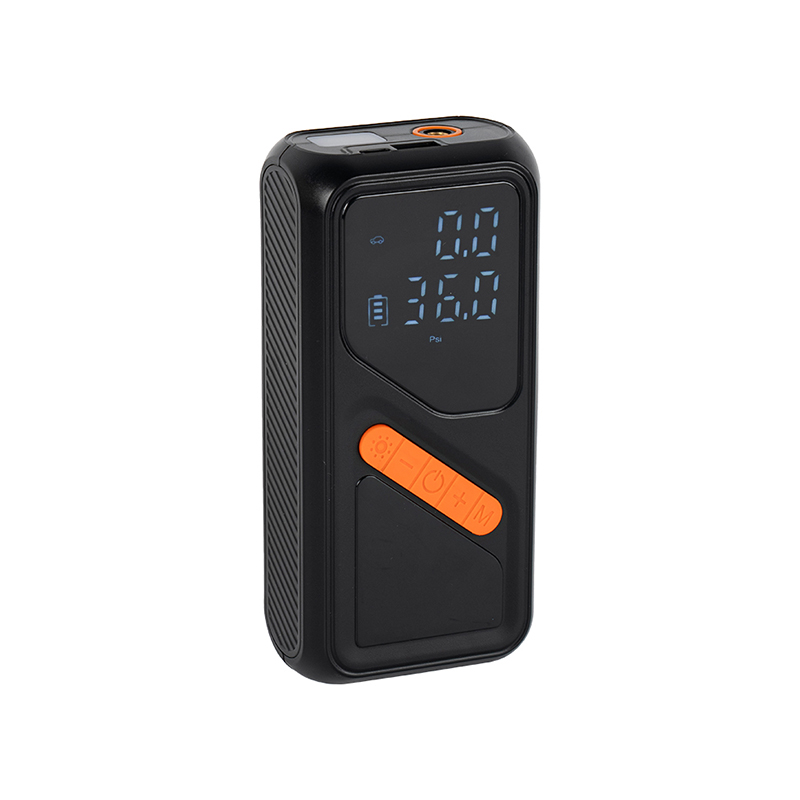
The RT-506 Cordless Portable Tire Inflator with Tire Pressure Monitoring features an 18650 lithium battery, providing long battery life and supporting rapid inflation. With an inflation rate of approx...
See Details -
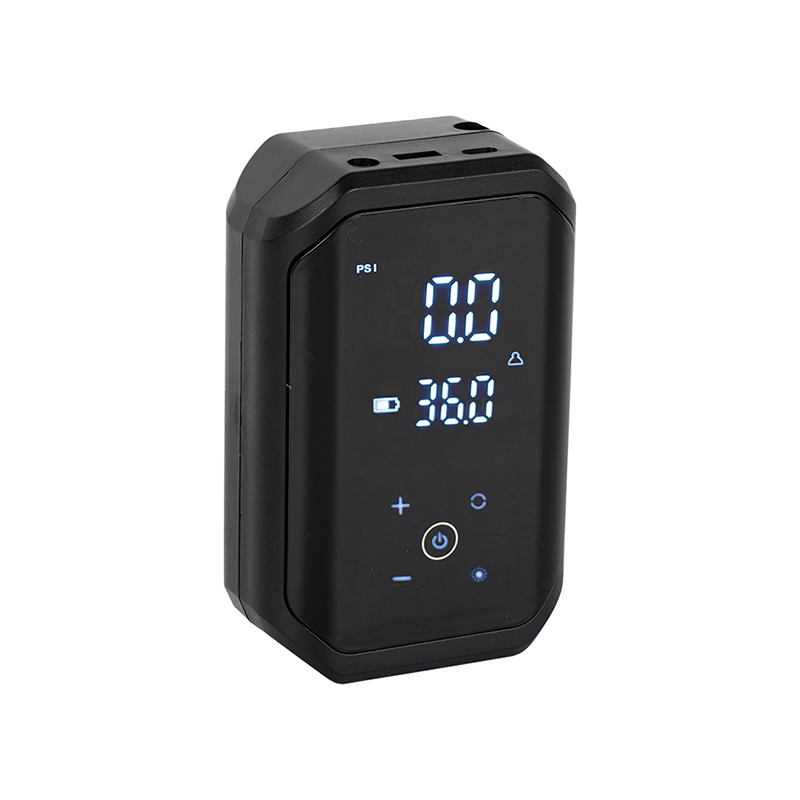
The RT-507 Touch Button Portable Tire Inflator with Light features an 18650 lithium battery, providing long-lasting power and an inflation rate of approximately 19L per minute. It boasts high inflatio...
See Details
News
-
Yes, portable tire inflators are worth it for most drivers—especially if you commute regularly, drive in areas with lim...
READ MORE -
It is a Wednesday morning, the temperature has dropped overnight, and your dashboard tire pressure warning light is glo...
READ MORE -
A Car Vacuum Cleaner is an electric appliance that heats water above 100 degrees Celsius in a sealed boiler to produce p...
READ MORE -
Which Best Tyre Inflator to Buy and Why The best tyre inflator for most car owners is a cordless digital portable tire ...
READ MORE -
Two handheld vacuums sit on the same workbench. One is a 7.4 V cordless unit rated at 12,600 Pa with a washable filter ...
READ MORE -
Steam vacuum cleaning works, and it is one of the few home methods that both lifts embedded dirt and kills a large sha...
READ MORE
Message Us Right Now!
Get Connected
 Whatsapp
 Wechat
Copyright © Ningbo Rongteng Auto Accessories Co.,Ltd. All rights reserved.
 Custom Vehicle Tire Inflators Manufacturers