English
 русский
 Español
The RT-502 Mini Portable Vehicle-Mounted Air Pump is an intelligent, all-in-one device that combines precise tire pressure detection, rapid inflation, multiple inflation modes, and emergency rescue ca...
See DetailsIndustry News 2026/08/31
How to Use a Portable Tire Inflator: Complete Step-by-Step Guide for Every Driver
Content
- 1 Why Tire Pressure Matters More Than You Think
- 2 The Main Types of Portable Tire Inflators
- 3 Before You Start: Read the Numbers That Matter
- 4 Step-by-Step: How to Use a Portable Tire Inflator
- 5 Recommended PSI: A Quick Reference
- 6 Beyond Car Tires: Other Inflation Tasks
- 7 Common Mistakes That Waste Time and Create Risk
- 7.1 Inflating to the Sidewall Maximum Instead of the Door Sticker
- 7.2 Setting Pressure on a Hot Tire without Correction
- 7.3 Exceeding the Duty Cycle
- 7.4 Leaving the Inflator Unattended
- 7.5 Using the Wrong Chuck or Connection
- 7.6 Trusting a Gauge without Checking It
- 7.7 Inflating a Tire That Is Structurally Damaged
- 7.8 Storing the Inflator in a Hot Trunk All Year
- 8 Maintaining Your Portable Tire Inflator
- 9 Safety Considerations When Inflating on the Road
- 10 Choosing the Right Inflator for Your Driving Routine
It is a Wednesday morning, the temperature has dropped overnight, and your dashboard tire pressure warning light is glowing amber. You check the tire and it looks low but not flat. The portable tire inflator sitting in your trunk is exactly the tool for this moment, but if you are not completely sure how to use it correctly, you are not alone. Most drivers only touch an inflator a few times a year, and the instructions that came with the device are often printed in tiny type on a folded sheet that went missing months ago.
The short version of the process is simple: check the recommended pressure on your vehicle's sticker, connect the inflator's air hose to the tire valve, power the unit, set the target PSI, and run it until the compressor stops or the gauge reaches the correct number. Under that simple surface, however, there are details about cold versus hot pressure, gauge accuracy, duty cycles, and valve stem care that separate a quick five-minute job from a slow and frustrating one. This guide walks through every stage of using a portable tire inflator, including the specifics you need to do it safely, the mistakes that most often cause problems, and how to pick the right inflator for the way you actually drive.
Why Tire Pressure Matters More Than You Think
Before you touch the inflator, it is worth understanding why tire pressure commands so much attention. An underinflated tire flexes more as it rolls, generating heat that degrades the rubber and can eventually lead to a blowout. It also increases rolling resistance, which means the engine works harder and burns more fuel. A tire running consistently 10 to 15 percent below its recommended pressure can cut fuel economy by roughly 2 to 3 percent and accelerate tread wear on the outer shoulders of the tire, shortening its usable life by thousands of miles.
Overinflation is less common but equally damaging. A tire inflated above its recommended pressure rides on the center of its tread, reducing the contact patch and degrading grip, especially in wet conditions. The ride becomes harsher, and the tire is more vulnerable to impact damage from potholes and curbs. The tire pressure monitoring system in your car, or TPMS, is a useful warning tool, but it is not an early-warning system. Most TPMS sensors only trigger a warning when pressure has already dropped about 25 percent below the recommended value. By the time the light comes on, the tire has been running low for a while, and that means uneven wear may have already begun.
The correct pressure for your vehicle is rarely a guess. It is printed on a sticker located on the driver's door jamb, inside the fuel door, or in the owner's manual. That sticker is the authoritative source for your specific vehicle, and it lists pressures for different load conditions. The number molded into the tire's sidewall, often expressed as "Max Press 51 psi," is the maximum safe inflation pressure for that tire model, not the recommended operating pressure for your car. Reading the sidewall as if it were a recommendation is one of the most common errors in tire care.
Another important distinction is cold pressure versus hot pressure. Manufacturers specify tire pressures as cold pressures, meaning the tire has not been driven on for at least three hours. Driving generates heat through friction, and a tire normally gains 4 to 6 psi once it warms up on the road. If you inflate a hot tire to the cold target number using the vehicle sticker, the tire will actually be 4 to 6 psi underinflated once it cools down. This single misunderstanding causes a surprising number of chronic low-pressure problems.
The Main Types of Portable Tire Inflators
Portable tire inflators come in several configurations, and the kind you own affects the exact steps you follow. Understanding the differences also helps you decide what to buy later, especially since inflators are not interchangeable in every situation.
12V DC Inflators
The classic portable inflator plugs into the vehicle's 12V accessory socket, the same outlet once called a cigarette lighter. These units are simple, widely available, and often inexpensive. They draw power directly from the car's electrical system, so they can pump for longer periods without relying on an internal battery. Single-cylinder models are compact and fine for occasional top-offs, while dual-cylinder models move air roughly twice as fast and are better for full-pressure inflation or larger tires. The main limitation is the power cord, which can make reaching rear tires awkward, and the need to keep the engine running to prevent draining the starting battery.
Cordless Battery-Powered Inflators
Cordless inflators carry their own rechargeable lithium battery inside the unit. You take the inflator to the tire rather than stretching a cable to the outlet, which makes them much more convenient for emergency roadside use, for rear tires in tight parking lots, and for inflating bicycle tires or sports equipment away from the car. Most recharge via a USB-C or a DC adapter, and the better models deliver enough pressure for passenger car tires. A unit rated to 150 psi, for example, handles car tires, motorcycle tires, and road bicycle tires without struggling. The cordless design does mean the battery is a consumable component, so storage habits and charging routines affect the product's lifespan.
If you are considering a cordless unit, a good example is the RT606B mini wireless tire inflator, which reaches 150 psi and adds LED lighting for low-light conditions. A cordless inflator like this one fits easily in a door pocket or under a seat, and it can be charged at home so it is ready before you leave.
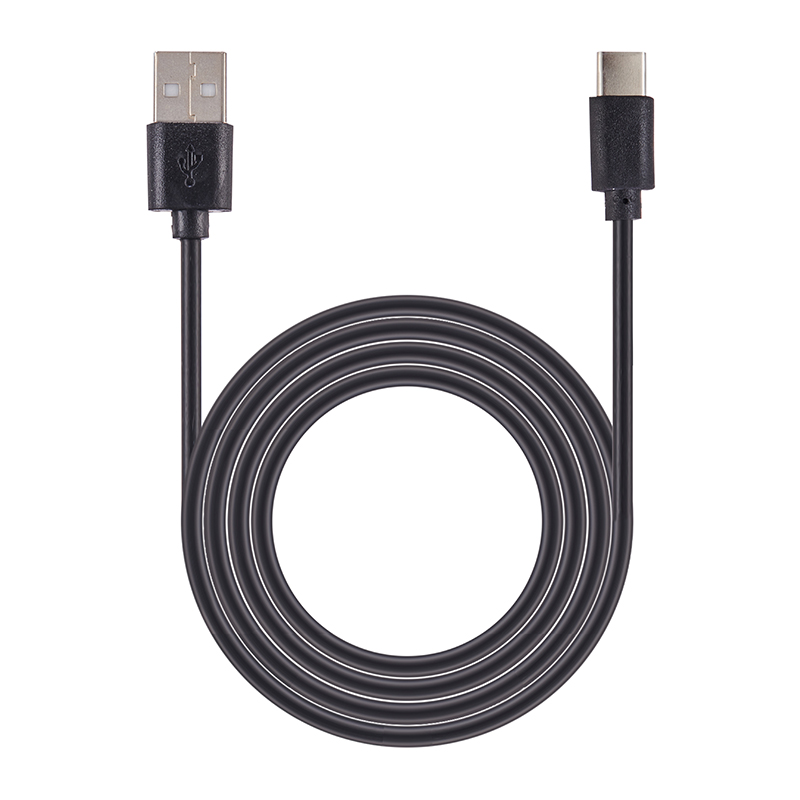 Wholesale RT-606B Mini 150PSI Wireless Portable Tire Inflator Suppliers, FactoryNingbo Rongteng Auto Accessories Co., Ltd. is China wholesale RT-606B Mini 150PSI Wireless Portable Tire Inflator suppliers and factory, ...View Product →
Jump Starter with Built-In Air Compressor
Some multifunction devices combine a jump starter, an air compressor, emergency lighting, and USB charging ports in one box. These are popular for drivers who want a single emergency kit rather than separate tools. The compressor function works like a 12V inflator, but the power comes from the internal jump-starter battery, so a running engine is not required. The tradeoff is weight, size, and cost, plus the need to keep the jump-starter battery charged even during long periods of disuse.
Mini Inflators and Duty Cycle
Whatever type you choose, one specification matters more than the maximum pressure rating: the duty cycle. Most portable compressors are rated for continuous operation of 10 to 15 minutes before they need a cooldown period. Inflating a completely flat passenger tire can push right against that limit, so a unit with a generous duty cycle and durable cylinder construction is worth prioritizing. If you want to understand the operating principles behind these products in more detail, you can learn how a portable tire inflator works and which features matter before making a decision.
Before You Start: Read the Numbers That Matter
The steps you take before switching on the inflator determine whether the job goes smoothly. Rushing past this stage is the root of most mistakes, so give the preparation a minute of attention.
Find the Vehicle's Recommended Pressure
Open the driver's door and look for the tire and loading information sticker. It lists the cold inflation pressure for the front and rear tires, usually in psi and kPa. If the sticker is missing or illegible, check the owner's manual or the fuel door. Write the number down or keep a photo on your phone, and remember that the pressure may differ between front and rear, especially in vehicles with different front and rear axle loads.
Understand the Sidewall Markings
The sidewall of the tire displays its maximum load, maximum pressure, size, and speed rating. A tire marked "Max Press 51 psi" is not asking you to inflate it to 51 psi. That is an engineering limit, not a target. Inflating beyond the vehicle's recommended pressure, even if the tire is technically rated for it, compromises handling and ride comfort. The vehicle manufacturer selected the tire and its pressure for the suspension geometry and load characteristics of that specific vehicle.
Check Current Pressure with a Reliable Gauge
Your TPMS light tells you when to look, not exactly what the pressure is. Use a digital tire gauge or read the pressure shown on the inflator's display before adding air. If you are about to inflate a tire that was driven recently, be aware that the reading will be higher than its true cold pressure. For a reasonably accurate cold reading, the vehicle should sit for at least three hours, or the distance driven should be less than one mile.
Inspect the Tire and Valve Stem
Look for nails, screws, cuts, bulges, or cracked sidewall rubber. If the tire is visibly damaged, a portable inflator is only a temporary measure to get you to a tire shop; it is not a repair. Inspect the valve stem for cracks or a bent core, and confirm that the valve cap is present. A damaged valve stem can leak air even after a perfect inflation job.
Position the Vehicle and Prepare the Power Source
Park on level ground so the vehicle's weight is distributed evenly, and make sure the inflator's hose comfortably reaches the tire you need to fill. For 12V inflators, start the engine before plugging in the adapter, then insert the plug fully into the accessory socket. Leaving the engine off while running a compressor can drain the battery enough to leave you stranded, especially in older cars. For cordless inflators, check that the battery has sufficient charge before you kneel down to connect the hose.
Step-by-Step: How to Use a Portable Tire Inflator
With preparation complete, the inflation process itself is a sequence of straightforward actions. The first time you do it, walk through each step slowly. After a few repetitions, the whole routine takes less than five minutes per tire.
- Remove the valve cap. Twist the small plastic or metal cap off the valve stem and set it somewhere you will not lose it, such as in your pocket or on the dashboard. Keep the cap clean, because a dirty cap can introduce grit into the valve core.
- Connect the air chuck to the valve stem. Most portable inflators use either a screw-on fitting or a push-on clamp chuck. For a screw-on chuck, thread it onto the valve stem hand-tight, then use the small lever to lock the air flow open. For a clamp chuck, press it straight onto the valve stem and flip the lever into the locked position. You should not hear air hissing around the connection. If you do, reposition the chuck and try again.
- Connect the power source. For a 12V unit, plugin the adapter into the vehicle's accessory socket with the engine running. For a cordless unit, confirm the battery indicator shows enough charge. If the inflator has a separate power switch and an on-board pressure display, both should light up when power is connected.
- Read the current pressure on the inflator display. Many inflators show the live tire pressure as the tool reads it. Compare that number with the target from your vehicle sticker. If the display reads below target, you are ready to begin. If the display reads well above target, something is wrong, because a TPMS warning usually means the pressure is low; re-check the connection and the chassis setting.
- Set the target pressure. Digital inflators have buttons or a knob to set the desired PSI. Enter your target precisely. If your vehicle sticker calls for 33 psi front and 31 psi rear, set each tire individually as you move around the car. If the unit has selectable modes, choose the correct preset for a car, motorcycle, or bicycle as applicable. A cordless unit with an integrated pressure display simplifies this step, because you do not need a separate gauge to know where you are, as with the RT506 cordless inflator with built-in tire pressure monitoringWholesale RT-506 Cordless Portable Tire Inflator With Tire Pressure Monitoring SNingbo Rongteng Auto Accessories Co., Ltd. is China wholesale RT-506 Cordless Portable Tire Inflator With Tire Pressure Monitoring suppli...View Product →.
- Start the inflator and monitor the process. Press the power or start button. The compressor will run and the pressure reading will climb. On units with auto-stop, the compressor shuts off when the target is reached. On manual units, watch the gauge and release the trigger or switch when the needle approaches the target, then make fine adjustments slowly. Do not walk away while the inflator is running. Overinflation happens exactly when a driver is distracted inside the car.
- Disconnect and recheck the pressure. When the pressure reaches the target, turn off the inflator, release the chuck lever, and unscrew the fitting from the valve stem. Re-attach the chuck for a second reading if the inflator gauge is the only pressure reference you have. The second reading should match the target. If you accidentally overinflated by a small amount, press the small bleed pin on the back of the chuck or the valve core to release air gradually until the pressure drops to the correct value.
- Replace the valve cap and store the inflator. Thread the cap back on hand-tight. Coil the hose neatly, wrap the power cord, and return the inflator to its storage place in the trunk or under a seat. A small habit of checking the date on the label of the inflator's last service can remind you when to test the unit.
One additional rule applies when tires are hot. If you are inflating a tire that was driven recently and the vehicle sticker calls for 33 psi cold, you can safely inflate to about 35 to 36 psi and then recheck the pressure after the tire cools. If you instead fill it to exactly 33 psi on a hot tire, it will be low the next morning. The most reliable approach is to inflate to the cold spec plus a small margin when the tire is warm, and let the tire release the excess as it cools.
Recommended PSI: A Quick Reference
The values below are general reference ranges for common vehicle categories. They do not replace the sticker on your vehicle. Use them as a mental baseline, particularly when you are inflating a tire on a vehicle you do not own, such as a rental car or a friend's car, and the sticker is difficult to reach.
| Vehicle or tire type | Typical cold pressure range |
|---|---|
| Compact sedan | 30–33 psi |
| Midsize sedan | 32–35 psi |
| SUV and crossover | 33–36 psi |
| Light truck and van | 38–45 psi |
| Motorcycle | 28–36 psi |
| Mountain bicycle | 30–50 psi |
| Road bicycle | 80–120 psi |
Two practical details about pressures are worth remembering. First, some vehicles list a higher rear pressure for heavy loads, such as when the car is fully loaded with passengers and luggage. Inflating a lightly loaded car to the maximum load pressure makes the ride noticeably stiffer. Second, pressure decreases roughly 1 psi for every 10-degree Fahrenheit drop in ambient temperature, which is why low-pressure warnings are so common on cold mornings. A tire that was correctly set at 33 psi in September can drop to 30 psi in January without any leak, simply because of temperature. Checking pressure monthly and adjusting for seasonal temperature swings avoids most cold-weather warnings.
Beyond Car Tires: Other Inflation Tasks
A portable tire inflator is useful for more than the family car. Understanding the pressure requirements of other inflated items makes the tool genuinely versatile, but it also demands care because the pressure ranges vary enormously.
Bicycle Tires
Road bicycle tires require high pressure, often 80 to 120 psi. A mini inflator rated to 150 psi can handle them, but a low-pressure inflator that maxes out at 60 psi cannot. Mountain bikes run at lower pressures, typically 30 to 50 psi, which is well within the range of nearly every portable inflator. When inflating bicycle tires, connect the chuck carefully to the Presta valve if the bike uses that type; a Presta valve requires loosening the small locking nut at the top before air can flow, while a Schrader valve works just like a car tire valve.
Motorcycle Tires
Most motorcycles specify between 28 and 36 psi cold. The same step-by-step procedure applies, but the valve stem is typically shorter and sometimes angled, so a screw-on chuck is easier to attach than a clamp type. Check the motorcycle owner's manual for front and rear values, because they often differ by several psi.
Sports Balls and Air Mattresses
Basketballs, soccer balls, volleyballs, and air mattresses require low pressure, frequently between 7 and 15 psi. Inflating them with the same pressure setting used for a car tire will burst the item. Some inflators offer a low-pressure mode or a ball needle adapter, which is a thin metal attachment that fits the valve on the ball and slows the air flow. If your inflator has preset modes, select the ball or low-pressure mode. If it does not, connect the needle, start the compressor briefly, and check the ball's firmness by hand frequently; using an in-line gauge is nearly impossible at such low pressures.
Inflatable Paddleboards and Kayaks
Inflatable watercraft typically need 10 to 15 psi, but the volume is large, so a small compressor may take several minutes. A unit with a high output and a low-pressure high-volume mode shortens the wait. Keep in mind that the inflator's duty cycle becomes important here: running it continuously for several minutes on a high-volume item can trigger the thermal protection on a compact unit, causing it to shut down until it cools.
Common Mistakes That Waste Time and Create Risk
Most problems with portable inflators are not mechanical failures; they are procedural mistakes that any driver can avoid. Knowing what typically goes wrong is more valuable than memorizing the instruction manual.
Inflating to the Sidewall Maximum Instead of the Door Sticker
This is the most frequent error. The sidewall maximum pressure is a safety ceiling for the tire itself, tested under the tire's maximum load. Your vehicle's recommended pressure is almost always lower, and it accounts for the vehicle's weight distribution, suspension tuning, and manufacturer testing. Inflating to the sidewall number creates an artificially stiff tire, reduces the contact patch, and can wear out the center tread quickly.
Setting Pressure on a Hot Tire without Correction
As discussed earlier, hot tires read 4 to 6 psi higher than their cold pressure. If you set a hot tire to the cold target on the inflator's gauge, the tire will be low once it cools. The safer approach is to check pressures before driving whenever possible, or to inflate slightly above the cold target when the tire is warm and accept that the tire will settle at the correct value after cooling.
Exceeding the Duty Cycle
Portable compressors are small and generate heat quickly. Running one continuously for 20 or 30 minutes to inflate a large truck tire or an inflatable kayak can overheat the cylinder, melt the plastic housing, or trip the thermal breaker. If the inflator stops on its own and will not restart, let it cool for 20 to 30 minutes before trying again. Better still, plan tasks requiring long runtimes with breaks built in.
Leaving the Inflator Unattended
You might walk over to the driver's side to check something, then forget that the compressor is running. Even a compact inflator can push a tire several psi above the target in a minute, and an unattended inflator attached to a damaged or separated tire can cause dangerous failures. Stay beside the inflator from start to finish.
Using the Wrong Chuck or Connection
A poor connection leaks air, so the inflator runs longer and the gauge reads inaccurately. Common angle mistakes include attaching the chuck at an angle, which damages the valve stem over time, and failing to tighten a screw-on chuck all the way. The connection should feel firm, with no air escaping around the base.
Trusting a Gauge without Checking It
Inflator gauges, especially mechanical ones, drift out of calibration. If your gauge reads 2 psi high consistently, you are running the tire 2 psi low without knowing it. Comparing the inflator gauge against a separate quality digital gauge a few times a year is a sensible habit.
Inflating a Tire That Is Structurally Damaged
If the tire has a visible bulge in the sidewall, exposed cords, or a cut that reaches the inner structure, don't try to bring it to driving pressure. Inflate it just enough to support the vehicle and drive at low speed to a tire shop, or call for professional help if the damage is severe. Inflating a compromised tire to full pressure risks sudden failure.
Storing the Inflator in a Hot Trunk All Year
Summer heat inside a closed trunk can exceed 60 degrees Celsius (140 degrees Fahrenheit). Lithium batteries age quickly in that environment, and plastic hoses and seals become brittle. If the inflator has a small battery, it is better to store it in the cabin if you live somewhere with very hot summers, or at least recharge it in more moderate conditions periodically.
Maintaining Your Portable Tire Inflator
An inflator gets used rarely, but it needs attention when it is not in service. A few minutes of maintenance each year keeps the tool ready for the one moment you actually need it.
Clean the Body, Hose, and Chuck
Dust and grit settle into the chuck and the hose end, where they can interfere with the valve connection. Wipe the unit with a slightly damp cloth periodically and inspect the chuck's rubber seal. If the seal is cracked or stretched, replace the chuck or the complete hose assembly before it starts leaking during inflation.
Check the Hose and Electrical Cable
Look for cracks, cuts, and abrasion along the hose, and inspect the power cable on a 12V unit for fraying at the plug and at the connection to the housing. A compromised cable on a DC inflator can blow a fuse in your vehicle's accessory socket, so the condition of the plug deserves a quick visual check before every use.
Look After the Battery
A cordless inflator's lithium battery is the component most likely to let you down. Store the unit with the battery roughly half charged if you will not use it for several weeks, avoid leaving it fully drained for long stretches, and recharge it every couple of months if you rarely use the tool. Some units require the battery to be at least partially charged for the pressure display to work even when you are running the compressor from a DC adapter, so a dead battery can make a cordless inflator unusable even with external power.
Test the Inflator Periodically
Once a month, connect the inflator to a car tire and watch the display to confirm that the pressure reading changes and the compressor builds pressure. This two-minute test also exercises the motor seals and prevents the unit from becoming stuck after months of inactivity.
Safety Considerations When Inflating on the Road
Inflating a tire on a roadside shoulder is a common emergency task, and it carries risks beyond the tire itself. Positioning and awareness matter as much as the pressure setting.
If you are stopped on the side of a road, turn on your hazard lights, place reflective triangles or cones behind the vehicle if you have them, and position yourself on the side away from traffic while you work. The inflator can sit on the ground beside the tire, but keep the hose out of the driving lane. If a tire is partially flat and the vehicle is on soft ground, you may need to move the car to a firmer surface so the jack or the inflator can work effectively, though inflating without lifting the vehicle is usually the correct first step.
Never run a 12V inflator's engine in an enclosed garage or in a car with the windows closed. Carbon monoxide accumulates quickly in confined spaces, and the extra runtime needed to fill a tire is enough to create dangerous concentrations. If you are inflating at home, open the garage door wide or pull the vehicle outside.
Do not attempt to inflate a tire beyond the maximum pressure printed on the sidewall or beyond the inflator's own rated maximum. The inflation circuit on most portable units has a working limit around 150 psi, well above passenger car needs, but holding a road bicycle tire at 120 psi requires the inflator to work near its limit, so watch the gauge closely and stop at the intended value.
Finally, remember what an inflator cannot do. It can restore pressure to a tire that is leaking slowly, but it cannot repair a puncture. If the tire loses pressure again within a day, the leak needs professional repair, and continuing to re-inflate it is both unsafe and a waste of time.
Choosing the Right Inflator for Your Driving Routine
The best portable tire inflator for you is the one that matches your vehicle, your driving patterns, and the conditions you meet on the road. No single model fits every driver, but the decision criteria are consistent regardless of budget.
How Often and Where Do You Drive?
A commuter who drives 20 miles a day in a city rarely needs fast inflation because tires at that distance are parked for hours between trips. A compact cordless inflator is the most convenient choice, and it can stay in the car when you are not thinking about tires at all. In contrast, a driver who takes long highway trips, carries heavy loads, or tows a trailer puts more stress on tires and should look for a higher-output unit with a metal cylinder and a longer duty cycle, such as a dual-cylinder 12V inflator that fills a large tire faster and tolerates longer continuous operation.
Do You Need Cordless Freedom?
Rear tires are the practical argument for cordless inflators. A 12V unit plugged into the front accessory socket may have a cord that barely reaches the back tire on an SUV or pickup truck, forcing you to run the car in reverse or find creative routing. Cordless inflators sit right beside the tire, eliminating this problem entirely. A model such as the RT601 mini tire inflator with Type-C input combines the convenience of a compact body with the modern charging standard, so the same cable you use for your phone can top up the inflator's battery at home or in the car. For drivers who also need to inflate bicycle tires or sports gear, a 150 psi rating and preset modes make the tool genuinely versatile.
Wholesale RT-601 Mini 150PSI Type-C Input Portable Tire Inflator Suppliers, FactNingbo Rongteng Auto Accessories Co., Ltd. is China wholesale RT-601 Mini 150PSI Type-C Input Portable Tire Inflator suppliers and factor...View Product →
Do You Need More Than Inflation?
If your vehicle is prone to battery issues, a jump starter with a built-in compressor combines two emergency tools into one package. The advantage is that you have fewer devices to store and maintain. The disadvantage is that you cannot take the compressor with you if the jump-starter battery dies, and the combined unit is heavier and larger than a dedicated inflator. Drivers who live in remote areas with extreme winters often appreciate the dual function; drivers who simply want to top off tires once a month are better served by a smaller, cheaper dedicated inflator.
Weight, Storage, and Build Quality
Portable inflators range from units small enough to slip into a door pocket to heavy-duty models the size of a large toolbox. Before buying, measure the space where you intend to store it. Also check the output specification, not just the maximum pressure: a compressor rated for continuous operation and built with a metal piston will fill a tire much faster and last longer than a budget plastic unit that stops after two minutes of use. The durability of the hose and the chuck, the presence of a built-in pressure display, and the ease of reading that display in sunlight are all small details that determine whether you reach for the device willingly the next time it is needed.
Using a portable tire inflator correctly comes down to five habits: know the pressure your vehicle actually needs, connect the chuck firmly to a clean valve stem, set the target before you start the compressor, watch the gauge until the job is done, and recheck the pressure after the tire cools. The tool works reliably for years when it is stored clean, the battery is maintained, and the duty cycle is respected.
Next time the amber light appears on a cold morning, you can kneel down by the tire with confidence. Attach the hose, set the number from the door sticker, press start, and let the compressor do its work. In a few minutes the warning light will go out, the ride will feel right again, and the small investment you made in a portable inflator will prove itself worth every cent.
Let's Talk
Keep in touch with us
Related products
-
-
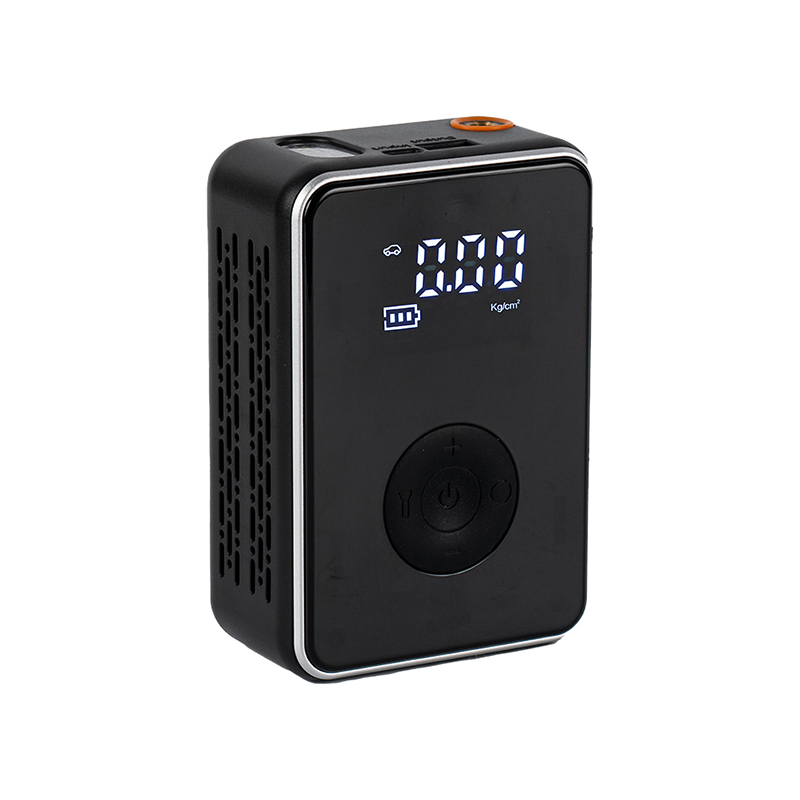
The RT-601 Mini Air Compressor is a highly efficient, multi-functional portable air pump and tire inflator designed for vehicle use. Equipped with an 18650 lithium-ion battery—available in various cap...
See Details -
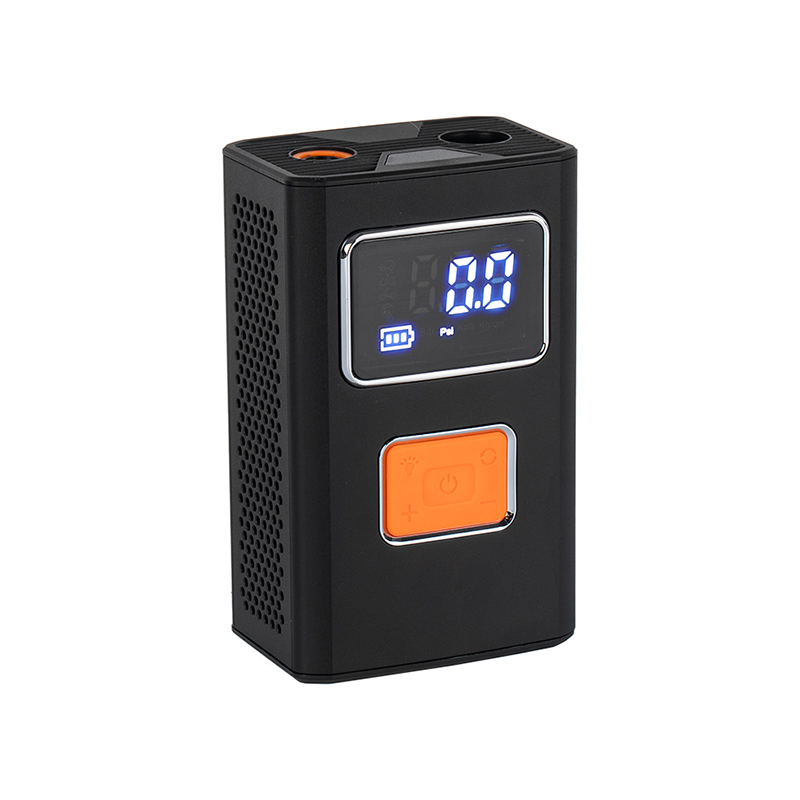
RT-606B Mini 150PSI wireless Portable Tire Inflator equipped with 18650 lithium-ion batteries, the RT-606B offers selectable capacity options of 1,800mAh x 2, 2,000mAh x 2, or 2,500mAh x 2, and suppor...
See Details -
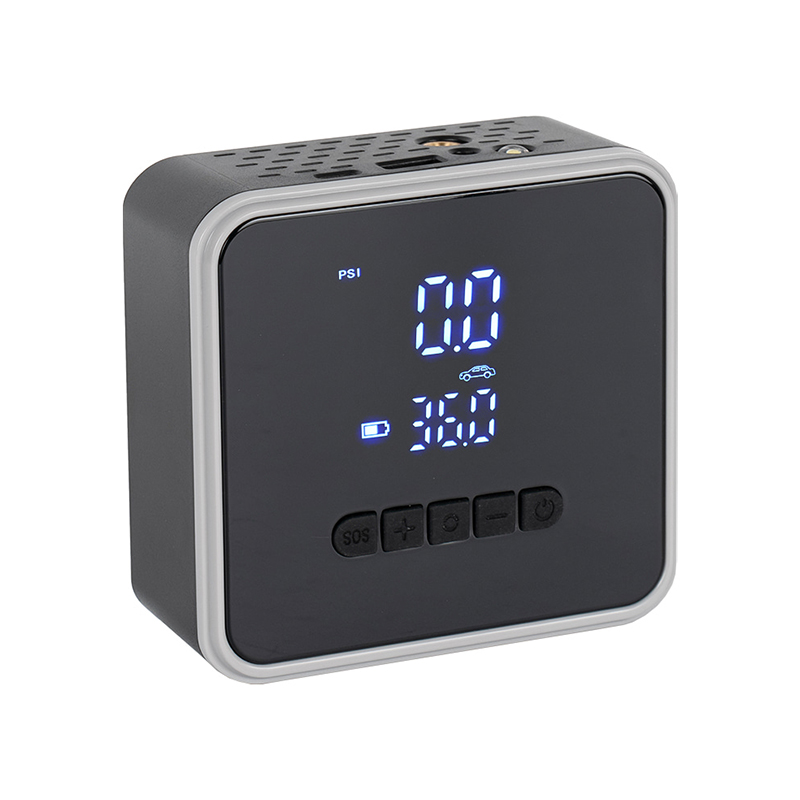
The RT-503 High-Capacity Portable Tire Inflator features five inflation modes—Car, Motorcycle, Bicycle, Ball, and Free Mode—covering a pressure range of 0.35 to 10.3 Bar (5 to 150 PSI), enabling it to...
See Details -
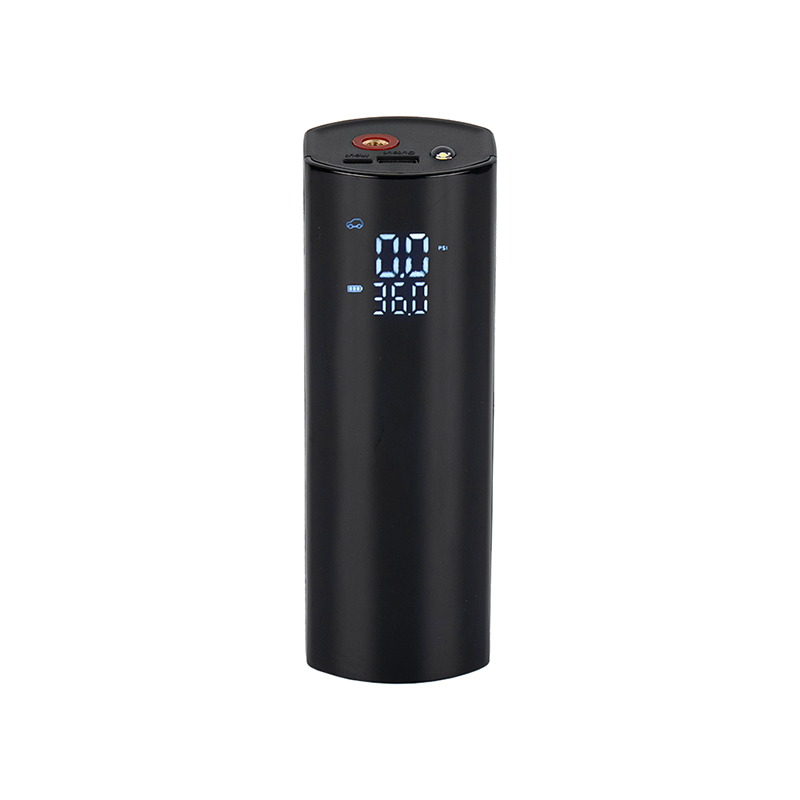
The RT-605 Air Compressor is a versatile, vehicle-mounted tire inflator featuring a USB output. Suitable for cars, motorcycles, bicycles, and sports balls, it is equipped with an integrated 18650 lith...
See Details -
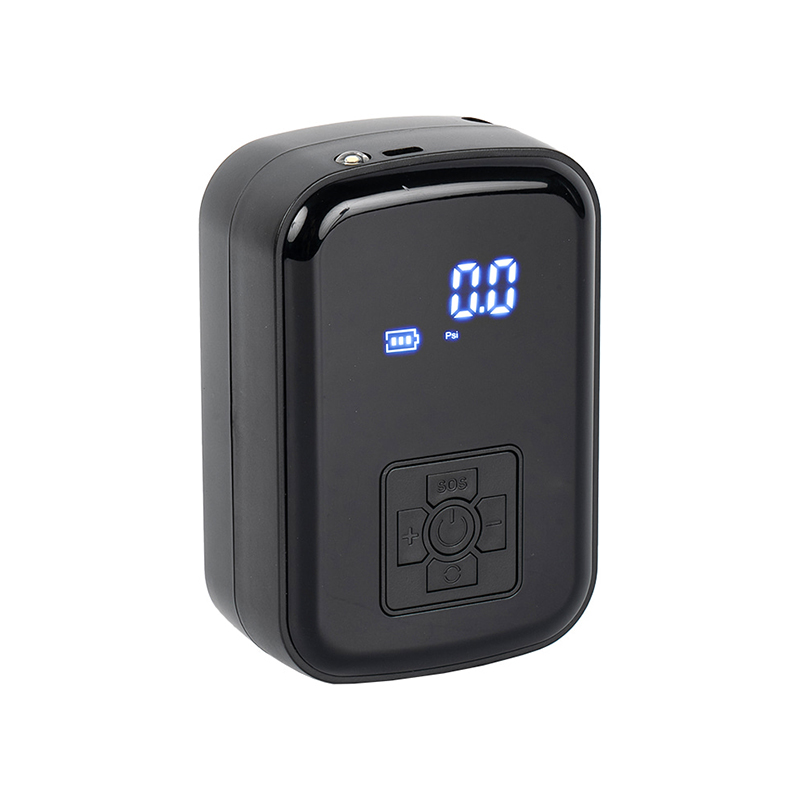
The RT-603 Portable Vehicle-Mounted Air Pump Compressor—a car tire inflator suitable for bicycles, balls, and motorcycles—integrates a multitude of functions into a single device: tire pressure detect...
See Details
News
-
Which Best Tyre Inflator to Buy and Why The best tyre inflator for most car owners is a cordless digital portable tire ...
READ MORE -
How to inflate tires correctly is a routine skill that every driver eventually faces, yet it is also a task many people...
READ MORE -
You bought a compact 12V car vacuum cleaner to keep under the seat of your SUV. It handles coffee spills, crushed crack...
READ MORE -
Yes, portable tire inflators are worth it for most drivers—especially if you commute regularly, drive in areas with lim...
READ MORE -
To inflate tires at a gas station correctly: check your vehicle's recommended tire pressure from the sticker inside th...
READ MORE -
Vacuuming a car properly is not a one-pass task. If you only move the nozzle over the visible surfaces, you are leaving...
READ MORE
Message Us Right Now!
Get Connected
 Whatsapp
 Wechat
Copyright © Ningbo Rongteng Auto Accessories Co.,Ltd. All rights reserved.
 Custom Vehicle Tire Inflators Manufacturers