
 English
 русский
 Español
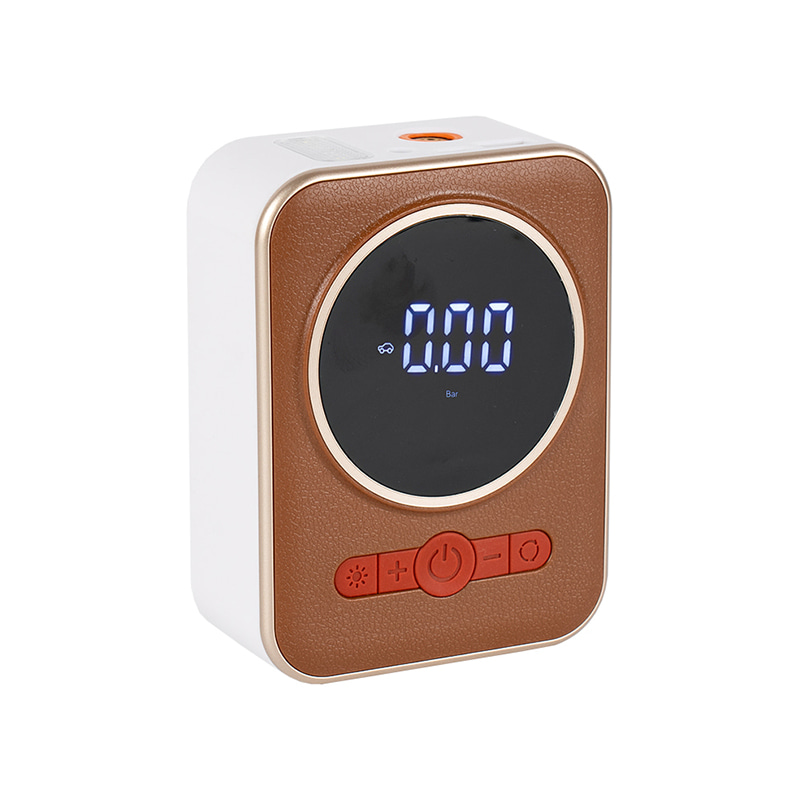
The RT-502 Mini Portable Vehicle-Mounted Air Pump is an intelligent, all-in-one device that combines precise tire pressure detection, rapid inflation, multiple inflation modes, and emergency rescue ca...
See DetailsIndustry News 2026/09/17
How to Inflate Tires at Gas Station and Which Tool Is Best for Home Use
Content
- 1 How to Inflate Tires at Gas Station: Step by Step and What Goes Wrong
- 2 Portable Tire Inflator: What to Buy and Why It Outperforms Gas Station Air
- 3 Electric Air Compressor for Tires: When You Need More Than a Compact Inflator
- 4 Portable Inflator Pump: The Versatile Middle Ground Tool
- 5 Cordless Auto Tire Inflator: Maximum Convenience for On the Go Inflation
- 6 Choosing the Right Tool: Portable Tire Inflator vs Gas Station vs Cordless Auto Tire Inflator
- 7 Tire Pressure Safety: Why Correct Inflation Is Critical for Every Driver
- 8 Frequently Asked Questions
To inflate tires at a gas station correctly: check your vehicle's recommended tire pressure from the sticker inside the driver side door jamb (not the maximum pressure printed on the tire sidewall), use the station's air machine hose with the chuck pressed firmly over the valve stem, add air in short bursts of 5 to 10 seconds, check the pressure with a gauge after each burst, and stop when the reading matches the vehicle specification. The most common mistake drivers make is inflating to the tire's maximum sidewall pressure (often 44 to 51 PSI) rather than the vehicle's recommended pressure (typically 32 to 36 PSI for passenger cars), which produces overinflated tires that wear faster in the center tread band, reduce wet traction, and increase the risk of a blowout on rough roads.
For drivers who want the convenience of inflating tires at home without visiting a gas station, a Portable Tire Inflator or cordless auto tire inflator is the practical solution. Quality models in the USD 40 to USD 100 range deliver 100 to 160 PSI maximum pressure, built in digital gauges accurate to plus or minus 1 PSI, and automatic shutoff at a preset target pressure that prevents overinflation without any manual monitoring.
A portable inflator pump or electric air compressor for tires in the USD 80 to USD 200 range adds faster fill times (2 to 4 minutes per tire from 20 PSI low to 35 PSI target versus 4 to 8 minutes for compact cordless units) and dual power options (12V DC car outlet plus home AC power) that make the tool useful in any location.
How to Inflate Tires at Gas Station: Step by Step and What Goes Wrong
Most drivers inflate tires at a gas station several times per year, yet surveys consistently show that more than 30% of passenger vehicles on US roads have at least one tire inflated more than 8 PSI below the vehicle manufacturer's recommended pressure. The gas station air machine is a widely available and inexpensive tool for correcting this, but it is also one of the most misused pieces of automotive equipment because most machines lack a built in pressure gauge, provide no tactile feedback to indicate when the correct pressure has been reached, and operate at high flow rates that can add 5 to 8 PSI to a tire in a single 10-second burst before the user has time to react.
Finding Your Vehicle's Correct Tire Pressure
Before visiting a gas station or using any Portable Tire Inflator, confirm the correct target pressure for your vehicle. The correct pressure is specified by the vehicle manufacturer and is printed on a label in one of three locations:
- Driver side door jamb sticker: The primary and most accessible source. The sticker shows the recommended cold inflation pressure for front and rear tires separately (front and rear pressures differ on many vehicles, particularly front wheel-drive cars and larger SUVs). The cold inflation pressure is the specification for tires that have not been driven in the past 3 hours or driven less than 1 mile at low speed, because driving heats the air inside tires and increases pressure by 4 to 6 PSI above the cold reading.
- Fuel filler door sticker: Some manufacturers place a tire pressure reminder sticker on the inside of the fuel door. This sticker shows the same specification as the door jamb label and is provided as a convenient reminder during fuel stop visits.
- Owner's manual: The specification section lists recommended pressures for all tire sizes the vehicle may be equipped with, including the space saver spare (which typically requires a different pressure, often 60 PSI, from the four road tires).
The maximum pressure printed on the tire sidewall (for example, "Max Pressure 44 PSI") is the maximum structural limit of the tire, not the recommended operating pressure for your vehicle. Inflating to the sidewall maximum will overinflate most passenger car tires by 8 to 12 PSI above the vehicle specification, producing accelerated center tread wear, a harsher ride, and reduced wet braking performance.
Step by Step: How to Inflate Tires at Gas Station
- Park close enough for the hose to reach all four tires. Gas station air machine hoses are typically 15 to 20 feet long. Position the vehicle so that you can reach the tire farthest from the air machine connection point without stretching the hose under tension, which can pull the chuck off the valve stem mid inflation and release pressure suddenly.
- Remove the valve stem cap and set it somewhere you will not lose it. Place it in a pocket or on the dashboard rather than on the pavement where it can roll away. Valve caps cost very little individually but prevent dirt and moisture from entering the valve core, which can cause slow leaks over time if the core becomes contaminated.
- Check the current pressure before adding air. Use a separate handheld tire pressure gauge (not the gas station machine's built in gauge if it has one, which is often inaccurate from wear and misuse by thousands of prior users). A quality digital gauge costs USD 10 to USD 25 and reads pressure accurately to within plus or minus 0.5 PSI. Record the current reading and the target pressure before approaching the machine.
- Press the hose chuck firmly onto the valve stem. The chuck should seat straight and completely; a partially seated chuck produces a hissing sound from escaping air and adds less pressure than it releases. Most gas station chucks require you to press straight down while some require a slight twist and lock action.
- Add air in controlled bursts of 5 to 10 seconds, then check with your gauge. High volume air machines can add 5 PSI or more in 10 seconds on a passenger car tire. The pressure gauge on the machine hose (if present) is often a simple dial type that reads while air is flowing, which is not accurate because the flow pressure is higher than the equilibrium pressure in the tire. Use your handheld gauge after disconnecting the machine for an accurate reading.
- If you accidentally overinflate, release pressure through the valve core. Press the small pin in the center of the valve stem with a pen tip, fingernail, or the bleed nipple on the back of many tire gauges to release air in controlled amounts. Check with your gauge after each release until the target pressure is reached.
- Replace the valve stem cap and move to the next tire. Repeat the burst and check sequence for all four tires. Allow 2 to 3 minutes for each tire's reading to stabilize after filling before moving the vehicle, as the inflation process generates slight heat that temporarily increases the gauge reading by 1 to 2 PSI.
Practical Tip
If you check tire pressure after driving to the gas station, add 3 to 4 PSI to your target to account for the heat induced pressure increase from driving. The tires will read this higher number while warm and will settle to the correct cold specification after cooling. Do not attempt to bleed down to the cold specification while the tires are still hot, as you will underinflate them once they cool.
Gas Station Air Machine Cost and Availability Considerations
Most gas stations in the US charge USD 1.00 to USD 1.50 for 3 to 5 minutes of air machine operation, enough time to inflate one to two tires depending on starting pressure. California law requires gas stations with a convenience store or car wash to provide air and water free to paying fuel customers (California Business and Professions Code Section 13651), and several other states have similar legislation pending. In Europe, fuel station air machines are generally free in the UK and France but vary by country and station operator policy. For drivers who check and correct tire pressure monthly (the recommended frequency), the annual cost of gas station air machine use is USD 12 to USD 36 — a relevant but not prohibitive expense that a quality Portable Tire Inflator purchased once for USD 40 to USD 80 eliminates for the vehicle's lifetime.
Portable Tire Inflator: What to Buy and Why It Outperforms Gas Station Air
A Portable Tire Inflator is a compact, self contained electric air pump designed specifically for vehicle tires, sports equipment, and inflatable products, powered by the vehicle's 12V power outlet (cigarette lighter socket), a USB C cable, or an internal rechargeable battery in the case of a cordless auto tire inflator. The most significant advantage of a Portable Tire Inflator over a gas station air machine is the integrated digital pressure gauge with automatic shutoff at a preset target pressure, which prevents overinflation entirely and eliminates the burst and check manual process required at the gas station.
How a Portable Tire Inflator Works
The core components of a Portable Tire Inflator are a small electric motor, an air pump piston or diaphragm driven by the motor, a pressure sensor integrated into the air path between the pump and the hose, and a microcontroller that reads the pressure sensor in real time and cuts motor power when the sensor reading reaches the target PSI set by the user. This automatic shutoff mechanism is the feature that transforms the tire inflation task from an active monitoring process into a set and walk away convenience: the user sets the target pressure (for example, 35 PSI), connects the hose to the tire valve, starts the inflator, and the device stops itself when 35 PSI is reached.
The pressure measurement accuracy of the integrated gauge is the most practically important specification after maximum pressure capability. Quality Portable Tire Inflator products achieve measurement accuracy of plus or minus 1 PSI, which is adequate for all passenger car and light truck tire inflation purposes. Budget models with analog or low resolution digital sensors may achieve only plus or minus 3 PSI accuracy, which means the auto shutoff may engage anywhere from 32 to 38 PSI when the target is set to 35 PSI — a 6-PSI range of uncertainty that defeats the purpose of the automatic shutoff feature. When comparing Portable Tire Inflator specifications, the pressure accuracy specification is more important than the maximum PSI rating for normal passenger car use, because virtually all consumer tire inflators exceed the 35 to 45 PSI needed for passenger car tires and the real performance differentiator is how accurately they hit the target.
Key Specifications to Evaluate in a Portable Tire Inflator
Maximum Pressure (PSI)
Passenger car tires: 30 to 44 PSI. SUV and light truck tires: 35 to 80 PSI. A minimum of 100 PSI maximum is recommended for versatility across all tire types including SUV and truck tires.
Flow Rate (L/min)
The volume of air delivered per minute. Higher flow rate means faster inflation. Entry level units: 15 to 20 L/min (6 to 10 min per tire). Mid range: 25 to 35 L/min (3 to 5 min per tire). Premium: 40 to 60 L/min (2 to 3 min per tire).
Pressure Accuracy
Plus or minus 1 PSI is adequate for passenger cars. Plus or minus 0.5 PSI found in premium units provides additional confidence for motorcycle and bicycle tires where precision at low pressures matters more.
Power Source
12V DC (car outlet) powers 12V units anywhere with a running vehicle. AC plus 12V dual power portable inflator pumps add home outlet capability. Cordless auto tire inflators use internal lithium ion batteries for complete independence.
Display Type
Backlit digital displays are readable in low light conditions (pre dawn commutes, roadside emergencies). Some units display current pressure alongside target pressure simultaneously, which speeds up the inflation monitoring process.
Duty Cycle
The maximum operating time before required cooling. Continuous run motors allow 4-tire inflation without pause. Duty cycle-limited motors (often 10 minutes on, 30 minutes off) add significant waiting time when inflating all four tires from a significantly low starting pressure.
Portable Tire Inflator Price Tiers and What Each Delivers
| Price Range | Flow Rate | Max PSI | Accuracy | Power Source | Best For |
|---|---|---|---|---|---|
| USD 20 to USD 40 | 15 to 20 L/min | 100 to 120 PSI | Plus or minus 2 to 3 PSI | 12V DC only | Occasional emergency use, single vehicle owner |
| USD 40 to USD 80 | 25 to 35 L/min | 120 to 150 PSI | Plus or minus 1 PSI | 12V DC or cordless battery | Regular monthly use, family with 2 vehicles |
| USD 80 to USD 150 | 35 to 60 L/min | 150 to 200 PSI | Plus or minus 0.5 to 1 PSI | AC plus 12V dual power | Multi vehicle household, motorcycles, trailers |
| USD 150 to USD 300 | 60 to 100+ L/min | 150 to 300 PSI | Plus or minus 0.5 PSI | AC plus 12V, some include tank | Trucks, RVs, off road vehicles, workshops |
Electric Air Compressor for Tires: When You Need More Than a Compact Inflator
An electric air compressor for tires occupies the higher performance end of the portable tire inflation category, offering greater air volume output, faster fill times, and the ability to power air assisted tools beyond tire inflation. While a compact Portable Tire Inflator or cordless auto tire inflator is adequate for maintaining correct pressure in already inflated passenger car tires (adding 5 to 10 PSI to bring a low tire up to specification), an electric air compressor for tires is the correct choice when one or more of the following conditions apply:
- The vehicle has truck, SUV, or trailer tires with high air volume (large volume tires require significantly more air to fill from low pressure than compact car tires of the same diameter)
- Tire inflation starts from a very low pressure (below 15 PSI), such as after a slow leak has depleted the tire significantly or after intentionally deflating off road tires for improved traction on sand or rock terrain
- The household has multiple vehicles including motorcycles, trailers, and recreational equipment that require a wide range of inflation pressures
- The user needs the air compressor for additional tasks beyond tire inflation, such as powering an impact wrench during tire rotation or filling air mattresses and sports equipment at high volume
Tank vs Tankless Electric Air Compressor for Tires
The most significant design choice in an electric air compressor for tires is whether the unit includes an air storage tank or operates as a purely tankless direct drive design:
- Tankless (direct drive) electric air compressor for tires: Air flows directly from the pump to the hose without any storage reservoir. This design is lighter and more compact than tank type compressors, making it suitable for in vehicle storage and roadside use. The limitation is that the air output pressure and volume are limited by the pump's instantaneous output capacity, which means the compressor must run continuously throughout the inflation process with no ability to recover between bursts. Most Portable Tire Inflator and compact electric air compressor for tires products at the USD 30 to USD 150 range are tankless by design.
- Tank type electric air compressor for tires: A storage tank (typically 1 to 6 gallons for portable garage type units) is pre pressurized by the electric pump motor, and inflation is performed by releasing compressed air from the tank through the hose and chuck. Tank type units deliver much higher instantaneous air flow rates (because the tank stores many times the volume of a single tire's requirement) and can inflate a passenger car tire from flat to 35 PSI in under 90 seconds, versus 4 to 8 minutes for a comparable tankless portable inflator pump. The trade off is size and weight: a 6-gallon tank unit weighs 25 to 45 pounds and is not designed for in vehicle transport.
Electric Air Compressor for Tires: Performance Specifications Explained
The specifications used to rate an electric air compressor for tires differ from those used to rate a compact inflator, because the compressor category uses volumetric flow rate in CFM (cubic feet per minute) rather than liters per minute, and the maximum PSI rating refers to the tank pressure rather than the working pressure at the hose outlet:
- CFM at rated PSI: The most important specification for determining real world fill times. A compressor rated at 1.5 CFM at 90 PSI delivers a meaningful difference in fill time from a compressor rated at 0.5 CFM at the same pressure. For tire inflation specifically, where working pressure is 30 to 80 PSI, look for CFM ratings measured at 40 PSI rather than at the maximum 90 or 120 PSI rating, because some compressors show high maximum PSI capability but very low CFM at the working pressures actually used for tires.
- Maximum tank pressure (PSI): The pressure to which the tank is filled before the pressure switch cuts the motor off. A higher tank pressure does not directly translate to faster tire fill times if the CFM output is limited, but it does mean the compressor's working pressure reserve is larger, allowing more tire volume to be filled from a single tank charge between motor run cycles.
- Recovery time: The time needed to recharge the tank from the cutout pressure back to the maximum pressure after the tank pressure has dropped through use. For an occasional user inflating one or two car tires at a time, recovery time is irrelevant because the tank recharges between tires. For a user inflating four truck tires sequentially, recovery time determines whether there is a waiting pause between each tire or whether the tank is large enough to complete all four tires on a single charge.
- Noise level (decibels): Direct drive oil free compressors are the noisiest category of electric air compressor for tires, typically producing 78 to 90 decibels at 1 metre distance during motor operation. For garage use, this noise level is acceptable with the garage door open; for in vehicle or roadside use at night, it may disturb nearby residents. Oil lubricated compressors run quieter (70 to 80 decibels) and last longer but require periodic oil level checks and are not designed for the tilted or inverted orientations that roadside or in vehicle storage can produce.
Portable Inflator Pump: The Versatile Middle Ground Tool
The portable inflator pump category occupies the practical middle ground between the compact Portable Tire Inflator and the higher output electric air compressor for tires. A portable inflator pump in this context refers to a unit that is large enough to provide meaningfully faster inflation than a compact inflator (flow rates of 40 to 80 L/min) while still being compact enough to carry in a vehicle trunk or storage bag, typically weighing 3 to 8 pounds and with dimensions that fit in a 30 by 20 by 15 centimetre footprint. These units power primarily from 12V DC with an included AC adapter for home use, providing dual power versatility without the battery management complexity of a cordless auto tire inflator.
Practical Advantages of the Portable Inflator Pump Format
- Faster inflation from a deeply deflated tire: A tire that has lost significant pressure through a slow leak (down to 10 to 15 PSI from a 35 PSI target) contains a larger air volume deficit than a tire that is simply 5 PSI low. A compact cordless inflator may take 8 to 12 minutes to refill a nearly flat standard passenger car tire, while a portable inflator pump at 60 L/min completes the same task in 3 to 5 minutes. For a driver who discovers low tire pressure in a cold parking lot before an early morning departure, this 5 to 9-minute time saving is meaningful.
- Better suited for high volume tires on SUVs and trucks: Large SUV and truck tires (265/70R17, 285/75R16, and similar sizes) have significantly larger internal air volume than standard passenger car tires (215/60R16 and similar). Inflating a truck tire from 25 PSI to 45 PSI requires approximately 50% more air volume than inflating a compact car tire from 25 PSI to 35 PSI. The higher flow rate of a portable inflator pump translates directly to less waiting time on these larger tires.
- Compatibility with sports and recreational inflatables: A portable inflator pump with multiple nozzle adapters (the standard set includes a Presta valve adapter, a ball needle, a mattress nozzle, and a large diameter inflation valve for kayaks and paddleboards) handles the full range of inflation tasks a household is likely to encounter, from road bike tires at 120 PSI to swimming pool toys at 5 PSI. The pressure range and flow rate control needed to serve this range of applications is more readily available in the mid size portable inflator pump format than in the most compact cordless units, which prioritize portability over versatility.
How to Use a Portable Inflator Pump Correctly
- Check and set the target pressure before connecting to the tire. Enter the vehicle's recommended cold inflation pressure on the unit's digital display. Setting the target before connecting prevents the pump from reading the current tire pressure as the starting point for the automatic shutoff calculation, which would result in no air being added if the pump interprets the current low pressure as already at target due to a sensor error.
- Connect the hose chuck securely to the valve stem. A secure connection is confirmed by the absence of hissing and by the pump's pressure display immediately showing a stable reading close to the actual tire pressure. If the display shows 0 PSI after connection, the chuck has not seated properly on the valve stem.
- Start the pump and monitor the display until it shuts off automatically. Do not walk away completely during the first use with a new unit until you have confirmed that the automatic shutoff engages at the correct target pressure. Verify the result with a separate handheld gauge after the pump stops to confirm the unit's gauge accuracy against a reference gauge.
- Allow the motor to cool between tires if specified by the duty cycle. Check the unit's manual for the maximum continuous run time. Units specifying a 10-minute maximum continuous run time need a 20 to 30-minute cooling pause if operated continuously for 10 minutes. In practice, inflating a tire that is 5 to 10 PSI low takes only 1 to 3 minutes, which keeps operation well within duty cycle limits even when inflating all four tires sequentially.
- Disconnect and replace the valve cap on each tire before moving to the next. Replacing the cap immediately prevents dirt entry during the move to the next tire and ensures the cap is not left behind at the inflation location.
Cordless Auto Tire Inflator: Maximum Convenience for On the Go Inflation
A cordless auto tire inflator is a Portable Tire Inflator powered by an integrated rechargeable lithium ion battery rather than a direct connection to the vehicle's 12V outlet or a household AC outlet. The battery powered design eliminates the need to keep the engine running during tire inflation (which is required when using a 12V powered inflator to prevent draining the car battery), removes the cable management of a corded connection, and allows the inflator to be used anywhere — in a parking lot, on a trail, or inside a building — without proximity to any power source.
Battery Specifications That Determine Cordless Auto Tire Inflator Performance
The capacity and chemistry of the internal battery in a cordless auto tire inflator determine both the number of tires that can be inflated per charge and the performance sustainability across multiple consecutive inflation tasks:
- Battery capacity (milliamp hours, mAh): Most quality cordless auto tire inflator units use 2,000 to 6,000 mAh lithium ion batteries. A 2,000 mAh battery typically provides enough capacity to inflate 4 to 6 standard car tires from 25 PSI to 35 PSI (a 10 PSI increase) before requiring recharging. A 6,000 mAh battery from the same quality tier provides proportionally more capacity, covering 12 to 18 standard tire top ups or 4 to 6 completely flat tire inflations. The Xiaomi Mijia Inflator 2 (2,000 mAh, about USD 40) and the FANTTIK T8 Apex (2,500 mAh, about USD 60) are two frequently cited examples of compact cordless auto tire inflators that achieve 4 to 6 car tires per charge at advertised capacity, confirming that real world results closely match specifications for quality units in this range.
- Charging method and time: Premium cordless auto tire inflator units charge via USB C at 18W or higher power delivery, reaching full charge in 2 to 3 hours. Budget units using standard 5W micro USB charging take 4 to 6 hours for a full charge. USB C charging is strongly preferable because the same charger used for the user's smartphone can serve both devices, eliminating the need for a dedicated proprietary charger cable for the inflator.
- Cold temperature performance: Lithium ion battery capacity drops by 20% to 30% at temperatures below 10 degrees Celsius, which is exactly the cold conditions under which flat tire emergencies most frequently occur in winter driving. A cordless auto tire inflator rated for 6 tires per charge at room temperature may only manage 4 to 5 tires in freezing conditions. Units using higher quality lithium cells with better low temperature characteristics (LiPO or lithium iron phosphate chemistry) maintain closer to rated capacity in cold, but these specifications are not always disclosed in marketing materials for consumer units.
Cordless Auto Tire Inflator Advantages for Specific Situations
Roadside Emergency
A slow leak tire discovered 20 miles from home in a location with no gas station is the scenario where a cordless auto tire inflator stored in the trunk provides immediate relief. Connect, set target, start, and drive to a service center while the tire is at correct pressure. No engine required to run the inflator means the car can remain off during inflation if needed.
Apartment or Urban Parking
Drivers without home garage access who park on the street or in an apartment parking structure cannot run an AC powered inflator without an outdoor outlet. A charged cordless auto tire inflator handles monthly pressure checks from the glove box without requiring any power connection.
Off Road and Camping
Off road drivers who intentionally deflate tires to 15 to 20 PSI for improved traction on sand, mud, or rock trails need to re inflate to highway pressure at the end of the trail. A cordless auto tire inflator handles this task without requiring the engine to run during the 15 to 25-minute full re inflation of four low profile or mud terrain tires.
Bicycle and Sports Equipment
Road bikes and cyclocross bikes require 90 to 130 PSI — achievable by quality cordless auto tire inflator units with Presta valve adapters. The cordless format is ideal for bike inflation in the garage or at the trailhead without routing an extension cord from the house.
Top Cordless Auto Tire Inflator Models: Performance at Each Price Point
The cordless auto tire inflator market has grown dramatically since 2020 as battery energy density improvements made it practical to power a meaningful air pump motor from a compact internal battery. The current market leaders by user satisfaction and independent test performance:
- Xiaomi Mijia Tire Inflator 2 (USD 35 to USD 50): 2,000 mAh lithium ion battery, maximum 150 PSI, digital display with simultaneous target and current pressure readout, USB C charging in approximately 2.5 hours, plus or minus 1 PSI accuracy, weighs 450 grams. Handles 4 to 6 standard car tire top ups per charge. One of the highest volume selling cordless auto tire inflator units globally due to its combination of compact size, digital precision, and price.
- FANTTIK T8 Apex (USD 55 to USD 75): 2,500 mAh battery, maximum 160 PSI, 35 L/min flow rate, LED light for nighttime use, USB C charging in under 3 hours. Rated for 6 to 8 car tire top ups per charge. The LED light function sets this unit apart for roadside emergency use where inflation at night without a separate flashlight is a practical advantage.
- Ryobi 18V ONE+ Inflator (USD 50 to USD 80 tool only, plus battery): Uses the widely compatible Ryobi 18V battery platform, which means households with Ryobi power tools can use an existing charged battery pack rather than a dedicated internal battery. Maximum 150 PSI, 1.3 CFM flow rate, plus or minus 0.5 PSI accuracy. The tool battery compatibility advantage makes this unit particularly valuable for users who already own Ryobi tools, because a single set of batteries serves both workshop tools and the tire inflator.
- Makita DMP180Z (USD 80 to USD 120 tool only): Compatible with Makita's 18V LXT battery system. Delivers 40 L/min flow rate, maximum 120 PSI, and inflates a standard passenger car tire from flat in approximately 4 to 5 minutes. The professional build quality of Makita's tool body and motor design makes this the most durable cordless auto tire inflator option in the battery platform category, appropriate for users who need the inflator to survive years of daily professional use alongside the rest of a Makita tool collection.
Choosing the Right Tool: Portable Tire Inflator vs Gas Station vs Cordless Auto Tire Inflator
With four distinct options available for tire inflation — gas station air machines, compact Portable Tire Inflator, portable inflator pump, and cordless auto tire inflator — the practical question is which tool or combination of tools makes the most sense for a specific driver's situation. The decision matrix below organizes the key considerations by driver profile to provide a clear selection framework.
| Driver Profile | Recommended Primary Tool | Recommended Backup | Annual Cost Estimate |
|---|---|---|---|
| Urban driver, 1 car, no garage | Cordless auto tire inflator (glove box stored) | Gas station for rare emergencies | USD 50 to 70 (one time purchase) |
| Suburban family, 2 vehicles, garage | Portable inflator pump (AC plus 12V) | Cordless unit in each car for emergencies | USD 80 to 130 (one time purchase) |
| Truck or SUV owner, occasional off road | High flow cordless auto tire inflator (2+ CFM) | Electric air compressor for tires at home | USD 120 to 200 (one time purchase) |
| Budget conscious driver, minimal inflation needs | Gas station air machine plus quality handheld gauge | Emergency compact inflator at USD 20 to 30 | USD 10 to 25 per year (gas station usage) |
| Road cyclist plus car owner | Portable inflator pump with Presta and Schrader adapters | Dedicated floor pump for daily bike inflation | USD 60 to 100 (one time purchase) |
| Workshop or fleet manager, multiple vehicles | Electric air compressor for tires (tank type, 6+ gallon) | Portable inflator pump for on site use | USD 200 to 400 (one time purchase) |
Tire Pressure Safety: Why Correct Inflation Is Critical for Every Driver
Whether using a gas station machine, a Portable Tire Inflator, or a cordless auto tire inflator, the purpose of the tool is to maintain tire pressure within the vehicle manufacturer's specification for the most important safety and operational reasons in regular vehicle ownership. The US National Highway Traffic Safety Administration (NHTSA) estimates that underinflation contributes to approximately 11,000 tire related crashes annually in the United States, and that properly inflated tires can improve fuel economy by 0.5% to 3.0% — saving an average of USD 80 to USD 240 per year in fuel costs at current gasoline prices for a typical 15,000-mile annual driving distance.
Consequences of Underinflation
- Accelerated tread wear on outer shoulders: An underinflated tire's sidewalls flex excessively, causing the contact patch to develop higher pressure at the outer tread shoulders than in the center. This uneven contact causes accelerated wear at the tread edges, reducing tire service life by 15% to 25% for every 10 PSI below the recommended pressure sustained over time.
- Increased rolling resistance and fuel consumption: A flatter contact patch from underinflation creates more tire to road contact area than the design intends, increasing the energy required to roll the tire forward. The US Department of Energy confirms that for every 1 PSI drop in average tire pressure across all four tires, fuel economy decreases by approximately 0.2%, adding up to measurable annual fuel cost increases at common underinflation levels of 5 to 10 PSI below specification.
- Heat buildup and blowout risk: The flexing of an underinflated tire's sidewall generates heat through repeated deformation and recovery with each wheel rotation. At highway speeds where wheel rotation frequency is high and there is no opportunity for heat dissipation between rotations, this heat accumulation can weaken the tire's rubber to cord bond and eventually cause a sudden structural failure (blowout). At 28 PSI in a tire specified for 35 PSI, heat buildup at 70 mph highway speed increases at approximately 40% the rate of a properly inflated tire, explaining why summer highway blowouts are disproportionately associated with chronic underinflation.
- Reduced handling precision and braking distance: The sidewall flex of an underinflated tire introduces a delay and imprecision in the steering response as the tire's deformed shape communicates steering inputs less directly than a properly inflated tire's stable, round profile. Emergency braking distances increase by 5% to 10% for tires 10 PSI below the recommended pressure because the contact patch shape and rubber compound stiffness at low pressure are not optimized for the maximum friction forces involved in emergency stops.
Consequences of Overinflation
- Accelerated center tread wear: An overinflated tire's contact patch is smaller than the design intends, concentrated in the center of the tread width. All tread wear occurs on this narrowed center band, reducing the tread depth at the center much faster than at the shoulders and creating a visual tire wear pattern that is the diagnostic indicator of chronic overinflation.
- Reduced ride comfort and impact absorption: A tire serves as the vehicle's first shock absorbing element for road surface irregularities. An overinflated tire's sidewall is stiffer and transmits more road impact energy to the wheel, suspension, and vehicle body, increasing harshness over rough surfaces and reducing the suspension system's ability to maintain contact with the road surface through surface irregularities.
- Reduced wet traction: The smaller center focused contact patch of an overinflated tire has less area through which to channel water away from the tire road interface in wet conditions, increasing the risk of hydroplaning (the tire rising on a film of water rather than maintaining rubber to-asphalt contact) at lower speeds than a correctly inflated tire would hydroplane at the same water depth.
Frequently Asked Questions
1. How do you inflate tires at a gas station correctly without overinflating?
Inflate tires at a gas station correctly by first finding your vehicle's recommended cold inflation pressure on the door jamb sticker (not the tire sidewall maximum), then using a separate handheld digital gauge to check current pressure before adding any air. Add air in controlled short bursts of 5 to 10 seconds using the station's air machine, recheck with your handheld gauge after each burst, and stop adding air when your gauge reads the target pressure. If you overshoot the target, release air through the valve core using the bleed pin on your gauge or a pen tip on the valve center pin, rechecking after each release. Do not rely solely on the gas station machine's built in gauge, as these meters are often inaccurate from daily misuse and rarely calibrated. A quality digital handheld pressure gauge costs USD 10 to USD 20 and eliminates the guesswork from gas station inflation, making it the most important accessory to pair with any inflation method.
2. Is a Portable Tire Inflator better than using the gas station air machine?
A Portable Tire Inflator is better than a gas station air machine for four practical reasons. First, it is always available without requiring a detour to the station, allowing inflation at home, in a parking lot, or roadside at any time. Second, its integrated digital gauge with automatic shutoff at the preset target pressure eliminates the burst and check manual process required at the gas station, reducing both the time and the risk of overinflation. Third, it eliminates the USD 1.00 to USD 1.50 per visit cost of gas station air machines, paying for itself within 30 to 80 uses over its lifetime. Fourth, it allows tire pressure checks and corrections at the vehicle's parking location rather than requiring the driver to first drive to the station (which warms the tires and makes accurate cold pressure correction more difficult). The only genuine advantage of a gas station air machine over a Portable Tire Inflator is its higher instantaneous air flow rate, which fills a completely flat tire faster than most compact portable units. For routine pressure maintenance rather than flat tire recovery, the portable unit is the better tool for most drivers.
3. What is the best cordless auto tire inflator for everyday use?
The best cordless auto tire inflator for everyday use combines plus or minus 1 PSI or better pressure accuracy, a minimum 2,000 mAh battery providing 4 or more car tire top up cycles per charge, USB C charging compatibility, and automatic shutoff at preset pressure. The Xiaomi Mijia Tire Inflator 2 meets all these criteria at USD 35 to USD 50 and represents the best value in this category for drivers with standard passenger vehicles. The FANTTIK T8 Apex at USD 55 to USD 75 adds an integrated LED light for nighttime roadside use, making it a better choice for drivers who frequently commute in low light conditions or want the best emergency use capability from a compact cordless unit. Both units fit in a glove box or center console, charge from the same USB C cable as modern smartphones, and produce accurate, repeatable results across hundreds of inflation sessions with no degradation in display accuracy or motor output over the first 2 to 3 years of regular use.
4. How long does a Portable Tire Inflator take to inflate a flat tire?
A compact Portable Tire Inflator at 15 to 25 L/min flow rate takes 8 to 18 minutes to inflate a standard passenger car tire (approximately 215/60R16 size) from completely flat (0 PSI) to 35 PSI. A mid range unit at 35 L/min flow rate takes 5 to 10 minutes. A high flow portable inflator pump at 60 L/min takes 3 to 5 minutes. These times assume a healthy tire with no ongoing leak: a tire that is flat due to a puncture or valve failure will immediately re deflate as fast as the inflator adds air. In a roadside emergency, the purpose of inflating a flat tire with a portable inflator is to reach a safe pressure that allows slow, careful driving to a nearby service station for professional repair, not to restore the tire to normal driving condition. A reading of 25 to 30 PSI on a punctured tire is enough to safely drive 1 to 3 miles at reduced speed to reach help; attempting to maintain higher pressure on a leaking tire while driving is not safe and will quickly exhaust the inflator's battery if using a cordless unit.
5. What PSI should car tires be inflated to?
Car tires should be inflated to the pressure specified by the vehicle manufacturer, not the maximum pressure printed on the tire sidewall. The vehicle manufacturer's recommended pressure is found on the sticker inside the driver side door jamb and in the owner's manual. For most passenger cars, the recommended cold inflation pressure is 30 to 36 PSI for the front tires and 30 to 36 PSI for the rear tires, though front and rear specifications can differ by 2 to 6 PSI on some vehicles. SUVs and trucks typically specify 35 to 45 PSI for their heavier tires. The "correct" PSI is always vehicle specific and cannot be generalized across all cars to a single number, because the vehicle manufacturer determines the optimal inflation for each model based on the vehicle's weight distribution, intended handling balance, fuel economy target, and ride comfort objective. Using a different pressure than specified — whether higher or lower — compromises one or more of these characteristics in predictable and measurable ways.
6. Can I use an electric air compressor for tires to inflate a completely flat tire on the roadside?
Yes, a portable inflator pump or compact electric air compressor for tires can inflate a completely flat tire on the roadside, provided the tire is not damaged (sidewall bulge, large puncture, or bead separation from the rim) and provided the inflator can deliver enough pressure to seat the tire bead against the rim. A tire that has gone completely flat and sat without air can unseat from the rim, making it necessary to achieve approximately 50 to 60 PSI momentarily (higher than normal tire pressure) to reseat the bead against the rim before the pressure drops to the normal operating range. Most compact cordless auto tire inflator units rated for 120 to 150 PSI maximum can achieve the pressure needed to reseat a bead on a standard passenger tire, but the process may take longer than expected because air escapes around the unseated bead until the bead snaps into the rim channel. If the bead will not reseat, the tire requires a professional technician with a high volume bead seating tool to restore safe operation and should not be driven on.
7. How often should I check tire pressure and use my Portable Tire Inflator?
Tire pressure should be checked and corrected to the vehicle specification once per month as a minimum maintenance routine. Tires naturally lose 1 to 2 PSI per month through normal molecular diffusion of air through the rubber, which means a tire at the correct pressure in January may be 2 to 4 PSI below specification by March without any puncture or leak. Temperature changes also affect pressure significantly: tire pressure drops approximately 1 PSI for every 5 degrees Celsius decrease in ambient temperature, meaning a tire at 35 PSI in 25-degree Celsius summer conditions may read approximately 30 PSI in 0-degree Celsius winter conditions without any air loss. For drivers in climates with significant seasonal temperature variation, checking and correcting tire pressure at the onset of each season (in addition to monthly checks) prevents the chronic underinflation that develops as winter temperatures drop below the temperature at which summer inflation was performed. A charged Portable Tire Inflator stored in the vehicle makes monthly checks a 5-minute at home task rather than a gas station errand, which is why consistent monthly compliance is significantly higher among drivers who own a portable inflator than among those who rely solely on gas station machines.
8. What is the difference between a portable inflator pump and a Portable Tire Inflator?
A portable inflator pump and a Portable Tire Inflator refer to closely related product categories that overlap significantly in the market. In common usage, "Portable Tire Inflator" is the broader category term for any compact electric inflation device designed for vehicle tires, while "portable inflator pump" often connotes a slightly larger, higher flow-rate unit that serves both tire inflation and other inflation tasks (sports equipment, air mattresses, inflatables) with multiple nozzle adapters. The practical distinction is primarily in flow rate and size: a Portable Tire Inflator tends to be the most compact format (fitting in a glove box or tool bag), while a portable inflator pump is a step larger with proportionally higher output, more power options (AC plus 12V), and broader application versatility. Both categories include products with digital pressure gauges, automatic shutoff, and LED indicators. The decision between the two depends primarily on the volume of the tires being inflated (compact car tires versus truck or SUV tires) and whether multi application versatility is a priority alongside tire inflation.
9. Why does my tire lose pressure even though there is no visible puncture?
Tire pressure loss without a visible puncture occurs through four mechanisms that every driver should understand. Natural permeation is the most common: air molecules are small enough to diffuse slowly through vulcanized rubber at the molecular level, causing a gradual pressure loss of 1 to 2 PSI per month in a perfectly intact tire. Valve core leakage is the second most common cause: the small spring loaded pin inside the valve stem can leak if the valve core is loose, contaminated with debris, or simply worn, and this slow valve leak is detectable by applying soapy water to the valve stem and watching for bubbles. Wheel to tire bead interface leakage occurs when the tire's bead (the reinforced inner edge that seats against the rim) does not maintain a perfect airtight contact with the rim surface, typically due to corrosion on aluminum or steel rims that creates micro gaps at the bead contact surface. Finally, temperature induced pressure changes cause apparent pressure loss when measurements are taken after a temperature drop: a tire properly inflated in warm conditions will measure below specification in cold conditions by approximately 1 PSI per 5-degree Celsius temperature decrease. Using a Portable Tire Inflator monthly identifies which tires are losing pressure faster than the normal 1 to 2 PSI per month rate, allowing early detection of slow leaks before they become roadside emergencies.
10. Is a cordless auto tire inflator safe to use inside a garage?
A cordless auto tire inflator is entirely safe to use inside a closed garage because it produces no exhaust, combustion byproducts, or flammable gas during operation. The motor draws electrical power from its internal battery and produces only compressed air and a small amount of heat through motor operation. This distinguishes it clearly from gasoline powered air compressors and portable generators, which produce carbon monoxide and must never be used in enclosed spaces. The only safety consideration for indoor cordless auto tire inflator use is motor heat during extended continuous operation: if the motor housing becomes too hot to touch comfortably, stop and allow 5 to 10 minutes of cooling before resuming. Most quality units include a thermal cutoff that stops the motor automatically if internal temperature exceeds a safe threshold, preventing damage and eliminating the risk of a heat related incident during extended use. For all electrical devices including a cordless auto tire inflator, store away from flammable liquids and inspect the charging cable periodically for signs of fraying or insulation damage that could create an electrical hazard during charging.
Let's Talk
Keep in touch with us
Related products
-
-
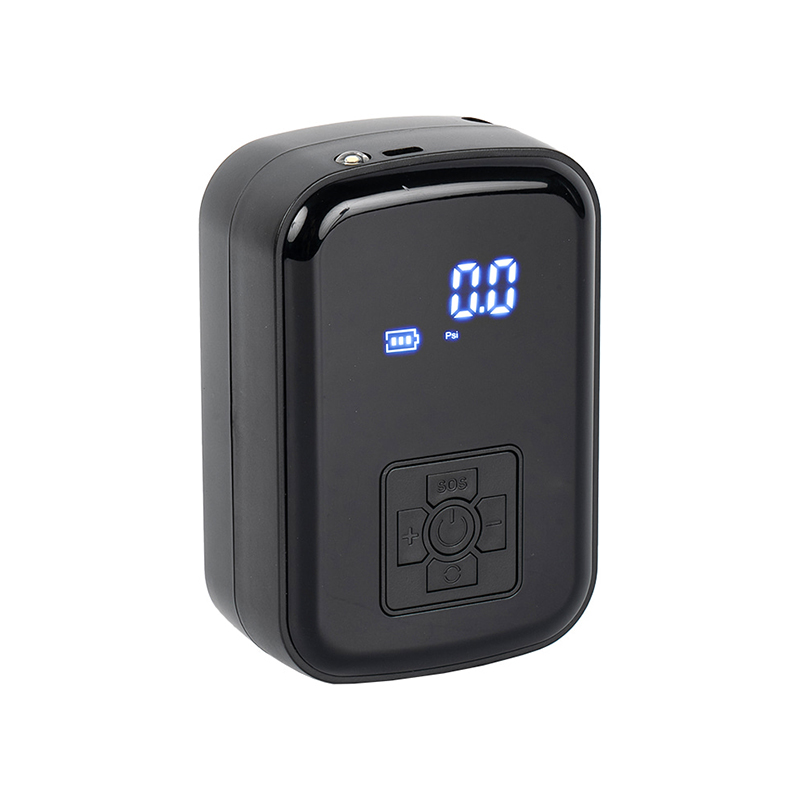
The RT-603 Portable Vehicle-Mounted Air Pump Compressor—a car tire inflator suitable for bicycles, balls, and motorcycles—integrates a multitude of functions into a single device: tire pressure detect...
See Details -
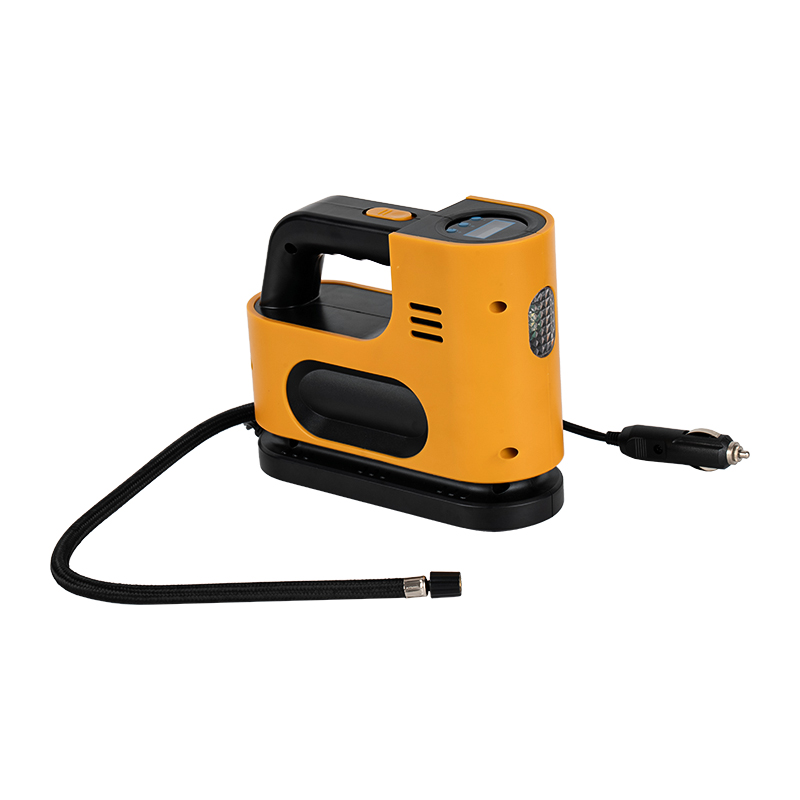
The RT-828 DC Tire Inflator Pump 12V with LED light features a real-time tire pressure display, allowing drivers to monitor tire pressure at any time and ensure it remains within safe limits. Operatin...
See Details -
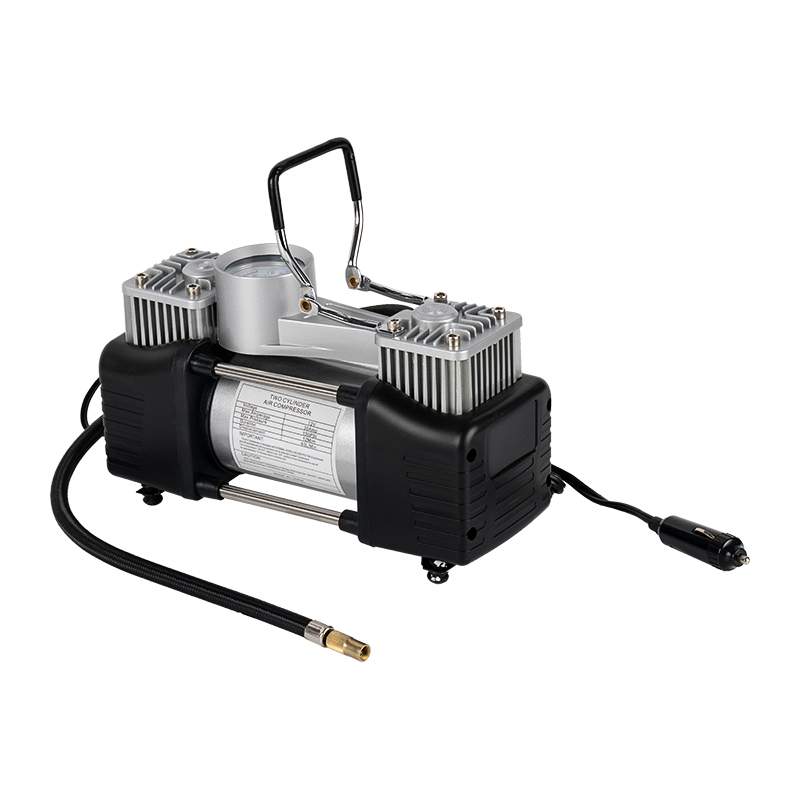
The RT-827 12V Two Cylinders 30mm DC Tire Inflator Pump With Pressure Meter features a dual-cylinder design, providing stronger inflation capacity compared to single-cylinder air pumps. It is equipped...
See Details -
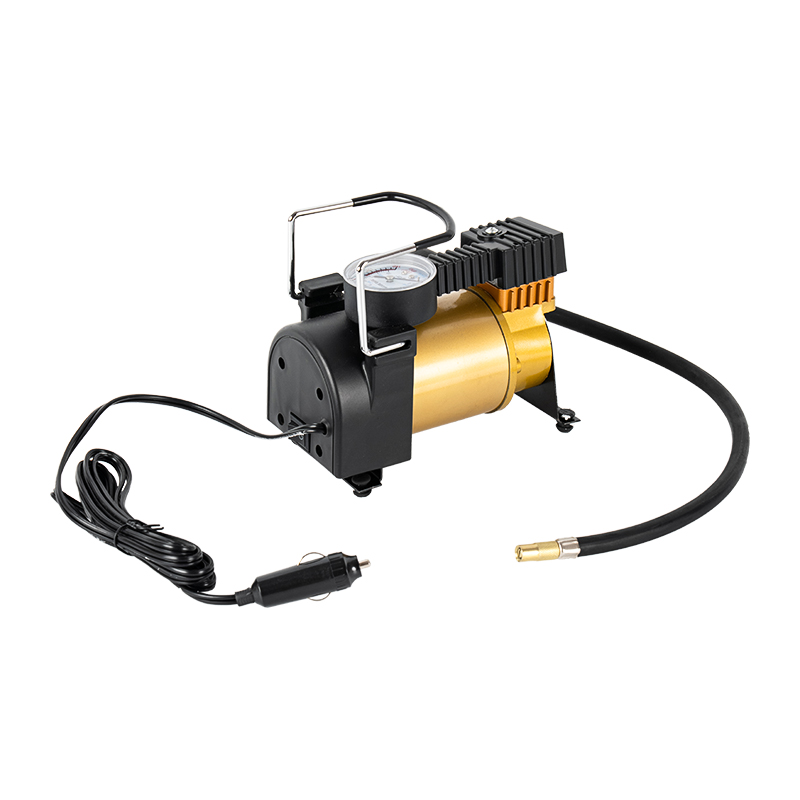
The RT-823 Single-Cylinder 12V DC Tire Inflator Pump with Pressure Meter displays real-time tire pressure, ensuring drivers can monitor tire pressure at any time and avoid safety risks caused by under...
See Details -
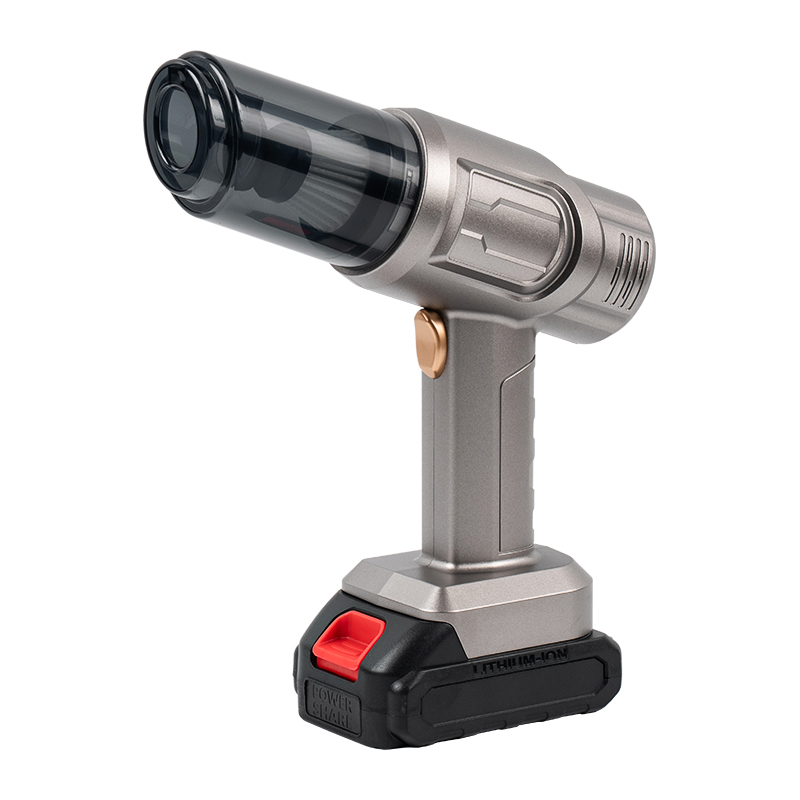
The RT-802 Handhold Vacuum Cleaner features a detachable battery design, supporting external power tool battery packs and compatible with various battery options to flexibly adapt to different usage n...
See Details
News
-
Which Best Tyre Inflator to Buy and Why The best tyre inflator for most car owners is a cordless digital portable tire ...
READ MORE -
How to inflate tires correctly is a routine skill that every driver eventually faces, yet it is also a task many people...
READ MORE -
You open the back door after a short drive, and your dog jumps out leaving a layer of fur across the rear seat. You rea...
READ MORE -
Two handheld vacuums sit on the same workbench. One is a 7.4 V cordless unit rated at 12,600 Pa with a washable filter ...
READ MORE -
The short answer for how to clean car seats with steam cleaner equipment is this: vacuum the seats thoroughly first to ...
READ MORE -
You bought a compact 12V car vacuum cleaner to keep under the seat of your SUV. It handles coffee spills, crushed crack...
READ MORE
Message Us Right Now!
Get Connected
 Whatsapp
 Wechat
Copyright © Ningbo Rongteng Auto Accessories Co.,Ltd. All rights reserved.
 Custom Vehicle Tire Inflators Manufacturers
Exhibition Name: Automechanika Shanghai 2026
Date: December 2 to 5, 2026
Location: National Exhibition and Convention Center (Shanghai)
Booth Number: 1.2B96