English
 русский
 Español
The RT-805 Cordless Car Vacuum Cleaner features a smart display that provides real-time battery status updates, allowing you to precisely monitor the remaining usage time. Boasting a powerful suction ...
See DetailsIndustry News 2026/06/11
Car vacuum cleaner vs. compressed air blower: which is more effective for cleaning car dashboard vents?
Content
- 1 How a Car Vacuum Cleaner Works on Dashboard Vents
- 2 How a Compressed Air Blower Works on Dashboard Vents
- 3 Direct Comparison: Car Vacuum Cleaner vs. Compressed Air Blower
- 4 The Recommended Cleaning Method: Use Both in Sequence
- 5 Choosing the Right Car Vacuum Cleaner for Vent Cleaning
- 6 When to Choose a Compressed Air Blower Alone
- 7 References / Sources
When it comes to cleaning car dashboard vents, a car vacuum cleaner is generally more effective than a compressed air blower for complete debris removal — but a compressed air blower excels at dislodging stubborn, deep-seated dust that a vacuum alone cannot reach. The most thorough cleaning result comes from using both tools together, in the right sequence.
Dashboard vents are among the most neglected areas during interior cleaning. Their narrow slats and deep internal channels trap dust, pollen, pet hair, and debris over time. Choosing the wrong tool — or using the right tool incorrectly — often means pushing contaminants further into the ventilation system rather than removing them. This guide breaks down exactly how each tool performs, where each falls short, and how to get the cleanest result possible.
How a Car Vacuum Cleaner Works on Dashboard Vents
A car vacuum cleaner works by generating negative air pressure — suction — that draws loose particles into a collection chamber. When applied to dashboard vents, a narrow crevice tool or brush nozzle can reach between the slats and pull out dust, allergens, and fine debris.
The effectiveness of a car vacuum cleaner on vents depends heavily on its suction power. Entry-level 12V models powered through the cigarette lighter typically generate 3–5 kPa of suction, which is sufficient for surface-level dust. Mid-range cordless car vacuum cleaners with brushless motors can reach 15–20 kPa, capable of pulling debris from deeper within the vent channels. High-performance models used as a car cleaning hoover reach up to 25 kPa or more, comparable to compact household vacuums.
Key advantages of using a car vacuum cleaner on dashboard vents include:
- Debris is captured and contained — nothing is redistributed into the cabin air
- HEPA-filtered models trap particles as small as 0.3 microns, beneficial for allergy sufferers
- Flexible hose attachments allow precise targeting of individual vent slats
- No risk of forcing dust deeper into the HVAC system
- Quieter operation compared to compressed air tools
The main limitation is that a car vacuum cleaner cannot dislodge compacted or caked-on dust clinging to the interior walls of vent channels. Suction alone will not break the bond between packed debris and plastic surfaces.
How a Compressed Air Blower Works on Dashboard Vents
A compressed air blower operates on positive pressure — it forces a concentrated stream of air into the vent cavity, physically dislodging dust and debris by impact. Common forms include canned aerosol air dusters, electric air blowers, and handheld air compressors rated at 30–120 PSI.
The mechanical force of compressed air is excellent at breaking up compacted dust layers and reaching the deepest parts of vent channels that no nozzle can physically access. A short burst of air at 40–60 PSI is typically enough to clear most vent channels without risking damage to vent fins or internal components.
However, compressed air blowers have a critical drawback: they do not remove debris — they relocate it. Dust blown out of the vents immediately becomes airborne inside the vehicle cabin and settles on surfaces including the dashboard, seats, and floor, or recirculates into the HVAC system intake. Without a simultaneous vacuum capturing the expelled debris, the cleaning process is incomplete.
Additional concerns with compressed air blowers:
- High-pressure bursts can damage fragile vent actuators if used incorrectly
- Aerosol canned air contains chemical propellants that may irritate respiratory systems
- Electric blowers can be loud — often exceeding 75–85 dB — making indoor use uncomfortable
- Canned air runs out quickly and is not cost-effective for regular use
Direct Comparison: Car Vacuum Cleaner vs. Compressed Air Blower
The table below compares both tools across the most relevant performance and usability factors for cleaning dashboard vents.
| Factor | Car Vacuum Cleaner | Compressed Air Blower |
|---|---|---|
| Debris Removal | Captures and contains | Displaces into cabin |
| Deep Vent Penetration | Limited by nozzle size | Excellent — reaches all areas |
| Compacted Dust Removal | Weak without agitation | Strong — mechanical dislodging |
| Allergen Safety | High (especially HEPA) | Low — airborne dispersal |
| Noise Level | 55–70 dB (typical) | 75–90 dB (typical) |
| Risk of Damage | Very low | Moderate at high PSI |
| Cost per Use | Low (reusable) | Medium–High (canned) / Low (electric) |
| Best Use Case | Routine maintenance cleaning | Deep dislodging before vacuuming |
The Recommended Cleaning Method: Use Both in Sequence
For the most thorough dashboard vent cleaning, professional detailers consistently recommend a two-step sequence: blow first, vacuum second. This approach leverages the strengths of each tool while neutralizing their individual weaknesses.
Step-by-Step Process
- Position the car vacuum cleaner nozzle near — but not directly at — the vent opening to act as a capture point.
- Use a soft-bristle detailing brush or compressed air blower at low pressure (30–40 PSI) to agitate and expel dust from the vent channels.
- The car vacuum cleaner simultaneously pulls expelled debris before it can settle on cabin surfaces.
- Finish by running the car cleaning hoover's crevice tool directly across each vent slat to collect any remaining residue.
- Wipe the vent exterior with a microfiber cloth to remove any surface film.
This combined method reduces total cleaning time and ensures debris is removed from the vehicle entirely, not simply moved from one surface to another.
Choosing the Right Car Vacuum Cleaner for Vent Cleaning
Not all car vacuum cleaners perform equally well on vents. The following specifications make the biggest difference:
Suction Power
Look for a car vacuum cleaner with a minimum of 15 kPa for effective vent cleaning. Models below 10 kPa will struggle with anything beyond very light dust accumulation.
Nozzle and Attachment Design
A narrow crevice tool under 15mm in width is essential for fitting between vent slats. Flexible hose extensions of at least 30cm allow comfortable angling without pressing the motor unit against the dashboard.
Filtration System
For drivers with allergies or respiratory sensitivities, a car vacuum cleaner with a HEPA filter is the preferred choice over foam-only filtration. HEPA filters capture fine particulate matter that standard filters allow to pass back into the cabin through exhaust airflow.
Power Source
Cordless lithium-ion models offer the most flexibility for maneuvering around the dashboard. A 2000–2500mAh battery typically provides 20–30 minutes of continuous runtime — sufficient for a full interior cleaning session including the vents.
When to Choose a Compressed Air Blower Alone
There are specific situations where using a compressed air blower without a car vacuum cleaner is a practical choice:
- Quick pre-inspection blow-out before a full detail session — when a car vacuum cleaner will be used immediately after
- Clearing visible debris from vents before a long drive, when full cleaning tools are not available
- Electronics cleaning inside the cabin where suction could dislodge connectors or small components
In all these cases, opening the car doors or windows during the process allows disturbed dust to escape rather than circulating within the cabin.
Dashboard vents should be cleaned with a car vacuum cleaner or car cleaning hoover at least once every 4–6 weeks for daily-use vehicles, and more frequently for vehicles transporting pets or passengers with allergies. A compressed air blower deep-clean is recommended every 3–4 months as a supplementary treatment.
Neglecting vent cleaning reduces airflow efficiency, contributes to musty odors from trapped organic matter, and can degrade the performance of the vehicle's cabin air filter over time. A regular cleaning schedule using both tools in rotation provides the best long-term results for interior air quality and component longevity.
References / Sources
-
Gunk, M. (2022). Auto Detailing: The Professional Way. Motorbooks International.
-
SAE International. (2021). Cabin Air Quality and HVAC Filtration Standards for Passenger Vehicles. SAE Technical Paper Series.
-
Consumer Reports. (2023). "Best Car Vacuum Cleaners: Suction, Filtration, and Usability Tested." Consumer Reports Automotive.
-
ASHRAE. (2020). Ventilation and Air Quality in Vehicle Cabins. ASHRAE Handbook — HVAC Applications.
Let's Talk
Keep in touch with us
Related products
-
-
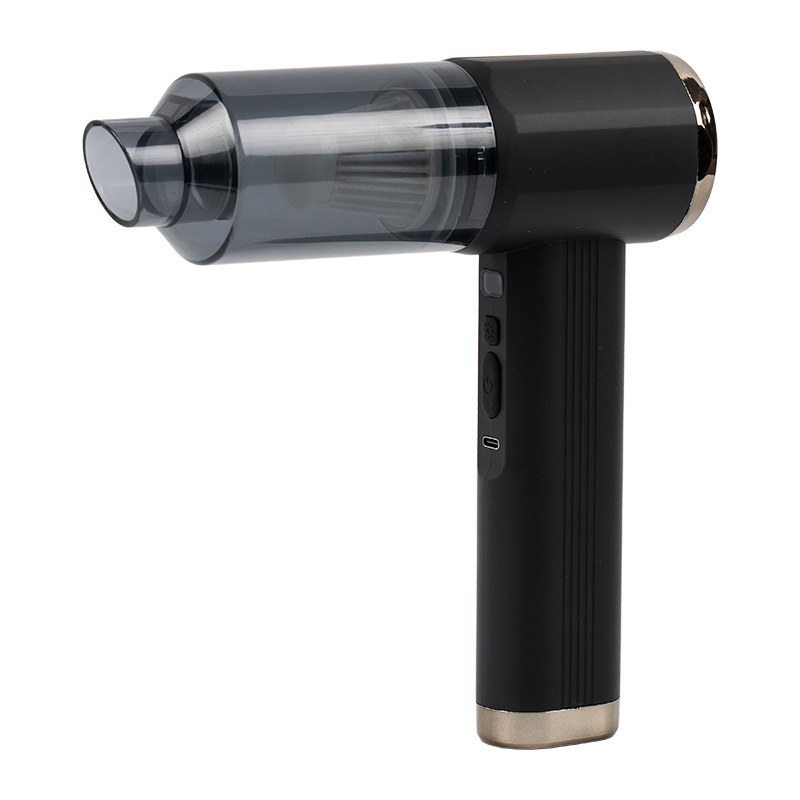
The RT-808 Portable Car Vacuum Cleaner features a brushless motor, a digital display, and an integrated dust-detection light. Powered by a 18650 lithium-ion battery pack—available in 2,000mAh x 3 or 2...
See Details -
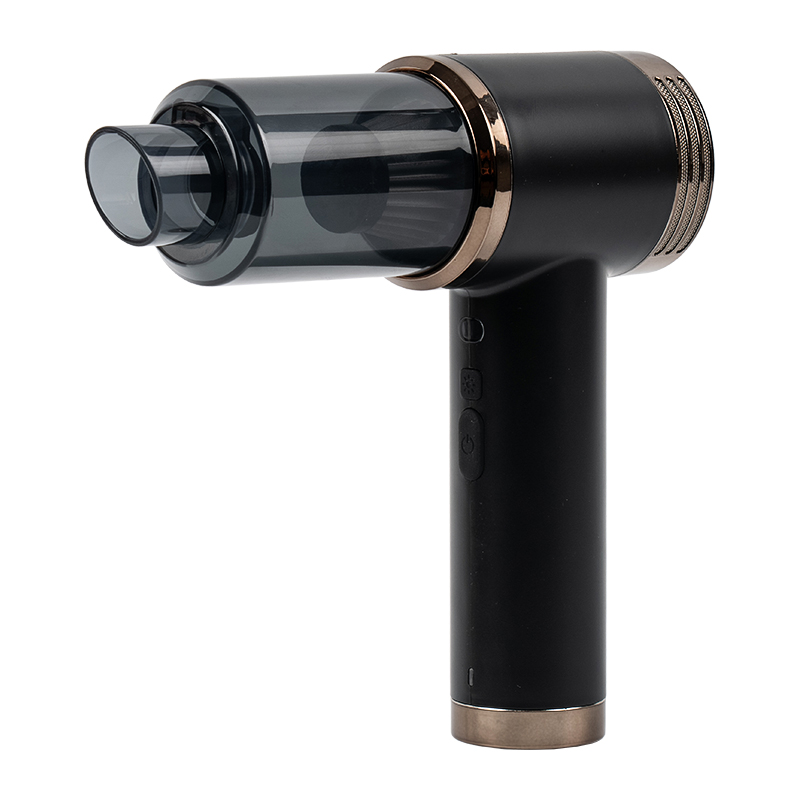
RT-807 Handhold Air Car Vacuum Cleaner Cordless Wet & Dry With Display Dust Lamp equipped with 18650 lithium-ion batteries—available in 1,800mAh x 2 or 2,000mAh x 2 configurations—this unit operat...
See Details -
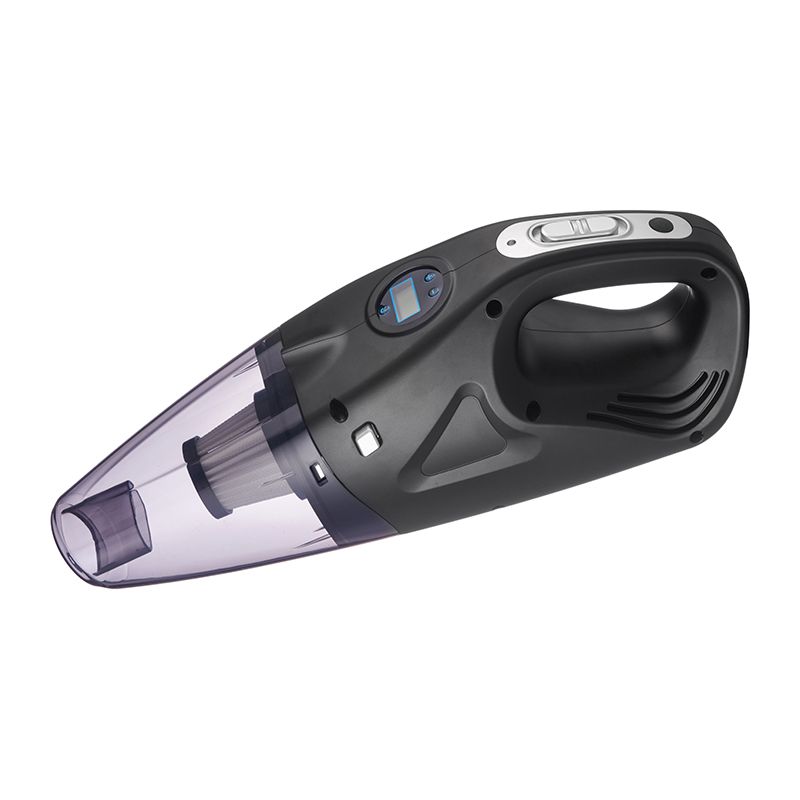
The RT-8822-S 4-in-1 Vehicle-Mounted Vacuum Cleaner—available in both cordless and corded versions—is powered by an 18650 lithium-ion battery (offering various capacity options) and operates at a 12V ...
See Details -
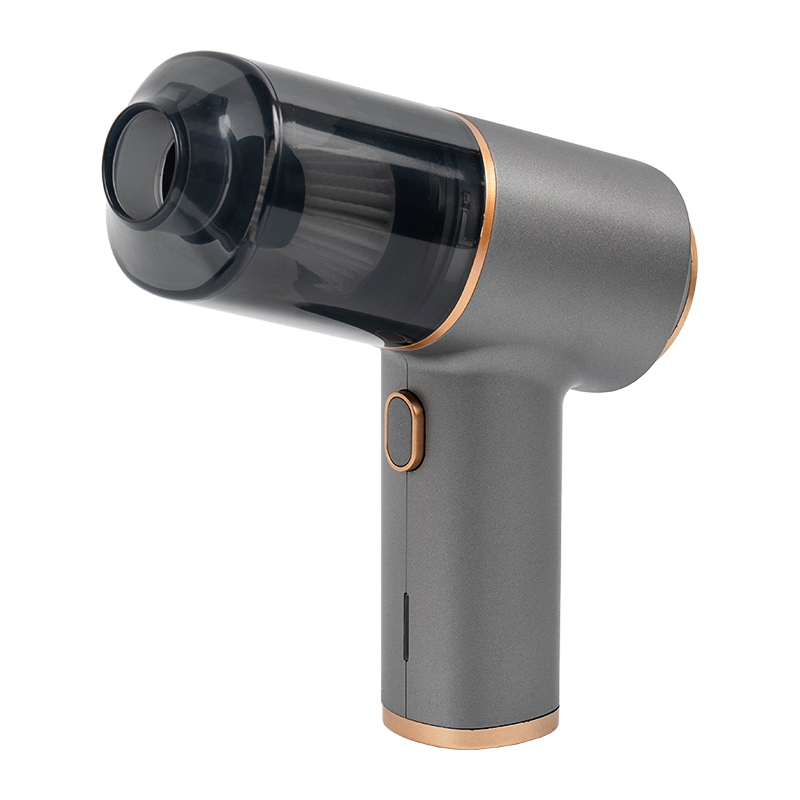
RT-8822 Mini 7.4V Handhold car portable vacuum cleaner powered by an 18650 lithium-ion battery—available in various capacity options—this unit operates at a 7.4V working voltage, ensuring stable and ...
See Details -
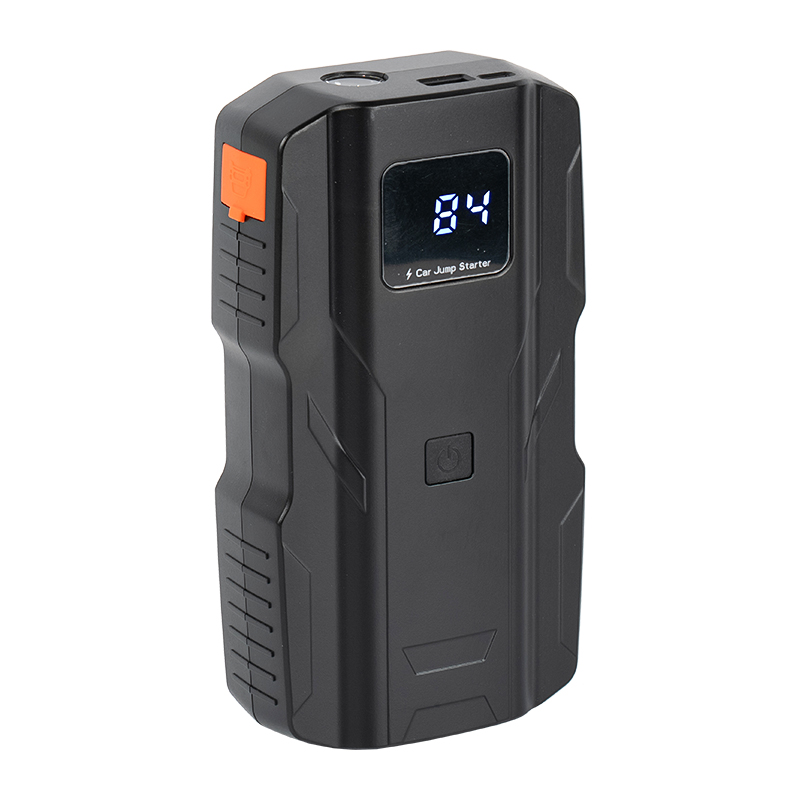
The RT-602D Portable Car Jump Starter with a high-capacity 40C polymer battery offers three capacity options, supporting a maximum starting current of 600A and a peak current of 800A, easily starting ...
See Details
News
-
You open the back door after a short drive, and your dog jumps out leaving a layer of fur across the rear seat. You rea...
READ MORE -
Car tire inflators are core accessories for automotive emergency and maintenance. With the increasing number of vehicle...
READ MORE -
The short answer: a good suction power for a car vacuum cleaner starts at 6,000 Pa (6 kPa) for a cordless handheld mode...
READ MORE -
Two handheld vacuums sit on the same workbench. One is a 7.4 V cordless unit rated at 12,600 Pa with a washable filter ...
READ MORE -
You open the rear door and see the evidence: crushed cereal under the child seat, fine sand worked into the carpet, dog...
READ MORE -
You bought a compact 12V car vacuum cleaner to keep under the seat of your SUV. It handles coffee spills, crushed crack...
READ MORE
Message Us Right Now!
Get Connected
 Whatsapp
 Wechat
Copyright © Ningbo Rongteng Auto Accessories Co.,Ltd. All rights reserved.
 Custom Vehicle Tire Inflators Manufacturers