English
 русский
 Español
The RT-526 Jump Starter with Air Compressor with Tire Pressure Monitoring is a multi-functional smart car tool integrating emergency starting, tire inflation, tire pressure monitoring, emergency light...
See DetailsIndustry News 2026/11/05
Where to Inflate Tires: Reliable Air Sources and Practical Pressure Checks
Content
- 1 Where to Inflate Tires: The Practical Answer
- 2 Gas Stations and Convenience Stores: Quick, but Check the Gauge
- 3 Tire Shops, Service Centers, and Dealerships: Best for Accuracy and Diagnosis
- 4 Membership Clubs, Auto Parts Stores, and Public Air Stations
- 5 What to Check Before and After You Inflate
- 6 When a Portable or 12V Tire Inflator Is the Better Place
- 7 How to Build a Reliable Air Plan for Your Area
- 8 Cost, Safety, and Mistakes That Matter
At 7:20 a.m., the tire-pressure warning light comes on and you have 20 miles to drive. The nearest fuel station may have a working air pump, but the hose could be short, the gauge could be broken, and the bay may be blocked. The practical answer is to match the air source to the job: use a tire shop or service center for an accurate check or leak diagnosis, a gas station for a quick top-up, a membership club or auto parts store for free access, and a portable or 12V inflator when you want to avoid searching altogether.
Start with the placard on the driver’s door jamb, not the maximum pressure molded on the tire sidewall. The placard gives the cold pressure the vehicle was engineered for. A tire can look normal at 5 psi low and still wear unevenly, heat up at highway speed, and hurt fuel efficiency.
Where to Inflate Tires: The Practical Answer
Most drivers do not need one “best” location. They need a shortlist. A tire shop is the strongest first stop when pressure keeps falling, a valve stem looks cracked, or a tire has a slow leak. A gas station is fine for a 2 to 4 psi top-up if the hose reaches and the gauge works. A warehouse club, auto parts store, or public air station can be convenient for free air, but access rules and equipment condition vary by location. A portable inflator is the better answer for remote trips, temperature swings, multiple vehicles, and fleets that cannot afford a failed coin-operated pump.
| Air source | Typical access | Best for | Watch-outs |
|---|---|---|---|
| Gas station or convenience store | Often coin-operated or requires a small purchase; hose and gauge vary | Quick top-up near home or work | Faulty gauges, short hoses, queues, blocked bays |
| Tire shop or service center | Free or included with service; appointment may help | Accurate check, leak diagnosis, TPMS issues | Wait times, limited hours, upselling |
| Membership club or auto parts store | Free for members or customers at many locations | Free air and basic pressure checks | Membership rules, busy lots, unattended equipment |
| Public air station or car wash | Free or small fee; seasonal availability | Emergency top-up, nearby drivers, cyclists | Missing adapters, poor lighting, maintenance gaps |
| Portable or 12V inflator | Own equipment; battery or car socket power | Planned independence, remote trips, fleets | Duty cycle, gauge accuracy, storage temperature |
Gas Stations and Convenience Stores: Quick, but Check the Gauge
Fuel station air is usually the first option because it is close and familiar. Many units are coin-operated, and some require a purchase or a code from the cashier. The real risk is not the fee; it is the equipment. A worn chuck may leak, a stiff hose may not reach the rear valve, and an analog gauge may be off by several psi. Pull into a marked air bay, not a fuel lane. Set the parking brake, keep the engine off unless the pump requires the socket, and keep hands and clothing clear of the hose.
Use your own gauge after filling. If the station gauge and your gauge differ by more than 2 psi, trust the gauge you have tested and use it consistently. Do not overfill to compensate for a suspected slow leak; that simply moves the problem to the highway. If the pump is broken, do not force the chuck or leave the hose on the ground where another driver can run over it.
Tire Shops, Service Centers, and Dealerships: Best for Accuracy and Diagnosis
Go to a tire shop when one tire is more than 5 psi low, the warning light returns within days, or you see a bulge, cut, or exposed cord. A shop can check pressure with a calibrated gauge, inspect the valve stem and bead, and look for a nail or slow leak. Ask for the placard cold pressure, not “maximum pressure.” If the tires are hot from driving, expect readings several psi higher; do not bleed a hot tire down to the cold number unless the vehicle maker gives a hot-pressure instruction.
Service centers and dealerships are also useful when pressure monitoring needs a reset or when a tire has been repaired. For fleet buying, put the pressure check in writing: cold pressure target, gauge tolerance, valve cap replacement, and a rule that any tire losing more than 2 psi per week gets a leak test. That simple policy prevents repeated trips to an air pump and catches problems before they become roadside failures.
Membership Clubs, Auto Parts Stores, and Public Air Stations
Membership clubs often provide free air for members or customers, and auto parts stores may keep an air station near the entrance. Public pumps appear near car washes, transit lots, bike paths, and convenience stores. Call ahead or check the location’s hours before driving across town. Bring a small tire gauge and, if your valves are recessed, check that the chuck fits before relying on the station.
Free air is not automatically safer. An unattended pump may have no gauge, a damaged hose, or a slow leak at the fitting. Park legally, avoid blocking fire lanes or charging spaces, and do not leave a hose across a driving lane. Treat these locations as useful backups, not as your only plan.
What to Check Before and After You Inflate
- Read the driver-door placard and note the front and rear cold pressure separately.
- Measure before inflating so you know how much air to add.
- Use your own gauge; cheap gauges can vary by 1 to 2 psi, so test one against a known source.
- Inflate in short bursts and recheck. Do not hold the trigger for a long run on a small compressor.
- Replace the valve cap. A missing cap lets dirt and moisture into the valve.
- Check the spare tire every few months; a spare at 20 psi is not useful in an emergency.
- Expect about 1 psi of change per 10°F of ambient temperature change.
Do not use the sidewall maximum as your target. It is a load and pressure limit, not the recommended everyday setting. A tire-pressure monitor may update only after a few minutes of driving. If the warning stays on after all tires are set, inspect for a leak or a sensor issue.
When a Portable or 12V Tire Inflator Is the Better Place
If you have driven 15 minutes to find a working pump, a portable inflator solves a different problem: access. Cordless models with pressure monitoring are useful for one vehicle; 12V DC models that run from the car socket are better for higher-volume inflation or repeated use. Match the tool to the job. A mini unit with 150 psi rating and Type-C input can live in a glovebox. A heavy-duty twin-cylinder 12V pump is more appropriate for a shop, fleet, or large tires. Check hose length, duty cycle, and whether the unit has auto shut-off. A pressure preset is only useful if the gauge is accurate.
 RT-506 Cordless Tire Inflator with Pressure MonitoringCordless inflator with real-time pressure display and auto shut-off, suited to glovebox storage and routine vehicle top-ups.View Product →
For drivers who want to top up at home or on a roadside shoulder, a cordless unit with tire-pressure monitoring reduces the need to find a public pump. For buyers comparing options, the useful questions are not just price and maximum pressure, but how fast the unit adds 10 psi, how long it can run before cooling, and whether the chuck fits recessed valves. If you are evaluating whether a portable unit belongs in every vehicle, this guide to portable tire inflators and their practical value gives a sensible baseline.
RT-601 Mini 150 PSI Type-C Portable Tire InflatorCompact Type-C rechargeable inflator with preset auto shut-off and LED light, suited to glovebox storage and emergency power use.View Product →
For procurement, request pressure accuracy, duty cycle, hose length, and power requirement in writing. A pump that takes eight minutes to add 10 psi may be fine for one car but not for a small fleet. Keep the inflator out of direct sun and check the battery or socket connection before a trip.
How to Build a Reliable Air Plan for Your Area
Map three options before you need them: a 24-hour station within five miles, a tire shop with convenient hours, and a free air source you can reach without a detour. Test each once with your own gauge. Note the hose reach, payment method, lighting, and whether the lot is safe to enter with a trailer. For a fleet, assign one person to inspect the route list quarterly; a pump that worked last winter may be out of service in summer. Keep a portable inflator as backup and a tire pressure gauge in the glovebox. That plan turns a warning light from an emergency into a five-minute task.
For fleet or high-use buyers, a heavy-duty DC pump such as RT531 is the more relevant category than a mini cordless unit. It is designed for repeated inflation from a vehicle power socket, so confirm socket rating and cable length before standardizing on it.
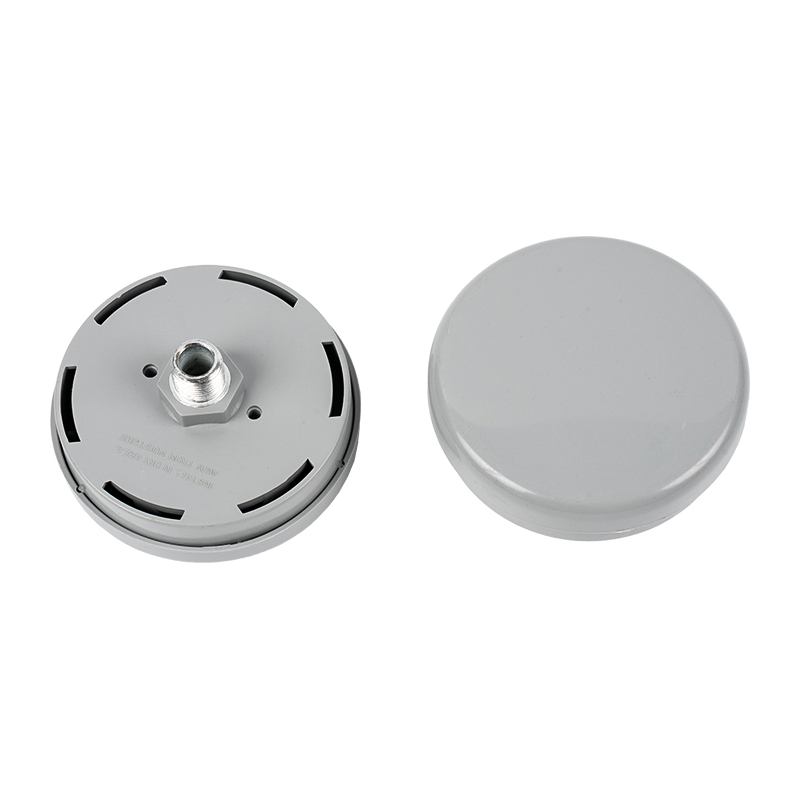 RT-531 Heavy-Duty Dual-Cylinder 12V DC Tire InflatorDual-cylinder 12V pump with high airflow for repeated inflation of large tires; suited to fleet and high-use buyers.View Product →
Cost, Safety, and Mistakes That Matter
Free air is not always cheap if it costs 20 minutes and a bad gauge reading. Paid air is not necessarily better. The bigger risks are overinflation, checking tires hot, ignoring a slow leak, and using the sidewall number as the target. Inflate in a well-lit area, keep hands clear of the hose, and never stand over a tire while inflating. If a tire has a bulge, cut, or exposed cord, do not drive on it after inflating; use a spare or call roadside help.
For purchasing decisions, compare total cost: fuel to reach a free pump, time lost to broken equipment, and the price of a quality gauge. A small gauge costs less than a tank of fuel and gives you a repeatable measurement. If you buy an inflator, choose one with a readable gauge, a hose long enough to reach all four valves, and a duty cycle that matches your use. A 150 psi maximum rating is headroom, not a target for a passenger car.
The practical answer to where to inflate tires is to match the source to the job. Use a tire shop for diagnosis, a gas station for convenience, a club or parts store for free access, and a portable or 12V inflator for independence. Check the placard, measure cold, and trust a gauge you have tested. That routine is faster than searching for air after the warning light is already on.
Let's Talk
Keep in touch with us
Related products
-
-
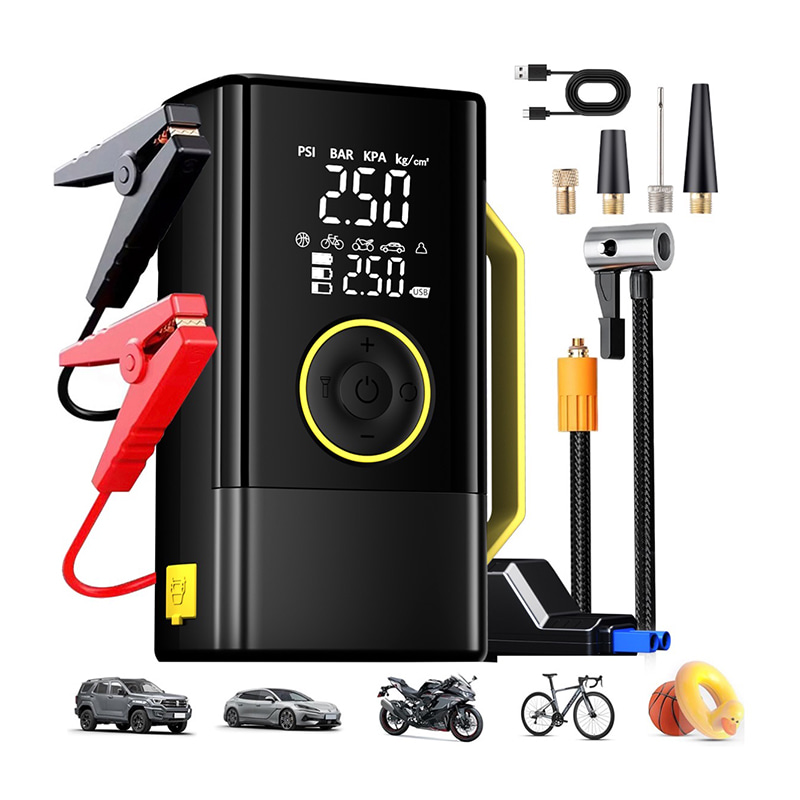
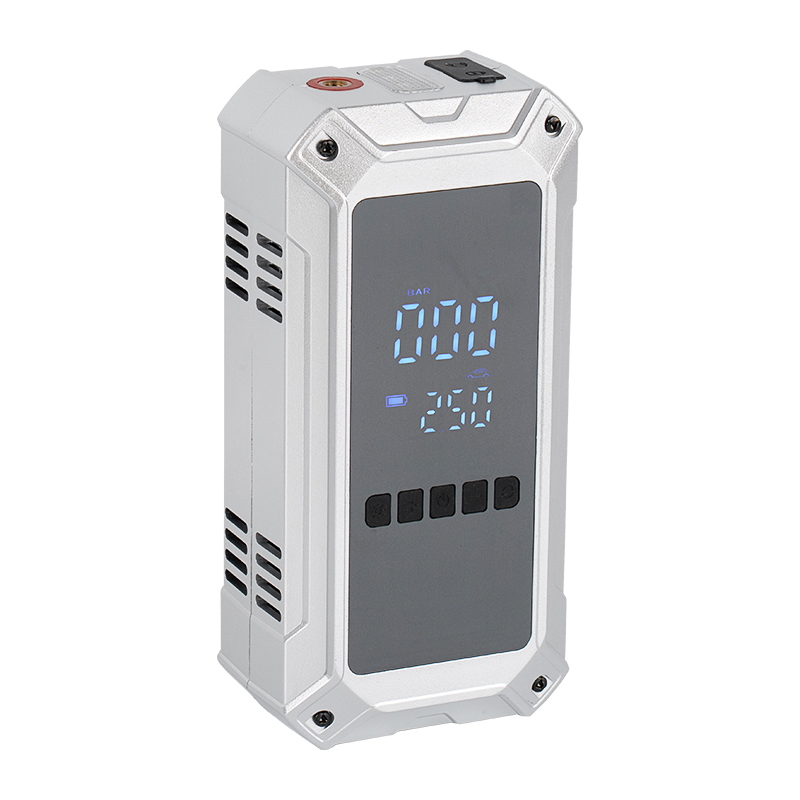
The RT-610 High-Capacity Battery Jump Starter with Air Compressor uses a 40C polymer battery and offers three capacity options: 1,500mAh, 2,000mAh,2,500mAh and 3,000mAh, It boasts a starting current o...
See Details -
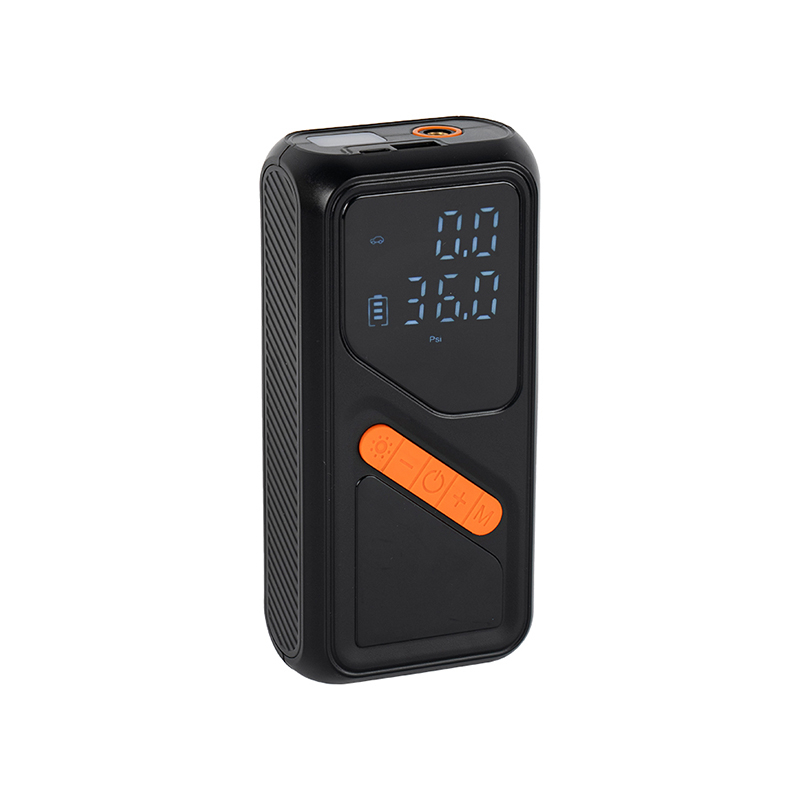
The RT-506 Cordless Portable Tire Inflator with Tire Pressure Monitoring features an 18650 lithium battery, providing long battery life and supporting rapid inflation. With an inflation rate of approx...
See Details -
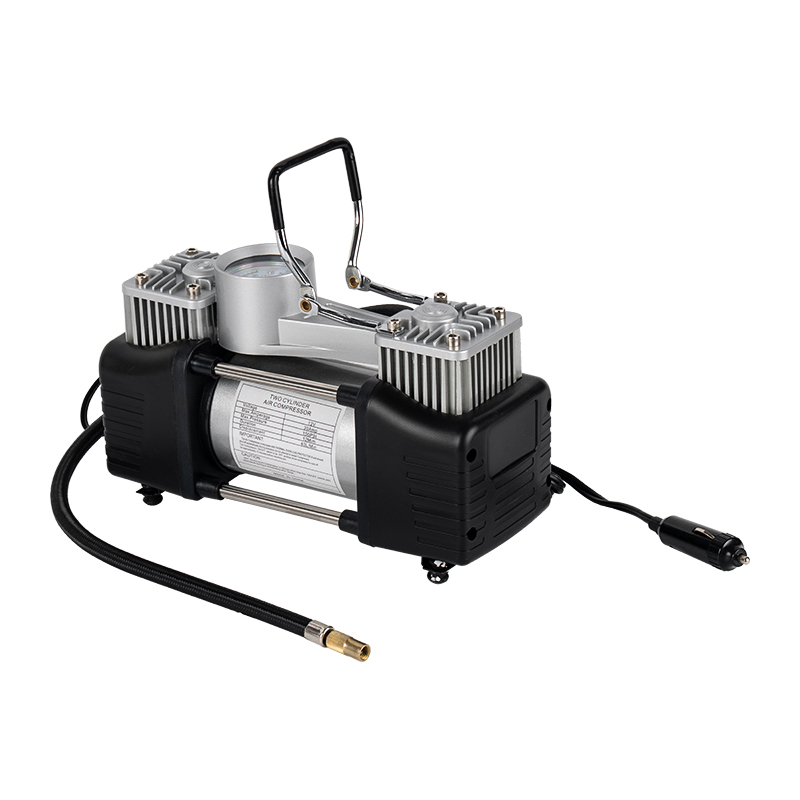
The RT-827 12V Two Cylinders 30mm DC Tire Inflator Pump With Pressure Meter features a dual-cylinder design, providing stronger inflation capacity compared to single-cylinder air pumps. It is equipped...
See Details -
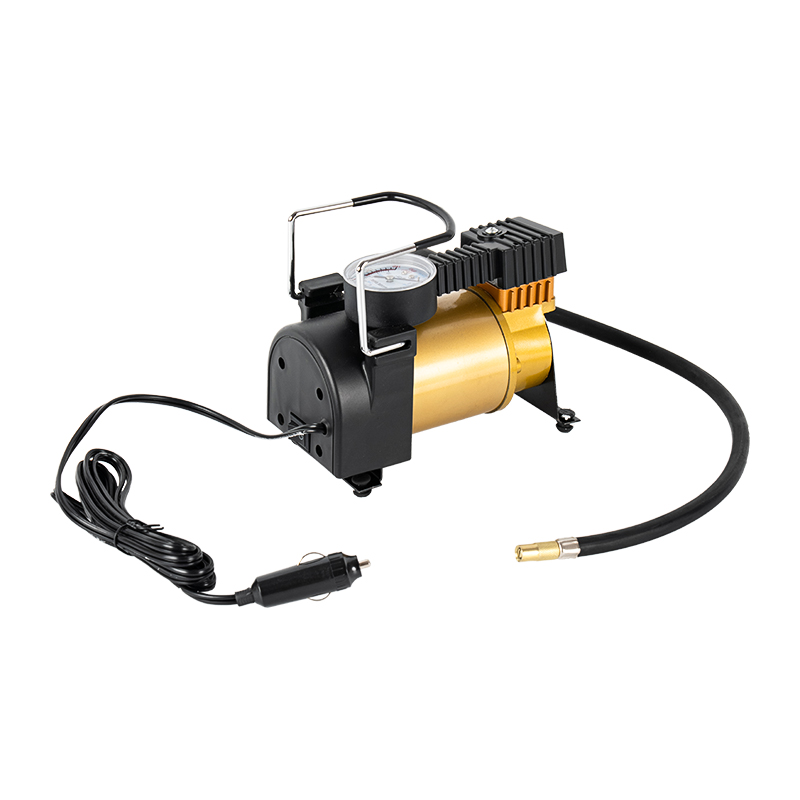
The RT-823 Single-Cylinder 12V DC Tire Inflator Pump with Pressure Meter displays real-time tire pressure, ensuring drivers can monitor tire pressure at any time and avoid safety risks caused by under...
See Details -
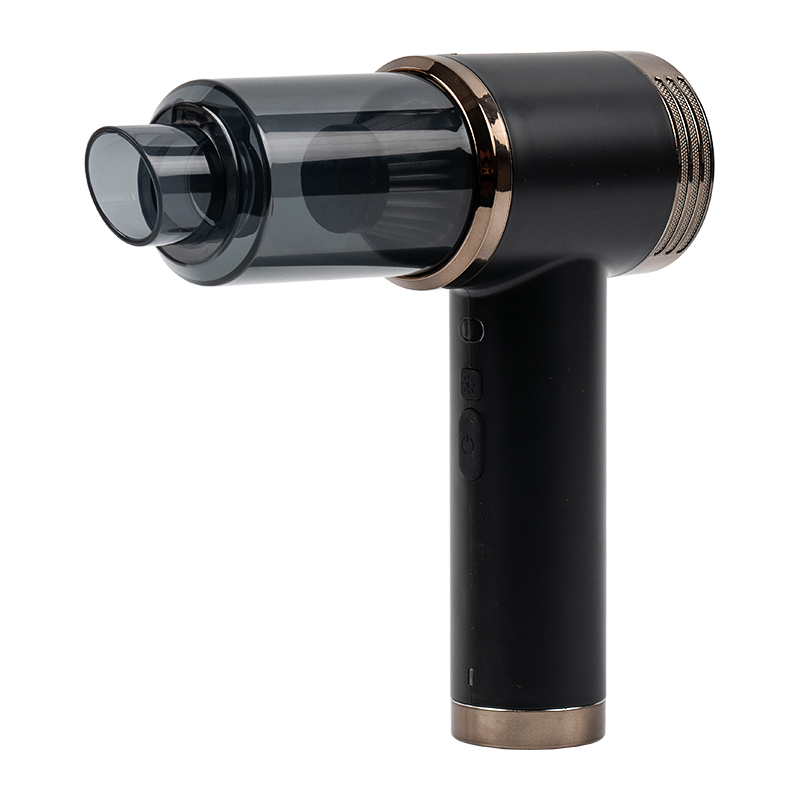
RT-807 Handhold Air Car Vacuum Cleaner Cordless Wet & Dry With Display Dust Lamp equipped with 18650 lithium-ion batteries—available in 1,800mAh x 2 or 2,000mAh x 2 configurations—this unit operat...
See Details
News
-
What follows is the practical version: where the correct pressure lives, what "cold" means in real conditions, which to...
READ MORE -
How to inflate tires correctly is a routine skill that every driver eventually faces, yet it is also a task many people...
READ MORE -
To inflate tires at a gas station correctly: check your vehicle's recommended tire pressure from the sticker inside th...
READ MORE -
Which Best Tyre Inflator to Buy and Why The best tyre inflator for most car owners is a cordless digital portable tire ...
READ MORE -
A driver walks out at 7:40 a.m., sees a rear tire sitting lower than the others, and finds a floor pump in the trunk. T...
READ MORE -
Ningbo Rongteng Auto Accessories Co., Ltd. will participate in two major international trade exhibitions in the second h...
READ MORE
Message Us Right Now!
Get Connected
 Whatsapp
 Wechat
Copyright © Ningbo Rongteng Auto Accessories Co.,Ltd. All rights reserved.
 Custom Vehicle Tire Inflators Manufacturers